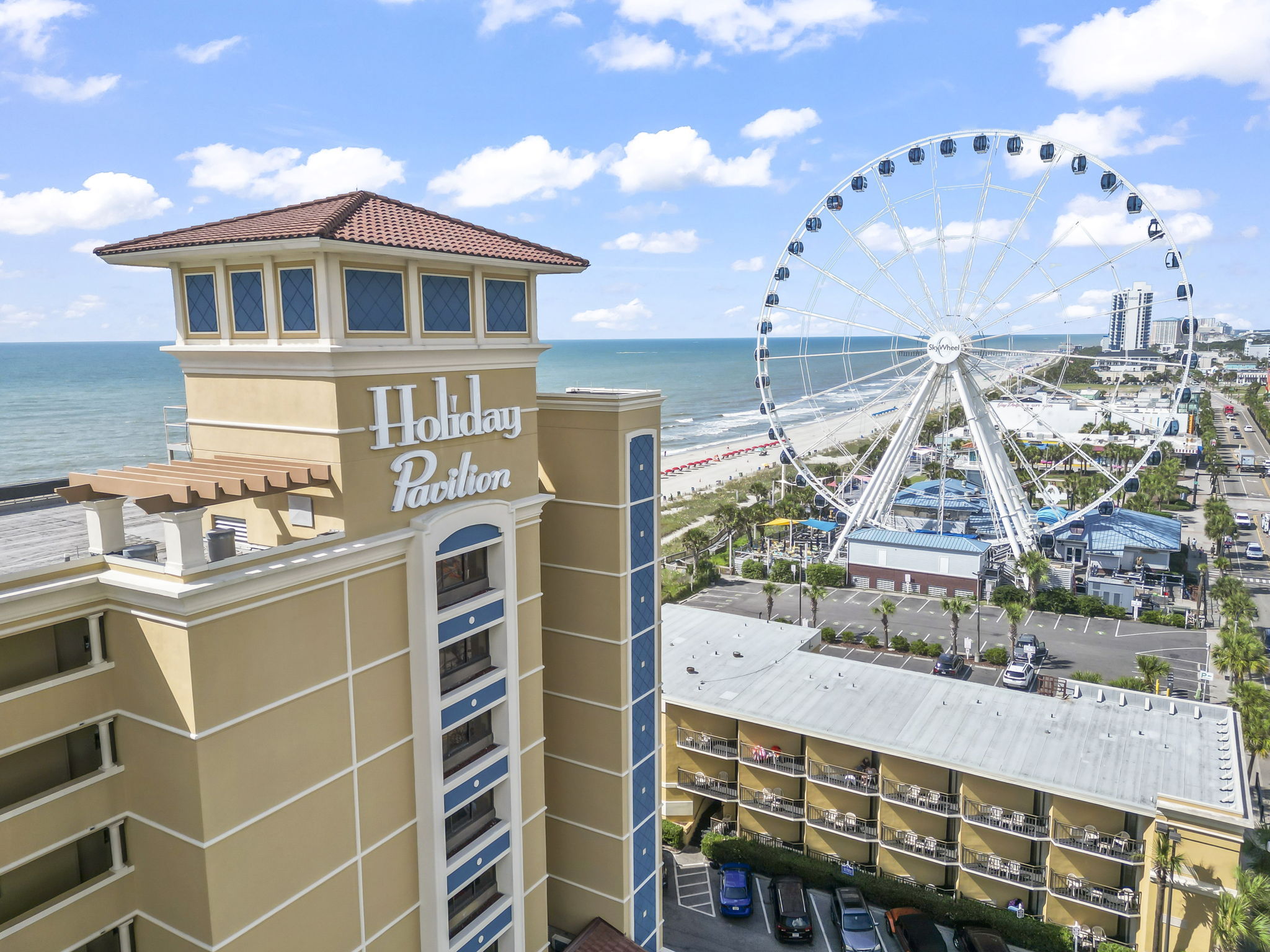
Updated: October 2026
Before buying an oceanfront condo in Myrtle Beach, you need to know six things that do not show up in the listing photos: how the building is insured and what the storm deductible is, how much the association has in reserves, whether a special assessment is coming, whether a lender will finance the building at all, what the rental program actually pays after fees, and what the unit's floor and view are worth per square foot compared with recent sales in the same building. In the fall 2026 market, with the median Myrtle Beach condo selling for $219,500, down 8.2% from a year ago, and sitting 131 days before it sells, buyers have the leverage to get all of those answers before they commit. This guide walks through the twelve checks, in the order they will save you the most money.
The short version:
- Get the master insurance declarations page and the named-storm deductible before you get attached to a unit.
- Read the HOA budget, reserve balance and two years of minutes. Thin reserves in an older oceanfront building are the leading warning sign of a special assessment.
- Find out if the building is warrantable. Most oceanfront resorts with front desks are condo-hotels, which means cash or a portfolio lender, not a standard mortgage.
- Ask for twelve months of actual rental statements, not a projection, and subtract the management fee before you call it income.
- Price the unit against closed sales in the same building and on similar floors; oceanfront price per square foot runs from under $200 to over $500 depending on the building.
- It is a buyer's market: 8.2 months of condo supply and 131 median days on market in September 2026. Negotiate.

Is an Oceanfront Condo in Myrtle Beach Different From Any Other Condo?
Yes, in four ways that change the math. Salt air and storms mean the building itself costs more to insure and maintain, so dues and assessments run higher than in an inland community. Most oceanfront buildings operate as rental resorts, which brings a front desk, a rental program and a set of lender rules that can make a standard mortgage impossible. The value of a unit depends heavily on its floor and view, so two units with identical floor plans can be $100,000 apart. And demand is driven by vacationers and second-home buyers from out of state, which makes the market more sensitive to rates and travel than the single-family market is. The Myrtle Beach condo buyer's guide covers the purchase process for any condo; everything below is specific to the oceanfront.
What Should I Check About the Building's Insurance?
Start here, because insurance is the number that has changed the most. Ask the association for the master policy declarations page and look for three things: the amount of wind and hail coverage, the named-storm deductible, and whether the building carries flood coverage. On oceanfront buildings the named-storm deductible is often a percentage of the insured value rather than a flat dollar amount, which means a hurricane claim can leave the association with a six- or seven-figure deductible that gets passed to owners as a special assessment. Master policy premiums have risen sharply since 2022, and every increase flows straight into your monthly dues.
You will also need your own HO-6 policy for the interior of the unit and your contents, and if the unit is on a lower floor, flood insurance for your own belongings is worth pricing. The Myrtle Beach condo insurance guide explains how the master policy and your HO-6 fit together and what wind and flood coverage actually cost.
What Should I Check About the HOA Budget and Reserves?
South Carolina buyers can review the association's documents before closing, and in an oceanfront building the three that matter are the current budget, the reserve balance, and the last two years of board meeting minutes. The budget tells you where the dues go. The reserve balance tells you whether the building can pay for its next roof, elevator or exterior project without an assessment. The minutes tell you what the board is worried about, which is usually the project nobody has put in the listing.
Two numbers to ask for directly: the reserve balance as a share of the annual budget, and the percentage of owners who are delinquent on dues. Fannie Mae and Freddie Mac now require associations to fund reserves at 15% of the annual budget for loan applications dated January 2027 and later, up from 10%, and they retired the limited review for condo loans in August 2026, so every building gets a full project review. An association that is below that line is one that may need an assessment to get there. The guide to Myrtle Beach condo HOA fees shows what healthy numbers look like for a building of a given age.
How Do I Know if a Special Assessment Is Coming?
Assessments telegraph themselves. The warning signs are an older building with thin reserves, a reserve study or engineering report that recommends work the board has deferred, minutes that discuss roofs, exteriors, balconies, elevators or insurance shortfalls, and a seller who is motivated to close quickly. Ask the association in writing whether any assessment has been approved, proposed or discussed in the last 24 months, and get the answer in writing. If an assessment is pending, it becomes a negotiation point: either the seller pays it at closing or the price reflects it. The special assessment buyer's guide covers exactly what to request and what to do if you find one.
Can I Get a Regular Mortgage on an Oceanfront Condo?
Often not, and this surprises more buyers than anything else on the list. Most of the big oceanfront resorts in Myrtle Beach and North Myrtle Beach operate as condo-hotels: a front desk, daily rentals, an on-site rental program and hotel-style amenities. Fannie Mae and Freddie Mac will not back a loan in a building with those features, which makes it non-warrantable. Your options become cash, a portfolio lender that keeps the loan on its own books, or, for investors, a loan underwritten on the unit's rental income. Expect a larger down payment, often 25% to 30%, and a higher rate than a conventional mortgage.
Some oceanfront buildings are residential rather than condo-hotels, and those can qualify for conventional financing if the association meets the project standards. Find out which kind of building you are looking at before you write an offer, because it decides your financing, your buyer pool when you sell, and often the price. The warrantable versus non-warrantable guide explains how to check, and the condotel versus traditional condo explainer covers how ownership, financing and taxes differ.
What Should I Ask About the Rental Program?
If you plan to rent the unit, the listing's "rental income" line is the least reliable number in the deal. Ask for twelve months of actual owner statements from the current program, not a projection. Then subtract the management fee, which on on-site resort programs commonly runs 30% to 50% of gross, plus cleaning, linens, credit card fees, repairs and the dues. What is left is your income. Also ask whether the building requires you to use the on-site program or allows self-management and third-party managers, how many owner-use weeks you are allowed in season, and whether the program has minimum stays or blackout periods. The investment condo guide runs the full math, including a worked example.
How Much Does the Floor and View Matter?
A great deal. In the same building, a direct oceanfront unit on a high floor can sell for 20% to 40% more than an angle-view unit on a low floor, and the premium holds up on resale and in rental rates. Across buildings, price per square foot in recent sales ranges from under $200 at older south-end resorts to more than $500 at the newest luxury towers in North Myrtle Beach. The right comparison is closed sales of similar units on similar floors in the same building over the last six to twelve months, not the asking prices of what is on the market today. The oceanfront versus second-row comparison shows what the view costs and when a second-row unit is the smarter buy.
What Should I Know About the Building Itself?
Age, construction and maintenance history decide how much the building will cost you over the next ten years. Ask for the most recent engineering or reserve study, the age of the roof, the date of the last exterior and balcony project, and the condition of the elevators and parking structure. Walk the common areas on a weekday and look at the pool decks, railings and stairwells. Amenities are a cost as well as a draw: indoor water parks, multiple pools and lazy rivers are expensive to run, and that cost is in the dues. If the building is more than 25 years old, the red flags for older oceanfront condos post lists what to look for.
What Rules and Restrictions Should I Read?
The master deed, bylaws and rules decide what you can do with the unit. Check the rental rules first: minimum rental periods, whether owners can self-manage, and whether short-term rentals are allowed at all. Then pets, age restrictions, owner-occupancy requirements, smoking rules, parking assignments and whether you can replace flooring or make changes to the balcony. Also check the city's rules; Myrtle Beach and North Myrtle Beach regulate short-term rentals differently by zone. Get the current documents from the association rather than relying on what the listing says.
What Will Property Taxes and Ownership Cost?
South Carolina taxes a primary residence at a 4% assessment ratio and second homes and rentals at 6%, so an oceanfront condo you do not live in full time carries a higher tax bill than the same unit would as a primary residence. Add the HOA dues, your HO-6 policy, flood coverage if you want it, utilities, a maintenance reserve of your own, and, if you rent, the management fee and the accommodations taxes you are responsible for collecting. The true cost of owning a Myrtle Beach condo adds it all up line by line, and the number is often higher than first-time oceanfront buyers expect.
What Does Closing on a Condo Look Like in South Carolina?
South Carolina closings are handled by an attorney, who runs the title search, prepares the documents and disburses the funds. The purchase contract will give you a due-diligence period, negotiated in the contract and often around two weeks, during which you can inspect the unit, review the association documents and walk away if something is wrong. Use that window for the insurance, reserve, assessment and rental checks above. Expect HOA transfer or capital contribution fees at closing, typically a month or two of dues, and budget roughly 2% to 4% of the purchase price for closing costs on a financed purchase, less for cash. Sellers in South Carolina pay the deed recording fee, so that is not on your side of the statement.
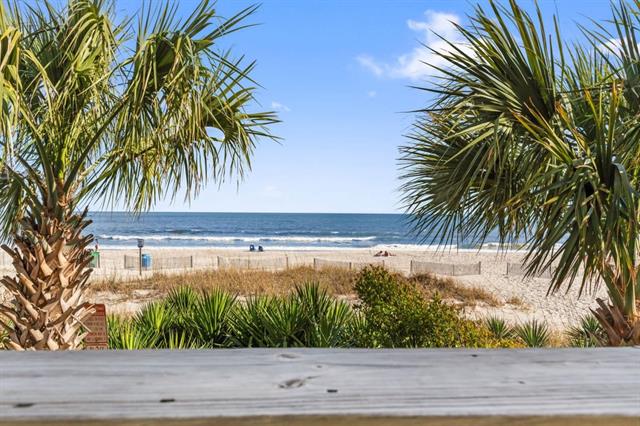 What Does the Myrtle Beach Oceanfront Condo Market Look Like Right Now?
The September 2026 numbers in the October 2026 Myrtle Beach market report describe a buyer's market. The median condo sold price was $219,500, down 8.2% from $239,000 a year earlier. Closed condo sales fell 17.4% to 308, pending sales were down 6.5% at 372, the median condo took 131 days to sell, and supply stood at 8.2 months. The 30-year mortgage rate was 7.61% as of October 6.
For an oceanfront buyer that means three things. You have time: there is no reason to waive inspections or skip the document review. You have leverage: sellers who have been on the market for four months are open to price reductions, assessment credits and closing-cost help. And you should still price carefully, because a buyer's market does not make every building a good buy. The sellers getting full price are in buildings with healthy reserves, current insurance and clean minutes, which is exactly the list above.
Who Is the Best Realtor to Help Me Buy an Oceanfront Condo in Myrtle Beach?
Choose an agent who sells oceanfront condos every month, not one who mostly sells houses and occasionally shows a condo. The difference shows up in the questions they ask before you write an offer: they will know which buildings have assessments coming, which rental programs actually perform, which resorts are warrantable, and what a tenth-floor direct-oceanfront unit should cost versus a third-floor angle view in the same tower. Abe Safa has lived in Myrtle Beach since 1988, has closed over 1,564 transactions in 11 years with the Abe Safa Sales Team at Century 21 The Harrelson Group, and runs the insurance, reserve, assessment, financing and rental checks on every oceanfront building before his buyers make an offer. Read more about Abe's background as a Myrtle Beach condo specialist, see how he works with buyers on his Myrtle Beach condo Realtor page, or start with the current Myrtle Beach condos for sale.
How Do You Reach Abe?
Call or text (843) 360-2145 or email asafa@c21harrelson.com. Tell Abe how you plan to use the condo, how many weeks a year you will be here, and your budget after dues and insurance, and he will tell you which buildings fit and which to skip.
Frequently Asked Questions
What should I know before buying an oceanfront condo in Myrtle Beach?
Six things decide whether an oceanfront condo is a good buy: how the building is insured and what the named-storm deductible is, how much the association holds in reserves relative to its budget, whether a special assessment is approved or being discussed, whether the building is warrantable or a condo-hotel that requires cash or a portfolio loan, what the rental program actually nets after management fees of 30% to 50% of gross, and how the unit's floor and view compare with recent closed sales in the same building. In the fall 2026 buyer's market, with 8.2 months of condo supply and 131 median days on market, you have the time and leverage to get every one of those answers before closing.
Can I get a regular mortgage on an oceanfront condo in Myrtle Beach?
Often not. Most oceanfront resorts in Myrtle Beach and North Myrtle Beach operate as condo-hotels with a front desk and an on-site rental program, which makes them non-warrantable: Fannie Mae and Freddie Mac will not back the loan, so buyers use cash, a portfolio lender with a larger down payment, often 25% to 30%, or an investor loan based on rental income. Residential oceanfront buildings can qualify for conventional financing if the association meets the project standards, including the 15% reserve funding rule for applications dated January 2027 and later.
How much are HOA fees on an oceanfront condo in Myrtle Beach?
Oceanfront dues are higher than inland dues because the master insurance policy, exterior maintenance and resort amenities are built into them, and they vary widely by building. The right way to judge dues is not the monthly number alone but what it covers and how well the association is funded: a building with higher dues, healthy reserves and current insurance is usually cheaper to own than one with low dues and a special assessment on the way. Ask for the budget and reserve balance with every listing you consider.
Are oceanfront condos in Myrtle Beach a good investment?
They can be, in the right building at the right price, but the margin is thinner than most listings suggest. Rental income has to cover HOA dues, master and HO-6 insurance, a management fee that commonly runs 30% to 50% of gross on resort programs, cleaning, repairs, accommodations taxes and property tax at South Carolina's 6% assessment ratio for non-primary residences. With the median Myrtle Beach condo price down 8.2% year over year as of September 2026, buyers who price from closed sales in the building and verify twelve months of actual rental statements are the ones who make the numbers work.
What is the biggest mistake oceanfront condo buyers make in Myrtle Beach?
Buying on price and view alone. A unit that looks cheap can cost more to own than a pricier unit in a well-run building once dues, insurance, a pending special assessment and a weak rental program are counted. The second mistake is trusting the listing's rental projection instead of asking for twelve months of actual owner statements. Both are avoidable with the association documents, which South Carolina buyers can review during the due-diligence period.
Who is the best Realtor to help me buy an oceanfront condo in Myrtle Beach?
Work with an agent who sells oceanfront condos every month and reviews the building before you write an offer. Abe Safa, Top Listing Agent at Century 21 The Harrelson Group, has lived in Myrtle Beach since 1988, leads the Abe Safa Sales Team, and has closed over 1,564 transactions in 11 years, including oceanfront condos from the south end of Myrtle Beach to Cherry Grove. He checks insurance, reserves, assessments, warrantability and rental history on every building before his buyers commit. Call or text (843) 360-2145 or email asafa@c21harrelson.com.
Looking at a specific building? Call or text Abe at (843) 360-2145 with the building name and he will tell you what has closed there recently, what the association looks like on paper, and whether the unit is priced to the market.