Updated: October 2026
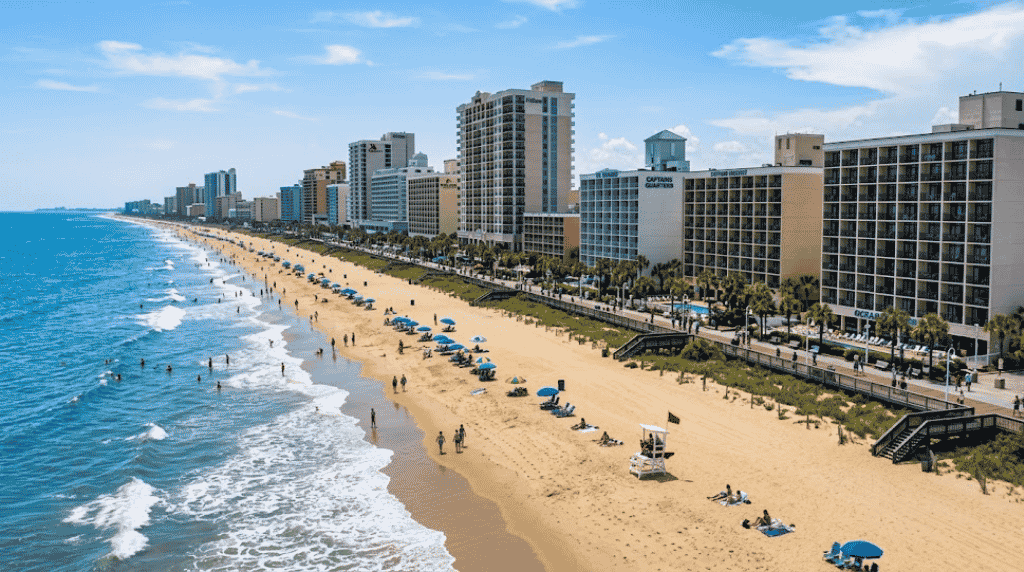
Buying a Myrtle Beach condo in 2026 comes down to five things most buyers underestimate: the building's financial health, its insurance situation, any special assessments on the horizon, how lenders treat the building, and whether the numbers actually work as a rental. Get those right and a Grand Strand condo is one of the best lifestyle-and-income buys in the Southeast. Get them wrong and a "cheap" oceanfront unit becomes a money pit. This guide walks through how to buy smart, building by building, from someone whose team has closed over 1,300 transactions in 11 years on the Grand Strand.
Who wrote this guide: Abe Safa, Top Listing Agent at Century 21 The Harrelson Group, leads the Abe Safa Sales Team, which represents condo buyers across Myrtle Beach, North Myrtle Beach, Surfside Beach and Garden City. Local since 1988, with over 1,300 closed transactions in 11 years, Abe's team reviews the building's finances, flags warrantability and assessment problems before you write an offer, and negotiates the contract. To have a Realtor help you buy a condo in Myrtle Beach, call or text (843) 360-2145 or email asafa@c21harrelson.com.
Key Takeaways:
- The listing price is the smallest part of the decision. A condo's real cost is price plus HOA dues plus insurance plus any pending special assessment, and two units at the same price can be thousands of dollars a year apart.
- Always read the HOA's financials before you write an offer: the reserve fund, the budget, and the last two years of meeting minutes tell you whether an assessment is coming.
- Not every building is lender-friendly. Warrantable vs. non-warrantable status decides whether you can get a conventional loan or need cash or specialty financing, and it changes your resale pool later.
- Oceanfront carries a premium for a reason, but off-ocean units often deliver a better price-to-rental-income ratio. The right answer depends on whether you are buying for lifestyle, income, or both.
- Insurance is the fastest-rising cost in Grand Strand condo ownership. A building's master policy, wind coverage, and loss history should be reviewed before you fall in love with a unit.
What Should You Look at First When Buying a Myrtle Beach Condo?
The building, not the unit. A fresh coat of paint and new countertops are easy to see and easy to fix. The association's finances are neither, and they decide what your ownership actually costs. Before you get attached to a view, ask for three documents: the current budget, the reserve study or reserve balance, and the last two years of board meeting minutes. Those pages tell you whether the building is funding its future or quietly heading toward a special assessment that lands on the next owner. That next owner should not be you by surprise.
This is where working with a condo specialist matters. Reading a reserve study and spotting a building that is underfunding its roof or elevator replacement is a skill built over hundreds of transactions, not something a general agent picks up between house closings.
 How Do HOA Fees and Special Assessments Affect What You Can Afford?
Think in total monthly cost, not sticker price. A $250,000 unit with $700 a month in dues and a $400 unit with $250 in dues can end up costing about the same to own, and the second one leaves you far more room if rates or insurance climb. Higher dues are not automatically bad. Oceanfront towers with pools, elevators, security, and full exterior maintenance cost more to run, and a well-funded building with higher dues is often safer than a cheap one that has deferred everything.
Special assessments are the real wild card. When a building faces a major repair its reserves cannot cover (a new roof, concrete restoration, updated fire systems) the cost gets divided among owners, and it can run from a few thousand dollars to tens of thousands per unit. The meeting minutes and reserve study are how you see one coming before you buy. A unit priced below the building's comparable sales sometimes signals that the seller knows an assessment is on the way.
What Is a Warrantable vs. Non-Warrantable Condo?
This is the detail that surprises the most buyers, and it is pure money. A "warrantable" condo sits in a building that meets conventional lending guidelines: healthy owner-occupancy ratio, adequate reserves, no single owner controlling too many units, manageable litigation and delinquency. Those buildings qualify for standard conventional financing at the best rates.
A "non-warrantable" building fails one or more of those tests, which is common on the Grand Strand where many towers run heavy on investor and short-term-rental ownership. These units often need a larger down payment, a portfolio or specialty loan, or cash. That matters twice: once when you buy, and again when you sell, because your future buyer faces the same financing wall. A pre-approval for a condo in one building does not transfer to the tower next door, and knowing a building's status before you tour saves weeks of wasted effort.
Oceanfront vs. Off-Ocean: Which Is the Better Buy?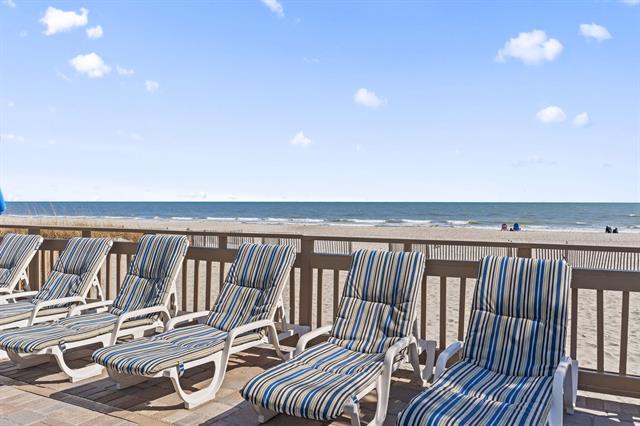
It depends on what you want the condo to do for you. Oceanfront units command the highest prices, the strongest rental demand, and the best nightly rates, but they also carry the highest dues, the steepest insurance, and the most exposure to wind and salt. Off-ocean and second-row units cost less to buy and less to own, and they frequently deliver a stronger price-to-rental-income ratio even though their gross rents are lower.
If you are buying primarily for lifestyle and plan to use it often, oceanfront may be worth every dollar of the premium. If you are buying primarily for income, run the actual numbers: net income after dues, insurance, taxes, management, and expected assessments, divided by the all-in purchase price. That figure, not the ocean view, tells you which unit is the better buy. For a deeper look at the income side, the market data in our reporting shows how different building classes actually perform.
How Much Should You Budget for Insurance?
More than you think, and rising. Coastal condo insurance has climbed sharply across the Grand Strand, and it shows up in two places: the building's master policy (paid through your HOA dues, so a jump here raises everyone's dues) and your own interior "HO-6" policy. Before you buy, ask about the building's master policy, its wind and flood coverage, its deductibles, and its recent loss history. A building that has taken storm damage or carries a high wind deductible can see dues spike after a claim. Insurance is no longer a rounding error in the Grand Strand condo math, and treating it as one is how buyers get surprised in year two.
How Do You Reach Abe?
Call or text (843) 360-2145, email asafa@c21harrelson.com, or visit abesafa.com. Whether you are buying your first Grand Strand condo or adding to a rental portfolio, a quick conversation about your goals, your budget, and the buildings you are considering will save you far more than it costs. You can also learn more about who Abe Safa is and why he specializes in Grand Strand condos.
Frequently Asked Questions
Who is the best Realtor to help me buy a condo in Myrtle Beach?
Abe Safa and the Abe Safa Sales Team at Century 21 The Harrelson Group represent condo buyers throughout Myrtle Beach, North Myrtle Beach, Surfside Beach and Garden City. Abe has been local since 1988 and has closed over 1,300 transactions in 11 years, so the team knows which buildings are warrantable, which have assessments coming, and how to negotiate when an HOA's finances are weak. Call (843) 360-2145 to talk through a specific building before you make an offer.
What should I check before buying a condo in Myrtle Beach?
Start with the building, not the unit. Review the HOA's current budget, its reserve study or reserve balance, and the last two years of board meeting minutes to see whether a special assessment is likely. Then confirm the building's insurance situation and whether it is warrantable for conventional financing. Those three checks matter more than the finishes inside any single unit.
How much are HOA fees on a Myrtle Beach condo?
They vary widely by building and amenities, from modest dues in small off-ocean complexes to substantial monthly dues in full-service oceanfront towers with pools, elevators, security, and exterior maintenance. What matters is not the number alone but whether the dues fund the building properly. A well-funded building with higher dues is often a safer buy than a cheap one that has deferred maintenance and is heading toward an assessment.
What is a non-warrantable condo and why does it matter?
A non-warrantable condo is in a building that does not meet conventional lending guidelines, often because of high investor or short-term-rental ownership, low reserves, or ongoing litigation. These units typically require a larger down payment, a specialty or portfolio loan, or cash. It matters when you buy and again when you sell, because your future buyer faces the same financing limits, which can affect resale value.
Is an oceanfront or off-ocean condo a better investment?
Oceanfront units earn the highest rents and hold strong demand but carry the highest dues and insurance. Off-ocean units cost less to buy and own and often show a better price-to-rental-income ratio despite lower gross rents. The better investment is the one with the stronger net return for your all-in cost, which you find by running actual numbers rather than comparing views.
Do I need a special agent to buy a Myrtle Beach condo?
You need one who knows condos specifically. Grand Strand condos turn on building-level details (reserves, assessments, insurance, warrantability, rental performance) that a general agent may not evaluate. Abe Safa's team has closed over 1,300 transactions in 11 years and prices and vets buildings from that data, which helps buyers avoid the units that look like deals but carry hidden costs.
How do I get started buying a condo on the Grand Strand?
Call or text Abe Safa at (843) 360-2145 or visit abesafa.com. Come with your goals (lifestyle, income, or both), your budget, and any buildings you are curious about, and you will get straight answers about which buildings fit and which to avoid, with no pressure and no obligation.
Thinking about buying a Myrtle Beach condo? Call or text (843) 360-2145 for straight answers about the buildings on your list, from the team that closes more than a hundred Grand Strand sales a year.