 Older oceanfront condos in Myrtle Beach can offer incredible value—lower prices, proven buildings, and established rental histories. But they also come with risks that newer buyers often overlook. Knowing the warning signs before you make an offer can save you from an expensive mistake.
Deferred Maintenance on the Building
Walk the exterior of the building and look for signs of deferred maintenance: spalling concrete, rust staining, peeling paint on balconies, and deteriorating railings. Coastal buildings are subjected to salt air, humidity, and UV exposure year-round. Buildings that haven't kept up with maintenance often face large-scale concrete restoration projects—and the cost gets passed to unit owners as special assessments.
Underfunded Reserve Accounts
Request the HOA's most recent reserve study and financial statements. A healthy reserve fund should cover 70–100% of projected future repair costs. If the reserve is severely underfunded, you're buying into a building where special assessments are likely. This is one of the biggest financial risks in older condo buildings.
History of Special Assessments
Ask for a history of any special assessments in the last 5–10 years. One or two small assessments for routine repairs is normal. Multiple large assessments—especially for roofing, elevators, or structural work—can signal a poorly managed building. Find out whether any assessments are pending at the time of your purchase.
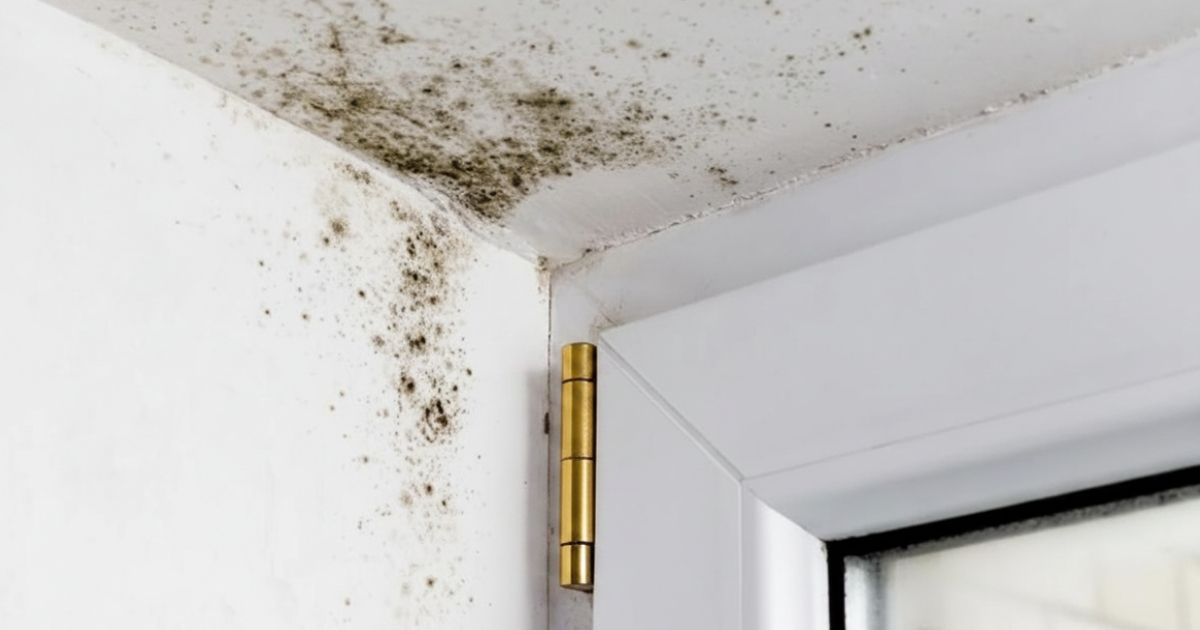 Moisture, Mold, and HVAC Issues
Older oceanfront units are particularly susceptible to moisture intrusion through windows, sliding glass doors, and balcony transitions. During your inspection, look for water staining on ceilings, musty odors, and visible mold around HVAC vents and bathroom walls. An aging PTAC unit (the wall-mounted AC common in resort condos) can be an expensive replacement.
Financing Challenges for Older Buildings
Some lenders restrict financing on older or non-warrantable condo buildings. If you're paying cash, this isn't an issue—but if you need a mortgage, confirm the building is financeable before falling in love with the unit.
Understand the most important step in buying a condo before you begin your search. Browse Myrtle Beach condos for sale across all ages and price ranges. And visit our buyer resources to learn how to evaluate any condo purchase with confidence.
Frequently Asked Questions
What are the biggest red flags when buying an older oceanfront condo in Myrtle Beach?
The most serious red flags include signs of water intrusion or past flooding, deferred maintenance on the building's exterior (concrete spalling, rusting rebar, failing balconies), an underfunded HOA reserve account, and a history of large special assessments. In coastal environments, salt air accelerates structural wear, so buildings that haven't kept up with maintenance can become expensive liabilities quickly. Always review the HOA's financial statements and reserve study before making an offer.
How does an aging building's reserve fund affect my purchase decision?
A poorly funded reserve is one of the most overlooked risks in condo buying. If a building's reserve fund is significantly underfunded relative to its reserve study, it means future owners — including you — will likely face special assessments to cover major repairs. Ask for at least two years of HOA meeting minutes, the most recent reserve study, and current reserve balance. A well-funded reserve above 70% of the recommended amount is a positive sign.
What should I look for in an older condo inspection near the ocean?
Beyond a standard home inspection, older oceanfront condos warrant close scrutiny of HVAC systems (salt air is brutal on equipment), windows and sliding glass doors for seal integrity, balcony and railing conditions, plumbing for corrosion, and any evidence of mold or moisture behind walls. Requesting a milestone inspection report (required for older Florida buildings, and increasingly common in South Carolina) can provide critical structural information.
Are older oceanfront condos harder to insure or finance?
Yes — both can be challenges. Lenders may be reluctant to finance condos in buildings with pending litigation, large deferred maintenance, or inadequate insurance coverage. Some older buildings have also seen insurance costs spike dramatically due to coastal risk, which increases monthly carrying costs for owners. It's important to verify the building's master insurance policy, flood insurance coverage, and whether financing is readily available before falling in love with a specific unit.
Should I hire a specialized inspector for an oceanfront condo?
Absolutely. A general home inspector is a good start, but for older oceanfront buildings you should also consider a structural engineer to assess the building's condition and a licensed contractor familiar with coastal construction. The cost of these additional inspections is minor compared to the potential liability of buying into a building with serious deferred maintenance. A knowledgeable local real estate agent can recommend inspectors with specific coastal condo experience.