Updated: September 2026
Condo insurance trips up more Myrtle Beach buyers than almost any other part of the purchase, because it works completely differently than insuring a house. You are not insuring the whole building; you are insuring your slice of it, and the building's master policy covers the rest. This guide explains exactly how condo insurance works on the Grand Strand, what you actually need, why coastal costs have risen, and how to avoid surprises, from a team that has closed over 1,564 transactions in 11 years.
The short version:
- The building's master policy (paid through your HOA) covers the structure and common areas.
- You carry your own individual policy, called an HO-6, for your unit's interior and your belongings.
- Coastal insurance costs have risen sharply, and that shows up in both HOA fees and your HO-6 premium.
- Always confirm what the master policy covers before you buy, because the gaps become your responsibility.
- Lenders require an HO-6 policy to finance most condos, so budget for it up front.
How Does Condo Insurance Work in Myrtle Beach?
Condo insurance is split into two layers, and understanding the split is the whole game. The first layer is the building's master policy, which the HOA buys and pays for through your monthly fees (part of what your condo HOA fees actually cover). It covers the physical structure, the roof, the exterior walls, and the common areas like hallways, elevators, and pools. The second layer is your own individual policy, known as an HO-6, which covers everything the master policy does not: typically the interior of your unit, your personal belongings, and your liability. Think of it this way: the master policy protects the building, and your HO-6 protects your home inside that building. A house owner buys one policy for everything; a condo owner splits the responsibility with the HOA.
What Is an HO-6 Policy and Do I Need One?
An HO-6 is the individual condo insurance policy you carry as the unit owner, and yes, you almost certainly need one. It covers the parts of your condo the master policy leaves out, which usually includes interior walls, flooring, cabinets, fixtures, your personal property, and personal liability. Just as important, most lenders require proof of an HO-6 policy before they will finance a condo purchase, so it is not optional if you are getting a loan. Even cash buyers should carry one, because without it you have no protection for your belongings or for a liability claim. The cost varies by unit and coverage, but it is a real line item you should budget for alongside your HOA fees and taxes.
What Does the Building's Master Policy Cover?
The master policy covers the building itself, but exactly how far it reaches "into" your unit depends on the type of master policy the HOA carries. Some master policies are "all-in" or "walls-in" and cover the original fixtures and finishes inside your unit, meaning your HO-6 only needs to cover your belongings and upgrades. Others are "bare walls" policies that cover only the structure up to the unstuffed walls, which means your HO-6 has to cover everything inside, including flooring, cabinets, and fixtures. This distinction matters enormously because it changes how much HO-6 coverage you need. Before you buy, always ask what type of master policy the building carries, so you can size your own policy correctly and avoid a dangerous coverage gap.
Why Has Condo Insurance Gotten More Expensive on the Coast?
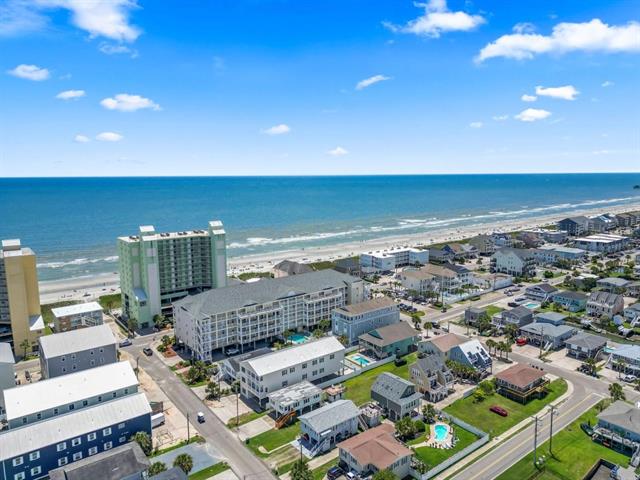
Insurance costs across coastal South Carolina have risen significantly in recent years, and Grand Strand condos feel it from both directions. On the building side, master insurance and windstorm coverage have gotten more expensive, which pushes HOA fees up. On your side, HO-6 premiums have also climbed as the overall insurance market has tightened along the coast. This is simply the current reality of owning near the ocean, and it is one reason the honest advice is to look at the full cost of owning a Myrtle Beach condo, insurance included, rather than just the purchase price. A well-run building that carries strong master coverage and keeps its reserves healthy is worth more than one cutting corners, even if its fees look higher.
How Do I Avoid Condo Insurance Surprises When Buying?
The way to avoid surprises is to gather the facts before you close, not after. Ask for the building's master insurance policy and confirm what it covers and whether it is all-in or bare-walls. Get an HO-6 quote early so you know your real monthly cost. Review the HOA budget to see what the building spends on insurance and whether premiums have spiked. And ask whether the building has had trouble getting or keeping coverage, which can be a red flag. All of this is part of doing your homework before you buy (the full Myrtle Beach condo buyer's guide walks through the rest), and it is all knowable during your due diligence period, and an experienced condo agent knows exactly which documents to request and what the answers mean. Getting it right up front is far cheaper than discovering a coverage gap after a claim.
 How Do You Reach Abe?
Call or text (843) 360-2145, email asafa@c21harrelson.com, or visit abesafa.com. If you are buying a Grand Strand condo and want help reading a building's master policy and understanding your true insurance costs, reach out for a straight, no-pressure conversation.
Frequently Asked Questions
Do I need condo insurance in Myrtle Beach?
Yes. As a condo owner you carry an individual HO-6 policy covering your unit's interior, belongings, and liability, while the building's master policy (paid through your HOA) covers the structure and common areas. Most lenders require an HO-6 to finance a condo, and even cash buyers need one to protect their belongings and against liability claims.
What is an HO-6 policy?
An HO-6 is the individual insurance policy a condo owner carries. It covers what the building's master policy does not, typically interior walls, flooring, cabinets, fixtures, personal property, and personal liability. The exact coverage you need depends on whether the building's master policy is all-in or bare-walls.
What does a condo building's master policy cover?
The master policy covers the building structure, roof, exterior, and common areas like hallways, elevators, and pools. How far it reaches into your unit depends on the type: all-in or walls-in policies cover original interior fixtures, while bare-walls policies cover only the structure, meaning your HO-6 must cover everything inside. Always confirm which type the building carries before buying.
Why is condo insurance so expensive in Myrtle Beach?
Coastal insurance costs across South Carolina have risen significantly in recent years. Building master and windstorm coverage has gotten more expensive, pushing HOA fees up, and individual HO-6 premiums have also climbed as the coastal insurance market tightened. This is why it is smart to evaluate the full cost of ownership, insurance included, not just the purchase price.
How do I avoid condo insurance surprises when buying?
Gather the facts before closing: request the building's master policy and confirm what it covers and whether it is all-in or bare-walls, get an HO-6 quote early, review the HOA budget for insurance spending and premium spikes, and ask whether the building has had trouble keeping coverage. An experienced condo agent knows which documents to request and what the answers mean.
Buying a Grand Strand condo? Call or text (843) 360-2145 for a no-pressure conversation and help understanding a building's insurance and your true cost of ownership before you make an offer, from the team that closes more than a hundred Grand Strand sales a year.