Last updated: September 2026
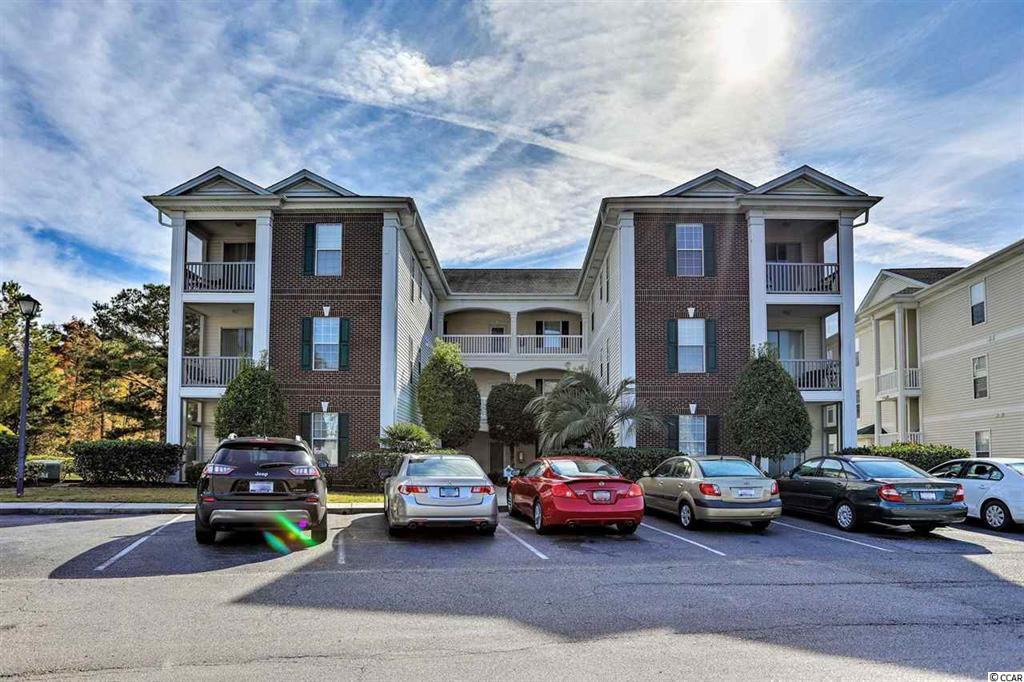
Here is the detail that surprises more Myrtle Beach condo buyers than any other, and it is pure money: whether a building is "warrantable" or "non-warrantable" decides what loan you can get, how much you have to put down, and even how easily you can sell later. Two identical-looking oceanfront units can be worlds apart on financing simply because of the building they sit in. This guide explains what warrantability means on the Grand Strand and how to check it before you fall in love with a unit, from a team that has closed over 1,564 transactions in 11 years.
Key Takeaways:
- A "warrantable" condo meets conventional lending guidelines (Fannie Mae and Freddie Mac), so it qualifies for standard financing at the best rates and lowest down payments.
- A "non-warrantable" condo fails one or more of those tests, which is common on the Grand Strand where many buildings run heavy on investor and short-term-rental ownership.
- Non-warrantable does not mean unbuyable. It means you likely need a larger down payment, a portfolio or specialty loan, or cash.
- Warrantability affects you twice: when you buy, and again when you sell, because your future buyer faces the same financing test.
- You can and should confirm a building's status before you tour or write an offer, which saves weeks of wasted effort and surprise denials.
What Does "Warrantable" Actually Mean?
A warrantable condo is one in a building that meets the guidelines Fannie Mae and Freddie Mac set for conventional loans. When a building checks those boxes, lenders treat it as low-risk, which means buyers can use standard conventional financing, put down as little as 10% in many cases, and get the most competitive interest rates. Most primary-residence condo purchases in stable, owner-occupied buildings are warrantable, and financing them is straightforward.
The tests cover a handful of things: a healthy ratio of owner-occupants to renters, adequate reserve funding in the HOA budget, no single entity owning too large a share of the units, manageable levels of litigation and delinquent dues, and the building being complete and not still under developer control. Miss enough of those and the building tips into non-warrantable territory.
Why Are So Many Myrtle Beach Condos Non-Warrantable?
This is where the Grand Strand is different from a typical residential market. A large share of our oceanfront and resort-style buildings are dominated by investors and short-term rentals rather than full-time residents. That single factor, low owner-occupancy, pushes many desirable buildings into non-warrantable status even when they are beautiful, well-run, and financially sound. Add in buildings with hotel-style rental programs, on-site rental desks, or a high concentration of units owned by one management company, and you have a lot of non-warrantable inventory in exactly the towers buyers want most.
The important thing to understand: non-warrantable is not a red flag about quality. Some of the most sought-after oceanfront buildings on the Grand Strand are non-warrantable purely because of how they are used. It simply changes how you finance the purchase.
How Do You Finance a Non-Warrantable Condo?
You have real options, they just are not the standard conventional loan. The most common path is a portfolio loan, offered by lenders who keep the loan in-house rather than selling it to Fannie or Freddie, so they can set their own rules. These typically ask for a larger down payment, often 20 to 25% or more, and may carry a slightly higher rate, but they make the purchase possible. Cash is the other route, and cash buyers have a real negotiating advantage in non-warrantable buildings because they remove the financing hurdle entirely. Note that condotels are a distinct category from traditional condos, and they are almost always non-warrantable. The key is working with a lender who actually does condo financing on the Grand Strand and knows which buildings need what, rather than discovering the problem after your offer is accepted.
Why Warrantability Matters When You Sell, Too
Here is the part buyers often miss: the building's status follows the unit. If you buy in a non-warrantable building, most of your future buyers will face the same financing limits you did, which shrinks your buyer pool to those with larger down payments or cash. That can affect both how quickly the unit sells and what it sells for. It is not a reason to avoid non-warrantable buildings, many are excellent investments, but it is a reason to go in with eyes open and to factor resale into the decision. A building's warrantability can also change over time as owner-occupancy, reserves, or litigation shift, so it is worth rechecking. This is one of several red flags to watch for when buying an older oceanfront condo.
How Do You Check a Building's Warrantability Before You Buy?
Before you tour seriously or write an offer, this can be confirmed. A lender can run a condo questionnaire with the HOA that answers the key questions: owner-occupancy ratio, reserve funding, investor concentration, litigation, and delinquencies. An experienced local agent often already knows the general status of the major buildings and can steer you toward the right financing from the start. Doing this early is the difference between a smooth closing and finding out three weeks in that your conventional pre-approval does not work for the building you chose. On the Grand Strand, knowing a building's status up front is one of the most valuable things a condo buyer can do. For the full process, see our ultimate guide to buying an oceanfront condo in Myrtle Beach.
How Do You Reach Abe?
Call or text (843) 360-2145, email asafa@c21harrelson.com, or visit abesafa.com. Before you commit to a condo, a quick conversation about the building's financing status can save you weeks and real money. You can also read the full Myrtle Beach condo buyer's guide for 2026 or learn about who Abe Safa is and why he specializes in Grand Strand condos.
Frequently Asked Questions
What is the difference between a warrantable and non-warrantable condo?
A warrantable condo is in a building that meets Fannie Mae and Freddie Mac guidelines, so it qualifies for conventional financing at the best rates and lowest down payments. A non-warrantable condo fails one or more of those tests, usually due to low owner-occupancy, high investor concentration, inadequate reserves, or ongoing litigation, and typically requires a larger down payment, a portfolio loan, or cash.
Can I get a mortgage on a non-warrantable condo in Myrtle Beach?
Yes. The most common route is a portfolio loan from a lender who keeps the loan in-house, which usually asks for 20 to 25% down or more and may carry a slightly higher rate. Cash is the other option and carries a negotiating advantage. The key is using a lender who actively finances Grand Strand condos and knows the buildings.
Why are so many oceanfront condos in Myrtle Beach non-warrantable?
Because many Grand Strand oceanfront and resort buildings are dominated by investors and short-term rentals rather than full-time residents. Low owner-occupancy alone can make a building non-warrantable, even when it is well-run and financially sound. Hotel-style rental programs and high single-owner concentration add to it.
Does a condo being non-warrantable mean it is a bad investment?
No. Non-warrantable status reflects how a building is used and financed, not its quality. Many of the most desirable oceanfront buildings are non-warrantable. It does mean you should factor in the larger down payment or cash requirement, and consider that future buyers face the same financing test, which affects resale.
How do I find out if a condo building is warrantable before I buy?
A lender can run a condo questionnaire with the HOA covering owner-occupancy, reserves, investor concentration, litigation, and delinquencies. An experienced local agent often already knows the general status of major buildings. Confirming this before you write an offer prevents a failed conventional pre-approval weeks into the process.
Does warrantability change over time?
Yes. A building's status can shift as owner-occupancy ratios, reserve funding, delinquencies, or litigation change. A building that is warrantable today could become non-warrantable later, or vice versa, which is why it is worth rechecking rather than assuming.
Thinking about buying a Grand Strand condo? Call or text (843) 360-2145 for straight answers on any building's financing status, from the team that closes more than a hundred Grand Strand sales a year.