Updated: September 2026
One of the biggest decisions a Myrtle Beach condo buyer faces is oceanfront versus second-row, and it is not simply "oceanfront is better." Each comes with real tradeoffs in price, rental income, cost of ownership, and lifestyle. This guide breaks down the honest pros and cons of each so you can decide which actually fits your goals, from a team that has closed over 1,564 transactions in 11 years.
The short version:
- Oceanfront costs more to buy, more to insure, and usually has higher HOA fees, but commands the strongest rental demand and resale appeal.
- Second-row (across the street or a building back) costs less and often cash-flows better relative to price, with many units still offering ocean views.
- If maximum rental income and prestige matter most, oceanfront usually wins.
- If value, lower carrying costs, and a smart entry point matter most, second-row is often the better buy.
- The right answer depends on your budget and goal, not on a blanket rule.
What Is the Difference Between Oceanfront and Second-Row Condos?
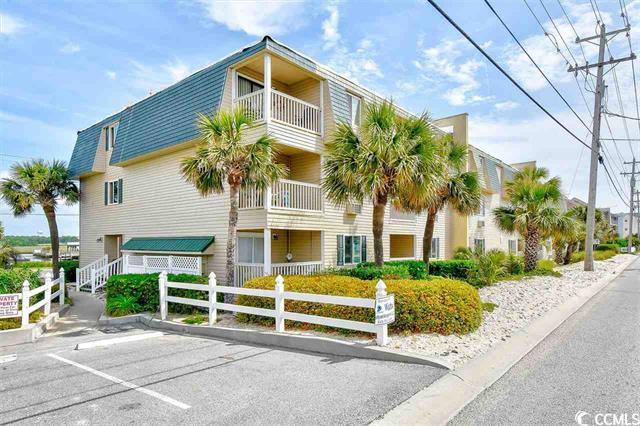
An oceanfront condo sits directly on the beach, with the building facing the water and no structures between it and the ocean. A second-row condo is one building or one street back from the oceanfront, often across Ocean Boulevard or directly behind a front-row building. The distinction sounds small, but it drives real differences in price, views, rental performance, insurance, and HOA costs. Many second-row buildings still offer partial or even full ocean views from upper floors, which is why the second-row category is worth serious consideration rather than being dismissed as "not the beach." The choice between them is really a choice about what you are optimizing for, and it is one of the first things covered in the Myrtle Beach condo buyer's guide.
Is an Oceanfront Condo Worth the Premium?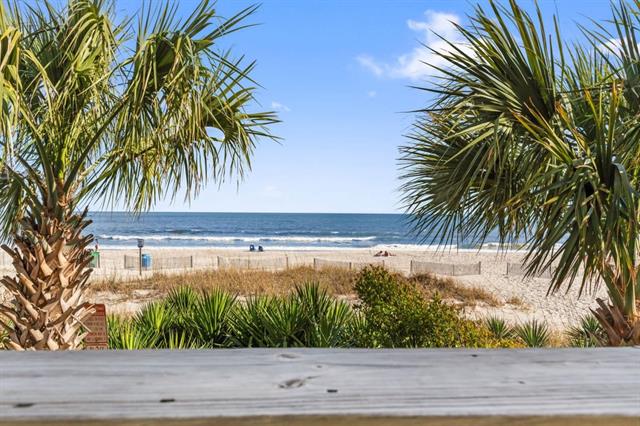
Oceanfront condos carry a clear price premium, and whether it is worth it depends on your goal. On the plus side, oceanfront units command the strongest rental demand on the Grand Strand, the highest nightly rates, and the broadest resale appeal, because "directly on the beach" is what most vacationers and buyers want. If your priority is maximizing rental income or owning the most desirable, easiest-to-resell asset, the premium often pays for itself. The trade-off is cost in every direction: a higher purchase price, higher HOA fees, and higher insurance because of the coastal exposure. Oceanfront is the premium product, and for the right buyer with the right goal, it is genuinely worth it, but it is not automatically the smartest financial play for everyone.
Why Do Buyers Choose Second-Row Condos?
Second-row condos are often the value play, and savvy buyers choose them for good reasons. They typically cost meaningfully less than comparable oceanfront units, which means a lower purchase price, usually lower HOA fees, and often lower insurance. Because the price is lower while nightly rental rates can still be solid, second-row units frequently cash-flow better relative to what you pay for them. And many second-row buildings, especially on higher floors, still deliver real ocean views and are just a short walk to the sand. For a buyer focused on getting into the market at a smart price, keeping carrying costs manageable, or maximizing return relative to investment, second-row is often the better buy even though it lacks the front-row address.
Which Rents Better: Oceanfront or Second-Row?
Oceanfront generally rents better in absolute terms. Vacationers will pay a premium to step directly onto the beach, so oceanfront units command higher nightly rates and tend to book more consistently in peak season. However, "rents better" and "better investment" are not the same thing. Because second-row units cost so much less to buy, their return relative to price can actually be stronger, even if the raw rental numbers are lower. The honest way to compare is not just gross rental income, but income measured against total cost, purchase price plus insurance plus HOA fees. When you run it that way, oceanfront wins on prestige and top-line revenue, while second-row often wins on efficiency and entry cost. The right pick depends on which of those you value.
How Do I Decide Between Oceanfront and Second-Row?
Start with your goal, because that determines the answer. If you want the premier asset, the strongest rental demand, and the easiest resale, and the higher costs fit your budget, oceanfront is likely your pick. If you want a smarter entry price, lower carrying costs, and potentially better return relative to investment, and you are comfortable being a short walk from the sand, second-row is likely the better buy. From there, it comes down to the specific building and unit: the view, the floor, the HOA health, the rental rules, and what is actually selling. This is exactly where local expertise matters, because the "better buy" is rarely obvious from a listing photo. An experienced Grand Strand condo agent can compare real options against your goal and show you where the genuine value is.
How Do You Reach Abe?
Call or text (843) 360-2145, email asafa@c21harrelson.com, or visit abesafa.com. If you are weighing oceanfront versus second-row and want help finding the genuine value for your goal, reach out for a straight, no-pressure conversation.
Frequently Asked Questions
What is the difference between oceanfront and second-row condos in Myrtle Beach?
An oceanfront condo sits directly on the beach with nothing between it and the water. A second-row condo is one building or street back, often across Ocean Boulevard. Oceanfront costs more and commands stronger rental and resale demand, while second-row costs less, often has lower fees and insurance, and many upper-floor units still offer ocean views.
Is an oceanfront condo worth the premium?
It depends on your goal. Oceanfront commands the strongest rental demand, highest nightly rates, and broadest resale appeal, so the premium often pays off if maximizing income or owning the most desirable asset matters most. The trade-off is a higher purchase price, higher HOA fees, and higher insurance from coastal exposure.
Why do buyers choose second-row condos?
Second-row condos typically cost less, with lower HOA fees and insurance, and often cash-flow better relative to price since nightly rates can still be solid. Many second-row buildings, especially higher floors, still offer ocean views and are a short walk to the sand. For value-focused buyers, second-row is often the better buy.
Which rents better, oceanfront or second-row?
Oceanfront generally rents better in absolute terms, with higher nightly rates and more consistent peak-season bookings. But because second-row costs much less to buy, its return relative to price can be stronger. Oceanfront wins on prestige and top-line revenue; second-row often wins on efficiency and entry cost. The best pick depends on which you value.
How do I decide between oceanfront and second-row?
Start with your goal. Choose oceanfront for the premier asset, strongest rental demand, and easiest resale if the higher costs fit your budget. Choose second-row for a smarter entry price, lower carrying costs, and potentially better return relative to investment. From there it comes down to the specific building, view, floor, HOA health, and rental rules, where local expertise matters most.
Weighing oceanfront versus second-row? Call or text (843) 360-2145 for a no-pressure conversation and help finding the real value for your goal, from the team that closes more than a hundred Grand Strand sales a year.