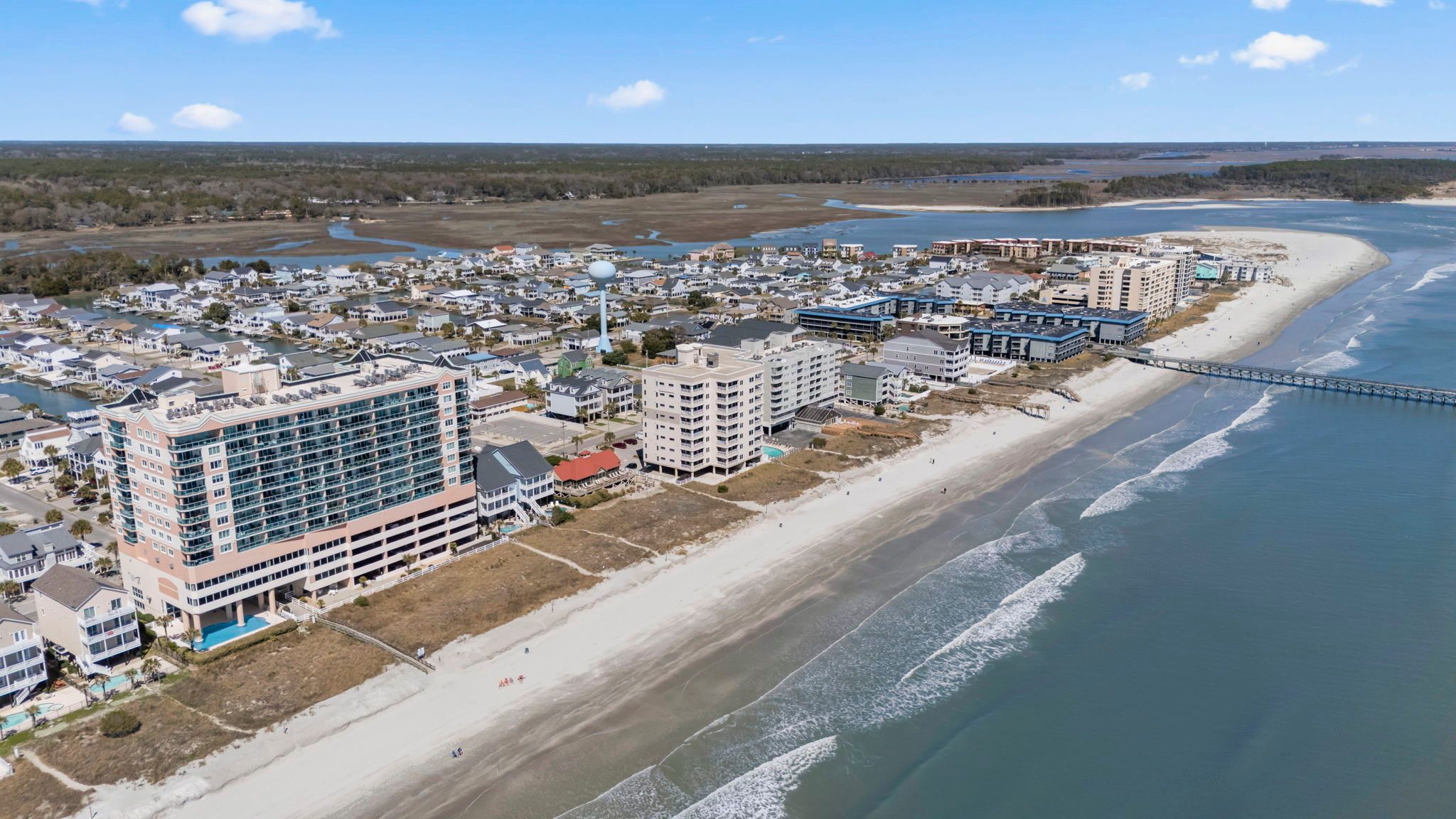
Updated: October 2026
Thinking about buying a Myrtle Beach condo as an investment? It can be a genuinely good one, but only if you go in with the real numbers rather than the brochure version. Rental income, HOA fees, insurance, management, vacancy, and financing all shape whether a condo actually makes money. This guide walks through the honest math of buying a Grand Strand condo as an investment so you can decide with clear eyes, from a team that has closed over 1,564 transactions in 11 years.
The short version:
- Myrtle Beach condos can produce real rental income thanks to strong tourism, but returns vary widely by building and location.
- The number that matters is net cash flow after HOA fees, insurance, management, taxes, maintenance, and vacancy, not gross rent.
- Oceanfront and near-beach units in buildings that allow short-term rentals earn the most but cost more to own.
- Financing an investment condo usually requires a larger down payment and depends on the building being warrantable.
- Run the actual numbers on a specific unit before you commit; a local condo specialist can help you do it honestly.
Is a Myrtle Beach Condo a Good Investment?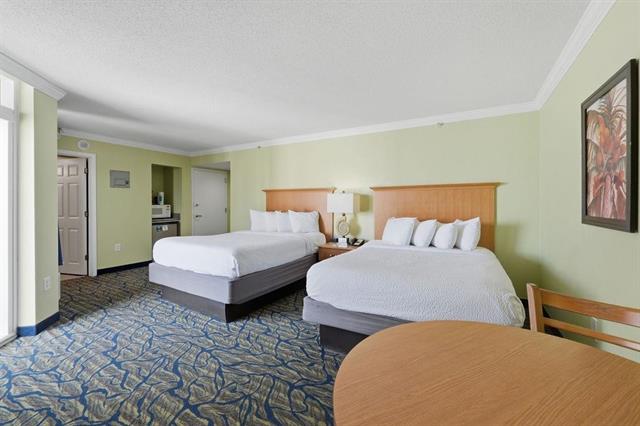
It can be, and many owners do well, but the honest answer depends entirely on the specific unit, building, and how you run it. Myrtle Beach has a strong tourism economy and steady demand for vacation rentals, which gives condo investors a real income opportunity that inland markets lack. At the same time, condos carry ongoing costs that eat into returns, and the current market has more inventory and more selective buyers than the peak years, which affects both your purchase price and your eventual resale. The investors who succeed buy the right unit in the right building at the right price and manage it well. The ones who struggle bought on gross-rent projections without accounting for the full cost of ownership. The difference is almost always the math, which is what the rest of this guide covers.
How Much Rental Income Can a Myrtle Beach Condo Actually Make?
Rental income varies enormously, so be skeptical of any single headline number. The biggest drivers are location (oceanfront and near-beach units earn far more than inland), the building's rental policy (short-term vacation rentals earn more than long-term leases, but only in buildings that permit them), unit size and condition, and seasonality, since the Grand Strand is busiest in summer and slower in winter. A well-located, well-run oceanfront unit can generate meaningful gross revenue in a good year; an inland unit restricted to long-term leases earns a steady but much lower amount. The smart approach is to look at actual booking history for comparable units in the specific building you are considering, not market-wide averages. That real data is what you should base your projections on.
What Does It Really Cost to Own an Investment Condo?
This is where most first-time condo investors get surprised, because the costs go well beyond the mortgage. You will pay monthly HOA fees, which on the coast often cover building insurance, amenities, and maintenance and can be substantial; your own HO-6 condo insurance policy; property taxes, which are higher on a non-owner-occupied investment property in South Carolina; utilities; rental management fees if you use a manager (a meaningful percentage of revenue); ongoing maintenance and furnishing replacement from renter wear; and periodic special assessments if the building needs major work. Our guide to what it really costs to own a Myrtle Beach condo breaks these down in detail. Only after subtracting all of them from your rental income do you know your true cash flow.
How Do I Calculate Whether a Condo Will Cash Flow?
Start with realistic gross rental income based on comparable units' actual history, then subtract a vacancy allowance, because no unit rents every night of the year. From that net rental income, subtract all the ownership costs above: HOA fees, insurance, taxes, management, utilities, maintenance, and a reserve for assessments. What remains is your net operating income. Then subtract your mortgage payment to get your cash flow. If that number is positive, the unit pays for itself; if it is negative, you are subsidizing it monthly and betting on appreciation and personal use to justify it, which can be fine for a second home but is a different proposition than a pure investment. Running this honestly, with real numbers for a specific unit, is the single most important step before you buy.
Which Myrtle Beach Condos Make the Best Investments?
The strongest investment condos usually share a few traits: a location buyers and renters want, most often oceanfront or close to the beach; a building that allows short-term rentals and has a healthy, well-run HOA with solid reserves and no looming assessments; a unit size that rents well (two bedrooms tend to be the sweet spot for vacation renters); and a purchase price that leaves room for positive cash flow. The building matters as much as the unit, since a struggling HOA can turn a good unit into a bad investment through fees and assessments. Our comparison of oceanfront versus second-row condos is a useful starting point for weighing location against price, since second-row units can offer better cash flow at a lower entry cost.
How Does Financing an Investment Condo Work?
Financing an investment condo is different from financing a primary home. Lenders typically require a larger down payment for an investment property, charge a somewhat higher rate, and will scrutinize the building closely. Whether the building is warrantable, meaning it meets lender guidelines on owner-occupancy ratios, reserves, insurance, and litigation, determines whether you can get conventional financing or need a specialized loan with more money down. This is why you should talk to a lender experienced in Grand Strand condos before you fall in love with a unit, and why understanding warrantable versus non-warrantable condos up front saves real heartache. Your financing terms directly affect your cash flow, so they belong in the math from the start.
How Do You Reach Abe?
Call or text (843) 360-2145, email asafa@c21harrelson.com, or visit abesafa.com. If you are considering a Grand Strand condo as an investment, reach out for a straight, no-pressure conversation and help running the real numbers on a specific unit and building.
Frequently Asked Questions
Is buying a condo in Myrtle Beach a good investment?
It can be, thanks to strong tourism and vacation-rental demand, but it depends on the specific unit, building, purchase price, and how you run it. Investors who succeed buy the right unit in a well-run building at a price that leaves room for positive cash flow. Those who struggle bought on gross-rent projections without accounting for the full cost of ownership.
How much rental income can a Myrtle Beach condo make?
It varies widely by location, building rental policy, unit size, condition, and season. Oceanfront and near-beach units in buildings that allow short-term rentals earn the most; inland long-term-lease units earn steadily but far less. Base projections on actual booking history for comparable units in the specific building, not market averages.
What does it cost to own an investment condo in Myrtle Beach?
Beyond the mortgage: monthly HOA fees, HO-6 insurance, higher non-owner-occupied property taxes, utilities, rental management fees, ongoing maintenance and furnishing replacement, and periodic special assessments. Subtract all of these from rental income to find your true cash flow.
How do I know if a condo will cash flow?
Take realistic gross rent, subtract a vacancy allowance, then subtract all ownership costs to get net operating income, then subtract the mortgage payment. If the result is positive, the unit pays for itself; if negative, you are subsidizing it and relying on appreciation and personal use. Run this with real numbers for a specific unit before buying.
Is financing an investment condo different?
Yes. Lenders typically require a larger down payment and a somewhat higher rate for investment properties and scrutinize the building closely. Whether it is warrantable determines whether you can get conventional financing or need a specialized loan. Talk to a lender experienced in Grand Strand condos early, since financing terms directly affect cash flow.
Considering a condo as an investment? Call or text (843) 360-2145 for a no-pressure conversation and help running the real numbers on a specific unit, from the team that closes more than a hundred Grand Strand sales a year.