
Last updated: September 2026
The listing price is the smallest part of what a Myrtle Beach condo actually costs you. Between HOA dues, insurance, property taxes, special assessments, and maintenance, two units at the same purchase price can be thousands of dollars a year apart to own. If you are buying a Grand Strand condo, especially from out of state, understanding the full monthly and annual cost is the difference between a smart buy and an expensive surprise. Here is the complete breakdown, from a team that has closed over 1,564 transactions in 11 years.
Key Takeaways:
- True cost of ownership = mortgage + HOA dues + insurance (yours and your share of the building's) + property taxes + a reserve for special assessments + maintenance.
- HOA dues vary enormously by building, from modest in small off-ocean complexes to substantial in full-service oceanfront towers, and higher dues are not automatically bad if they fund the building well.
- Coastal insurance is the fastest-rising cost on the Grand Strand and now shows up both in your own HO-6 policy and inside your HOA dues via the building's master policy.
- Property taxes hit second homes and investment condos at a higher rate than primary residences in South Carolina, which out-of-state buyers often underestimate.
- The smartest buyers budget for a potential special assessment before they buy, not after one is announced.
What Really Goes Into the Cost of Owning a Condo?
When people ask what a condo costs, they usually mean the purchase price. But the number that actually matters for your budget is the all-in cost of ownership, and it has six parts: your mortgage payment, your monthly HOA dues, insurance (both your interior policy and your share of the building's master policy), property taxes, a set-aside for eventual special assessments, and ongoing maintenance and furnishing costs. Miss any one of these in your planning and the condo will cost more than you expected. Add them all up front and you make a clear-eyed decision.
 How Much Are HOA Dues in a Myrtle Beach Condo?
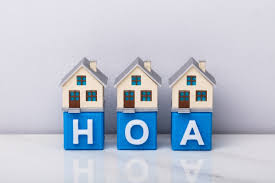
This is the biggest variable, and it ranges widely. A small off-ocean complex with few amenities might have modest monthly dues, while a full-service oceanfront tower with pools, elevators, security, on-site management, and full exterior maintenance can carry substantial dues. The instinct is to see high dues as bad, but that is the wrong lens. What matters is whether the dues actually fund the building. A well-run building with higher dues and healthy reserves is often a safer, cheaper buy over time than a cheap building that has deferred maintenance and is heading toward a big assessment. Always look at what the dues cover and whether the reserves are funded before judging the number. It also helps to understand how amenities impact the resale value of your Grand Strand condo.
Why Is Insurance Such a Big Cost Now?
Coastal condo insurance has climbed sharply across the Grand Strand, and it hits your budget in two places. First is your own interior policy, called an HO-6, which covers everything inside your walls. Second, and larger, is the building's master policy, which insures the structure and is paid through your HOA dues, so when the building's insurance jumps, your dues go up with it. Before you buy, it is worth understanding the building's master policy, its wind and flood coverage, its deductibles, and its recent claims history, because a building that has taken storm damage or carries a high wind deductible can see dues spike after a claim. Insurance is no longer a rounding error in the Grand Strand condo math. We cover this in depth in how insurance rates are affecting Myrtle Beach condo ownership today.
What About Property Taxes on a Condo?
This is where out-of-state buyers get caught off guard. In South Carolina, a primary residence is taxed at a much lower assessment ratio than a second home or investment property. If your Myrtle Beach condo is not your primary residence, and for most condo buyers here it is a vacation place or a rental, it is taxed at the higher rate, which meaningfully raises your annual cost. It is essential to calculate your taxes at the correct rate for how you will actually use the unit, not the primary-residence rate you might see quoted, so your budget reflects reality.
How Should You Budget for Special Assessments?
A special assessment is a one-time charge levied on owners when the building faces a major repair its reserves cannot cover, a new roof, concrete restoration, updated fire systems, and it can run from a few thousand to tens of thousands of dollars per unit. The smartest buyers do two things: they review the building's reserve study and recent board meeting minutes before buying to gauge whether an assessment is likely, and they set aside a reserve of their own so a future assessment is a manageable event rather than a crisis. A unit priced below the building's comparables sometimes signals the seller knows an assessment is coming, which is exactly why reading the documents before you buy protects you. For a fuller explanation, see demystifying condo assessments and special HOA fees in Myrtle Beach.
Putting It All Together: The Real Monthly Number
To know what a condo truly costs you, add it up: mortgage, plus HOA dues, plus your HO-6 insurance, plus property taxes at your actual use rate, plus a monthly set-aside for assessments and maintenance. That total, not the purchase price, is what you are really signing up for, and it is the number to compare across units. Two condos at the same list price can differ by hundreds of dollars a month once you run the full math, and the cheaper one to buy is sometimes the more expensive one to own. Running this calculation on every unit you seriously consider is one of the most valuable things a Grand Strand condo buyer can do.
How Do You Reach Abe?
Call or text (843) 360-2145, email asafa@c21harrelson.com, or visit abesafa.com. Before you buy, we can run the true cost of ownership on any building you are considering so there are no surprises. You can also read the full Myrtle Beach condo buyer's guide for 2026 or learn about who Abe Safa is and why he specializes in Grand Strand condos.
Frequently Asked Questions
What is the true cost of owning a condo in Myrtle Beach?
Beyond the purchase price, plan for your mortgage, monthly HOA dues, insurance (your interior HO-6 policy plus your share of the building's master policy through dues), property taxes at your actual use rate, a set-aside for special assessments, and ongoing maintenance. That all-in total, not the list price, is the real cost, and it can vary by hundreds of dollars a month between similar units.
How much are HOA fees on a Myrtle Beach condo?
They range widely by building and amenities, from modest in small off-ocean complexes to substantial in full-service oceanfront towers with pools, elevators, security, and exterior maintenance. What matters more than the number is whether the dues fund the building properly. A well-funded building with higher dues is often a safer, cheaper long-term buy than a cheap one with deferred maintenance.
Why is condo insurance so expensive in Myrtle Beach?
Coastal insurance has risen sharply and hits in two places: your own HO-6 interior policy and the building's master policy, which is paid through your HOA dues. When the building's insurance jumps, your dues rise with it. Buildings with storm-damage history or high wind deductibles can see dues spike after a claim, so it is worth reviewing the master policy before buying.
Are property taxes higher on a Myrtle Beach second home?
Yes. South Carolina taxes primary residences at a much lower assessment ratio than second homes and investment properties. Because most Myrtle Beach condos are vacation homes or rentals rather than primary residences, they are taxed at the higher rate, which out-of-state buyers often underestimate. Always calculate taxes at the rate for how you will actually use the unit.
How much should I budget for a special assessment?
Special assessments can range from a few thousand to tens of thousands of dollars per unit for major repairs. Rather than a fixed number, the smart approach is to review the building's reserve study and meeting minutes before buying to gauge the risk, and to keep your own reserve so an assessment is manageable. A below-market price can sometimes signal a known upcoming assessment.
How do I calculate the total monthly cost of a specific condo?
Add your estimated mortgage payment, the building's monthly HOA dues, your HO-6 insurance, property taxes at your actual use rate divided by twelve, and a monthly set-aside for assessments and maintenance. That total is the true monthly cost. Comparing this number across units, rather than the purchase price, reveals which condo is actually more affordable to own.
Thinking about buying a Grand Strand condo? Call or text (843) 360-2145 and we will run the true cost of ownership on any building, from the team that closes more than a hundred Grand Strand sales a year.