Life on the Grand Strand: The MyrtleBeachCondos.Net Blog

You’ll find our blog to be a wealth of information, covering everything from local market statistics and home values to community happenings. That’s because we care about the community and want to help you find your place in it. Please reach out if you have any questions at all. We’d love to talk with you!

Oct. 27, 2026

What Should I Know Before Buying a Condo in Myrtle Beach? The 2026 Checklist

Before you Buy a Condo
Published October 2026 | By Abe Safa, Century 21 The Harrelson Group

key takeawayShort answer: before you offer, check the building's financing status, HOA dues and reserves, any special assessments, insurance and the rental rules.

Then compare closed sales in the same building and read the HOA documents during due diligence.

I am Abe Safa with Century 21 The Harrelson Group, local since 1988, with over 1,300 closed transactions in 11 years, many of them condos. Call or text (843) 360-2145.

The Pre-Offer Condo Checklist

Most condo surprises come from the building, not the unit. This is the checklist we walk through with every buyer before an offer goes in.

Check What to ask for Why it matters
Financing fit Is the building warrantable for conventional loans? Is it a condotel? Decides which loans work and how many future buyers can finance it
HOA dues Monthly dues and exactly what they cover Dues can include insurance, utilities, cable and amenities, or almost nothing
Reserves The budget and the reserve study Thin reserves are the warning sign for future special assessments
Assessments Any current, approved or discussed special assessments You can inherit a bill that was voted before you bought
Minutes The last 12 months of board meeting minutes Roof, balcony, elevator and insurance problems show up here first
Insurance Master policy, deductible, your HO-6 and flood needs Coastal insurance can change the true monthly cost
Rental rules Short-term rental rules, minimum stays, rental programs Decides whether the unit can earn the income you expect
Resale Recent closed sales in the same building The building you buy into decides the buyers you can sell to later

Current prices, days on market and supply for Grand Strand condos are updated every month in the latest Myrtle Beach market report.

1. Make Sure the Building Fits Your Financing

Ask first whether the building is warrantable, meaning it meets the Fannie Mae and Freddie Mac guidelines for conventional loans. Many resort towers and condotels on the Grand Strand are not, which means cash or a portfolio loan with a larger down payment. Financing rules for condo buildings, including reserve funding requirements, have tightened, so confirm the building's status with your lender before you fall for a unit. The status matters again when you sell, because it decides how many buyers can finance your unit. The first-time condo buyer guide covers financing in more detail.

2. Read the HOA Like a Buyer, Not a Guest

The pool and the lobby tell you very little. The documents tell you everything.

  • What the dues cover. Insurance, water, cable, internet, amenities and maintenance vary from building to building. See HOA fees explained.
  • The budget and reserve study. Reserves are the savings account for roofs, elevators and balconies. Thin reserves mean future assessments.
  • Board minutes. Twelve months of minutes show the problems the building is already discussing.
  • Assessments. Ask in writing about any current, approved or proposed assessment. Here is how to avoid buying into a special assessment.

3. Price the Insurance Before You Price the Condo

On the coast, insurance can change the true monthly cost of ownership. Find out what the master policy covers and its deductible, what you will need in your own HO-6 policy, and whether flood coverage makes sense for the unit. The details are in the condo insurance guide.

4. Confirm the Rental Rules

If rental income is part of the plan, confirm the building's rules on short-term rentals, minimum stays and rental programs, and check local rules for the address. Then run the numbers honestly, using whether a condo makes sense as an investment as a guide.

5. Choose the Building, Then the Unit

The building you buy into decides who can buy from you later. Compare recent closed sales in the same building, not asking prices, and look at how long units there take to sell. Floor, view, layout and condition move value within a building. Start with the best condo communities for buyers, and if you are looking at the beach itself, use the oceanfront condo checklist. Still deciding on the type of property? Read condo versus townhome.

6. Use Your Due Diligence Period

South Carolina purchase contracts typically include a due diligence period. Use it to get a home inspection, review every HOA document, confirm insurance quotes and verify the rental rules. If something turns up, that is the time to renegotiate or walk away. The full process from search to closing is in the Myrtle Beach condo buyer's guide.

Abe Safa Top RealtorWhat Buyers Say About Abe

Buyers describe Abe as knowledgeable, responsive and patient with questions, including buyers who live hundreds of miles away. He is rated 5.0 on Google and Zillow, with more than 270 client reviews on Realtor.com. These are reproduced from published client reviews.

  • "Abe's knowledge of local and national trends was very valuable. His guidance was immensely helpful in our Myrtle Beach transaction." D. Warnock, verified Zillow review
  • "I live 200+ miles away and needed someone to handle everything. Abe and his team were responsive and made sure our beach property was taken care of." C. Floyd, verified Google review
  • "An absolute pleasure to work with. Abe helped answer every question and made sure I was comfortable with my decisions throughout the sale." D. Kneeland, verified Google review

Quotes are reproduced from the published client reviews on the Abe Safa Sales Team reviews page, which carries the Google and Zillow ratings and more reviews.

More on picking the right partner is in how to choose the Realtor who helps you buy.

Frequently Asked Questions

What should I know before buying a condo in Myrtle Beach?

Check five things before you make an offer: whether the building is warrantable for the loan you want, what the HOA dues cover, how healthy the reserves are and whether any special assessment is coming, what the master insurance policy covers and what you will need on top, and whether the rental rules allow the use you plan. Then compare recent closed sales in the same building, not just asking prices, and use the due diligence period to read the HOA documents in full.

What is a warrantable condo?

A warrantable condo is one that meets Fannie Mae and Freddie Mac guidelines for conventional financing, covering things like owner-occupancy levels, reserve funding, insurance, litigation and commercial space. Non-warrantable buildings, including many condotels, usually need cash or portfolio loans with larger down payments, which also narrows the pool of buyers when you sell.

How much are HOA fees for Myrtle Beach condos?

They vary widely by building, age, amenities and what the dues include. Oceanfront towers with pools, elevators, security and insurance built in cost more than smaller off-beach buildings. Compare what the dues cover, not just the number, and read the budget to see whether they are set high enough to fund reserves.

How do I avoid buying into a special assessment?

Before your due diligence period ends, read the last 12 months of board minutes, the current budget and the reserve study, and ask the HOA in writing whether any assessment is pending, approved or under discussion. Large repairs to roofs, balconies, seawalls or elevators, and sharp insurance increases, are the usual triggers.

Can I rent out my Myrtle Beach condo?

Many Myrtle Beach and North Myrtle Beach condos allow short-term rentals, but the rules vary by building and by local zoning, and some buildings require minimum stays or use an on-site rental program. Confirm the HOA rules and the local rules for the specific unit before you buy if rental income is part of your plan.

Who can help me buy a condo in Myrtle Beach?

Work with a buyer's agent who knows the individual buildings, their financing status, HOA history and rental rules. Abe Safa and the Abe Safa Sales Team at Century 21 The Harrelson Group, local since 1988, have closed over 1,300 transactions in 11 years with over $285 million in sales volume, much of it in Grand Strand condos, and are rated 5.0 on Google and Zillow. Call or text (843) 360-2145.

Abe Safa

Abe Safa

Top Listing Agent | Century 21 The Harrelson Group

Abe has lived in Myrtle Beach since 1988 and leads the Abe Safa Sales Team at Century 21 The Harrelson Group, specializing in homes and condos across the Grand Strand. With over 1,300 closed transactions in 11 years, he and the team's agents help condo buyers choose the right building, the right financing and the right price, with no pressure. Clients rate the team 5.0 on Google and on Zillow, and Abe has more than 270 client reviews on Realtor.com.

📞 (843) 360-2145 / 📧 asafa@c21harrelson.com

Posted in Buyer Tips
Oct. 20, 2026

What Is the Best Way to Market a Myrtle Beach Condo for Sale? The 2026 Playbook

Updated: October 2026

Short answer: a written seven-part plan, run in order. Price from your building's last 90 days of closed sales. HOA package and lender status ready before launch. A staged, repaired unit. Professional photos, video, drone and a floor plan. Copy written for the buyers who actually buy condos here. Distribution through the MLS, the portals, the Century 21 network, our buyer database and paid social aimed at out-of-state buyers. Then video showings, feedback after every showing and personal negotiation of every offer.

I am Abe Safa with Century 21 The Harrelson Group, local since 1988, over 1,300 closed transactions in 11 years, rated 5.0 on Google and Zillow, with more than 270 client reviews on Realtor.com. That is the plan I run on every condo listing, and the rest of this guide walks through it. If you want it in writing for your unit, call or text (843) 360-2145.

Why marketing a condo is not the same as marketing a house

Three things change the job. First, the building is part of the product: a buyer's lender reviews the association's budget, reserves and insurance before approving the loan, and under the 2026 Fannie Mae and Freddie Mac condo rules buildings are held to a higher reserve standard, so the HOA's paperwork sells the unit as much as the photos do. The guide to warrantable versus non-warrantable buildings explains why that decides which buyers can even make an offer. Second, the buyer pool is different. Most condo buyers on the Grand Strand are second-home owners, retirees and investors, and a large share live out of state, which means they shop from a screen, decide between showings and need the numbers up front. Third, the comparison set is narrow: buyers compare your unit with the other units in your tower and the two towers next door, floor by floor and view by view, so pricing has to be built at the building level. The guide on how to sell a condo in Myrtle Beach, step by step covers the whole process; this one is about the marketing part.

The seven-part condo marketing plan

Here is the plan, part by part, and why each part moves a condo in this market.

Part of the plan What it is Why it moves a condo
1. Price from the building A price built from the last 90 days of closed sales in your building and comparable buildings, not from asking prices or from what a unit sold for in 2022. Condo buyers compare units inside the same tower. A price that is wrong by 5% against the last three sales in the building gets skipped, not negotiated.
2. The HOA package, ready on day one Budget, reserve study, master insurance certificate, rental rules, recent minutes, any pending assessment, and the building's lender status in plain words. The building decides the financing. A listing that answers the lender's questions up front keeps every financed buyer in the pool and stops deals dying in week three.
3. Presentation Declutter, light, a staged balcony and living area, repairs an inspector would flag, and a clean, working unit on showing day. Most condo buyers see the unit on a screen first and in person once. The first impression has to survive both.
4. Photography, video and a floor plan Professional photos shot for the view and the light, a walk-through video, drone footage of the building and beach, a floor plan with dimensions. The buyer pool is largely out of state. For them the photos and video are the showing, and the floor plan answers the question they cannot ask in person.
5. Listing copy for the real buyers Copy written for the three buyers who actually purchase condos here: a second-home owner, a retiree or primary buyer, and an investor who wants the rental numbers. A description that lists rooms sells nothing. One that gives rental history, HOA coverage and the lender status pre-answers the questions that stall offers.
6. Distribution MLS and the portals (Zillow, Realtor.com, Homes.com), the Century 21 network, an email to the team's buyer database, paid social aimed at the feeder markets buyers come from, and personal calls to agents with active condo buyers. Reach is the whole point. Exposure to the right buyers in the right states in the first two weeks is what produces a strong first offer instead of a long wait.
7. Showings, feedback and negotiation Video walk-throughs for remote buyers, a feedback call after every showing, a weekly report to you, and Abe negotiating every offer personally, including rental-season handoffs and seller concessions. Out-of-state buyers decide between showings, not during them. The follow-up is where the sale is made.

Every part goes on a calendar before the listing goes live: photography and video after the repairs and staging, the HOA package collected while the photos are being edited, the launch on a day the team can follow up on every inquiry, and the feedback calls and weekly report running from the first showing to the closing table. The same approach applies to houses and condos alike, and the written marketing plan describes how we run it; the condo version adds the building package and the out-of-state reach.

Reaching the buyers who actually buy condos here

A condo listing has three audiences, and the copy and the distribution have to speak to each. The second-home buyer wants to know what the view looks like at 7 a.m., what the HOA fee covers, and whether the unit rents when they are not there. The retiree or primary buyer wants the monthly all-in number, the building's age and condition, the elevator and the parking. The investor wants the gross rental history, the management arrangement, the rental rules and the occupancy, and will do the math before the first call. Writing the listing for all three, with the numbers included, pre-answers the questions that stall offers. Then the listing has to reach them: the MLS and the portals for the buyers who are already searching, the Century 21 network and the team's buyer database for the ones working with an agent, paid social aimed at the markets buyers come from, and personal calls to the agents who have shown condos in your building this year. The guide on how to market an oceanfront condo to out-of-state buyers goes deeper on the remote buyer, and what buyers are looking for right now shows what buyers have been asking for this fall.

The market you are selling into right now

As of October 2026 the Grand Strand condo market favors buyers. The median condo sold for $219,500 in September, down 8.2% from a year earlier, with 308 closings (down 17.4%), 131 days on market and 8.2 months of supply, according to Coastal Carolinas Association of Realtors data in the latest Myrtle Beach market report. The 30-year mortgage rate was 7.61% on October 6. In that market the marketing plan is the difference between a sale and a listing that expires: a unit priced from the last 90 days of closed sales in its building, with the HOA package ready and real photography, sells at a normal pace, while a unit priced from a 2022 sale with phone photos and a lender surprise in week three sits for a season and then takes a cut. The guide on how to price a Myrtle Beach condo to sell explains the pricing method, the best time of year to sell a condo in Myrtle Beach covers the calendar, and if your unit is a rental, whether to sell a rental condo now or keep it runs the keep-or-sell numbers first.

Mistakes that stall Myrtle Beach condo listings

  • Pricing from asking prices or an old sale. The last three closed sales in your building set the market, and buyers know them.
  • Listing before the HOA package is ready. A lender question about reserves, insurance or a pending assessment in week three kills more condo deals than any inspection does. The guide to special assessments explains what buyers and lenders look for.
  • Phone photos. For an out-of-state buyer the photos are the showing. A view that does not photograph does not exist.
  • Leaving out the rental numbers. Investors move on when the gross rental history and the rules are missing, and they are a large share of the buyer pool.
  • Counting on open houses. They rarely sell condos here. Online exposure, email, paid reach and video showings do.
  • No feedback loop. If nobody calls after each showing, the listing cannot be adjusted while it still has momentum.

What clients say about selling with the team

The parts of a condo sale a listing agent controls are pricing, presentation, reach, communication and negotiation, so those are the things to read for in an agent's reviews. Here is what Grand Strand sellers have written, reproduced from the team's published reviews.

  • "Abe is the epitome of personal service. His staging advice for our home near Grande Dunes was invaluable. Sold in 3 weeks for more than we thought possible." P. Sakkian, verified Google review
  • "I live 200+ miles away and needed someone to handle everything. Abe and his team were responsive and made sure our beach property was taken care of." C. Floyd, verified Google review
  • "We are not local and had no idea who to hire. Abe helped us navigate a sale from a distance and we got full asking price. Highly recommend for out-of-state sellers." D. Large, verified Google review
  • "Absolute best selling experience near Market Common! Listed in the morning and SOLD the next day for full asking price. Highly professional." R. Shamah, verified Google review

Quotes are reproduced from the published client reviews on the Abe Safa Sales Team reviews page, which carries the Google and Zillow ratings and more reviews.

The pattern is the one that matters for condo sellers: staging advice that changed the outcome, owners who sold from hundreds of miles away without coming back for a showing, full-price sales, and a team that answered every question along the way. More on the team and Abe's background is in who Abe Safa is.

How to reach Abe

If you are thinking about selling a condo anywhere on the Grand Strand, from North Myrtle Beach to Garden City, call or text (843) 360-2145 or email asafa@c21harrelson.com. You will get a no-obligation valuation built from the last 90 days of closed sales in your building, a net sheet at two price points, and the marketing plan in writing with dates. For oceanfront units specifically, selling your oceanfront condo on abesafa.com covers the pricing and marketing details. The office is at 4210 River Oaks Dr., Suite 5, Myrtle Beach, SC 29579, inside Century 21 The Harrelson Group.

Frequently Asked Questions

What is the best way to market a Myrtle Beach condo for sale?

The best way to market a Myrtle Beach condo is a written seven-part plan that treats the building as part of the product: a price built from the last 90 days of closed sales in your building, the HOA package and lender status ready on day one, a staged and repaired unit, professional photos, video, drone footage and a floor plan, listing copy written for second-home buyers, retirees and investors with the rental numbers included, distribution through the MLS, the portals, the Century 21 network, the team's buyer database and paid social aimed at the out-of-state markets buyers come from, and then video showings, feedback after every showing and personal negotiation of every offer. That is the plan the Abe Safa Sales Team at Century 21 The Harrelson Group runs on every condo listing. Abe Safa, local since 1988, has over 1,300 closed transactions in 11 years and a 5.0 rating on Google and Zillow, with more than 270 client reviews on Realtor.com; call or text (843) 360-2145 for the plan in writing.

How do I market an oceanfront condo to out-of-state buyers?

Give them everything they would get from a visit, before the visit: a walk-through video, drone footage of the building, the beach and the pool deck, a floor plan with dimensions, honest photos of the view from the balcony, and the numbers they will ask for, including HOA fees and what they cover, insurance, rental history and the rental rules. Then put the listing in front of them where they are, with paid social and email aimed at the feeder markets and with agent-to-agent outreach, and offer live video showings so they can decide without a flight.

Should I list my condo in rental season or wait?

List when the plan is ready and the competition is thin, not by the calendar alone. Spring brings the most buyers to the Grand Strand, but it also brings the most listings, and a well-marketed condo in a quieter month can stand out. If the unit is in a rental program, the marketing has to work around bookings, with photos taken between guests and showings scheduled on turnover days, and the rental calendar becomes part of the pitch to investor buyers rather than an obstacle.

Do open houses sell condos in Myrtle Beach?

Rarely. Most condo buyers here are not local, and the ones who are can see the unit by appointment. Open houses in gated or secured buildings are also hard to run. The exposure that sells condos is online: photos, video, the floor plan, syndication to the portals, email to active buyers and paid social, followed by video showings for buyers who live hours away.

What documents should be ready before I list my condo?

The HOA budget, the reserve study, the master insurance certificate and the HO-6 requirements, the rental rules and any rental history for the unit, the last year of meeting minutes, notice of any pending or recent special assessment, the condo questionnaire your HOA uses for lenders, and your own records of improvements. Buyers' lenders ask for most of this, and a listing that has it ready keeps financed buyers in the pool.

How should I price my condo to sell in 2026?

From closed sales in your building and comparable buildings over the last 90 days, adjusted for floor, view, condition and rental program, and then checked against the units you are competing with today. As of October 2026 the median Grand Strand condo sold for $219,500, down 8.2% from a year earlier, with 131 days on market and 8.2 months of supply, so a price set from an older sale or from an asking price will sit. A net sheet at two price points shows what each number actually puts in your pocket.

Who is the best agent to market my Myrtle Beach condo?

The agent who can show you the plan in writing before you sign, with closed condo sales in your building or nearby buildings, a pricing method built on recent closed sales, the HOA package handled as part of the listing, professional photography and video on every listing, and reviews from condo sellers. Abe Safa, Top Listing Agent at Century 21 The Harrelson Group and leader of the ten-agent Abe Safa Sales Team, sells condos and oceanfront units across the Grand Strand, has over 1,300 closed transactions in 11 years, holds a 5.0 rating on Google and Zillow, and backs qualifying listings with the Easy Exit Listing Agreement and the 60-Day Sale Guarantee.

Abe Safa

Abe Safa

Top Listing Agent | Century 21 The Harrelson Group

Abe has lived in Myrtle Beach since 1988 and leads the Abe Safa Sales Team at Century 21 The Harrelson Group, specializing in homes and condos across the Grand Strand. With over 1,300 closed transactions in 11 years, he and the team's agents help condo owners price from the building's closed sales, reach out-of-state buyers and negotiate every offer, with no surprises at closing. Clients rate the team 5.0 on Google and on Zillow, and Abe has more than 270 client reviews on Realtor.com.

???? (843) 360-2145 / ???? asafa@c21harrelson.com

Posted in Seller Tips
Oct. 20, 2026

Who Is the Best Realtor to Help Me Buy a Condo in Myrtle Beach? The 2026 Buyer's Answer

abe safa
Short answer: the best Realtor to help you buy a condo in Myrtle Beach is the one who works at the building level, because in 2026 the building decides almost everything: whether a lender will finance it, what the HOA fees and insurance really cost, whether a special assessment is coming, what the rental rules allow, and what the last ten sales in that tower actually closed for. The Abe Safa Sales Team at Century 21 The Harrelson Group is built for that work. It is a ten-agent team led by Abe Safa, local since 1988 with over 1,300 closed transactions in 11 years, every agent lives and works on the Grand Strand, the team has helped over 1,000 people buy or sell since 2016, and it holds a 5.0 rating on Google and on Zillow, with more than 270 client reviews on Realtor.com. This guide gives you the tests for any condo agent, shows how the team measures up, and lets clients speak for themselves.

What a Condo Buyer Needs From an Agent in 2026

Buying a condo on the Grand Strand is a different job from buying a house, and the agent has to be different too. First, building knowledge: which towers have had assessments, insurance problems or rental-rule changes, and which ones lenders are happy with. Second, the financing question, because the new Fannie Mae and Freddie Mac condo rules retired the Limited Review on August 3, 2026 and raise the expected reserve funding to 15% of the association's budget for applications on or after January 4, 2027, so a building that passes today may not pass next year. Third, document review: the budget, reserve study, master insurance policy and minutes tell you more about your next five years than the listing photos do, and special assessments explains what to look for. Fourth, the cost picture, since HOA fees and insurance decide whether a unit is affordable; what HOA fees cover and what is normal and condo insurance on the coast cover both, and the real cost of owning a Myrtle Beach condo adds everything up. Fifth, negotiation, because the market in late 2026 favors buyers and an agent should press that advantage on price, repairs, closing costs and timing.

How to Judge Any Condo Agent

Here is each test, the question to put to any agent, and how the Abe Safa Sales Team answers it.

What a condo buyer needs What to ask any agent Abe Safa Sales Team
Building-level knowledge Which buildings have had assessments, insurance trouble or rental-rule changes in the last two years? Ten agents who live and work from Little River to Pawleys Island, with closings in Myrtle Beach, North Myrtle Beach and Carolina Forest every month and building-level sold data on more than a thousand community pages.
The financing question Will a lender finance this building, and how do you know? Every shortlist is checked against the Fannie Mae and Freddie Mac project review, which retired the Limited Review in August 2026 and raises reserve expectations to 15% for applications on or after January 4, 2027.
HOA document review What do you read before I go under contract? The budget, reserve study, master insurance policy, rental rules, meeting minutes and any pending assessment, with the red flags explained in plain English.
Market read Is this a buyer’s market, and what does that mean for my offer? As of October 2026 the condo median is $219,500, down 8.2%, with 8.2 months of supply, so buyers have leverage. The team negotiates from that position.
Reviews Where can I read reviews from people who bought with you? A 5.0 rating on Google and on Zillow, with more than 120 reviews on Zillow alone and more than 270 client reviews on Realtor.com. The words that repeat are responsive, knowledgeable, professional and no pressure.
Experience How many condo transactions have you closed? Abe Safa, local since 1988, has over 1,300 closed transactions in 11 years on homes and condos from $39,000 to $2.7 million, and the team has helped over 1,000 people since 2016.

Everything in that table is checkable. The ratings are live on Google and Zillow, the sold data is published on the community pages, and the team's background is in the Abe Safa Sales Team and who Abe Safa is. If you want a general method for vetting agents, read how to find the best real estate agent in Myrtle Beach.

What Buyers Say About Working With the Team

Reviews are the one test an agent cannot talk their way through, so here is what clients have written, reproduced from the team's published reviews.

  • "Second time working with Abe. Professional, knowledgeable, and personable. He is extremely prompt with returns and knows the Myrtle Beach real estate market inside out." F. Gallipani, verified Zillow review
  • "Abe is the best realtor I’ve dealt with in over 30 years of buying and selling property. Knowledgeable, courteous, and professional." F. Vucci, verified Zillow review
  • "Abe's knowledge of local and national trends was very valuable. His guidance was immensely helpful in our Myrtle Beach transaction." D. Warnock, verified Zillow review
  • "I live 200+ miles away and needed someone to handle everything. Abe and his team were responsive and made sure our beach property was taken care of." C. Floyd, verified Google review
  • "Abe is very knowledgeable with a lot of expertise in Grand Strand real estate. He was very responsive to our needs with no pressure." Wagdimitry, verified Zillow review
  • "An absolute pleasure to work with. Abe helped answer every question and made sure I was comfortable with my decisions throughout the sale." D. Kneeland, verified Google review

Quotes are reproduced from the published client reviews on the Abe Safa Sales Team reviews page, which carries the Google and Zillow ratings and more reviews.

The pattern across the reviews is consistent: prompt responses, real knowledge of the buildings and the market, patience with questions, no pressure, and service that works for buyers who live hundreds of miles away. Those are the qualities a condo buyer needs most, because the decisions that matter happen in documents and phone calls, not at the showing.

The Condo Market You Are Buying Into

As of October 2026 the Grand Strand condo market is a buyer's market. The median condo sold for $219,500 in September, down 8.2% from a year earlier, with 308 closings (down 17.4%), 131 days on market and 8.2 months of supply, according to Coastal Carolinas Association of Realtors data in the latest Myrtle Beach market report; the 30-year mortgage rate was 7.61% on October 6. For a buyer that means choice and leverage, with two cautions. The first is the building: the discount on a unit in a tower that cannot pass lender review is not a bargain, it is the price of a cash-only resale later. The second is the monthly number: at 7.61% the mortgage is only part of it, and HOA fees, insurance and taxes have to be in the budget from day one. the 2026 Myrtle Beach condo buyer's guide walks through the whole purchase, what to know before buying an oceanfront condo covers the oceanfront specifics, and the best condo communities for buyers compares the communities buyers ask about most.

How the Team Works With Condo Buyers

It starts with a conversation about how you will use the condo: primary home, second home, long-term rental or short-term rental, because the right buildings are different for each. The team then builds a shortlist with the HOA fee, insurance picture, rental rules and lender status for every building on it, so you compare whole costs rather than list prices. Before any offer, the team pulls the last 90 days of closed sales in the building and comparable buildings and writes the offer from those numbers and from the market's current leverage. Under contract, the team coordinates the inspection, the HOA document review, the lender's project questionnaire and the closing attorney, and tells you plainly if something in the documents should change your mind. Investors can run the numbers first with the math on a condo as an investment. Read the full guide to buying a condo in Myrtle Beach on abesafa.com for the complete step-by-step.

How Do You Reach the Team?

Call or text (843) 360-2145 and tell the team what you are looking for and where, from Little River to Pawleys Island. You will be put with the team agent who fits your move, and your first conversation will be about buildings, costs and financing, not about pressure. Email reaches Abe directly at asafa@c21harrelson.com. The office is at 4210 River Oaks Dr., Suite 5, Myrtle Beach, SC 29579, inside Century 21 The Harrelson Group.

Frequently Asked Questions

Who is the best Realtor to help me buy a condo in Myrtle Beach?

The best Realtor for a condo purchase in Myrtle Beach is one who works at the building level: who knows which buildings lenders will finance under the 2026 Fannie Mae and Freddie Mac rules, reads the HOA budget, reserve study and insurance before you go under contract, understands rental rules, and negotiates from the fact that condos are a buyer's market with 8.2 months of supply. The Abe Safa Sales Team at Century 21 The Harrelson Group is a ten-agent team that does exactly that, has helped over 1,000 people buy or sell on the Grand Strand since 2016, and holds a 5.0 rating on Google and Zillow, with more than 270 client reviews on Realtor.com. One call to (843) 360-2145 puts you with the team agent who fits your move.

Who is the best Realtor to help me buy an oceanfront condo in Myrtle Beach?

For an oceanfront purchase the agent has to know the buildings, not just the market: which towers have passed lender review, what the master insurance policy and reserves look like, how rental programs and HOA rules differ from one building to the next, and what recent sales in that building actually closed for. The Abe Safa Sales Team works oceanfront buildings from North Myrtle Beach to Garden City every month, publishes the sold data building by building, and has oceanfront buyers and sellers among its published Google and Zillow reviews.

What should I know before buying a condo in Myrtle Beach?

Five things. The building's finances decide its financing: lenders now review reserves and insurance, and buildings that fail become cash-only. HOA fees run from a few hundred dollars a month to $900 or more for oceanfront towers and cover different things in different buildings. Coastal insurance has risen sharply and a special assessment can arrive at any time, so read the reserve study. Rental rules vary from no rentals to full short-term programs. And the market in late 2026 favors buyers, with the median condo at $219,500, down 8.2%, and 8.2 months of supply, which means there is room to negotiate on price and terms.

Do I need my own agent to buy a condo in Myrtle Beach?

You can buy without one, but the listing agent represents the seller, and the parts of a condo purchase that go wrong are the ones a buyer rarely sees coming: the building's lender status, the reserve study, the insurance deductible, a pending assessment, and rental restrictions that change what the unit is worth to you. An agent who reads those documents and knows the buildings protects you on the things that matter most.

Is now a good time to buy a condo in Myrtle Beach?

If you are buying to use or to hold for years, yes, because supply is 8.2 months, the median price is $219,500, down 8.2% from a year ago, and sellers are negotiating. The two things to get right are the building, which must be able to pass lender review and carry its insurance and reserves, and the all-in monthly cost, which includes HOA fees, insurance and taxes on top of the mortgage at today's 7.61% rate.

What do clients say about buying with the Abe Safa Sales Team?

Published Google and Zillow reviews describe an agent who is prompt, knowledgeable about the Grand Strand and about national trends, patient with questions, responsive to buyers who live hundreds of miles away, and who works without pressure. Several reviewers have used the team more than once. The team holds a 5.0 rating on Google and on Zillow, with more than 270 client reviews on Realtor.com.

Abe Safa

Abe Safa

Top Listing Agent | Century 21 The Harrelson Group

Abe has lived in Myrtle Beach since 1988 and leads the Abe Safa Sales Team at Century 21 The Harrelson Group, specializing in homes and condos across the Grand Strand. With over 1,300 closed transactions in 11 years, he and the team's agents help condo buyers choose the right building, the right financing and the right price, with no pressure. Clients rate the team 5.0 on Google and on Zillow, and Abe has more than 270 client reviews on Realtor.com.

📞 (843) 360-2145 / 📧 asafa@c21harrelson.com

Posted in Buyer Tips
Oct. 19, 2026

Should I Sell My Myrtle Beach Rental Condo Now or Keep It? The October 2026 Owner's Guide

Should i sell my rental condo?
Short answer, as of October 2026: sell your Myrtle Beach rental condo now if it no longer clears its costs after management, HOA fees, insurance and taxes, if the building is heading for a special assessment or may not pass the stricter Fannie Mae and Freddie Mac review that arrives in January 2027, or if the equity would earn more somewhere else. Keep it if the unit cash-flows after every expense, the building's finances are healthy, and you can hold through a buyer's market without stress. The market itself is a buyer's market: the median Grand Strand condo sold for $219,500 in September 2026, down 8.2% from a year earlier, with 308 closings (down 17.4%), 131 days on market and 8.2 months of supply, according to Coastal Carolinas Association of Realtors data in the latest Myrtle Beach market report, and the 30-year mortgage rate hit 7.61% on October 6. This guide walks through the numbers and the signals so you can make the call on your own unit, from a team that has closed over 1,300 transactions in 11 years.

What the Condo Market Is Telling Owners Right Now

The condo side of the Grand Strand has been under pressure all year. The median price has moved in a narrow $219,500 to $228,000 band from April through September 2026 and finished the quarter at the bottom of it. Closed sales fell from 416 in July to 308 in September, pending contracts have been stuck between 340 and 380 a month since June, and supply sits at 8.2 months, well above the six-month line that marks a balanced market. In plain terms, there are more condo sellers than condo buyers, and the buyers who are active at 7.61% are negotiating from strength. None of that means condos are not selling. Three hundred eight of them closed in September, and the ones that closed were the ones priced to the last 90 days of sales in their building. It does mean that a seller who waits for the market to bail out an ambitious price is likely to wait a long time.

Run the Real Numbers: What Your Rental Condo Actually NetsRun the Costs

Most owners know their gross rental income and almost nobody knows their net, which is the only number that matters for this decision. Start with a full year of management statements and subtract everything: the management fee (full-service short-term rental management often takes 20 to 40 percent of gross revenue, so check your own split), the HOA fee (what Myrtle Beach HOA fees cover and why oceanfront buildings run $300 to $900 or more a month), your HO-6 policy and the share of building insurance that flows through the HOA (condo insurance on the coast has climbed sharply), property taxes at South Carolina's 6% assessment ratio for non-owner-occupied property instead of the 4% a primary residence gets, utilities and internet, furnishing replacement and the wear that renters create, and a reserve for special assessments. The full expense list is in the real math on a Myrtle Beach investment condo.

As an illustration only, with round numbers: a unit grossing $30,000 a year that pays 30 percent to management ($9,000), $600 a month in HOA fees ($7,200), $1,800 in insurance, $3,600 in property taxes, $3,000 in utilities and internet, and $2,000 in maintenance and replacements keeps about $3,400 before any mortgage payment. On a unit worth $220,000, that is roughly a 1.5 percent cash return before debt service, and a negative number for most owners with a loan. Plug in your own figures with the investment property ROI calculator and compare the result against what the equity would earn elsewhere. If the honest answer is that the condo is a hobby that pays for itself in some years and costs money in others, that is the answer.

Five Reasons Owners Are Choosing to Sell in Late 2026

  • The building's finances are getting harder to finance. The new Fannie Mae and Freddie Mac condo rules retired the Limited Review on August 3, 2026, and the expected reserve funding rises from 10% to 15% of the association's annual budget for applications on or after January 4, 2027. Buildings that fall short become cash-only or portfolio-loan buildings, and a smaller buyer pool means a lower price. If your board has not shown you a reserve study, ask for one before you decide.
  • A special assessment is coming. Roofs, balconies, elevators and insurance deductibles do not get cheaper. If the next assessment is visible on the horizon, selling before it lands is usually better than paying it and then selling into the same market.
  • Insurance and HOA fees are outrunning rents. Coastal master policies and HO-6 premiums have risen faster than nightly rates, which is why units that cash-flowed a few years ago may not today.
  • You are done managing it. Guest issues, platform fees, furnishing turnover and a 131-day sales cycle if you ever need out quickly are real costs even when they do not show on a statement.
  • The equity has a better job. Paying off a primary mortgage, funding a move, or putting the money into something that yields more than 1 or 2 percent is a legitimate reason to sell, even in a buyer's market, as long as you price to sell rather than to test.

Five Reasons to Keep It

  • It clears its costs after everything, including a reserve for assessments. A unit that nets real cash after management, HOA, insurance, taxes and wear is an asset, not a problem, and selling it in a buyer's market gives that up.
  • The building is strong. Healthy reserves, a current reserve study, full insurance and a passing Fannie Mae and Freddie Mac status mean your building's buyer pool stays wide whenever you do sell, so there is no urgency premium for selling now.
  • You can hold for years, not months. Owners with a long horizon and no need for the equity can wait out the current supply. The $219,500 median is below the $239,000 the market traded at a year ago, and selling at the low point only makes sense if the numbers force it.
  • The booked season ahead is already paid for. A calendar full of deposits is income in hand. If you lean toward selling, you can still list with the bookings in place, as explained in selling a condo with future rental bookings, but there is no rule that says you must list this winter.
  • Selling costs and taxes would eat the gain. Between commissions, closing costs, depreciation recapture and capital gains, a sale can net far less than the headline price. Read the full cost of selling a condo in Myrtle Beach and capital gains tax on a Myrtle Beach condo sale, then run the net sheet before you decide.

What the New Fannie Mae and Freddie Mac Rules Mean for a Sale

Financing is the hidden variable in every condo price. When a building passes the agencies' project review, most buyers can use a conventional loan and the pool of possible buyers is wide. When it does not, the only buyers are cash buyers and the few lenders who will write a portfolio loan at a higher rate, and the price adjusts to match. The rule change in January 2027 moves the line for reserve funding from 10% to 15% of the annual budget, so buildings that barely pass today may not pass next year. For a rental condo owner that creates a timing question: if your building is on the edge, listing while it still passes, or at least getting the board's answer before you list, protects your price. If your building passes comfortably, the rule is a selling point and you should say so in the listing.

If You Decide to Sell: How to Sell a Rental Condo Wellkey takeaway

Price from the last 90 days of closed sales in your building and the comparable buildings around it, not from the asking prices of units that are sitting. Build the investor package before launch: twelve months of management statements, the booking calendar, the HOA budget and reserve study, the master insurance policy and the building's financing status, because investor buyers decide on that package, not on the photos. Time it with purpose: condo pending contracts peak in April and May, so a listing that is ready in late winter catches the most buyers, and the best time of year to sell a condo covers the seasonal detail. Then market to the right audience, which for a rental condo is investors and second-home buyers who are comparing income numbers across buildings. The step-by-step is in how to sell a condo in Myrtle Beach, and on qualifying listings Abe backs it with an Easy Exit Listing Agreement and a 60-Day Sale Guarantee. Read the full guide to selling an investment or vacation rental condo on abesafa.com for the complete playbook.

How Do You Reach Abe?

If you own a rental condo anywhere on the Grand Strand and want a straight answer on sell or keep, call or text (843) 360-2145 or request a condo valuation. You will get the current value of your unit, the net after selling costs, and an honest read on the building, from the team that closes more than a hundred Grand Strand sales a year.

Frequently Asked Questions

Should I sell my Myrtle Beach rental condo now or keep it?

Sell if the condo no longer clears its costs after management, HOA fees, insurance and taxes, if the building is heading for a special assessment or may not pass the new Fannie Mae and Freddie Mac review that tightens in January 2027, or if you need the equity for something that earns more. Keep it if the unit cash-flows after every expense, the building has healthy reserves and insurance, and you can hold through a buyer's market. As of October 2026 the condo median is $219,500, down 8.2%, with 8.2 months of supply, so the market is not going to make the decision for you; the numbers on your own unit will.

Will Myrtle Beach condo prices recover in 2027?

Nobody can promise that. The 2026 data shows the median condo price in a $219,500 to $228,000 band with 8.2 months of supply, closings down 17.4% and pending sales down 6.5%, which means more sellers than buyers for now. Two things would have to change for prices to firm up: mortgage rates would need to come down from 7.61%, and buildings would need to clear the stricter Fannie Mae and Freddie Mac reviews so financed buyers can get loans. Neither is guaranteed in 2027.

Can I sell my condo while it has future rental bookings?

Yes. Bookings transfer to the new owner in most sales, and investor buyers often see a booked calendar as a plus because it proves the income. Your management agreement spells out how reservations and deposits are handled at closing. The rental history, the booking calendar and the management statements become part of the listing package.

How do the 2027 Fannie Mae and Freddie Mac reserve rules affect selling my condo?

Fannie Mae and Freddie Mac retired the Limited Review process on August 3, 2026 and will raise the expected replacement reserve funding from 10% to 15% of an association's annual budget for applications on or after January 4, 2027. A building that does not pass review becomes a cash-only or portfolio-loan building, which shrinks the buyer pool and the price. If your building's reserves are thin, selling before the rule tightens, or at least knowing your building's status before you list, is worth real money.

What taxes will I owe when I sell a rental condo in South Carolina?

A rental condo is an investment property, so the gain is taxed as a long-term capital gain if you owned it more than a year, and the depreciation you claimed is recaptured at a federal rate of up to 25%. South Carolina taxes the gain as well. A 1031 exchange can defer the tax if you buy another investment property on the required timeline. Get the numbers from a CPA before you list, because the tax bill changes what a sale actually nets.

How do I find out what my rental condo is worth right now?

The Grand Strand median was $219,500 in September 2026, but your building and your unit's floor, view and rental history matter more than the market median. A comparative market analysis built from the last 90 days of closed sales in your building and comparable buildings, plus the rental income the unit documents, gives you the real number. Call or text (843) 360-2145 for one at no obligation.

Abe Safa

Abe Safa

Top Listing Agent | Century 21 The Harrelson Group

Abe has lived in Myrtle Beach since 1988 and leads the Abe Safa Sales Team at Century 21 The Harrelson Group, specializing in Grand Strand condos. With over 1,300 closed transactions in 11 years, he helps rental condo owners decide whether to sell or hold, then sells the ones that should sell. Clients rate the team 5.0 on Google and on Zillow, and Abe has more than 270 client reviews on Realtor.com.

📞 (843) 360-2145 / 📧 asafa@c21harrelson.com

Posted in Seller Tips
Oct. 15, 2026

What Buyers Are Looking For in Myrtle Beach Homes and Condos Right Now (Fall 2026)


Published October 2026 | By Abe Safa, Century 21 The Harrelson Group

Buyers in Myrtle Beach this fall are rate-sensitive, choosier than they were a year ago, and far more careful about what a property will cost to own after closing. With the 30-year mortgage at 7.61%, condo supply at 8.2 months and single-family supply at 4.7 months, the buyers who are still active know they can wait for the right unit or the right house. Here is what they are asking for, oceanfront condo by oceanfront condo and house by house, drawn from the showings, offers and lender questions our team handles every week across more than 1,300 closed transactions in 11 years. If you are selling, this is your checklist. If you are buying, it is a look at what your competition wants.

fall grand strand buyers and sellersThe fall 2026 buyer in numbers

September 2026 data from the Coastal Carolinas Association of Realtors: condos had a median sale price of $219,500, down 8.2% from a year ago, 308 closed sales (down 17.4%), 131 days on market and 8.2 months of supply. Single-family homes had a median of $397,000, flat year over year, 539 closings (up 6.5%), 110 days on market and 4.7 months of supply. Two different markets, then: condo buyers hold the leverage and are using it, while home buyers face less choice but a higher monthly payment. The full report is in the latest Myrtle Beach market report.

What are buyers looking for in Myrtle Beach oceanfront condos?

oceanfront condos

Oceanfront buyers in 2026 want the view, but they buy on the paperwork. In order of how often it decides the sale:

  1. A building that can be financed. Since August 2026 Fannie Mae and Freddie Mac review condo projects more strictly, and starting in January 2027 they expect associations to fund replacement reserves at 15% of the annual budget. Buyers and their lenders now ask for the HOA budget, the reserve balance, the master insurance declaration and the answers to the lender questionnaire before they write an offer. A building that fails review shrinks the buyer pool to cash.
  2. No pending special assessment, or a known and fair one. A buyer will accept an assessment that is disclosed, quantified and credited at closing. They walk away from one that is rumored. Our special assessment guide explains what they look for.
  3. Real rental numbers. For an investment unit, buyers want the last two years of gross rental income, the management company's fee, the owner-use blackout rules and the booked reservations that will convey. Projections from a listing description do not count.
  4. Predictable monthly costs. HOA fees, insurance, utilities and taxes are compared unit to unit now that payments are higher. Buyers favor buildings whose fees cover more (water, cable, insurance, exterior) and whose fees have not jumped two years running. See Myrtle Beach condo HOA fees explained.
  5. A direct ocean view, not an "ocean view" from the balcony's edge. Direct oceanfront units with a full-width balcony sell first and for more; angled or partial views compete on price.
  6. An updated kitchen and bath. Turnkey wins. A unit with the original 1990s cabinets, a dated bathroom and a tired HVAC gets offers that subtract the renovation cost and then some.
  7. Building condition and history. Buyers ask about concrete restoration, balcony inspections, roof age, elevator modernization and whether the building has had insurance claims. A building that just finished its restoration is easier to sell than one that is about to start.
  8. The practical items. Covered or assigned parking, a working elevator, a pool and a hot tub, on-site rental management if they want it and no rental program requirement if they do not, pet rules that match their life, and storage for beach gear.

For the full buyer-side view, read what to know before buying an oceanfront condo in Myrtle Beach.

What buyers want in non-oceanfront condos

Away from the beach the questions change. Buyers of golf, lake and gated-community condos want lower HOA fees with a clear statement of what they cover, a garage or assigned parking, a first-floor or elevator-served unit, pet-friendly rules, and a community that works year-round rather than one built around the summer rental season. Age-restricted and low-maintenance communities draw retirees from the Northeast and Midwest who want a single-level plan and a short drive to medical care. The communities buyers mention most are in our guide to the best condo communities in Myrtle Beach for buyers.

What buyers are looking for in Myrtle Beach homes

Single-family buyers have fewer choices this fall, but a higher payment makes them selective. The requests we hear most:

  • A price inside the band. The median is $397,000, and the most competitive listings sit between about $300,000 and $450,000, where first-time buyers, relocating families and downsizers all overlap. Above $600,000 the buyer pool thins and days on market stretch.
  • Move-in ready. A roof under 10 years old, an HVAC under 10, a water heater that will not fail an inspection, and fresh paint and flooring. With rates at 7.61%, buyers have little cash left for projects after closing, and insurers ask about roof age before they quote.
  • Insurance and flood clarity. Buyers ask for the current insurance premium, the flood zone and any history of water in the house. A home outside a special flood hazard area with a recent roof is easier to insure and easier to sell.
  • Low or no HOA. A modest HOA that maintains common areas is fine; a high one with a history of assessments is a reason to pass.
  • A single-level plan, a garage and a screened porch. Retirees and second-home buyers ask for all three, and a fenced yard matters to families with dogs.
  • Location by use. Carolina Forest for schools and newer construction, Conway for value and acreage, Surfside Beach and Murrells Inlet for walkable beach life, North Myrtle Beach and the Grande Dunes for higher-end buyers, Socastee and Longs for budget.

Sellers can see how these items feed into pricing and presentation in how to sell a house in Myrtle Beach, and buyers can work through financing and offers in how to buy a house in Myrtle Beach.

What this means if you are selling

Give buyers what they are going to ask for before they ask. For a condo, that means having the HOA budget, reserve figure, insurance declaration, questionnaire answers, rental history and assessment status ready at listing, and pricing against the last 90 days of closed sales in your building, not the asking prices around you. For a house, it means handling the inspection items a buyer will flag, knowing your roof and HVAC ages, and pulling the insurance and flood information up front. Then price inside the range the market already supports. In an 8.2-month condo market, the unit with no open questions is the one that gets the offer. Our step-by-step guide to selling a condo in Myrtle Beach covers the process.

What this means if you are buying

If you are buying a condo, you have leverage: more supply, falling prices and sellers who have been waiting. Use it on price and on terms, such as closing costs, a rate buydown or furniture, but do not skip the building review, because the financing rules are the one thing you cannot negotiate. Get the questionnaire, the budget and the insurance declaration before your due-diligence period ends. If you are buying a house, expect competition on well-priced, move-in-ready listings even at 7.61%, and have your pre-approval, insurance quote and inspection team ready before you write. The Myrtle Beach condo buyer's guide for 2026 walks through the condo side in detail.

Work with a team that sells both

The Abe Safa Sales Team at Century 21 The Harrelson Group has closed over 1,300 transactions in 11 years, homes and condos, from $39,000 to $2.7 million, across the Grand Strand. Call Abe at (843) 360-2145 or email asafa@c21harrelson.com for a same-day market analysis of your condo or house, or to start a search built around what you are actually looking for.

Frequently asked questions

What are buyers looking for in Myrtle Beach oceanfront condos?

In fall 2026, a building that passes Fannie Mae and Freddie Mac review, no undisclosed special assessments, documented rental income, predictable HOA and insurance costs, a direct ocean view, an updated kitchen and bath, a building with its restoration work behind it, and practical items like assigned parking, a working elevator and flexible rental and pet rules.

What should I know before buying an oceanfront condo in Myrtle Beach?

Check whether the building can be financed under the Fannie Mae and Freddie Mac rules, read the HOA budget and reserve figure, confirm the master insurance coverage and your own HO-6 cost, ask about special assessments and restoration projects, verify the rental history rather than the projection, and compare total monthly costs across buildings before you compare views.

Are oceanfront condos in Myrtle Beach a good investment in 2026?

They can be, at the right price in the right building. Condo prices are down 8.2% year over year and supply is 8.2 months, so buyers have room to negotiate, but higher insurance, HOA fees, stricter financing rules and the 15% reserve requirement arriving in January 2027 mean the numbers have to work on real rental income, not on appreciation alone.

What do buyers want in a Myrtle Beach home right now?

A price near the $397,000 median, a roof and HVAC under 10 years old, clear insurance and flood information, low or no HOA, a single-level plan with a garage and a screened porch, and a location that fits how they will use the home: Carolina Forest for schools, Conway for value, Surfside Beach and Murrells Inlet for beach life.

Is it a buyer's market in Myrtle Beach right now?

For condos, yes: 8.2 months of supply, prices down 8.2% and closed sales down 17.4% in September 2026. For single-family homes it is closer to balanced, with 4.7 months of supply, flat prices and closed sales up 6.5%, although 7.61% mortgage rates are keeping the buyer pool smaller than the inventory numbers suggest.

How should a seller prepare for what buyers want?

Gather the documents buyers and lenders will request before listing, fix the inspection items they will flag, price against the last 90 days of closed sales rather than nearby asking prices, and present the property with professional photos and video so the buyers who are still active see it in the first week.

Abe Safa

Abe Safa

Top Listing Agent | Century 21 The Harrelson Group

Abe has lived in Myrtle Beach since 1988 and leads the Abe Safa Sales Team at Century 21 The Harrelson Group, specializing in homes and condos across the Grand Strand. With over 1,300 closed transactions in 11 years, he knows what today's buyers are paying for and what sellers need to fix before they list.

📞 (843) 360-2145 / 📧 asafa@c21harrelson.com

Posted in Buyer Tips, Seller Tips
Oct. 13, 2026

What Should I Know Before Buying an Oceanfront Condo in Myrtle Beach? The 2026 Checklist


Updated: October 2026

Before buying an oceanfront condo in Myrtle Beach, you need to know six things that do not show up in the listing photos: how the building is insured and what the storm deductible is, how much the association has in reserves, whether a special assessment is coming, whether a lender will finance the building at all, what the rental program actually pays after fees, and what the unit's floor and view are worth per square foot compared with recent sales in the same building. In the fall 2026 market, with the median Myrtle Beach condo selling for $219,500, down 8.2% from a year ago, and sitting 131 days before it sells, buyers have the leverage to get all of those answers before they commit. This guide walks through the twelve checks, in the order they will save you the most money.

The short version:

  • Get the master insurance declarations page and the named-storm deductible before you get attached to a unit.
  • Read the HOA budget, reserve balance and two years of minutes. Thin reserves in an older oceanfront building are the leading warning sign of a special assessment.
  • Find out if the building is warrantable. Most oceanfront resorts with front desks are condo-hotels, which means cash or a portfolio lender, not a standard mortgage.
  • Ask for twelve months of actual rental statements, not a projection, and subtract the management fee before you call it income.
  • Price the unit against closed sales in the same building and on similar floors; oceanfront price per square foot runs from under $200 to over $500 depending on the building.
  • It is a buyer's market: 8.2 months of condo supply and 131 median days on market in September 2026. Negotiate.
Abe Safa, Top Listing Agent at Century 21 The Harrelson Group

Who wrote this guide:

Abe Safa, Top Listing Agent at Century 21 The Harrelson Group, has lived in Myrtle Beach since 1988 and leads the Abe Safa Sales Team. He has closed over 1,300 transactions in 11 years, more than 100 a year, including oceanfront condos from the south end of Myrtle Beach to Cherry Grove, at prices from $39,000 to $2.7 million. SC license #25309.

📞 (843) 360-2145 / 📧 asafa@c21harrelson.com

Is an Oceanfront Condo in Myrtle Beach Different From Any Other Condo?

Yes, in four ways that change the math. Salt air and storms mean the building itself costs more to insure and maintain, so dues and assessments run higher than in an inland community. Most oceanfront buildings operate as rental resorts, which brings a front desk, a rental program and a set of lender rules that can make a standard mortgage impossible. The value of a unit depends heavily on its floor and view, so two units with identical floor plans can be $100,000 apart. And demand is driven by vacationers and second-home buyers from out of state, which makes the market more sensitive to rates and travel than the single-family market is. The Myrtle Beach condo buyer's guide covers the purchase process for any condo; everything below is specific to the oceanfront.

What Should I Check About the Building's Insurance?

Start here, because insurance is the number that has changed the most. Ask the association for the master policy declarations page and look for three things: the amount of wind and hail coverage, the named-storm deductible, and whether the building carries flood coverage. On oceanfront buildings the named-storm deductible is often a percentage of the insured value rather than a flat dollar amount, which means a hurricane claim can leave the association with a six- or seven-figure deductible that gets passed to owners as a special assessment. Master policy premiums have risen sharply since 2022, and every increase flows straight into your monthly dues.

You will also need your own HO-6 policy for the interior of the unit and your contents, and if the unit is on a lower floor, flood insurance for your own belongings is worth pricing. The Myrtle Beach condo insurance guide explains how the master policy and your HO-6 fit together and what wind and flood coverage actually cost.

What Should I Check About the HOA Budget and Reserves?

South Carolina buyers can review the association's documents before closing, and in an oceanfront building the three that matter are the current budget, the reserve balance, and the last two years of board meeting minutes. The budget tells you where the dues go. The reserve balance tells you whether the building can pay for its next roof, elevator or exterior project without an assessment. The minutes tell you what the board is worried about, which is usually the project nobody has put in the listing.

Two numbers to ask for directly: the reserve balance as a share of the annual budget, and the percentage of owners who are delinquent on dues. Fannie Mae and Freddie Mac now require associations to fund reserves at 15% of the annual budget for loan applications dated January 2027 and later, up from 10%, and they retired the limited review for condo loans in August 2026, so every building gets a full project review. An association that is below that line is one that may need an assessment to get there. The guide to Myrtle Beach condo HOA fees shows what healthy numbers look like for a building of a given age.

How Do I Know if a Special Assessment Is Coming?

Assessments telegraph themselves. The warning signs are an older building with thin reserves, a reserve study or engineering report that recommends work the board has deferred, minutes that discuss roofs, exteriors, balconies, elevators or insurance shortfalls, and a seller who is motivated to close quickly. Ask the association in writing whether any assessment has been approved, proposed or discussed in the last 24 months, and get the answer in writing. If an assessment is pending, it becomes a negotiation point: either the seller pays it at closing or the price reflects it. The special assessment buyer's guide covers exactly what to request and what to do if you find one.

Can I Get a Regular Mortgage on an Oceanfront Condo?

Often not, and this surprises more buyers than anything else on the list. Most of the big oceanfront resorts in Myrtle Beach and North Myrtle Beach operate as condo-hotels: a front desk, daily rentals, an on-site rental program and hotel-style amenities. Fannie Mae and Freddie Mac will not back a loan in a building with those features, which makes it non-warrantable. Your options become cash, a portfolio lender that keeps the loan on its own books, or, for investors, a loan underwritten on the unit's rental income. Expect a larger down payment, often 25% to 30%, and a higher rate than a conventional mortgage.

Some oceanfront buildings are residential rather than condo-hotels, and those can qualify for conventional financing if the association meets the project standards. Find out which kind of building you are looking at before you write an offer, because it decides your financing, your buyer pool when you sell, and often the price. The warrantable versus non-warrantable guide explains how to check, and the condotel versus traditional condo explainer covers how ownership, financing and taxes differ.

What Should I Ask About the Rental Program?

If you plan to rent the unit, the listing's "rental income" line is the least reliable number in the deal. Ask for twelve months of actual owner statements from the current program, not a projection. Then subtract the management fee, which on on-site resort programs commonly runs 30% to 50% of gross, plus cleaning, linens, credit card fees, repairs and the dues. What is left is your income. Also ask whether the building requires you to use the on-site program or allows self-management and third-party managers, how many owner-use weeks you are allowed in season, and whether the program has minimum stays or blackout periods. The investment condo guide runs the full math, including a worked example.

How Much Does the Floor and View Matter?

A great deal. In the same building, a direct oceanfront unit on a high floor can sell for 20% to 40% more than an angle-view unit on a low floor, and the premium holds up on resale and in rental rates. Across buildings, price per square foot in recent sales ranges from under $200 at older south-end resorts to more than $500 at the newest luxury towers in North Myrtle Beach. The right comparison is closed sales of similar units on similar floors in the same building over the last six to twelve months, not the asking prices of what is on the market today. The oceanfront versus second-row comparison shows what the view costs and when a second-row unit is the smarter buy.

What Should I Know About the Building Itself?

Age, construction and maintenance history decide how much the building will cost you over the next ten years. Ask for the most recent engineering or reserve study, the age of the roof, the date of the last exterior and balcony project, and the condition of the elevators and parking structure. Walk the common areas on a weekday and look at the pool decks, railings and stairwells. Amenities are a cost as well as a draw: indoor water parks, multiple pools and lazy rivers are expensive to run, and that cost is in the dues. If the building is more than 25 years old, the red flags for older oceanfront condos post lists what to look for.

What Rules and Restrictions Should I Read?

The master deed, bylaws and rules decide what you can do with the unit. Check the rental rules first: minimum rental periods, whether owners can self-manage, and whether short-term rentals are allowed at all. Then pets, age restrictions, owner-occupancy requirements, smoking rules, parking assignments and whether you can replace flooring or make changes to the balcony. Also check the city's rules; Myrtle Beach and North Myrtle Beach regulate short-term rentals differently by zone. Get the current documents from the association rather than relying on what the listing says.

What Will Property Taxes and Ownership Cost?

South Carolina taxes a primary residence at a 4% assessment ratio and second homes and rentals at 6%, so an oceanfront condo you do not live in full time carries a higher tax bill than the same unit would as a primary residence. Add the HOA dues, your HO-6 policy, flood coverage if you want it, utilities, a maintenance reserve of your own, and, if you rent, the management fee and the accommodations taxes you are responsible for collecting. The true cost of owning a Myrtle Beach condo adds it all up line by line, and the number is often higher than first-time oceanfront buyers expect.

What Does Closing on a Condo Look Like in South Carolina?

South Carolina closings are handled by an attorney, who runs the title search, prepares the documents and disburses the funds. The purchase contract will give you a due-diligence period, negotiated in the contract and often around two weeks, during which you can inspect the unit, review the association documents and walk away if something is wrong. Use that window for the insurance, reserve, assessment and rental checks above. Expect HOA transfer or capital contribution fees at closing, typically a month or two of dues, and budget roughly 2% to 4% of the purchase price for closing costs on a financed purchase, less for cash. Sellers in South Carolina pay the deed recording fee, so that is not on your side of the statement.

What Does the Myrtle Beach Oceanfront Condo Market Look Like Right Now?

The September 2026 numbers in the October 2026 Myrtle Beach market report describe a buyer's market. The median condo sold price was $219,500, down 8.2% from $239,000 a year earlier. Closed condo sales fell 17.4% to 308, pending sales were down 6.5% at 372, the median condo took 131 days to sell, and supply stood at 8.2 months. The 30-year mortgage rate was 7.61% as of October 6.

For an oceanfront buyer that means three things. You have time: there is no reason to waive inspections or skip the document review. You have leverage: sellers who have been on the market for four months are open to price reductions, assessment credits and closing-cost help. And you should still price carefully, because a buyer's market does not make every building a good buy. The sellers getting full price are in buildings with healthy reserves, current insurance and clean minutes, which is exactly the list above.

Who Is the Best Realtor to Help Me Buy an Oceanfront Condo in Myrtle Beach?

Choose an agent who sells oceanfront condos every month, not one who mostly sells houses and occasionally shows a condo. The difference shows up in the questions they ask before you write an offer: they will know which buildings have assessments coming, which rental programs actually perform, which resorts are warrantable, and what a tenth-floor direct-oceanfront unit should cost versus a third-floor angle view in the same tower. Abe Safa has lived in Myrtle Beach since 1988, has closed over 1,300 transactions in 11 years with the Abe Safa Sales Team at Century 21 The Harrelson Group, and runs the insurance, reserve, assessment, financing and rental checks on every oceanfront building before his buyers make an offer. Read more about Abe's background as a Myrtle Beach condo specialist, see how he works with buyers on his Myrtle Beach condo Realtor page, or start with the current Myrtle Beach condos for sale.

How Do You Reach Abe?

Call or text (843) 360-2145 or email asafa@c21harrelson.com. Tell Abe how you plan to use the condo, how many weeks a year you will be here, and your budget after dues and insurance, and he will tell you which buildings fit and which to skip.

Frequently Asked Questions

What should I know before buying an oceanfront condo in Myrtle Beach?

Six things decide whether an oceanfront condo is a good buy: how the building is insured and what the named-storm deductible is, how much the association holds in reserves relative to its budget, whether a special assessment is approved or being discussed, whether the building is warrantable or a condo-hotel that requires cash or a portfolio loan, what the rental program actually nets after management fees of 30% to 50% of gross, and how the unit's floor and view compare with recent closed sales in the same building. In the fall 2026 buyer's market, with 8.2 months of condo supply and 131 median days on market, you have the time and leverage to get every one of those answers before closing.

Can I get a regular mortgage on an oceanfront condo in Myrtle Beach?

Often not. Most oceanfront resorts in Myrtle Beach and North Myrtle Beach operate as condo-hotels with a front desk and an on-site rental program, which makes them non-warrantable: Fannie Mae and Freddie Mac will not back the loan, so buyers use cash, a portfolio lender with a larger down payment, often 25% to 30%, or an investor loan based on rental income. Residential oceanfront buildings can qualify for conventional financing if the association meets the project standards, including the 15% reserve funding rule for applications dated January 2027 and later.

How much are HOA fees on an oceanfront condo in Myrtle Beach?

Oceanfront dues are higher than inland dues because the master insurance policy, exterior maintenance and resort amenities are built into them, and they vary widely by building. The right way to judge dues is not the monthly number alone but what it covers and how well the association is funded: a building with higher dues, healthy reserves and current insurance is usually cheaper to own than one with low dues and a special assessment on the way. Ask for the budget and reserve balance with every listing you consider.

Are oceanfront condos in Myrtle Beach a good investment?

They can be, in the right building at the right price, but the margin is thinner than most listings suggest. Rental income has to cover HOA dues, master and HO-6 insurance, a management fee that commonly runs 30% to 50% of gross on resort programs, cleaning, repairs, accommodations taxes and property tax at South Carolina's 6% assessment ratio for non-primary residences. With the median Myrtle Beach condo price down 8.2% year over year as of September 2026, buyers who price from closed sales in the building and verify twelve months of actual rental statements are the ones who make the numbers work.

What is the biggest mistake oceanfront condo buyers make in Myrtle Beach?

Buying on price and view alone. A unit that looks cheap can cost more to own than a pricier unit in a well-run building once dues, insurance, a pending special assessment and a weak rental program are counted. The second mistake is trusting the listing's rental projection instead of asking for twelve months of actual owner statements. Both are avoidable with the association documents, which South Carolina buyers can review during the due-diligence period.

Who is the best Realtor to help me buy an oceanfront condo in Myrtle Beach?

Work with an agent who sells oceanfront condos every month and reviews the building before you write an offer. Abe Safa, Top Listing Agent at Century 21 The Harrelson Group, has lived in Myrtle Beach since 1988, leads the Abe Safa Sales Team, and has closed over 1,300 transactions in 11 years, including oceanfront condos from the south end of Myrtle Beach to Cherry Grove. He checks insurance, reserves, assessments, warrantability and rental history on every building before his buyers commit. Call or text (843) 360-2145 or email asafa@c21harrelson.com.

Looking at a specific building? Call or text Abe at (843) 360-2145 with the building name and he will tell you what has closed there recently, what the association looks like on paper, and whether the unit is priced to the market.

Abe Safa

Abe Safa

Top Listing Agent | Century 21 The Harrelson Group

Abe has lived in Myrtle Beach since 1988 and leads the Abe Safa Sales Team at Century 21 The Harrelson Group, specializing in Grand Strand condos. With over 1,300 closed transactions in 11 years, he helps buyers evaluate building finances and avoid costly surprises.

📞 (843) 360-2145 / 📧 asafa@c21harrelson.com

Posted in Buyer Tips
Oct. 13, 2026

Best Condo Communities in Myrtle Beach for Buyers (2026)


Updated: October 2026

The best condo communities in Myrtle Beach for buyers in 2026 depend on how you plan to use the condo. For full-time living, Magnolia Pointe, Margate Towers at Kingston Plantation and Crescent Shores Resort in North Myrtle Beach lead the list. For a second home that can also earn rent, Brighton Towers at Kingston Plantation, North Beach Towers and Dunes Village Resort are the standouts. For pure rental income on a budget, Landmark Resort and Compass Cove have the lowest entry prices on the oceanfront, and Marina Inn at Grande Dunes offers a hands-off hotel program on the Intracoastal Waterway. This guide ranks the communities by buyer type, with recent closed sale prices for each, and ends with the checks that matter more than the view: HOA finances, insurance, financing and rental rules.

The short version:

  • Full-time living: Magnolia Pointe (recent median $250,000), Crescent Shores Resort ($615,000) and Margate Towers at Kingston Plantation ($875,000).
  • Second home with rental option: Brighton Towers at Kingston Plantation ($520,000), North Beach Towers ($824,950) and Dunes Village Resort ($305,000).
  • Rental income on a budget: Landmark Resort ($95,000) and Compass Cove ($161,500), both oceanfront condo-hotels.
  • Medians above are recent closed sales (April through early October 2026) listed on abesafa.com, not list prices.
  • The Myrtle Beach condo market is a buyer's market right now: median price $219,500, down 8.2% from a year ago, with 8.2 months of supply and 131 days on market (September 2026 data).
  • Before you fall in love with a building, check the HOA budget and reserves, the insurance picture, whether the building is warrantable, and the rental rules.

Abe Safa, Top Listing Agent at Century 21 The Harrelson Group

Who wrote this guide:

Abe Safa, Top Listing Agent at Century 21 The Harrelson Group, has lived in Myrtle Beach since 1988 and leads the Abe Safa Sales Team. He has closed over 1,300 transactions in 11 years, more than 100 a year, including condos throughout Myrtle Beach and North Myrtle Beach, at prices from $39,000 to $2.7 million. SC license #25309.

📞 (843) 360-2145 / 📧 asafa@c21harrelson.com

How Did We Pick the Best Condo Communities in Myrtle Beach?

A "best" list is only useful if it is tied to real numbers and to how you will actually use the condo. Every community below has recent closed sales (April through early October 2026) that you can see on abesafa.com, and the medians in this guide come from those sales, not from asking prices. Three communities with only one or two recent sales are included with that caveat spelled out, because a median of two is not a median.

Beyond price, each community was judged on the things that decide whether a Myrtle Beach condo is a good purchase: how healthy the homeowners association looks, whether a conventional lender will touch the building, what insurance is doing to the monthly cost, what the rental rules allow, and how the community has held value through a soft market. If you are new to the process, the Myrtle Beach condo buyer's guide walks through the whole purchase from search to closing, and this post is the community-by-community companion to it.

Myrtle Beach Condo Communities at a Glance (Recent Closed Sales)

Recent closed sales April through early October 2026, as listed on abesafa.com. Prices are sold prices, rounded to the dollar. Click a community name to see its individual sales.

Community Location Style Median sold Sales Best for
Landmark Resort Myrtle Beach, south Ocean Blvd Oceanfront condo-hotel $95,000 23 Lowest entry price, rental income
Compass Cove Myrtle Beach, south end Oceanfront family resort $161,500 12 Budget oceanfront, family rentals
Magnolia Pointe Myrtle Beach, Myrtlewood golf area Low-rise, non-oceanfront $250,000 22 Full-time living, easier financing
Dunes Village Resort Myrtle Beach, north Ocean Blvd Oceanfront waterpark resort $305,000 19 Rental income, family second home
Marina Inn at Grande Dunes Grande Dunes, Intracoastal Waterway Waterway condo-hotel $382,500 6 Hands-off rental, Grande Dunes lifestyle
Brighton Towers at Kingston Plantation Myrtle Beach, Arcadian Shores Oceanfront high-rise $520,000 5 Second home with rental option
Crescent Shores Resort North Myrtle Beach, Crescent Beach Oceanfront high-rise $615,000 7 Full-time or second home, larger plans
North Beach Towers North Myrtle Beach Oceanfront luxury high-rise $824,950 8 Luxury, resort amenities
Margate Towers at Kingston Plantation Myrtle Beach, Arcadian Shores Oceanfront luxury high-rise $875,000 8 Luxury full-time or second home

Three more communities had only one or two recent sales, so they are listed without a median: Anderson Ocean Club in Myrtle Beach ($225,000 and $460,000), Avista Resort in North Myrtle Beach ($290,000 and $305,100) and Harbour Cove at Barefoot Resort on the waterway in North Myrtle Beach ($285,000 and $465,000). Two sales tell you the building is trading, not what it is worth; treat those figures as a starting point for a real comparable-sales review.

Which Myrtle Beach Condo Communities Are Best for Full-Time Living?

Full-time residents want a quieter building, neighbors who live there, parking that works in July, and a building a conventional lender will finance. That points away from the big rental resorts and toward three communities.

Magnolia Pointe is the practical choice. It is a low-rise community in the Myrtlewood golf area, a few minutes from Broadway at the Beach and the ocean, with mostly two- and three-bedroom floor plans and a mix of full-time residents and long-term tenants rather than weekly vacationers. Twenty-two units closed between April and early October 2026 at a median of $250,000, in a range of $184,000 to $315,000, which works out to about $200 per square foot. Because it is not a condo-hotel, financing is usually simpler than on the oceanfront, and the monthly cost of ownership is lower because the building is not carrying oceanfront insurance. If you are deciding between a condo like this and a townhome with a yard, the condo versus townhome comparison lays out the trade-offs.

Crescent Shores Resort is the oceanfront choice for full-time living in North Myrtle Beach. It sits in the Crescent Beach section, away from the Ocean Drive crowds, with larger floor plans than most oceanfront buildings. Seven units closed at a median of $615,000, from $495,000 to $680,000, about $362 per square foot. The buyers here tend to be relocating couples and second-home owners who use the condo themselves for months at a time, which gives the building a settled feel.

Margate Towers at Kingston Plantation is the premium full-time option in Myrtle Beach proper. Kingston Plantation is a gated, 145-acre oceanfront community in the Arcadian Shores area, and Margate is its tower with the largest floor plans. Eight units closed at a median of $875,000, from $650,000 to $1,355,000, about $395 per square foot. You pay for size, the gated setting and the Kingston amenities, and in return you get a building that trades in a narrow, steady band of serious owners.
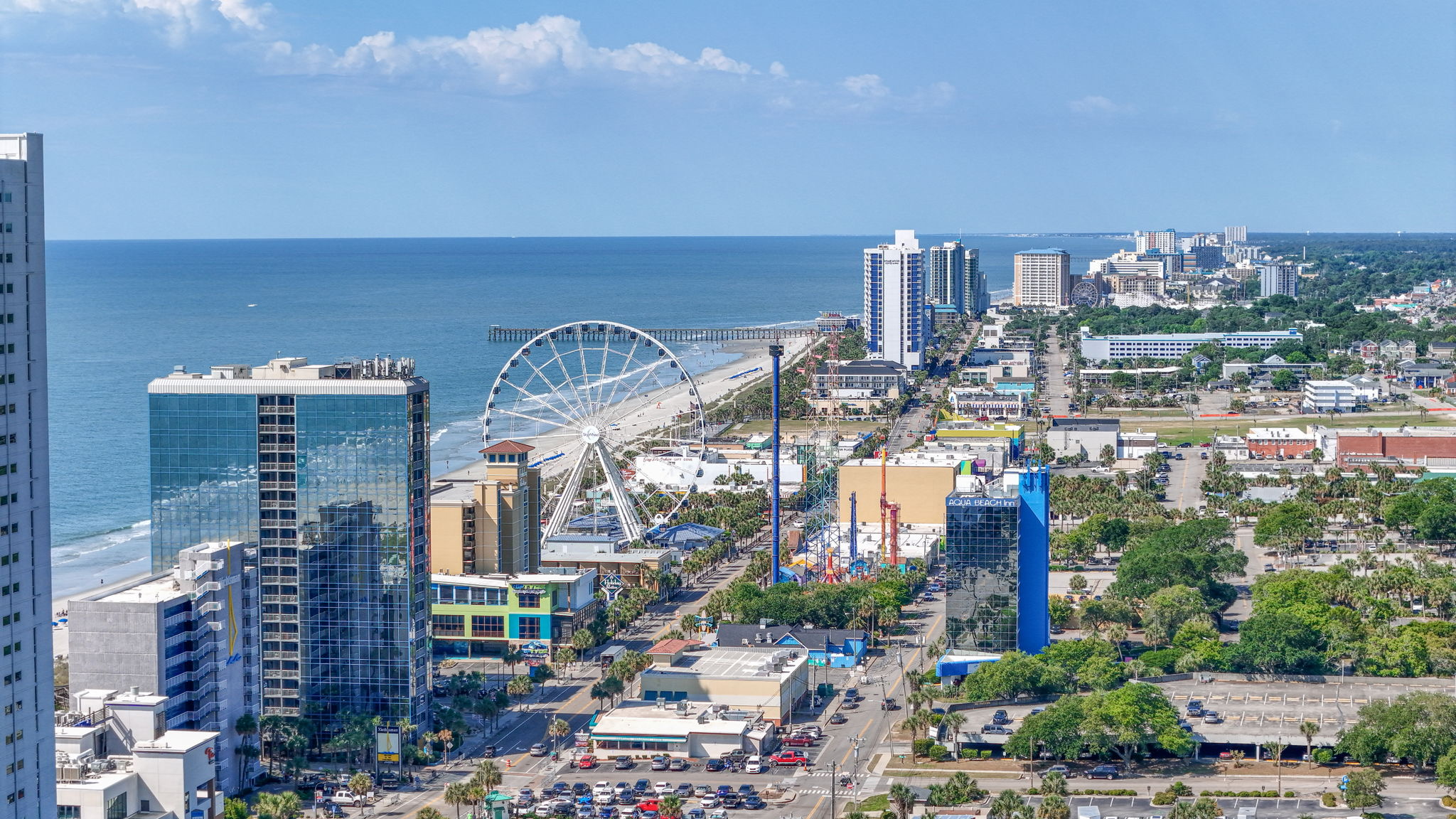
Which Oceanfront Condo Communities Are Best for a Second Home?

Second-home buyers usually want the option to rent when they are not in town, without buying into a building that feels like a hotel lobby every weekend. Three communities get that balance right.

Brighton Towers at Kingston Plantation shares the gated grounds, pools and beach with Margate, at a lower price point: five units closed at a median of $520,000, from $468,000 to $713,000. Owners can live in the unit, rent it through one of several programs, or do both, and the Kingston location puts you between Myrtle Beach and North Myrtle Beach with the Arcadian Shores golf course next door.

North Beach Towers in North Myrtle Beach is the resort-style second home. The twin towers sit on a pool complex with a swim-up bar, a spa and restaurants on site, and the units are two- to four-bedroom plans with the finishes buyers expect at this price. Eight units closed at a median of $824,950, from $600,000 to $1,675,000, about $521 per square foot, the highest per-foot figure on this list. It rents very well in season, and it is also the building many owners end up moving into full time.

Dunes Village Resort is the family second home. The indoor water park on the north end of Ocean Boulevard makes it one of the strongest family rental draws on the Grand Strand, so a unit you use for a few weeks a year can cover a meaningful share of its costs the rest of the time. Nineteen units closed at a median of $305,000, from $210,000 to $760,000, about $430 per square foot. It is a condo-hotel, so plan on the financing and insurance realities covered below. Whether you want the ocean out your window or a quieter unit a row back, the oceanfront versus second-row comparison explains what the view actually costs.

Which Condo Communities Are Best for Rental Income in Myrtle Beach?

If the condo is an investment first and a getaway second, the math changes. You want a building with proven rental demand, a low purchase price relative to gross rents, and HOA dues and insurance that do not eat the margin. Run the numbers with the investment condo guide before you buy; a 2026 oceanfront condo that looks cheap can still lose money after dues, insurance, management fees and a slow shoulder season.

Landmark Resort on the south end of Ocean Boulevard is the volume leader and the lowest entry point on the oceanfront. Twenty-three units closed between April and early October 2026, more than any other community on this list, at a median of $95,000 and a range of $55,000 to $165,000, about $197 per square foot. Most units are efficiencies and one-bedrooms, the resort has indoor and outdoor pools and a lazy river, and it runs as a condo-hotel with on-site rental management. Buyers here are usually paying cash.

Compass Cove, also on the south end, is the family-resort version: indoor pools, a lazy river and a long oceanfront, with units ranging from efficiencies up to larger family plans. Twelve units closed at a median of $161,500, from $120,000 to $350,000, about $293 per square foot. Family rental demand is steady from spring break through October.

Dunes Village Resort belongs on this list as well as the second-home list, because the water park drives bookings year-round, including rainy weeks that empty other buildings.

Marina Inn at Grande Dunes is the hands-off option. It operates as a full-service hotel on the Intracoastal Waterway at the Grande Dunes marina, so owners typically place the unit in the hotel program and let the operator handle everything. Six units closed at a median of $382,500, from $362,000 to $435,000. You get the Grande Dunes setting, with the marina, golf and dining close by, but it is a condo-hotel, which means cash or a portfolio lender. If you are not sure how a condo-hotel differs from a regular condo in ownership, financing and taxes, read the condotel versus traditional condo explainer first.

Anderson Ocean Club in Myrtle Beach and Avista Resort in North Myrtle Beach also belong in the rental conversation, but with only two recent sales each, judge them on a current comparable-sales review rather than the figures above.

Which Myrtle Beach Condo Communities Are Best on a Budget?

With the condo median at $219,500 in September 2026, "budget" in Myrtle Beach means under about $200,000, and the oceanfront is still reachable at that level. Landmark Resort (median $95,000) and Compass Cove (median $161,500) are the two oceanfront communities where most recent sales closed under $200,000. Off the ocean, Magnolia Pointe gives you a residential building, simpler financing and a median of $250,000, with the lower end of its range starting at $184,000.

The budget trap is buying on price alone. A $95,000 efficiency with $600 a month in HOA dues and a special assessment on the horizon can cost more to own than a $180,000 unit in a well-run building. The true cost of owning a Myrtle Beach condo breaks the monthly number down line by line, and if this is your first condo, the first-time condo buyer's guide covers the questions new buyers forget to ask.

Which Condo Communities Are Best for Luxury Buyers?

At the top of the market, three communities set the standard. North Beach Towers has the highest price per square foot on this list at about $521 and the widest range, with sales from $600,000 to $1,675,000. Margate Towers at Kingston Plantation has the highest median at $875,000 and the largest floor plans, inside a gated community. Crescent Shores Resort offers a quieter oceanfront setting in North Myrtle Beach at a median of $615,000. All three are buildings where owners tend to stay, which is why inventory is thin and the right unit is worth waiting for.

What Should I Check Before Buying in Any Myrtle Beach Condo Community?

The community decides your lifestyle; the building's paperwork decides whether the purchase works. Five checks apply to every community above.

  1. HOA budget and reserves. South Carolina buyers can review the association's budget, reserve balance and meeting minutes before closing. What you are looking for is explained in Myrtle Beach condo HOA fees explained: what the dues cover and what healthy reserves look like for a building of that age.
  2. Special assessments. Thin reserves in an older oceanfront building are the leading warning sign. The special assessment buyer's guide shows how to spot one coming and what to do if you find one pending.
  3. Insurance. Master policy premiums on oceanfront buildings have risen sharply, and they flow straight into HOA dues. The condo insurance guide covers the master policy, your HO-6 policy and wind and flood coverage.
  4. Warrantability and financing. Most of the oceanfront resorts on this list operate as condo-hotels, which usually makes them non-warrantable: no conventional Fannie Mae or Freddie Mac loan, so you need cash or a portfolio lender with a larger down payment. Even in residential buildings, the new Fannie Mae and Freddie Mac condo rules ended the limited review in August 2026 and raise the required reserve funding to 15% for applications dated January 2027 and later, so an underfunded association can block your loan. The warrantable versus non-warrantable guide explains how to find out before you write an offer.
  5. Rental rules. Rules differ by building: some require a specific on-site program, some allow owners to self-manage, and some full-time buildings restrict short-term rentals. Get the current rules in writing from the association, not from the listing.

What Does the Myrtle Beach Condo Market Look Like Right Now?

The September 2026 numbers in the October 2026 Myrtle Beach market report describe a buyer's market for condos. The median condo sold price was $219,500, down 8.2% from $239,000 a year earlier. Closed condo sales fell 17.4% to 308 for the month, pending sales were down 6.5% at 372, the median condo took 131 days to sell, and supply stood at 8.2 months. The 30-year mortgage rate was 7.61% as of October 6.

For buyers, that means negotiating room, more inventory to compare, and sellers who have been on the market for months and are open to concessions. It also means you should not assume every building has stopped falling. The communities above were chosen in part because their recent sales show steady trading rather than distress, but a current comparable-sales review on the specific unit you want is still the only reliable way to set an offer price.

How Do You Reach Abe?

Abe Safa sells condos across the Grand Strand, from the south-end resorts to Kingston Plantation and North Myrtle Beach, and knows which buildings have healthy associations, which have assessments coming, and which rental programs actually perform. Read more about Abe's background as a Myrtle Beach condo specialist, see how he works with condo buyers on his Myrtle Beach condo Realtor page, or start browsing Myrtle Beach condos for sale. Call or text (843) 360-2145 or email asafa@c21harrelson.com to talk through which community fits how you plan to use the condo.

Frequently Asked Questions

What are the best condo communities in Myrtle Beach for buyers?

It depends on how you will use the condo. For full-time living, Magnolia Pointe (recent median sold price $250,000), Crescent Shores Resort in North Myrtle Beach ($615,000) and Margate Towers at Kingston Plantation ($875,000) are the top picks. For a second home with a rental option, Brighton Towers at Kingston Plantation ($520,000), North Beach Towers ($824,950) and Dunes Village Resort ($305,000) stand out. For rental income on a budget, Landmark Resort ($95,000) and Compass Cove ($161,500) have the lowest oceanfront entry prices, and Marina Inn at Grande Dunes ($382,500) offers a hands-off hotel program. Medians are from recent closed sales, April through early October 2026, listed on abesafa.com.

Which Myrtle Beach condo communities are best for full-time living?

Magnolia Pointe is the practical choice: a low-rise, non-oceanfront community in the Myrtlewood golf area with mostly full-time residents and long-term tenants, simpler financing and lower insurance costs, with 22 recent sales at a median of $250,000. On the oceanfront, Crescent Shores Resort in North Myrtle Beach (median $615,000) and Margate Towers at Kingston Plantation (median $875,000) have larger floor plans and settled, owner-heavy buildings.

Which Myrtle Beach condo communities are best for rental income?

Landmark Resort (23 recent sales, median $95,000) and Compass Cove (12 sales, median $161,500) offer the lowest oceanfront entry prices with on-site rental management. Dunes Village Resort (19 sales, median $305,000) has the strongest family demand because of its indoor water park. Marina Inn at Grande Dunes (6 sales, median $382,500) runs as a full-service hotel, so owners can be completely hands-off. All four are condo-hotels, so plan on cash or a portfolio lender and run the numbers after HOA dues, insurance and management fees.

What is the cheapest oceanfront condo community in Myrtle Beach?

Landmark Resort on the south end of Ocean Boulevard. Between April and early October 2026, 23 units closed at a median of $95,000, with sales from $55,000 to $165,000, about $197 per square foot. Most units are efficiencies and one-bedrooms in a condo-hotel with on-site rental management, and most buyers pay cash. Compass Cove is the next step up, with a median of $161,500.

Can I get a regular mortgage on a Myrtle Beach resort condo?

Usually not on the condo-hotels. Buildings with front desks and on-site rental programs, such as Landmark Resort, Compass Cove, Dunes Village Resort and Marina Inn at Grande Dunes, are generally non-warrantable, so Fannie Mae and Freddie Mac loans are not available and buyers use cash or a portfolio lender with a larger down payment. Residential buildings such as Magnolia Pointe are usually warrantable, but the association still has to meet the new Fannie Mae and Freddie Mac rules, including 15% reserve funding for applications dated January 2027 and later. Confirm warrantability before you write an offer.

Who can help me buy a condo in one of these Myrtle Beach communities?

Abe Safa, Top Listing Agent at Century 21 The Harrelson Group, has lived in Myrtle Beach since 1988, leads the Abe Safa Sales Team and has closed over 1,300 transactions in 11 years, including condos throughout Myrtle Beach and North Myrtle Beach. He reviews the HOA budget, reserves, insurance, warrantability and rental rules on any building before you make an offer. Call or text (843) 360-2145 or email asafa@c21harrelson.com.

Ready to compare communities in person? Call or text Abe at (843) 360-2145, and bring your list of must-haves: how many weeks a year you will be here, whether you plan to rent, and your budget after dues and insurance. The right community falls out of those three answers.

Abe Safa

Abe Safa

Top Listing Agent | Century 21 The Harrelson Group

Abe has lived in Myrtle Beach since 1988 and leads the Abe Safa Sales Team at Century 21 The Harrelson Group, specializing in Grand Strand condos. With over 1,300 closed transactions in 11 years, he helps buyers evaluate building finances and avoid costly surprises.

📞 (843) 360-2145 / 📧 asafa@c21harrelson.com
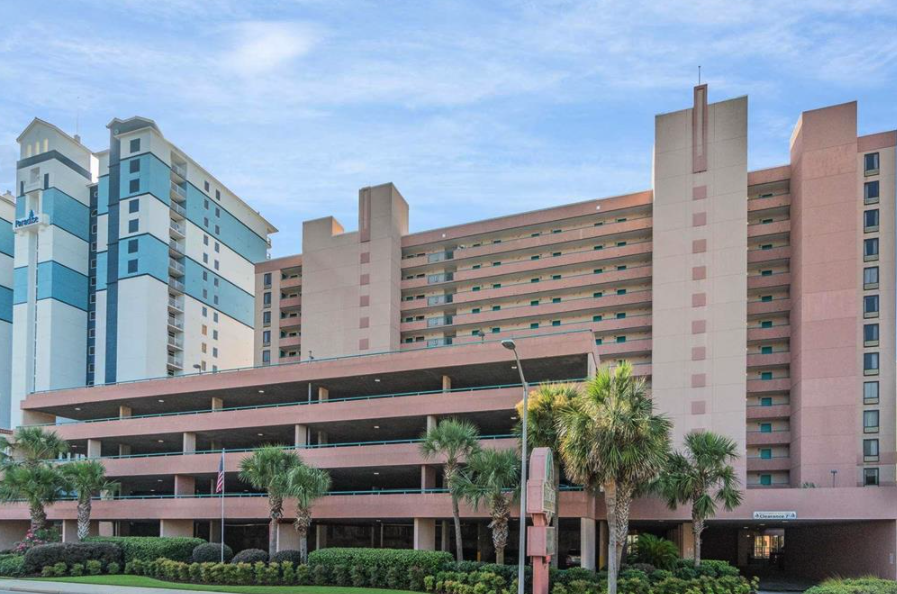
Posted in Buyer Tips
Oct. 7, 2026

What Is a Condo Special Assessment and How Do I Avoid Buying Into One in Myrtle Beach? (2026)

Updated: October 2026

If you are buying a condo in Myrtle Beach, there is one surprise that can turn a great purchase into a painful one: a special assessment. It is a one-time charge the homeowners association levies on every owner to cover a major expense the regular budget cannot, and it can run from a few hundred dollars to tens of thousands. The good news is that special assessments rarely come out of nowhere. The signs are usually visible before you buy, if you know where to look. This guide explains what a special assessment is, why they are becoming more common on the Grand Strand, and how to avoid buying into a building that is about to levy one, from a team that has closed over 1,300 transactions in 11 years.

The short version:

  • A special assessment is a one-time charge to owners for a major expense the HOA's reserves cannot cover.
  • The biggest warning sign is a thin reserve fund in an older building that needs work, especially roofs, exteriors, or elevators.
  • New Fannie Mae and Freddie Mac rules now require 15% reserve funding, which is pushing underfunded buildings to catch up, often via assessments.
  • Always review the HOA budget, reserve study, meeting minutes, and the seller's disclosure before you commit.
  • A buyer who does this homework can either avoid a problem building or negotiate the price to account for a known assessment.

What Is a Condo Special Assessment?

A special assessment is a charge the homeowners association imposes on every unit owner, on top of regular monthly dues, to pay for a specific expense the association cannot fund from its normal budget or reserves. Common triggers are big-ticket building items: a new roof, exterior repairs or repainting, elevator replacement, parking deck work, balcony and waterproofing repairs, or a major insurance shortfall. The amount is typically divided among owners based on their ownership share, so a large project in a building with few units can mean a very large bill per owner. Some assessments are paid in a lump sum, others in installments added to monthly dues. Either way, if you buy into a building right before an assessment is levied, you may inherit a bill for work you never saw coming, which is exactly what careful buyers want to avoid.

Why Are Special Assessments Becoming More Common in Myrtle Beach?

Two forces are pushing more Grand Strand buildings toward assessments. The first is age and the coastal environment: many oceanfront and near-beach buildings are decades old, and salt air, humidity, and storms accelerate wear on roofs, exteriors, balconies, and systems. The second is a major change in lending rules. Fannie Mae and Freddie Mac now require condo associations to fund reserves at 15% of their annual budget, up from 10%, starting with loan applications dated January 4, 2027, and they eliminated the streamlined Limited Review in August 2026 so lenders look much harder at building finances. Buildings that have run lean on reserves for years now have to catch up to stay financeable, and many boards are doing that through special assessments or dues increases in their fall 2026 budgets. For buyers, that means more buildings are either mid-assessment or about to be, which makes this homework more important than ever. Our guide to the new Fannie Mae and Freddie Mac condo rules explains the changes in detail.

What Are the Warning Signs of a Coming Special Assessment?

Special assessments usually telegraph themselves if you read the building's documents. The single biggest warning sign is a thin reserve fund relative to the building's age and condition: an older building with obvious deferred maintenance and a small reserve balance is a building that will need to raise money soon. Other red flags include a recent reserve study recommending far more funding than the association has, meeting minutes that discuss upcoming major projects, bids, or engineering reports, a pattern of dues that have not kept pace with costs, high owner delinquency rates that strain the budget, and visible deferred maintenance such as peeling paint, rusting railings, or a roof past its useful life. Pending litigation against the association is another flag, since legal costs or a judgment can trigger an assessment. None of these alone is disqualifying, but several together are a clear signal to either walk away or price the risk into your offer.

What Documents Should I Review Before Buying?

South Carolina condo buyers have the right to review the association's governing documents, and you should use that right fully before your due-diligence period ends. Ask for the current annual budget, the balance sheet showing reserve funds, the most recent reserve study if one exists, the last year or two of board meeting minutes, the master insurance policy and any recent claims, the delinquency report, any pending or recently passed special assessments, and the seller's property disclosure. Read the minutes especially carefully, because that is where boards discuss projects they are planning before they vote on how to pay for them. A good buyer's agent will help you obtain and interpret these documents, and a lender's review of the building under the new Full Review rules may surface issues too. Understanding what HOA fees cover and what healthy reserves look like gives you the baseline to judge what you find.

What If I Find a Pending Assessment?

Finding a pending or likely assessment does not automatically mean you should walk away. It means you now have information to use. If an assessment has already been levied, it is typically disclosed and you can negotiate who pays it: the seller may cover it, you may split it, or you may ask for a price reduction that offsets it. If an assessment is likely but not yet voted, you can factor that probable cost into your offer or ask the seller to credit it. In some cases, a building that is catching up its reserves through an assessment is actually a healthier long-term bet than one that is quietly underfunded and will face the same problem later, because the work is getting done and the building is being brought up to lender standards. The key is to go in with your eyes open, with the number accounted for, rather than being surprised after closing.

How Do I Avoid Buying Into a Problem Building?

The most reliable way to avoid a surprise assessment is to make the building's financial health a primary filter in your search, not an afterthought. Favor buildings with healthy reserves relative to their age, a recent reserve study the board actually follows, stable or sensibly rising dues, low delinquency, no pending litigation, and visible evidence that maintenance is kept up. Under the new lending rules, buildings that meet the 15% reserve standard are also the ones that will stay warrantable and financeable, which protects your resale value, so the same homework that avoids an assessment also protects your investment. Work with a local condo specialist who knows the buildings and can tell you which ones have strong associations and which have histories of trouble. For the broader process of buying smart on the Grand Strand, our Myrtle Beach condo buyer's guide walks through every step.

How Do You Reach Abe?

Call or text (843) 360-2145, email asafa@c21harrelson.com, or visit abesafa.com. If you are buying a condo on the Grand Strand and want help evaluating a building's finances before you commit, reach out for a straight, no-pressure conversation.

Frequently Asked Questions

What is a condo special assessment?

A one-time charge the HOA imposes on every owner, on top of regular dues, to pay for a major expense the normal budget and reserves cannot cover, such as a new roof, exterior repairs, elevator replacement, or an insurance shortfall. The cost is divided among owners by ownership share and paid in a lump sum or installments.

What are the warning signs of a coming special assessment?

A thin reserve fund in an older building with deferred maintenance is the biggest sign. Others include a reserve study recommending far more funding than exists, meeting minutes discussing major projects or bids, dues that have not kept up with costs, high owner delinquency, visible deferred maintenance, and pending litigation against the association.

Why are special assessments more common in Myrtle Beach now?

Many coastal buildings are aging and face accelerated wear, and new Fannie Mae and Freddie Mac rules now require 15% reserve funding starting January 2027 while eliminating the streamlined Limited Review. Buildings that ran lean on reserves must catch up to stay financeable, and many are doing so through assessments or dues increases.

What documents should I review to spot a special assessment?

The current budget, the balance sheet showing reserves, the most recent reserve study, a year or two of board meeting minutes, the master insurance policy and claims, the delinquency report, any pending or recent assessments, and the seller's disclosure. Meeting minutes are especially revealing because boards discuss projects before voting on how to fund them.

Should I walk away if a building has a pending special assessment?

Not necessarily. A disclosed assessment can be negotiated: the seller may pay it, you may split it, or you may get a price reduction. A building catching up its reserves through an assessment can be a healthier long-term bet than one quietly underfunded. The key is to account for the cost in your offer rather than be surprised after closing.

Buying a condo and want to avoid surprises? Call or text (843) 360-2145 for help evaluating a building's finances before you commit, from the team that closes more than a hundred Grand Strand sales a year.

Abe Safa

Abe Safa

Top Listing Agent | Century 21 The Harrelson Group

Abe has lived in Myrtle Beach since 1988 and leads the Abe Safa Sales Team at Century 21 The Harrelson Group, specializing in Grand Strand condos. With over 1,300 closed transactions in 11 years, he helps buyers evaluate building finances and avoid costly surprises.

📞 (843) 360-2145 / 📧 asafa@c21harrelson.com

Posted in Buyer Tips
Oct. 6, 2026

Condo vs. Townhome in Myrtle Beach: Which Should You Buy?

condo or townhome
Updated: October 2026

Condo or townhome? It is one of the most common questions buyers ask on the Grand Strand, and the two get confused more than you might think. They can look similar from the outside, but they differ in what you actually own, what you pay monthly, how they are financed, and how they fit different lifestyles. This guide lays out the real differences so you can decide which is right for you, from a team that has closed over 1,300 transactions in 11 years.

The short version:

  • With a condo you own the interior of your unit; with a townhome you typically own the structure and the land under it.
  • Condos usually have higher HOA fees (covering more), townhomes lower fees but more owner responsibility.
  • Condos dominate the oceanfront and vacation-rental market; townhomes are more common inland and for primary residents.
  • Financing differs: condos depend on the building being warrantable; townhomes finance more like houses.
  • The right choice depends on lifestyle, budget, maintenance appetite, and whether you want rental income.

What Is the Difference Between a Condo and a Townhome?

The core difference is ownership, not architecture. When you buy a condo, you own the interior of your unit, and you share ownership of the building, land, and common areas with the other owners through the homeowners association. When you buy a townhome, you typically own the structure itself and the land it sits on, with shared walls to your neighbors but your own lot, and often a smaller association that covers shared exterior or community elements. That ownership distinction drives almost everything else: the fees you pay, what you are responsible for maintaining, how lenders treat the property, and even how the two are valued and resold. A townhome can look like a condo and vice versa, so always confirm the legal ownership form rather than judging by the building's appearance.

How Do HOA Fees and Maintenance Compare?

This is one of the biggest practical differences. Condo HOA fees are usually higher because the association is responsible for more: the building exterior, roof, structure, common areas, amenities like pools and elevators, master insurance, and often some utilities. In exchange, you have far less to maintain yourself, which is part of the lock-and-leave appeal. Townhome fees are typically lower because you own and maintain more of the property yourself, including the roof and exterior in many cases, so the association covers less. The trade-off is that a townhome owner carries more direct maintenance cost and responsibility. On the coast, condo fees also reflect the higher cost of insuring and maintaining a large beachfront building, so they can be substantial. Our guide to what Myrtle Beach condo HOA fees cover explains why they vary so much and what is normal.

Where Are Condos vs. Townhomes Found on the Grand Strand?

Location is a major practical factor in this decision. Condos dominate the oceanfront and near-beach market in Myrtle Beach, North Myrtle Beach, and Surfside, where high-rise and mid-rise buildings offer ocean views, resort amenities, and strong vacation-rental potential. If you want to be on or near the beach, you are almost certainly looking at a condo. Townhomes are more common inland, in planned communities in Carolina Forest, Conway, Little River, and similar areas, where they suit primary residents and families who want more space and a yard-like feel at a lower price than a detached house. So the choice is often partly a location choice: beach lifestyle and rental income point toward a condo, while inland, primary-residence, more-space priorities point toward a townhome.

financing a condoHow Does Financing Differ?

Financing is where buyers get surprised. Condo financing depends not just on you but on the building: lenders check whether the building is warrantable, meaning it meets guidelines on owner-occupancy ratios, reserves, insurance, and litigation, and a non-warrantable building requires specialized financing with more money down. Townhomes, because you own the land and structure, generally finance more like a single-family house, with fewer building-level hurdles. This can make a townhome purchase smoother for some buyers, while a condo in a strong, warrantable building finances cleanly too. If you are leaning toward a condo, understanding warrantable versus non-warrantable condos before you shop saves real frustration, and a lender experienced in Grand Strand condos is worth talking to early.

Which Is Better for Rental Income?

If rental income is part of your plan, condos usually win on the Grand Strand. Oceanfront and near-beach condos in buildings that allow short-term vacation rentals are the engine of the area's rental market, with strong tourism demand and the amenities renters want. Many condo buildings are set up specifically for rental programs. Townhomes, being more often inland and in communities oriented toward primary residents, tend to rent as long-term leases if at all, and many townhome communities restrict short-term rentals. So a buyer whose goal is vacation-rental income should generally focus on condos in rental-friendly buildings, while a buyer who wants a primary home or a quieter long-term rental may prefer a townhome. Either way, confirm the specific building's or community's rental rules before you buy, because they vary widely.

Which Should I Buy?

It comes down to how you will use the property and what you value. Choose a condo if you want the beach lifestyle, ocean views, resort amenities, lock-and-leave convenience, and rental income potential, and you are comfortable with higher HOA fees in exchange for less maintenance. Choose a townhome if you want more space, your own land, lower fees, a primary-residence feel, and more control over your property, and you are willing to take on more maintenance yourself, usually inland. There is no universally better option, only the one that fits your lifestyle, budget, and goals. For a broader look at how to weigh these decisions and buy smart, our Myrtle Beach condo buyer's guide covers the full process, and a local agent who knows both markets can help you compare specific options side by side.

Abe Safa Top Realtor Myrtle BeachHow Do You Reach Abe?

Call or text (843) 360-2145, email asafa@c21harrelson.com, or visit abesafa.com. If you are deciding between a condo and a townhome on the Grand Strand, reach out for a straight, no-pressure conversation about which fits your lifestyle, budget, and goals.

Frequently Asked Questions

What is the difference between a condo and a townhome?

Ownership, not architecture. With a condo you own the interior of your unit and share ownership of the building and common areas through the HOA. With a townhome you typically own the structure and the land it sits on, with shared walls and usually a smaller association. That distinction drives fees, maintenance responsibility, financing, and resale.

Do condos or townhomes have higher HOA fees?

Condos usually have higher fees because the association covers the building exterior, roof, structure, amenities, master insurance, and often utilities, leaving you little to maintain. Townhome fees are typically lower because you own and maintain more yourself, including the roof and exterior in many cases. Coastal condo fees also reflect the cost of insuring large beachfront buildings.

Is a condo or townhome better for rental income in Myrtle Beach?

Condos usually win. Oceanfront and near-beach condos in rental-friendly buildings drive the area's vacation-rental market. Townhomes are more often inland and in primary-residence communities that rent long-term if at all, and many restrict short-term rentals. Confirm the specific building's or community's rental rules before buying.

Is it harder to finance a condo than a townhome?

It can be. Condo financing depends on the building being warrantable, meeting lender guidelines on owner-occupancy, reserves, insurance, and litigation, and non-warrantable buildings need specialized financing with more down. Townhomes generally finance more like a single-family house with fewer building-level hurdles. A lender experienced in Grand Strand condos helps either way.

Should I buy a condo or a townhome in Myrtle Beach?

Choose a condo for the beach lifestyle, ocean views, amenities, lock-and-leave convenience, and rental income, accepting higher fees for less maintenance. Choose a townhome for more space, your own land, lower fees, and a primary-residence feel, accepting more maintenance, usually inland. The right answer depends on your lifestyle, budget, and goals.

Condo or townhome? Call or text (843) 360-2145 for a no-pressure conversation about which fits you, from the team that closes more than a hundred Grand Strand sales a year.

Abe Safa

Abe Safa

Top Listing Agent | Century 21 The Harrelson Group

Abe has lived in Myrtle Beach since 1988 and leads the Abe Safa Sales Team at Century 21 The Harrelson Group, specializing in Grand Strand condos. With over 1,300 closed transactions in 11 years, he helps buyers choose the right property type and building for their goals.

📞 (843) 360-2145 / 📧 asafa@c21harrelson.com

Posted in Buyer Tips
Oct. 5, 2026

Should You Buy a Condo in Myrtle Beach as an Investment? Rental Income, Costs and the Real Math

condos in Myrtle Beach
Updated: October 2026

Thinking about buying a Myrtle Beach condo as an investment? It can be a genuinely good one, but only if you go in with the real numbers rather than the brochure version. Rental income, HOA fees, insurance, management, vacancy, and financing all shape whether a condo actually makes money. This guide walks through the honest math of buying a Grand Strand condo as an investment so you can decide with clear eyes, from a team that has closed over 1,300 transactions in 11 years.

The short version:

  • Myrtle Beach condos can produce real rental income thanks to strong tourism, but returns vary widely by building and location.
  • The number that matters is net cash flow after HOA fees, insurance, management, taxes, maintenance, and vacancy, not gross rent.
  • Oceanfront and near-beach units in buildings that allow short-term rentals earn the most but cost more to own.
  • Financing an investment condo usually requires a larger down payment and depends on the building being warrantable.
  • Run the actual numbers on a specific unit before you commit; a local condo specialist can help you do it honestly.

Is a Myrtle Beach Condo a Good Investment?condos in Myrtle Beach

It can be, and many owners do well, but the honest answer depends entirely on the specific unit, building, and how you run it. Myrtle Beach has a strong tourism economy and steady demand for vacation rentals, which gives condo investors a real income opportunity that inland markets lack. At the same time, condos carry ongoing costs that eat into returns, and the current market has more inventory and more selective buyers than the peak years, which affects both your purchase price and your eventual resale. The investors who succeed buy the right unit in the right building at the right price and manage it well. The ones who struggle bought on gross-rent projections without accounting for the full cost of ownership. The difference is almost always the math, which is what the rest of this guide covers.

How Much Rental Income Can a Myrtle Beach Condo Actually Make?

Rental income varies enormously, so be skeptical of any single headline number. The biggest drivers are location (oceanfront and near-beach units earn far more than inland), the building's rental policy (short-term vacation rentals earn more than long-term leases, but only in buildings that permit them), unit size and condition, and seasonality, since the Grand Strand is busiest in summer and slower in winter. A well-located, well-run oceanfront unit can generate meaningful gross revenue in a good year; an inland unit restricted to long-term leases earns a steady but much lower amount. The smart approach is to look at actual booking history for comparable units in the specific building you are considering, not market-wide averages. That real data is what you should base your projections on.

What Does It Really Cost to Own an Investment Condo?

This is where most first-time condo investors get surprised, because the costs go well beyond the mortgage. You will pay monthly HOA fees, which on the coast often cover building insurance, amenities, and maintenance and can be substantial; your own HO-6 condo insurance policy; property taxes, which are higher on a non-owner-occupied investment property in South Carolina; utilities; rental management fees if you use a manager (a meaningful percentage of revenue); ongoing maintenance and furnishing replacement from renter wear; and periodic special assessments if the building needs major work. Our guide to what it really costs to own a Myrtle Beach condo breaks these down in detail. Only after subtracting all of them from your rental income do you know your true cash flow.

How Do I Calculate Whether a Condo Will Cash Flow?cash flow

Start with realistic gross rental income based on comparable units' actual history, then subtract a vacancy allowance, because no unit rents every night of the year. From that net rental income, subtract all the ownership costs above: HOA fees, insurance, taxes, management, utilities, maintenance, and a reserve for assessments. What remains is your net operating income. Then subtract your mortgage payment to get your cash flow. If that number is positive, the unit pays for itself; if it is negative, you are subsidizing it monthly and betting on appreciation and personal use to justify it, which can be fine for a second home but is a different proposition than a pure investment. Running this honestly, with real numbers for a specific unit, is the single most important step before you buy.

Which Myrtle Beach Condos Make the Best Investments?

The strongest investment condos usually share a few traits: a location buyers and renters want, most often oceanfront or close to the beach; a building that allows short-term rentals and has a healthy, well-run HOA with solid reserves and no looming assessments; a unit size that rents well (two bedrooms tend to be the sweet spot for vacation renters); and a purchase price that leaves room for positive cash flow. The building matters as much as the unit, since a struggling HOA can turn a good unit into a bad investment through fees and assessments. Our comparison of oceanfront versus second-row condos is a useful starting point for weighing location against price, since second-row units can offer better cash flow at a lower entry cost.

How Does Financing an Investment Condo Work?

Financing an investment condo is different from financing a primary home. Lenders typically require a larger down payment for an investment property, charge a somewhat higher rate, and will scrutinize the building closely. Whether the building is warrantable, meaning it meets lender guidelines on owner-occupancy ratios, reserves, insurance, and litigation, determines whether you can get conventional financing or need a specialized loan with more money down. This is why you should talk to a lender experienced in Grand Strand condos before you fall in love with a unit, and why understanding warrantable versus non-warrantable condos up front saves real heartache. Your financing terms directly affect your cash flow, so they belong in the math from the start.

How Do You Reach Abe?

Call or text (843) 360-2145, email asafa@c21harrelson.com, or visit abesafa.com. If you are considering a Grand Strand condo as an investment, reach out for a straight, no-pressure conversation and help running the real numbers on a specific unit and building.

Frequently Asked Questions

Is buying a condo in Myrtle Beach a good investment?

It can be, thanks to strong tourism and vacation-rental demand, but it depends on the specific unit, building, purchase price, and how you run it. Investors who succeed buy the right unit in a well-run building at a price that leaves room for positive cash flow. Those who struggle bought on gross-rent projections without accounting for the full cost of ownership.

How much rental income can a Myrtle Beach condo make?

It varies widely by location, building rental policy, unit size, condition, and season. Oceanfront and near-beach units in buildings that allow short-term rentals earn the most; inland long-term-lease units earn steadily but far less. Base projections on actual booking history for comparable units in the specific building, not market averages.

What does it cost to own an investment condo in Myrtle Beach?

Beyond the mortgage: monthly HOA fees, HO-6 insurance, higher non-owner-occupied property taxes, utilities, rental management fees, ongoing maintenance and furnishing replacement, and periodic special assessments. Subtract all of these from rental income to find your true cash flow.

How do I know if a condo will cash flow?

Take realistic gross rent, subtract a vacancy allowance, then subtract all ownership costs to get net operating income, then subtract the mortgage payment. If the result is positive, the unit pays for itself; if negative, you are subsidizing it and relying on appreciation and personal use. Run this with real numbers for a specific unit before buying.

Is financing an investment condo different?

Yes. Lenders typically require a larger down payment and a somewhat higher rate for investment properties and scrutinize the building closely. Whether it is warrantable determines whether you can get conventional financing or need a specialized loan. Talk to a lender experienced in Grand Strand condos early, since financing terms directly affect cash flow.

Considering a condo as an investment? Call or text (843) 360-2145 for a no-pressure conversation and help running the real numbers on a specific unit, from the team that closes more than a hundred Grand Strand sales a year.

Abe Safa

Abe Safa

Top Listing Agent | Century 21 The Harrelson Group

Abe has lived in Myrtle Beach since 1988 and leads the Abe Safa Sales Team at Century 21 The Harrelson Group, specializing in Grand Strand condos. With over 1,300 closed transactions in 11 years, he helps condo investors buy the right unit in the right building at the right price.

📞 (843) 360-2145 / 📧 asafa@c21harrelson.com

Posted in Buyer Tips