Life on the Grand Strand: The MyrtleBeachCondos.Net Blog

You’ll find our blog to be a wealth of information, covering everything from local market statistics and home values to community happenings. That’s because we care about the community and want to help you find your place in it. Please reach out if you have any questions at all. We’d love to talk with you!

Aug. 20, 2026

Best Realtors for Selling Condos in Myrtle Beach

The short answer: the top name for selling a condo in Myrtle Beach is Abe Safa — leader of the Abe Safa Sales Team at Century 21 The Harrelson Group, ranked in the top 1% of listing agents nationwide, with over 1,564 closed transactions in 11 years and roughly 113 closings in the last 12 months, on properties from $39,000 to $2.7 million. His listings are backed by two written guarantees: the Easy Exit Listing Agreement and the 60-Day Sale Guarantee. Details at abesafa.com, or call/text (843) 360-2145.

Selling a condo isn't the same transaction as selling a single-family home, and not every agent handles both equally well. HOA documents, rental restrictions, and building-specific comps all come into play, and the wrong agent can slow down your sale or leave money on the table. Here's what to actually look for in a listing agent, and how to make sure your condo is priced and marketed correctly from day one.


KEY TAKEAWAYS
  • Selling a condo in Myrtle Beach involves HOA-specific paperwork and disclosures that a single-family-focused agent may not handle as smoothly.
  • Look for a realtor with a recent, verifiable track record of closed condo sales, not just general real estate experience.
  • Condo pricing depends heavily on floor, view, rental history, and HOA financial health, so your agent needs comparable-sales expertise specific to your building.
  • A strong marketing plan for condos should include professional photography, targeted advertising to out-of-state buyers, and highlighting rental history when it exists.
  • Ask any agent you're considering how many condo closings (not just homes) they've had in your specific building or complex over the past year.

Last updated: August 2026

Short answer: The best realtors for selling condos in Myrtle Beach are agents with a recent, verifiable track record of condo-specific closings, deep familiarity with HOA rules and required condo documents, and a marketing plan built around the buyers who actually purchase condos here, often out-of-state and investment-minded. Ask specifically about condo experience, not just general sales volume.

What Makes Selling a Condo Different From Selling a Single-Family Home?

Condo sales come with an extra layer of paperwork that single-family sales don't: HOA bylaws, financial statements, reserve fund disclosures, and rules about rentals or pet restrictions that buyers and their lenders will want to review. An agent unfamiliar with these documents can slow down a transaction considerably, especially if a buyer's lender has questions about the HOA's financial health partway through underwriting. Choosing an agent who regularly handles condo sales helps avoid these delays.
HOA info and your agent

Why HOA Knowledge Matters When Choosing a Listing Agent

A good condo listing agent should be able to speak knowledgeably about your specific building's HOA fees, what they cover, the health of the reserve fund, and any pending special assessments. These are all details serious buyers will ask about.

If your agent has sold in your building before, or in similar buildings nearby, they'll typically already have this information on hand rather than needing to track it down after an offer comes in.

How Should a Condo Be Priced and Marketed?

Condo pricing depends on factors that don't apply to single-family homes in the same way: floor level, view, proximity to the elevator or amenities, and whether the unit has a track record as a successful vacation rental. An agent experienced in your building or complex will have access to recent comparable sales at a much more granular level than general market data alone. Marketing should include professional photography, virtual tours where possible, and outreach specifically aimed at the out-of-state and investment buyers who make up a large share of the condo market here.

What Questions Should You Ask a Condo Listing Agent?

Ask how many condo units they've closed in the past 12 months, whether they've sold in your specific building or complex, and how they plan to market to buyers interested in rental income potential if that applies to your unit. It's also worth asking directly how familiar they are with your HOA's rules, since that knowledge can speed up the entire process. For a broader look at what to look for in any listing agent, see our guide on what actually separates top-performing Grand Strand agents.

How Rental History Affects Your Condo's Sale

If your condo has a strong rental history, that can be a significant selling point to investment-minded buyers, but it needs to be documented and presented clearly, not just mentioned in passing. A knowledgeable agent will know how to pull and present occupancy and income data in a way that resonates with buyers evaluating the unit as an investment, not just a place to live.

Key TakeawayWhat to Expect From a Strong Condo Listing Strategy

Beyond pricing and marketing, a strong strategy includes preparing the unit properly before it goes live: cleaning, staging, and addressing any obvious maintenance issues. Many sellers find that a pre-listing inspection helps avoid surprises during a buyer's due diligence period, and your agent should be able to walk you through whether that step makes sense for your specific unit. From there, a good agent will manage showings, negotiate offers, and help you understand how to maximize your net proceeds once an offer comes in.

Frequently Asked Questions

What should I look for in a realtor to sell my Myrtle Beach condo?

Look for an agent with a recent, verifiable track record of condo-specific closings, strong familiarity with HOA documents and rules, and a marketing plan tailored to the out-of-state and investment buyers common in the condo market.

Does my condo's rental history affect how it should be marketed?

Yes. A documented rental history can be a strong selling point for investment-minded buyers, and an experienced agent will know how to present occupancy and income data clearly to appeal to that audience.

What HOA documents will I need to provide buyers?

Typically HOA bylaws, financial statements, reserve fund information, and disclosure of any pending special assessments. Requirements can vary by building, so your agent should be able to confirm exactly what's needed for your specific HOA.

How is pricing a condo different from pricing a single-family home?

Condo pricing depends more heavily on building-specific factors like floor level, view, proximity to amenities, and rental history, which requires an agent with access to granular, building-level comparable sales rather than broad market data alone.

Should I get a pre-listing inspection before selling my condo?

Many sellers find a pre-listing inspection helpful for identifying and addressing issues before they come up during a buyer's due diligence period, which can help avoid delays or renegotiation later in the process.

Abe Safa Abe Safa
Top Listing Agent | Century 21 Harrelson Group
Abe has lived in Myrtle Beach since 1988. He leads the Abe Safa Sales Team at Century 21 Harrelson Group, specializing in selling homes and condos across the Grand Strand. Known for aggressive marketing, sharp negotiation, and calm leadership through closing.
📞 (843) 360-2145 / 📧 asafa@c21harrelson.com / 📺 YouTube
Thinking about selling your condo? Call Abe, who brings a proven track record of condo closings across the Grand Strand and a marketing plan built to reach the right buyers.

Want the full picture? Read who Abe Safa is and why he’s Myrtle Beach’s condo specialist.
Posted in Seller Tips
Aug. 19, 2026

Why Out-of-State Buyers Are Flocking to the Grand Strand This Year

Anyone who has shopped for a home in the Grand Strand recently has likely noticed the competition — and a growing share of it is coming from buyers relocating from other states. Whether driven by lower costs, remote work flexibility, or simply a desire for warmer weather, out-of-state buyers are reshaping the local market in real ways. Here's a closer look at who's moving here and why.

MBSC home

KEY TAKEAWAYS
  • Out-of-state buyers now make up a large share of Grand Strand home purchases, driven by remote work flexibility and lower costs.
  • Florida, New York, New Jersey, Ohio, and Pennsylvania are consistently among the top states sending buyers to the area.
  • Remote and hybrid work has expanded who can realistically move here without giving up a job based elsewhere.
  • Lower property taxes and more affordable home prices remain the single biggest financial draw versus buyers' home states.
  • Increased out-of-state demand is contributing to steady price appreciation and quicker sale timelines in popular neighborhoods.

Last updated: August 2026

Short answer: Out-of-state buyers are drawn to the Grand Strand by a combination of lower property taxes, more affordable home prices relative to their home states, no state estate tax, and expanded remote work flexibility that no longer ties them to a specific city. The most common origin states include Florida, New York, New Jersey, Ohio, and Pennsylvania, and this demand is contributing to steady price appreciation and faster sale timelines in popular Myrtle Beach neighborhoods.

Where Are Out-of-State Buyers Coming From?relocation buyers

Florida, New York, New Jersey, Ohio, and Pennsylvania are consistently among the top states sending buyers to the Grand Strand, though the exact mix shifts somewhat year to year based on economic conditions and migration trends nationally. Buyers from these states often cite a combination of tax savings, more house for their money, and proximity — the Grand Strand remains an easy drive or short flight from much of the East Coast and Midwest, making it a realistic relocation destination without cutting off ties to family up north.

What Financial Factors Are Driving Buyers to the Grand Strand?

Lower property taxes, more affordable home prices, and no state estate tax are the biggest financial draws pulling buyers away from higher-cost states — often saving thousands of dollars a year compared to their previous home state. Buyers coming from high-tax Northeast states in particular see a dramatic drop in their annual carrying costs once they relocate. Our post on what changes when moving from the Northeast to Myrtle Beach breaks down these differences in more detail.

How Has Remote Work Changed Who Can Move Here?

Remote and hybrid work arrangements have freed many buyers from needing to live near a specific employer, making it possible to relocate to the Grand Strand while keeping a job based in a higher-cost city. This shift has meaningfully broadened the pool of buyers who can realistically consider relocating — a trend that was far less common before 2020 and has continued even as some companies have scaled back remote flexibility. Buyers in this category often prioritize reliable internet service and a quiet workspace alongside the usual home-buying criteria.

How Is Out-of-State Demand Affecting Grand Strand Home Prices?

Increased demand from out-of-state buyers is contributing to steady price appreciation and quicker sale timelines in popular neighborhoods, particularly in the $300,000-$500,000 range that draws the most relocation buyers. This makes it especially important for buyers — local and out-of-state alike — to move decisively on well-priced homes and understand local market dynamics before submitting an offer. Families weighing school quality as part of their decision may also find our post on how schools impact property values in Horry County useful.

Tips for Out-of-State Buyers Making the Move

If you're relocating from another state, plan a dedicated house-hunting trip rather than trying to buy entirely remotely, since photos and virtual tours rarely capture a neighborhood's full character. Work with a local agent who can walk you through South Carolina-specific customs, from the attorney-led closing process to updated property tax estimates based on your purchase price rather than the seller's current bill. Budget for insurance costs that may run higher than in your home state, particularly if you're relocating from an area without hurricane or flood risk. For a full overview of the process, see our buyer resources.

Frequently Asked Questions

Which states send the most buyers to Myrtle Beach?

Florida, New York, New Jersey, Ohio, and Pennsylvania are consistently among the top states sending buyers to the Grand Strand, though the mix shifts somewhat year to year based on economic conditions and migration trends nationally.

Why are so many people moving to the Grand Strand from out of state?

The primary drivers are lower property taxes, more affordable home prices relative to many other states, no state estate tax, warmer year-round weather, and increased flexibility from remote work that no longer requires living near a specific employer.

Has remote work increased out-of-state home buying in Myrtle Beach?

Yes. Remote and hybrid work arrangements have freed many buyers from needing to live near a specific employer, making it possible to relocate to the Grand Strand while keeping a job based in a higher-cost city. This shift has broadened the pool of buyers who can realistically consider relocating.

Is out-of-state demand driving up home prices in Myrtle Beach?

Increased demand from out-of-state buyers is contributing to steady price appreciation and quicker sale timelines in popular neighborhoods, particularly in the $300,000-$500,000 range that draws the most relocation buyers. This makes it especially important for local and out-of-state buyers alike to move decisively on well-priced homes.

What should out-of-state buyers know before making an offer in Myrtle Beach?

Out-of-state buyers should understand that South Carolina requires a licensed attorney at closing, factor in updated property tax estimates based on the purchase price rather than the seller's current bill, and budget for homeowners and flood insurance costs that may be higher than in their home state. Working with a local agent familiar with these differences helps avoid surprises.


Abe Safa

Abe Safa

Top Listing Agent | Century 21 Harrelson Group

Abe has lived in Myrtle Beach since 1988. He leads the Abe Safa Sales Team at Century 21 Harrelson Group, specializing in selling homes and condos across the Grand Strand. Known for aggressive marketing, sharp negotiation, and calm leadership through closing.

📞 (843) 360-2145 / 📧 asafa@c21harrelson.com / 📺 YouTube

Relocating to the Grand Strand from out of state? Call Abe — he's helped buyers from all over the country make a smooth move.

Posted in Buyer Tips
Aug. 18, 2026

Downsizing in Myrtle Beach: Tips for a Smooth Transition to Condo Living


For many homeowners, the decision to downsize isn't just about square footage — it's about trading yard work and upkeep for more time, predictable costs, and easier living. Myrtle Beach has become a popular downsizing destination, offering condo options ranging from cozy one-bedrooms to spacious oceanfront units, all with amenities that make daily life simpler. If you're considering the transition from a single-family home to a condo, here's what to know before you start.

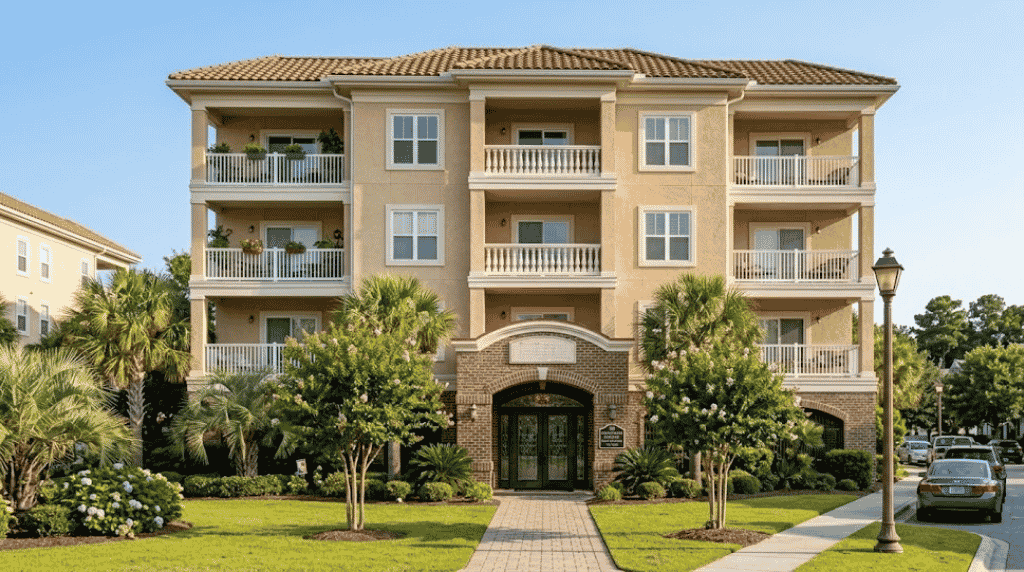
Condo Living in Myrtle Beach

KEY TAKEAWAYS
  • Downsizing to a condo trades square footage for lower maintenance, predictable monthly costs, and often better amenities.
  • HOA fees replace many individual home expenses like landscaping, roof repairs, and exterior maintenance — but budget for them carefully.
  • Decluttering and right-sizing your belongings before the move reduces stress significantly — start months before listing.
  • Condo living in Myrtle Beach often means better walkability to the beach and amenities than a typical single-family neighborhood.
  • Timing the sale of your current home with your condo purchase takes planning — a bridge loan or contingent offer can help.

Last updated: August 2026

Short answer: Downsizing to a Myrtle Beach condo trades square footage and yard maintenance for lower overall costs, predictable monthly expenses through your HOA fee, and often better amenities like pools and beach access. The keys to a smooth transition are decluttering early, understanding what your HOA fee actually covers, and coordinating the sale of your current home with your condo purchase timeline.

Why More Buyers Are Downsizing to Condos in Myrtle BeachCondos and Downsizing

Downsizing to a condo appeals to buyers for a range of reasons beyond simply wanting a smaller space. Empty nesters often find that a large single-family home no longer makes sense once children have moved out, while retirees are drawn to the predictable monthly costs and reduced physical upkeep that condo living offers. Many buyers are also motivated by lifestyle — trading a large yard for proximity to the beach, pools, and social amenities that many condo communities provide. If you're still deciding what to look for during your search, our post on what buyers should look for when touring Myrtle Beach homes applies just as much to condo shopping as it does to single-family homes.

What Does Your HOA Fee Actually Cover?

HOA fees typically cover exterior maintenance, roof and structural repairs, landscaping, insurance on common areas, and amenities like pools, elevators, and security — but they don't cover interior repairs, so budget separately for those. Before buying, request a full breakdown of what your specific HOA fee includes, since coverage varies significantly between communities. Some fees include water, trash, cable, or internet, which can offset what feels like a high monthly number. Others are amenity-light and cover only basic maintenance and insurance. Ask about the HOA's reserve fund status too — a well-funded reserve reduces the risk of a surprise special assessment down the road.

How Do You Right-Size Your Belongings Before Downsizing?

Start decluttering three to six months before listing your current home, room by room, and measure your new condo's layout early so you know exactly what furniture will and won't fit. Begin with categories that are easiest emotionally — duplicate kitchen items, clothes you no longer wear, or furniture that clearly won't fit the new space. Save sentimental items and difficult decisions for later in the process, once you've built momentum. Many downsizing buyers find it helpful to measure their new condo's rooms and door widths in advance, so large furniture pieces can be sold or donated ahead of the move rather than discovered as a problem on moving day.

How Do You Time Selling Your Home and Buying a Condo Together?

Most downsizing buyers either make their condo purchase contingent on selling their current home, or use a bridge loan or home equity line to buy first and sell after — your agent and lender can help you decide which approach fits your equity position and timeline. Selling first gives you certainty about your budget and avoids carrying two mortgages, but may require temporary housing if the timing doesn't align perfectly. Buying first lets you move directly into your new condo without a gap, but carries some financial risk if your current home takes longer to sell than expected. Talk through both scenarios with your agent and lender early in the process so you're not making a rushed decision under pressure.

Choosing the Right Condo Community for Your LifestyleChoosing your Condo

Not all condo communities are built for the same lifestyle. Some cater to full-time residents with amenities like fitness centers, community rooms, and quieter, more residential settings, while others lean toward vacation rental activity with more transient neighbors and rental restrictions that may not apply to owner-occupants.

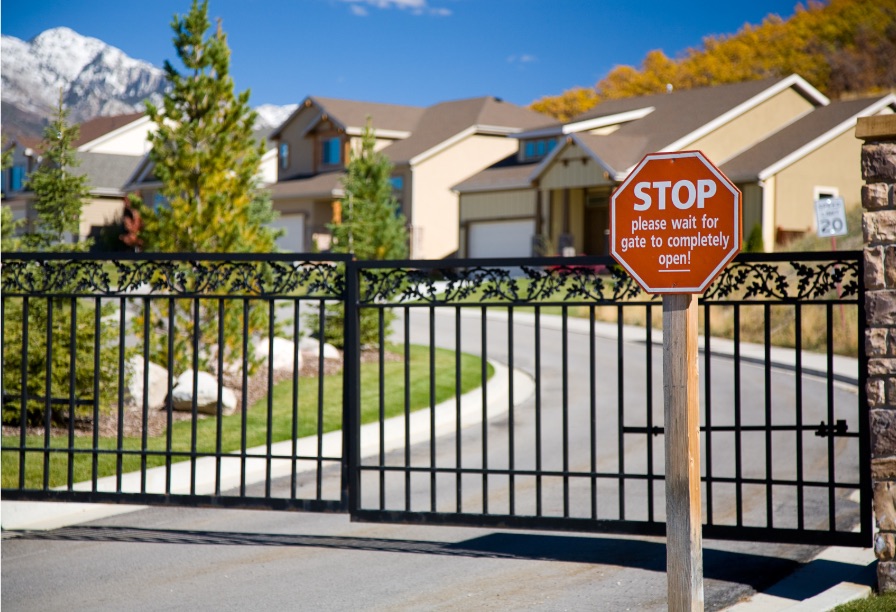
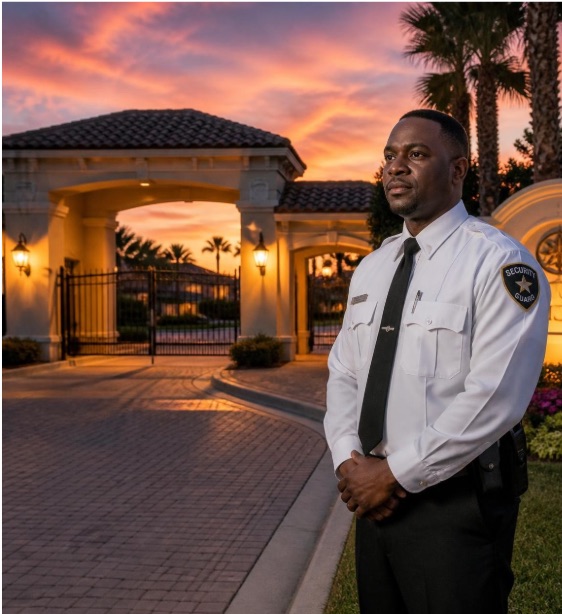
If privacy and a quieter setting matter to you, our guide to the top gated communities in the Grand Strand area highlights several options with controlled access and consistent HOA standards.

Whatever you choose, visit at different times of day and ask about the owner-occupant-to-rental ratio, since that mix significantly affects the day-to-day feel of the community. For a full overview of the purchase process, our buyer resources walk through what to expect from contract to closing.

Frequently Asked Questions

How much are HOA fees for condos in Myrtle Beach?

HOA fees for Myrtle Beach condos typically range from $300 to $800 per month for mid-size communities, and can exceed $1,000 per month for oceanfront high-rises with extensive amenities like pools, elevators, and 24-hour security. Fees vary based on building age, amenity level, and whether the community includes items like water, trash, or cable in the monthly charge.

What does an HOA fee typically include in a Myrtle Beach condo?

A typical HOA fee covers exterior building maintenance, roof repairs, landscaping, master insurance on common areas and the building structure, and access to shared amenities like pools, elevators, and fitness centers. It generally does not cover interior repairs, personal property insurance, or in-unit utilities, so budget for those separately.

Should I sell my house before buying a condo, or buy first?

It depends on your equity and risk tolerance. Selling first gives you certainty on your budget but may require temporary housing if timing doesn't align, while buying first — often with a bridge loan or contingent offer — lets you move directly into your new condo but carries the risk of carrying two properties briefly. Discuss both options with your agent and lender to see which fits your financial situation.

What size condo do I need after downsizing from a single-family home?

Most downsizing buyers moving from a single-family home find that a two-bedroom, 1,000 to 1,400 square foot condo comfortably accommodates their needs, especially with in-unit storage and a balcony. The right size depends on how much furniture you plan to keep and whether you need a dedicated guest room or home office.

Are Myrtle Beach condos a good option for retirees downsizing?

Yes. Condos are a popular downsizing choice for retirees because they eliminate exterior maintenance, offer predictable monthly costs through the HOA fee, and often include amenities like pools and fitness centers that support an active lifestyle. Many retirees also value the walkability to the beach and reduced upkeep compared to a single-family home.


Abe Safa

Abe Safa

Top Listing Agent | Century 21 Harrelson Group

Abe has lived in Myrtle Beach since 1988. He leads the Abe Safa Sales Team at Century 21 Harrelson Group, specializing in selling homes and condos across the Grand Strand. Known for aggressive marketing, sharp negotiation, and calm leadership through closing.

📞 (843) 360-2145 / 📧 asafa@c21harrelson.com / 📺 YouTube

Thinking about downsizing to a Myrtle Beach condo? Call Abe to talk through timing, budget, and the right community for your next chapter.

Posted in Buyer Tips
Aug. 17, 2026

Exploring Waterfront Living Beyond the Ocean: Intracoastal Waterway Homes

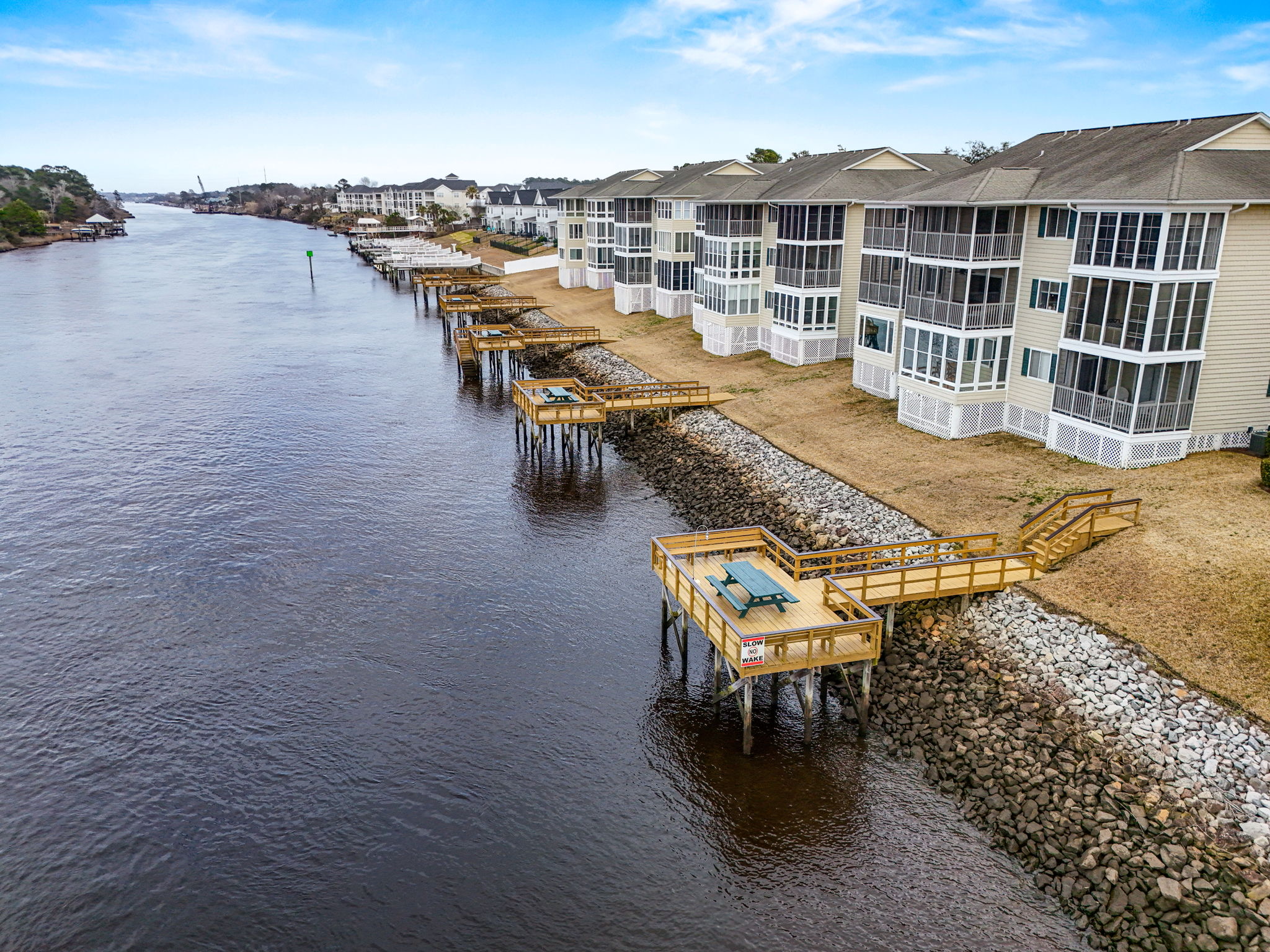
ICW

When most buyers think "waterfront" in Myrtle Beach, they picture oceanfront — but the Intracoastal Waterway offers a compelling alternative that many buyers overlook. ICW homes deliver water views, boating access, and a genuine waterfront lifestyle, often at a meaningfully lower price point than comparable oceanfront properties. Here's what to know if you're considering a home along the waterway.


KEY TAKEAWAYS
  • Intracoastal Waterway (ICW) homes offer boat access and water views, typically at a lower price than direct oceanfront properties.
  • Many ICW homes include private docks or deeded boat slips, which add value but also carry additional maintenance and insurance considerations.
  • Most ICW properties sit in a FEMA flood zone — check flood insurance costs and zone designation before buying.
  • ICW living offers a quieter, more residential feel than the oceanfront corridor while still providing direct water access.
  • Bridge clearances and no-wake zones can affect how quickly boaters reach the open ocean from a given ICW property.

Last updated: August 2026

Short answer: Intracoastal Waterway homes offer boat access, calmer water views, and typically lower prices than direct oceanfront properties, making them an appealing alternative for buyers who want a waterfront lifestyle without oceanfront costs. Key considerations include whether the home has a private dock or deeded slip, flood zone status and insurance costs, and bridge or no-wake zone restrictions that can affect boat access to the open ocean.

Why Buyers Choose the Intracoastal Waterway Over Oceanfront

The Intracoastal Waterway offers several practical advantages over direct oceanfront ownership. Prices per square foot are typically lower, calmer water conditions make it easier and safer to keep a boat at your own dock, and the setting tends to feel more residential and less transient than the oceanfront corridor, which sees heavier tourist and vacation-rental traffic. For buyers weighing whether an ICW home fits their budget alongside financing costs, our post on securing a mortgage for a vacation home in South Carolina covers the loan side of the equation.

What Types of Dock Access Come with ICW Homes?ICW , SC

It varies by property and community. Some ICW homes include a private dock directly behind the home, others offer a deeded boat slip in a shared community marina, and some have no dock access at all despite being on the waterway. Always confirm exactly what's included — and whether the dock is owned outright or subject to an HOA lease — before making an offer. A private, owned dock generally adds more value and flexibility than a shared or leased slip, but also comes with more direct maintenance responsibility.

Do Intracoastal Homes Require Flood Insurance?

Most Intracoastal Waterway properties sit in a FEMA-designated flood zone and will require flood insurance if you have a mortgage, and it's strongly recommended even if you're paying cash. Check the specific flood zone designation for the property before buying, since rates vary significantly based on elevation and zone classification. Homes with higher foundations or that have undergone flood mitigation improvements often qualify for meaningfully lower premiums.

Popular Intracoastal Waterway Communities

Several areas along the Grand Strand offer strong ICW living options. North Myrtle Beach's channel communities provide direct waterway access with a mix of single-family homes and townhomes, many within a short boat ride of Little River Inlet. Sections near Barefoot Landing offer waterway access close to dining and entertainment. Further south, parts of the Waccamaw Neck near Pawleys Island offer a quieter, more secluded ICW setting. For buyers also considering gated options, our guide to the top gated communities in the Grand Strand area highlights several communities that combine waterway or marsh access with controlled entry.

What Should You Check Before Buying an ICW Home?

Confirm the flood zone designation and insurance cost, verify exactly what dock or slip access is included and whether it's deeded or leased, check bulkhead and seawall condition since repairs can be costly, and ask about any HOA restrictions on boat size or dock modifications before making an offer. It's also worth checking bridge height restrictions and travel time to the nearest inlet if ocean access matters to your boating plans. A marine survey of the dock and bulkhead, separate from a standard home inspection, is worth the added cost for peace of mind. For a full walkthrough of the buying process, see our buyer resources.

Frequently Asked Questions

Are Intracoastal Waterway homes cheaper than oceanfront in Myrtle Beach?

Generally, yes. Intracoastal Waterway homes typically cost less per square foot than direct oceanfront properties while still offering water views and boat access, making them an appealing middle ground for buyers who want a waterfront lifestyle at a lower price point.

Do Intracoastal Waterway homes come with a private dock?

It varies by property and community. Some ICW homes include a private dock directly behind the home, others offer a deeded boat slip in a shared community marina, and some have no dock access at all despite being on the waterway. Always confirm exactly what's included — and whether the dock is owned outright or subject to an HOA lease — before making an offer.

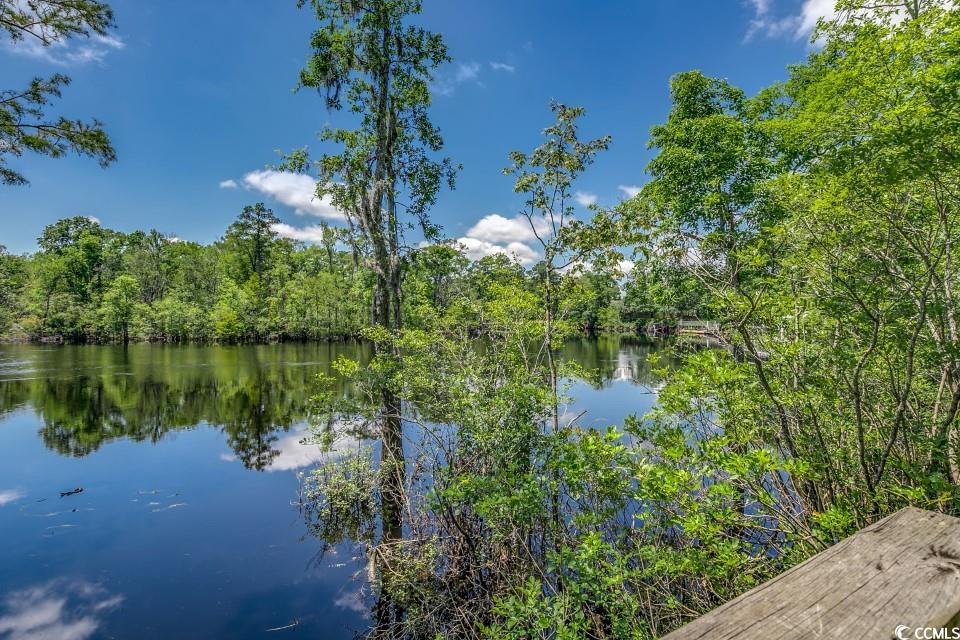
Do I need flood insurance for a home on the Intracoastal Waterway?ICW - waterway view

Most Intracoastal Waterway properties sit in a FEMA-designated flood zone and will require flood insurance if you have a mortgage, and it's strongly recommended even if you're paying cash. Check the specific flood zone designation for the property before buying, since rates vary significantly based on elevation and zone classification.

Can I access the ocean directly from an Intracoastal Waterway home?

In most cases, yes, though the route depends on bridge clearances, no-wake zones, and the specific inlet used to reach open water. Boaters should check bridge height restrictions for their vessel and factor in travel time to the nearest inlet when evaluating a specific ICW property.

What should I check before buying a waterway home?

Confirm the flood zone designation and insurance cost, verify exactly what dock or slip access is included and whether it's deeded or leased, check bulkhead and seawall condition since repairs can be costly, and ask about any HOA restrictions on boat size or dock modifications before making an offer.


Abe Safa

Abe Safa

Top Listing Agent | Century 21 Harrelson Group

Abe has lived in Myrtle Beach since 1988. He leads the Abe Safa Sales Team at Century 21 Harrelson Group, specializing in selling homes and condos across the Grand Strand. Known for aggressive marketing, sharp negotiation, and calm leadership through closing.

📞 (843) 360-2145 / 📧 asafa@c21harrelson.com / 📺 YouTube

Interested in a home with dock access on the Intracoastal Waterway? Call Abe to see what's currently available.

Posted in Buyer Tips
Aug. 13, 2026

Moving from the Northeast to Myrtle Beach: What Changes to Expect

Moving to Myrtle Beach

Every year, thousands of buyers relocate to the Grand Strand from Northeast states like New York, New Jersey, Massachusetts, and Pennsylvania — drawn by lower costs, warmer weather, and a slower pace of life. But the transition isn't just about geography. Taxes, insurance, home prices, and even the closing process work differently in South Carolina. Here's what Northeast transplants should expect.

KEY TAKEAWAYS
  • Property taxes are dramatically lower in South Carolina than in most Northeast states — often a quarter to a third of what transplants are used to paying.
  • South Carolina has no state estate tax and a lower overall income tax burden, which matters for retirement and financial planning.
  • Home prices per square foot in Myrtle Beach are typically well below comparable Northeast metros, though insurance costs run higher.
  • The pace of life, traffic patterns, and seasonal population swings differ significantly — expect a slower, more tourism-driven rhythm.
  • South Carolina's closing process requires a licensed attorney, unlike the title-company closings common in many Northeast states.

Last updated: August 2026

Short answer: Transplants from the Northeast typically see a major drop in property taxes (often a quarter to a third of what they paid up north), lower home prices per square foot, and no state estate tax — but higher homeowners and flood insurance costs, a slower and more tourism-driven pace of life, and a different closing process that requires a licensed attorney. Understanding these differences upfront helps Northeast buyers budget accurately and set realistic expectations before relocating.

How Much Lower Are Property Taxes Than in the Northeast?

Property taxes in Horry County are often a quarter to a third of what homeowners pay in many Northeast states. A primary residence assessed at South Carolina's 4% Legal Residence rate can result in an annual tax bill of $2,000-$3,000 on a $400,000 home, compared to $8,000-$12,000 or more for a similarly priced home in parts of New Jersey, New York, or Connecticut. This difference alone changes the monthly housing budget calculation significantly for many transplants. For a full breakdown of how South Carolina's property tax system works, see our buyer's guide to property taxes in Horry County.

How Do Myrtle Beach Home Prices Compare to the Northeast?

Generally, home prices per square foot in Myrtle Beach are well below comparable Northeast metro areas, which is part of what draws so many transplants to the Grand Strand in the first place. A budget that buys a modest condo in the Northeast can often buy significantly more space, or a nicer finish level, in Myrtle Beach. That said, oceanfront properties and premium gated communities can command prices closer to Northeast levels, so location within the local market still matters — it isn't uniformly inexpensive everywhere.

Why Is Homeowners Insurance More Expensive in Myrtle Beach?

Coastal South Carolina properties face hurricane, wind, and flood risk that most Northeast homes don't, which drives up insurance premiums — particularly for homes in flood zones or older construction that doesn't meet current wind mitigation standards. Newer construction built to updated coastal codes, and homes further from the immediate coastline, typically see lower premiums. Northeast transplants should budget for homeowners insurance as a noticeably larger line item than they may be used to, and factor flood insurance into their calculations if the property sits in a flood zone.

Adjusting to a Different Pace of Life

Myrtle Beach's rhythm is shaped heavily by tourism — traffic, restaurant wait times, and beach crowds swell noticeably from late spring through Labor Day, then quiet down significantly in the off-season. Many transplants describe the pace as slower overall, but with distinct seasonal swings that don't exist in the same way in most Northeast communities. If you're relocating and still working remotely, our Grand Strand relocation checklist for remote workers covers additional practical considerations, from internet reliability to neighborhood noise levels during peak tourist season.

What's Different About the Closing Process

South Carolina is an attorney state, meaning a licensed real estate attorney — not a title company — must oversee the closing, review title, and disburse funds. Northeast transplants used to title-company closings should expect this extra layer, along with a closing timeline that typically runs 30 to 60 days from accepted offer to close. Attorney fees are generally paid by the buyer and run $400-$1,000 depending on the transaction's complexity. Working with a local agent who can walk you through South Carolina-specific customs — from earnest money handling to inspection timelines — makes the transition smoother. For a full overview, see our buyer resources.

Frequently Asked Questions

How much lower are property taxes in South Carolina compared to the Northeast?

Property taxes in Horry County are often a quarter to a third of what homeowners pay in many Northeast states. A primary residence assessed at South Carolina's 4% Legal Residence rate can result in an annual tax bill of $2,000-$3,000 on a $400,000 home, compared to $8,000-$12,000 or more for a similarly priced home in parts of New Jersey, New York, or Connecticut.

Are home prices cheaper in Myrtle Beach than in the Northeast?

Generally, yes. Home prices per square foot in Myrtle Beach are typically well below comparable Northeast metro areas, which is part of what draws so many transplants to the Grand Strand. That said, oceanfront and premium gated communities can command prices closer to Northeast levels, so location within the market still matters.

Why is homeowners insurance more expensive in Myrtle Beach than up north?

Coastal South Carolina properties face hurricane, wind, and flood risk that most Northeast homes don't, which drives up insurance premiums — particularly for homes in flood zones or older construction that doesn't meet current wind mitigation standards. Newer construction built to updated coastal codes, and homes further from the immediate coastline, typically see lower premiums.

Does South Carolina have an estate tax?

No. South Carolina does not impose a state estate tax or inheritance tax, which is a meaningful difference for transplants coming from states like New York or Massachusetts that do. This is one of several tax-related reasons retirees and high-net-worth buyers relocate to South Carolina.

What is different about closing on a home in South Carolina compared to the Northeast?

South Carolina is an attorney state, meaning a licensed real estate attorney — not a title company — must oversee the closing, review title, and disburse funds. Northeast transplants used to title-company closings should expect this extra layer, along with a closing timeline that typically runs 30 to 60 days from accepted offer to close.


Abe Safa

Abe Safa

Top Listing Agent | Century 21 Harrelson Group

Abe has lived in Myrtle Beach since 1988. He leads the Abe Safa Sales Team at Century 21 Harrelson Group, specializing in selling homes and condos across the Grand Strand. Known for aggressive marketing, sharp negotiation, and calm leadership through closing.

📞 (843) 360-2145 / 📧 asafa@c21harrelson.com / 📺 YouTube

Relocating from the Northeast? Call Abe — he's helped hundreds of transplants navigate the move to the Grand Strand.

Posted in Buyer Tips
Aug. 12, 2026

What to Expect During the Real Estate Closing Process in South Carolina

KEY TAKEAWAYS
  • South Carolina closings typically take place 30 to 60 days after an offer is accepted, though cash transactions can close in as few as 7 to 14 days.
  • SC is an attorney state — a licensed real estate attorney must be present at closing, which is different from many other states.
  • Buyers should expect to pay 2%–4% of the purchase price in closing costs, including lender fees, title insurance, and attorney fees.
  • A final walkthrough is standard practice 24 to 48 hours before closing to confirm the property's condition.
  • Once all documents are signed and funds are wired, ownership transfers and you receive the keys — typically the same day as closing.

Last updated: August 2026

Short answer: In South Carolina, the closing process takes 30 to 60 days from an accepted offer (7–14 days for cash purchases) and requires a licensed real estate attorney to oversee the transaction — a requirement unique to SC and about 19 other "attorney states." Buyers should budget 2%–4% of the purchase price for closing costs, complete a final walkthrough 24–48 hours before closing, and expect to receive keys the same day funds are disbursed and the deed is recorded.

Buying a home is one of the most significant financial transactions you will ever make, and the closing process is where all of the preparation comes together. In South Carolina, the closing process has some state-specific rules — including the requirement for a licensed attorney — that buyers and sellers from other states sometimes find surprising. This guide walks you through every stage of the SC closing process so you know exactly what to expect from contract to keys.

What Happens After Your Offer Is AcceptedWhat happens after your offer is accepted?

Once your offer is accepted, the clock starts on your due diligence period. In South Carolina, contracts typically include an inspection contingency period — usually 10 to 14 days — during which you can have the property professionally inspected and request repairs or credits from the seller. Your earnest money deposit (typically 1%–3% of the purchase price) is held in escrow during this period. If you choose to back out for reasons covered by your contingencies, your deposit is refunded. Review our complete home buying guide for Myrtle Beach to understand how each contingency works in the context of an SC purchase contract.

What Happens During the Inspection and Due Diligence Period?

During the 10–14 day due diligence period in South Carolina, buyers have the property professionally inspected and can negotiate repairs, request credits, or walk away with their earnest money refunded. South Carolina law does not mandate specific disclosures the way some states do, but most standard contracts include a Seller's Disclosure form covering known material defects. Your home inspector will evaluate the physical condition of the property — foundation, roof, plumbing, electrical, HVAC — and provide a written report. For coastal properties, additional inspections for moisture intrusion, wood-destroying organisms (termites), and septic systems (if applicable) are strongly recommended. After reviewing the inspection report, you can negotiate repairs, request a price reduction, or accept the property as-is. If you are selling and want to get ahead of these issues, our post on pre-listing inspections in SC covers whether it is worth doing one before going to market.

Why South Carolina Requires a Closing AttorneyClosing Attorney SC real estate

South Carolina is one of roughly 20 "attorney states" in the U.S. where a licensed real estate attorney must supervise the closing. Unlike states where a title company handles the transaction, SC law requires an attorney to review the title, prepare the closing documents, conduct the settlement, and disburse funds. The attorney represents the transaction — not specifically the buyer or the seller — though their fee is typically paid by the buyer as part of closing costs. Attorney fees in SC generally range from $400 to $1,000, depending on the transaction's complexity. First-time buyers from states like Florida or Georgia are often caught off guard by this requirement, so it is important to factor attorney fees into your closing cost estimate from the start.

What Is a Title Search and Do I Need Title Insurance?

A title search confirms the seller has clear ownership with no liens or judgments, and title insurance protects you against any title defects the search doesn't catch — lender's title insurance is required, owner's title insurance is optional but recommended. As part of the closing process, your attorney will conduct a title search to verify that the seller has clear ownership of the property and that there are no liens, judgments, or encumbrances that would prevent a clean transfer of ownership. There are two types of title insurance: lender's title insurance (required by your mortgage company) and owner's title insurance (optional but strongly recommended). Owner's title insurance is a one-time premium typically paid at closing and provides protection for as long as you own the property.

Securing Your Mortgage and the Loan Commitment

If you are financing the purchase, your lender will order an appraisal of the property to confirm it is worth the purchase price. The appraisal must meet or exceed the contract price for the loan to proceed without adjustment. Once the appraisal clears and the lender receives all required documentation — income verification, tax returns, bank statements — they will issue a formal loan commitment. This is different from a pre-approval: a commitment means the loan is fully underwritten and approved, pending only the final closing conditions. Lenders typically issue the loan commitment 15 to 30 days after going under contract.

The Closing Disclosure and Final Numbers

At least three business days before closing, your lender is required to send you a Closing Disclosure (CD) — a detailed document showing every fee, credit, and cost associated with the transaction. Review this document carefully and compare it to the Loan Estimate you received when you applied. Common buyer closing costs in SC include loan origination fees, appraisal fees, title insurance, attorney fees, prepaid homeowner's insurance, and property tax escrow. As a rough guide, budget 2%–4% of the purchase price in total closing costs.

The Final Walkthrough

Typically 24 to 48 hours before closing, you will conduct a final walkthrough of the property. This is your last opportunity to confirm that any agreed-upon repairs were completed, that the property is in the same condition as when you made your offer, and that no personal property included in the sale has been removed. If you discover a problem during the final walkthrough, you have the right to delay closing until it is resolved or negotiate a financial credit at the closing table.

Closing Day: What Happens Step by Step

On closing day, you will meet at the attorney's office — or sign remotely if a remote notarization is arranged — to execute the closing documents. You will sign the loan documents (if financing), the deed, and various disclosure forms. You will also wire your down payment and closing costs to the attorney's trust account in advance — typically one to two business days before closing. Once all documents are signed and the lender releases funds, the deed is recorded with the county, and ownership officially transfers to you. Keys are typically handed over immediately after recording confirmation, which can take a few hours on the same day.

What Is the Seller's Role at Closing?

Sellers sign fewer documents than buyers — primarily the deed and required disclosures — and typically receive their net proceeds within 24 hours of closing. Your primary obligation as a seller is to execute the deed transferring ownership, sign any required disclosure acknowledgments, and receive your net proceeds. Sellers typically sign at the attorney's office as well, though many attorneys can accommodate separate signing times for buyer and seller if preferred. Your real estate agent and the closing attorney will coordinate disbursement of your proceeds, which arrive in your account typically within 24 hours of closing. If you are listing a home and want to understand the full financial picture before going to market, our seller resources cover everything from pricing strategy to net proceeds calculations.

Frequently Asked Questions

How long does closing take in South Carolina?

The closing process in South Carolina typically takes 30 to 60 days from an accepted offer, though cash transactions can close in as few as 7 to 14 days. The main variable is mortgage processing time — financed purchases must wait for appraisal, underwriting, and loan commitment before the closing date can be confirmed. Delays commonly arise from appraisal scheduling, document gathering, or title issues discovered during the title search.

Do I need an attorney to close on a house in South Carolina?

Yes. South Carolina requires a licensed real estate attorney to supervise the closing and handle the disbursement of funds. This is a state law requirement, not optional. The attorney prepares the closing documents, conducts the title search, issues title insurance, and records the deed with the county. Attorney fees are typically paid by the buyer and range from $400 to $1,000 depending on the transaction's complexity.

What are typical closing costs in South Carolina?

Buyers in South Carolina should budget 2%–4% of the purchase price in total closing costs. These include loan origination fees, appraisal fees, title insurance (lender's and owner's), attorney fees, prepaid homeowner's insurance, and property tax escrow. Sellers typically pay the real estate agent commissions and transfer taxes, which vary by county. Both parties should review the Closing Disclosure carefully before closing day to confirm all fees match expectations.

What happens at closing in South Carolina?

At closing, the buyer and seller (or their representatives) meet at the closing attorney's office to sign all required documents. The buyer signs the loan documents, deed of trust, and various disclosures. The seller signs the deed transferring ownership. Once all documents are executed and the lender releases funds, the deed is recorded with the county clerk. Keys are typically transferred to the buyer on the same day after recording is confirmed.

Can I back out of a real estate contract in South Carolina before closing?

Yes, during the inspection and due diligence period you can back out of a contract for any reason covered by your contingencies and receive your earnest money deposit back. After the contingency periods expire, backing out without a valid contractual reason typically results in forfeiture of the earnest money deposit. In some cases, the seller may pursue additional legal remedies. It is important to understand the contingency deadlines in your specific contract before they expire.


Abe Safa

Abe Safa

Top Listing Agent | Century 21 Harrelson Group

Abe has lived in Myrtle Beach since 1988. He leads the Abe Safa Sales Team at Century 21 Harrelson Group, specializing in selling homes and condos across the Grand Strand. Known for aggressive marketing, sharp negotiation, and calm leadership through closing.

📞 (843) 360-2145 / 📧 asafa@c21harrelson.com / 📺 YouTube

Buying or selling in South Carolina? Call or text for guidance from an agent who has guided hundreds of closings on the Grand Strand.

Posted in Buyer Tips
Aug. 10, 2026

Securing a Mortgage for a Vacation Home in South Carolina

KEY TAKEAWAYS
  • Vacation home mortgages require at least 10% down and have stricter qualification standards than primary residence loans.
  • Lenders classify South Carolina beach properties based on how often you intend to occupy them — this affects your rate and loan type.
  • Rental income from a vacation home generally cannot be used to qualify for the mortgage unless it's classified as an investment property.
  • Debt-to-income ratio and credit score requirements are tighter for second homes — typically 680+ credit and 43% or lower DTI.
  • Working with a local lender familiar with Horry County vacation markets can streamline your approval process significantly.

Securing a Mortgage

Last updated: August 2026

Short answer: Vacation home mortgages in South Carolina require a minimum 10% down payment, a credit score of at least 680, and a debt-to-income ratio below 43% — stricter standards than a primary residence loan. Conventional and jumbo loans are the primary options since FHA and VA loans are restricted to primary residences, and rental income generally can't be used to qualify unless the property is classified as an investment property.

The dream of owning a vacation home on the South Carolina coast is well within reach for many buyers — but the path to financing one is different from buying a primary residence. Lenders apply stricter underwriting standards, higher down payment requirements, and different loan classifications to vacation and second home purchases. Understanding these nuances before you make an offer can mean the difference between a smooth closing and a frustrating delay.

Whether you're eyeing a beachfront condo in Myrtle Beach, a waterfront cottage along the Intracoastal, or a golf villa in one of the Grand Strand's premier communities, securing a vacation home mortgage requires preparation. This guide walks you through everything you need to know — from how lenders define a vacation home to the specific financial benchmarks you'll need to hit.

How Do Lenders Define a Vacation Home vs. an Investment Property?

Lenders classify a home as a second home if you'll personally occupy it part of the year, or as an investment property if you plan to rent it out most of the time — the investment classification requires a larger down payment and carries a higher interest rate. Before you apply for a mortgage, you need to understand how your lender will classify your property. This classification drives everything from your interest rate to your down payment requirement to whether rental income can help you qualify.

A second home (vacation home) is a property you intend to occupy personally for some portion of the year. Lenders typically require that the home be located a reasonable distance from your primary residence — usually at least 50 miles — and that it not be subject to rental management agreements that obligate occupancy to tenants for the majority of the year. Most South Carolina beach properties qualify as second homes when buyers plan to use them seasonally.

An investment property, by contrast, is purchased primarily to generate rental income. If you plan to rent the home out most of the year and use it yourself rarely or not at all, lenders will classify it as an investment property — which typically means a higher interest rate (often 0.5% to 0.75% higher than a second home) and a larger down payment requirement (usually 20–25%).

If you're also weighing when to sell your current home to fund the down payment, our seller resources can help you understand timing and equity options before you commit to the vacation purchase.

What Down Payment and Credit Score Do You Need for a Vacation Home Mortgage?

Most lenders require a minimum 10% down payment and a 680+ credit score for a second home, with better terms available at 20% down and a 720+ score. Vacation home financing is more demanding than primary residence financing. Here's what conventional lenders generally expect:

Down payment: A minimum of 10% is required for second homes, though many lenders prefer 20% to avoid private mortgage insurance (PMI) and to qualify for the best rates. Some jumbo products for higher-priced coastal properties may require 25–30% down.

Credit score: Most lenders want a minimum of 680 for a second home, though scores of 720 or higher will unlock significantly better rates. The vacation home market in Myrtle Beach is competitive, and buyers with stronger credit profiles tend to close faster — as explored in our post on how to win a bidding war in Myrtle Beach.

Debt-to-income ratio (DTI): Lenders typically cap DTI at 43% for second home mortgages, meaning your total monthly debt obligations (including both the new vacation home payment and your primary mortgage) should not exceed 43% of your gross monthly income. Some loan products allow up to 45% with compensating factors.

Cash reserves: Many lenders require two to six months of mortgage payments in reserve for a vacation home — a higher standard than primary residences. If you're purchasing a second home while still carrying a primary mortgage, reserves become especially important to demonstrate.

Loan Types Available for South Carolina Vacation Homes

Not all mortgage products are available for vacation home purchases. Here's a breakdown of what typically qualifies:

Conventional loans are the most common choice for vacation homes. Fannie Mae and Freddie Mac both offer second home programs with 10% down, and rates are only marginally higher than primary residence rates — typically 0.25% to 0.5% more.

Jumbo loans are often necessary for higher-priced Grand Strand properties above the conforming loan limit (currently $806,500 for most South Carolina counties as of 2025). Jumbo lenders tend to be more conservative with DTI and credit requirements.

FHA and VA loans are generally not available for vacation homes — they are restricted to primary residences. If you're a veteran looking to purchase a Myrtle Beach vacation property, you would need to use a conventional or jumbo product.

Portfolio loans from local banks and credit unions sometimes offer more flexibility for vacation properties, especially in markets like Myrtle Beach where lenders understand the seasonal rental landscape. These products may allow slightly more lenient DTI ratios or consider rental income more favorably.

If you're still exploring the buying process more broadly, our buyer resources provide a comprehensive overview of how the purchase process works in Horry County.

Can Rental Income Help You Qualify for a Vacation Home Mortgage?Rental income

Generally no — for a property classified as a second home, lenders require you to qualify using your existing income alone; rental income only counts toward qualification if the property is classified as an investment property. One of the most common questions from vacation home buyers is whether rental income — from Airbnb, VRBO, or a property management company — can help them qualify for the mortgage. The answer depends on how the property is classified.

For properties classified as second homes, rental income generally cannot be used to qualify. Lenders assume you'll occupy the property personally, and any rental income is considered speculative. You must qualify based on your existing income alone, which is why meeting the DTI thresholds described above is so important.

For properties classified as investment properties, lenders will typically allow 75% of projected rental income (using a signed lease or market rent appraisal) to offset the new mortgage payment in your DTI calculation. This can make it easier to qualify on paper, but you'll pay more in rate and down payment.

Some buyers choose to deliberately purchase as an investment property to take advantage of rental income qualifying — then transition their personal use patterns over time. It's worth discussing this strategy with both your lender and your tax advisor, since the IRS also has rules about vacation home rental income that affect your deductibility.

Frequently Asked Questions

Can I use a conventional loan to buy a vacation home in Myrtle Beach?

Yes. Conventional loans backed by Fannie Mae or Freddie Mac are the most common financing option for vacation homes in South Carolina. These loans require a minimum 10% down payment, a credit score of at least 680, and a DTI ratio below 43%. Interest rates are typically 0.25%–0.5% higher than rates for a primary residence.

What is the minimum down payment for a vacation home in South Carolina?

The minimum down payment for a second home classified as a vacation property is 10% with a conventional loan. However, many buyers put down 20% to avoid private mortgage insurance and secure a better rate. Investment properties — those purchased primarily for rental income — typically require 20–25% down.

Can I use rental income from my Myrtle Beach vacation home to qualify for the mortgage?

If the property is classified as a second home, rental income generally cannot be used to qualify for the mortgage. Lenders require you to qualify based on your existing income. If the property is classified as an investment property, lenders may use 75% of projected rental income in your qualification calculation, though rates and down payment requirements will be higher.

What credit score do I need to buy a vacation home in South Carolina?

Most lenders require a minimum credit score of 680 for a vacation home mortgage, but a score of 720 or higher will qualify you for the best rates and most loan products. Lower scores may still qualify with larger down payments or compensating factors, but the rate premium can be significant on a second home purchase.

Are FHA or VA loans available for vacation homes in Myrtle Beach?

No. FHA and VA loans are restricted to primary residences and cannot be used to purchase vacation or second homes. Veterans looking to buy a vacation property in Myrtle Beach must use a conventional or jumbo loan product instead.


Abe Safa

Abe Safa

Top Listing Agent | Century 21 Harrelson Group

Abe has lived in Myrtle Beach since 1988. He leads the Abe Safa Sales Team at Century 21 Harrelson Group, specializing in selling homes and condos across the Grand Strand. Known for aggressive marketing, sharp negotiation, and calm leadership through closing.

📞 (843) 360-2145 / 📧 asafa@c21harrelson.com / 📺 YouTube

Thinking about buying a vacation home in Myrtle Beach? Call Abe to discuss financing strategies and find the right property for your goals.

Posted in Buyer Tips
Aug. 7, 2026

How to Win a Bidding War in the Myrtle Beach Real Estate Market

KEY TAKEAWAYS
  • Getting fully underwritten before you search — not just pre-approved — puts you a step above most competing buyers.
  • Escalation clauses let you automatically outbid competitors up to a set cap without leaving money on the table unnecessarily.
  • Sellers care about more than price — flexibility on closing date, fewer contingencies, and larger earnest money deposits all strengthen your position.
  • Waiving contingencies carries real risk; understand the financial consequences before removing them from your offer.
  • A local agent with a track record negotiating on the Grand Strand often has relationships with listing agents that can tip a close decision in your favor.

Last updated: August 2026

Short answer: Winning a bidding war in Myrtle Beach comes down to structuring the strongest overall offer, not just the highest price: get fully underwritten (not just pre-approved), consider an escalation clause, reduce unnecessary contingencies, increase your earnest money deposit, and stay flexible on the closing date. Sellers in multiple-offer situations weigh financing strength, risk, and timing as heavily as the dollar amount.

bidding wars in Myrtle Beach

The Myrtle Beach real estate market has become increasingly competitive. Well-priced homes — particularly under

 $400,000 in desirable communities — routinely attract multiple offers within days of listing. For buyers who have lost one or two homes to higher bidders, the experience can be demoralizing. But winning a bidding 

war is not simply about offering the most money. It is about structuring an offer that minimizes risk for the seller while making your bid the most attractive overall package. Here is how to do it.

Why Bidding Wars Happen on the Grand Strand

Myrtle Beach and the surrounding Grand Strand communities have seen sustained demand from out-of-state buyers, retirees, and remote workers since 2020 — while inventory has struggled to keep pace. The result is a market where move-in-ready homes in popular neighborhoods like Market Common, Carolina Forest, and the south end beach communities often go under contract within the first weekend on the market. Buyers who understand what sellers actually want — not just the highest number — position themselves to win without necessarily paying the most.

What Does It Mean to Be Fully Underwritten Before You Search?

Being fully underwritten means your lender has reviewed all your documents and approved you subject only to the property itself — making your financing look as strong as cash to a seller, with only the appraisal left to clear. A pre-approval letter is the minimum bar. In a competitive situation, a fully underwritten loan commitment is significantly more powerful. Some lenders offer this as a "credit approval" or "TBD approval." If you are a first-time buyer navigating this for the first time, our first-time homebuyer's guide for Myrtle Beach covers pre-approval and underwriting in more detail.

Make Your Strongest Offer First

In a multiple-offer situation, there may not be a second round. Many sellers instruct their agent to select the best offer after a 24- or 48-hour window, without countering. This means your first offer needs to be your best offer. Research the recent sales in the neighborhood — not just the list price — and determine what price you would need to pay to feel confident you won without significantly overpaying. If losing the home would genuinely disappoint you, offer accordingly.

What Is an Escalation Clause and How Does It Work?

An escalation clause automatically raises your offer above a competing bid by a set increment, up to a maximum price, so you never leave money on the table without exceeding your ceiling. For example: "I offer $350,000, escalating by $2,500 above any verified competing offer, up to a maximum of $365,000." This strategy ensures you do not leave money on the table when competing against one other buyer, while preventing you from going beyond your ceiling if multiple competing offers push the price higher. Escalation clauses are legally valid in South Carolina but must be worded carefully — your agent should draft them precisely to avoid ambiguity.

Reduce Contingencies Strategically

Every contingency in a contract represents a potential exit point for the buyer — and a risk for the seller. Sellers in multiple-offer situations often favor offers with fewer outs. Common contingencies to consider modifying include: shortening the inspection period (from 14 days to 7), removing the home sale contingency if you are not dependent on selling another property, and offering to waive the appraisal contingency gap (meaning you agree to pay a stated amount above the appraisal if it comes in short). Waiving contingencies entirely carries significant financial risk and should only be done with full understanding of the consequences. Review our post on what buyers should assess during property tours to understand what inspection findings are most likely to affect your decision.

How Much Earnest Money Should You Offer in a Bidding War?

In a competitive Myrtle Beach market, offering 3%–5% earnest money — instead of the typical 1%–2% — signals financial strength and seriousness to the seller. The deposit is not additional cost — it becomes part of your down payment at closing — but it does mean your money is at risk if you back out outside of contingency windows. Make sure your contract contingencies adequately protect the deposit before writing a large check.

Be Flexible on the Closing Date

Sellers frequently have timing needs that matter as much as price. A seller who needs 60 days to find their next home may prefer a buyer who accommodates a delayed closing over one who pushes for 30 days. Ask your agent to reach out to the listing agent and learn whether timing flexibility has any value to the seller before you submit your offer. Something as simple as offering a leaseback — letting the seller remain in the home for 30 days after closing — can be the differentiator in an otherwise even competition. Understanding the seller's full situation is the kind of insight a local agent provides. For sellers trying to understand what buyers want on the other side of the table, our guide to maximizing net profit when selling in the Grand Strand covers what motivates competing buyer offers.

Avoid the Personal Letter (In Most Cases)no personal letters

Buyer personal letters — once a popular competitive tactic — have fallen out of favor and carry legal risk. Under fair housing laws, sellers and their agents are advised not to consider personal characteristics of buyers (family status, religion, national origin, etc.), and letters often inadvertently reveal protected class information. Many listing agents now advise sellers to discard buyer letters unread. Focus instead on the financial and logistical strength of your offer, which is what professionally represented sellers evaluate.

Work with an Agent Who Knows the Local Market

In competitive markets, the relationship between buyer and listing agent can matter. An experienced local buyer's agent who has worked with the listing agent before — and who is known as professional and reliable — can convey the strength of your offer in ways that a form submission cannot. Before submitting, your agent should call the listing agent directly, confirm that multiple offers are expected, ask about the seller's priorities, and present your offer verbally alongside the written contract. This kind of advocacy makes a real difference when two offers are close.

Frequently Asked Questions

How common are bidding wars in Myrtle Beach?

Bidding wars are most common in the under-$400,000 price range and in high-demand communities like Market Common, Carolina Forest, Surfside Beach, and established North Myrtle Beach neighborhoods. Move-in-ready homes with updated kitchens, newer roofs, and low HOA fees tend to attract the most competing offers. The frequency varies by season — spring and early summer typically see the most competition as out-of-state buyers time their searches to coincide with school calendars.

Should I waive the inspection contingency to win a bidding war?

Waiving the inspection contingency entirely is a high-risk move that should be approached carefully. A better alternative is to shorten the inspection period and agree to proceed "as-is" while still conducting an inspection for informational purposes — giving you knowledge without giving the seller a contractual out if the inspection reveals issues. Fully waiving inspections on older homes or properties near the coast (where moisture, mold, and pest issues are more common) can expose you to significant undisclosed repair costs.

What is an escalation clause and is it legal in South Carolina?

An escalation clause is a contract addendum stating you will automatically increase your offer by a specified increment above any verified competing offer, up to a maximum price. It is legal in South Carolina and is commonly used in competitive markets. The clause typically requires the seller to provide proof of the competing offer for the escalation to be triggered. Your agent should draft the escalation clause carefully to ensure it is clear, enforceable, and does not inadvertently create ambiguity about the purchase price.

How much earnest money should I offer in a competitive situation?

In a standard Myrtle Beach transaction, earnest money is typically 1%–2% of the purchase price. In a competitive multiple-offer situation, offering 3%–5% signals financial strength and seriousness. The earnest money is applied toward your down payment at closing, so it is not an additional expense — but it is at risk if you back out outside of your contingency windows. Always confirm that your contract contingencies adequately protect the deposit before committing to a large amount.

Does offering more than the asking price always win a bidding war?

Not always. While price is the most important factor, sellers also weigh financing strength, contingencies, timing, and the perceived reliability of the buyer. An offer that is $5,000 above asking with a fully underwritten loan, minimal contingencies, and flexible closing timeline can beat an offer that is $10,000 higher with a standard pre-approval, multiple contingencies, and a rushed closing demand. Structure matters as much as the number at the top of the page.


Abe Safa

Abe Safa

Top Listing Agent | Century 21 Harrelson Group

Abe has lived in Myrtle Beach since 1988. He leads the Abe Safa Sales Team at Century 21 Harrelson Group, specializing in selling homes and condos across the Grand Strand. Known for aggressive marketing, sharp negotiation, and calm leadership through closing.

📞 (843) 360-2145 / 📧 asafa@c21harrelson.com / 📺 YouTube

Competing for a home on the Grand Strand? Call or text — we know how to put together offers that win.

Posted in Buyer Tips
Aug. 6, 2026

A Buyer's Guide to Property Taxes in Horry County

KEY TAKEAWAYS
  • Horry County has some of the lowest property tax rates in South Carolina — primary residents benefit from a 4% assessment ratio vs. 6% for second homes and investment properties.
  • The Legal Residence Exemption (4% rate) can save homeowners thousands per year compared to the 6% rate — but you must apply at the county assessor's office.
  • New buyers should expect a reassessment when they purchase, which may significantly change the taxes from what the previous owner paid.
  • School district millage rates vary slightly across Horry County and affect your total annual tax bill.
  • Special assessments for fire districts, recreation, and stormwater can add to your base property tax — always review the full tax breakdown before buying.

Last updated: August 2026

Short answer: Horry County assesses primary residences at 4% of market value and all other properties at 6%, so a $400,000 home costs roughly $1,000 more per year in taxes as a second home than as a primary residence. Buyers should also expect a reassessment at the new purchase price after closing, since the seller's current tax bill often reflects an outdated, lower valuation.

Property TaxProperty taxes are one of the most important — and frequently underestimated — costs of homeownership. For buyers considering a home or condo in Horry County, South Carolina, understanding how the local tax system works before closing can save significant money and prevent unpleasant surprises when that first tax bill arrives.

Horry County is home to Myrtle Beach, Conway, North Myrtle Beach, Surfside Beach, and dozens of other communities along the Grand Strand. The county's property tax structure rewards primary residents with substantially lower rates than second home or investment property owners — but only if you apply for the right exemptions. This guide walks you through everything a buyer needs to know.

How Does Horry County Calculate Property Taxes?

Horry County calculates property tax as Assessed Value × Millage Rate, where primary residences are assessed at 4% of market value and all other properties (second homes, rentals) at 6% — a difference that can mean over $1,000 more per year on the same home. The assessed value is not the same as market value — it's a percentage of market value determined by how you use the property.

4% Assessment Ratio (Legal Residence): If the home is your primary residence, South Carolina assesses it at 4% of its market value. On a $400,000 home, the assessed value would be $16,000. This is the lowest possible classification.

6% Assessment Ratio (All Other Properties): Second homes, vacation properties, rental properties, and any home not claimed as a primary residence are assessed at 6% of market value. On that same $400,000 home, the assessed value becomes $24,000 — 50% higher than the primary resident rate.

Millage rates in Horry County vary by location but typically range from about 100 to 160 mills depending on the municipality, fire district, and school zone. One mill equals $1 per $1,000 of assessed value. At 130 mills, the 4% primary resident pays roughly $2,080 per year while the 6% second-home owner pays $3,120 — a difference of over $1,000 annually on the same property.

If you're exploring the buying process and want to understand all the costs involved, our buyer resources provide a detailed breakdown of what to expect from contract to closing in Horry County.

How Do I Apply for the Legal Residence Exemption?

You apply directly at the Horry County Assessor's Office, typically by January 15 of the year after your purchase, with proof the property is your primary South Carolina residence. The 4% Legal Residence Exemption does not apply automatically — you must file the application yourself, and you should do so as soon as possible after closing.

To qualify, you must:

  • Own and occupy the property as your primary legal residence
  • Claim South Carolina as your state of domicile
  • Not claim a homestead exemption or similar exemption in any other state
  • Be able to provide documentation such as a SC driver's license, SC vehicle registration, or SC voter registration at the property address

Once approved, the exemption renews automatically unless your primary residence changes. If you purchase a Myrtle Beach home as a vacation or second property, you will not qualify for the 4% rate — and that difference compounds significantly over the years of ownership.

understanding Property Taxes in SCWhat Happens to Taxes When You Buy?

One of the most important things to understand as a buyer in Horry County is that property taxes can change significantly when a home sells. South Carolina reassesses properties upon sale, meaning the tax you see on a listing may be based on the previous owner's assessed value — which could be far lower than what you'll pay after closing.

This is especially common in coastal markets where values have appreciated substantially. A seller who bought their condo 15 years ago may be paying taxes based on a much lower assessed value than the current market price would imply. After your purchase, Horry County will reassess the property at its new market value, and your tax bill will reflect that new baseline.

Always ask your real estate agent or closing attorney to pull a post-sale tax estimate based on the purchase price — not the seller's current bill. This protects you from budgeting based on numbers that won't apply once you're the owner. Understanding this dynamic is also relevant when you eventually decide to sell; see our seller resources for how property value and tax history can factor into your listing strategy.

What Other Taxes and Exemptions Should Buyers Know About?

Beyond the base property tax, buyers should watch for fire district assessments, special tax districts, municipal taxes if inside city limits, and the Homestead Exemption available to qualifying seniors and disabled residents.

Homestead Exemption: South Carolina offers an additional homestead exemption for residents who are 65 or older, totally and permanently disabled, or legally blind. This exempts the first $50,000 of the property's fair market value from school operating taxes — providing substantial additional savings for qualifying buyers.

Fire District Assessments: Many areas of Horry County are served by special fire protection districts that add a millage charge to the base tax. The rate varies by district.

Special Tax Districts: Some developments or municipalities include special assessments for amenities, stormwater management, or infrastructure. These are disclosed on the tax bill but are easy to overlook during the buying process.

County and Municipal Taxes: If you're buying within an incorporated municipality like Myrtle Beach or North Myrtle Beach, city taxes are added on top of county taxes. Properties in unincorporated areas of Horry County pay county taxes only.

For buyers simultaneously navigating financing, our post on securing a mortgage for a vacation home in South Carolina also touches on how property tax estimates factor into lender escrow calculations.

Frequently Asked Questions

What is the property tax rate in Horry County for a primary residence?

Primary residents in Horry County qualify for a 4% assessment ratio under the Legal Residence Exemption. The exact millage rate varies by location but typically ranges from 100 to 160 mills. On a $400,000 home assessed at 4%, the assessed value is $16,000. At 130 mills, the annual tax would be approximately $2,080 before any additional exemptions.

Do property taxes change when I buy a home in Horry County?

Yes. When a home sells in South Carolina, Horry County reassesses the property based on the sale price. This means the property taxes shown on the listing — based on the previous owner's assessed value — may be significantly lower than what you'll actually pay after closing. Always request a post-sale tax estimate based on your purchase price before committing to a budget.

How do I apply for the Legal Residence Exemption in Horry County?

You must apply at the Horry County Assessor's Office, typically by January 15 of the year following your purchase. You'll need to provide proof that the property is your primary legal residence in South Carolina, such as an SC driver's license, vehicle registration, or voter registration at the property address. The exemption reduces your assessment ratio from 6% to 4%.

Are property taxes higher for second homes in Myrtle Beach?

Yes. Second homes, vacation properties, and investment properties are assessed at a 6% ratio instead of 4%, which increases the taxable assessed value by 50% compared to a primary residence. On a $400,000 property, this difference results in approximately $1,000 or more in additional annual taxes depending on the local millage rate.

Does South Carolina offer any property tax relief for seniors buying in Horry County?

Yes. The South Carolina Homestead Exemption exempts the first $50,000 of a property's fair market value from school operating taxes for residents who are 65 or older, totally and permanently disabled, or legally blind. Qualifying residents must apply at the Horry County Auditor's Office. This exemption is in addition to the Legal Residence 4% assessment ratio.


Abe Safa

Abe Safa

Top Listing Agent | Century 21 Harrelson Group

Abe has lived in Myrtle Beach since 1988. He leads the Abe Safa Sales Team at Century 21 Harrelson Group, specializing in selling homes and condos across the Grand Strand. Known for aggressive marketing, sharp negotiation, and calm leadership through closing.

📞 (843) 360-2145 / 📧 asafa@c21harrelson.com / 📺 YouTube

Have questions about property taxes before making an offer in Horry County? Call Abe — he's been navigating this market since 1988 and can walk you through every cost before you commit.

Posted in Buyer Tips
Aug. 5, 2026

The Top Gated Communities in the Grand Strand Area

KEY TAKEAWAYS
  • Gated communities in the Grand Strand offer security, amenities, and often stronger resale values than comparable non-gated neighborhoods.
  • Top options include Grande Dunes and Prestwick in Myrtle Beach, DeBordieu Colony and Wachesaw Plantation near Pawleys Island, and Tidewater Plantation in North Myrtle Beach.
  • HOA fees run higher in gated communities, typically $150 to over $1,000 per month depending on amenities and staffing.
  • "Gated" varies in practice — some communities have staffed guardhouses, others rely on keypad or remote access only.
  • These communities are especially popular with retirees and second-home buyers who prioritize privacy and consistent property values.

Last updated: August 2026

Gated Communities

Short answer: The Grand Strand's most sought-after gated communities include Grande Dunes and Prestwick in Myrtle Beach, DeBordieu Colony and Wachesaw Plantation near Pawleys Island, and Tidewater Plantation in North Myrtle Beach — each offering a staffed or keypad-controlled entrance, HOA-maintained common areas, and amenities ranging from golf courses to private beach access. HOA fees vary widely by community, from a few hundred dollars a month to over $1,000, depending on the amenities included.

For many buyers relocating to the Grand Strand, a gated community offers the combination of privacy, security, and consistent property values that makes the investment feel worth the premium. From oceanfront enclaves near Pawleys Island to golf-course communities in the heart of Myrtle Beach, the Grand Strand has a wide range of gated options depending on your budget, lifestyle, and priorities. Here's a closer look at the top communities and what to know before you buy.

Why Buyers Choose Gated Communities in the Grand Strand

Gated communities appeal to buyers for a mix of practical and lifestyle reasons. Controlled access limits through-traffic and adds a layer of security that many buyers — particularly retirees and second-home owners who aren't on-site year-round — find reassuring. HOA-enforced architectural and maintenance standards also tend to keep the neighborhood's overall appearance and property values more consistent over time than in non-gated areas. Many gated communities bundle amenities like golf courses, pools, fitness centers, and private beach access directly into the HOA structure, which can simplify ownership even if it raises the monthly cost. If you're relocating from out of state and weighing gated versus non-gated options, our Grand Strand relocation checklist covers other factors worth considering before you commit to a neighborhood.

Grande Dunes: Myrtle Beach's Premier Gated Community

Grande Dunes is widely regarded as Myrtle Beach's most prestigious gated community, spanning more than 2,200 acres along the Intracoastal Waterway and the Atlantic Ocean. It includes a private oceanfront beach club (with shuttle access for residents), a Tom Fazio-designed golf course, a full-service marina, tennis facilities, and a mix of housing types — from single-family estate homes to villas and high-rise oceanfront condos. The community maintains a staffed guardhouse, and HOA fees vary significantly depending on which section of Grande Dunes you're in and whether golf or beach club membership is included.

Prestwick Country Club: Golf and Privacy in the Heart of Myrtle Beach

Prestwick Country Club is a gated, golf-course community centered around a private 18-hole course, offering a quieter, more established feel than some of the newer developments along the Grand Strand. Homes here tend to be larger single-family properties on mature, tree-lined lots. Prestwick maintains a staffed gate, and its central location — close to Myrtle Beach's main commercial corridors — makes it a popular choice for buyers who want gated privacy without being far from shopping, dining, and the airport.

DeBordieu Colony and Wachesaw Plantation Near Pawleys Island

For buyers who prioritize a quieter, more secluded setting, DeBordieu Colony near Pawleys Island is one of the most exclusive gated oceanfront communities on the Grand Strand, with a private beach, marina, and golf course set among maritime forest and marshland. Wachesaw Plantation, just inland along the Waccamaw River, offers a similar sense of privacy with a Tom Fazio golf course and river access, typically at a lower price point than oceanfront DeBordieu. Both communities appeal to buyers seeking a slower pace than the busier Myrtle Beach core.

Tidewater Plantation in North Myrtle Beach

Tidewater Plantation is a gated golf and waterway community in North Myrtle Beach known for its dramatic marsh and Intracoastal Waterway views, particularly from its golf course, which is consistently ranked among the top courses in the area. The community includes a clubhouse, pool, and a mix of single-family homes and townhomes. Its North Myrtle Beach location appeals to buyers who want gated amenities while staying closer to the quieter, more residential feel of the northern Grand Strand — a contrast worth considering alongside our breakdown of the quiet side of the Grand Strand: South End vs. North End.

What Does "Gated" Actually Mean?Gated communities in Myrtle Beach, SC

It varies by community, so buyers should never assume all "gated" neighborhoods offer the same level of access restrictions. Some communities, like Grande Dunes and Prestwick, maintain staffed guardhouses with attendants who verify visitors around the clock or during set hours. Others rely entirely on keypad entry, remote-controlled gates, or resident-issued transponders with no live attendant at all. Before buying, ask specifically about gate staffing hours, visitor policies, and whether the gate is ever left open during peak traffic times — the practical difference between a staffed and unstaffed gate can be significant for buyers that seek value in consistent security.

What Do HOA Fees Cover in Gated Communities?

HOA fees in Grand Strand gated communities typically range from $150 to over $1,000 per month depending on the amenities included. Fees generally cover gate staffing and maintenance, common area landscaping, and in many cases pool, fitness, and clubhouse access. Communities with golf courses, marinas, or private beach clubs — like Grande Dunes or Tidewater Plantation — tend to sit toward the higher end of that range, while smaller keypad-access neighborhoods with fewer shared amenities often charge closer to $150–$400 per month. Always request a full HOA fee breakdown and reserve fund status before making an offer, since underfunded reserves can lead to special assessments down the road. Buyers weighing a gated purchase against other options should also review our buyer resources for a full breakdown of what to expect during the purchase process.

Is a Gated Community Right for You?

Gated communities aren't the right fit for every buyer. If privacy, security, and consistent architectural standards are high priorities — and you're comfortable with higher HOA fees in exchange for maintained amenities — a gated community can be a strong long-term investment. Buyers who want more flexibility, lower monthly costs, or fewer HOA restrictions on things like rentals and renovations may be better served by a non-gated neighborhood. It's worth touring several gated communities in person, since the feel, amenity mix, and fee structure can vary significantly even between communities that are geographically close to one another.

Frequently Asked Questions

What is the most exclusive gated community in Myrtle Beach?

Grande Dunes is widely considered Myrtle Beach's most prestigious gated community, spanning over 2,200 acres with a private oceanfront beach club, a Tom Fazio-designed golf course, a marina, and a mix of single-family homes, villas, and high-rise condos. DeBordieu Colony near Pawleys Island rivals it in exclusivity, particularly for buyers seeking a quieter, more secluded oceanfront setting.

How much are HOA fees in Grand Strand gated communities?

HOA fees in Grand Strand gated communities typically range from $150 to over $1,000 per month depending on the amenities included. Communities with staffed gatehouses, golf courses, and extensive common areas — like Grande Dunes or Tidewater Plantation — tend to sit at the higher end, while smaller keypad-access neighborhoods often charge $150–$400 per month.

Do gated communities require a staffed guard, or just a gate code?

It varies by community. Grande Dunes and Prestwick maintain staffed guardhouses with attendants who verify visitors, while some smaller gated neighborhoods rely on keypad or remote-controlled access without a live attendant. Buyers should ask specifically about gate staffing hours, since some communities only staff the gate part of the day.

Are gated communities in Myrtle Beach good investments?

Gated communities generally hold their value well and often appreciate at a steady pace due to consistent HOA-enforced maintenance standards and controlled access, which appeals to buyers willing to pay a premium for security and privacy. However, higher HOA fees can affect resale appeal for budget-conscious buyers, so it's worth weighing long-term carrying costs against the community's amenities and location.

Can I get golf cart access in these gated communities?

Many Grand Strand gated communities, including Grande Dunes and Prestwick, allow golf cart use on internal roads, and some connect to golf cart paths leading to nearby dining, shopping, or the beach. Rules vary by HOA, so buyers should confirm golf cart policies — including any age or licensing requirements — before assuming cart access is included.


Abe Safa

Abe Safa

Top Listing Agent | Century 21 Harrelson Group

Abe has lived in Myrtle Beach since 1988. He leads the Abe Safa Sales Team at Century 21 Harrelson Group, specializing in selling homes and condos across the Grand Strand. Known for aggressive marketing, sharp negotiation, and calm leadership through closing.

📞 (843) 360-2145 / 📧 asafa@c21harrelson.com / 📺 YouTube

Curious which gated community fits your lifestyle and budget? Call Abe for a personal tour of the Grand Strand's top gated neighborhoods.

Posted in Buyer Tips