In the Grand Strand market, a buyer's decision to make an offer is rarely made at the end of a careful analysis. It happens during the showing — often within the first few minutes. Understanding what buyers are actually looking for when they walk through a home gives sellers a decisive advantage in how they prepare, price, and present their property.
- Buyers decide within the first 30 seconds whether they can picture themselves in a home — curb appeal, entryway, and odor make or break that first impression before a word is spoken.
- The kitchen and primary suite are the two rooms that most directly drive offer decisions; both must be clean, well-lit, and free of obvious deferred maintenance.
- Clutter, pet odors, and poor lighting are the three most common reasons buyers mentally exit a showing before they've seen half the house.
- Buyers in 2026 arrive at showings having already reviewed the photos, video, and floor plan — they're not exploring, they're confirming. Make sure reality exceeds the listing.
- Leaving the home during showings is non-negotiable; buyers who feel watched don't open cabinets, ask honest questions, or emotionally connect with the property.
First Impressions: Before They Even Step Inside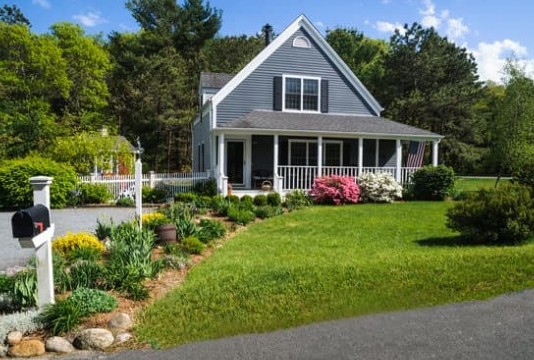
Buyers form an impression of your home before they walk through the door. The driveway, the lawn, the front entry, the mailbox, the condition of the exterior trim — all of it is being processed as they park and approach. A home with strong curb appeal signals that the property has been cared for, which sets a positive tone for everything that follows inside. A home that looks tired from the street makes buyers brace for problems before they've seen the kitchen.
In the Myrtle Beach market, where many buyers are considering homes while also picturing the lifestyle, exterior presentation carries extra weight. Salt air, humidity, and sun exposure take a toll on paint, trim, and landscaping faster than in inland markets. Staying ahead of those maintenance items is part of selling well here.
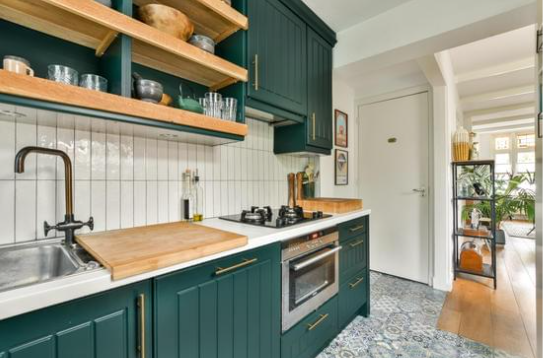 The Kitchen: Still the Room That Closes Deals
Buyers scrutinize the kitchen more than any other room. They're evaluating counter space, cabinet storage, appliance age, layout flow, and overall finish quality. A kitchen that feels functional and updated generates excitement. A kitchen that feels dated or cramped sends buyers calculating renovation costs before they've decided they want to buy.
You don't need a full renovation to make the kitchen competitive. Resurfaced or painted cabinet fronts, updated hardware, a new backsplash, and modern light fixtures can transform the room's feel at a fraction of full remodel cost. Ensure appliances are clean and presentable — a greasy stovetop or a stained refrigerator signals general neglect. Browse featured Grand Strand listings to see how competing homes are presenting their kitchens in your price range.
The Primary Suite: Privacy, Space, and Finish
After the kitchen, the primary bedroom and bathroom command the most attention. Buyers want to feel that the primary suite is a genuine retreat — spacious enough to feel comfortable, with a bathroom that is clean, well-lit, and updated at least to a modern baseline. Walk-in closet space is evaluated carefully, particularly by buyers who have lived through cramped storage situations.
Ensure the primary bathroom has working, bright light fixtures. Grout lines should be clean. Shower glass should be streak-free. These are small details that signal either care or neglect, and buyers read them accurately.
Light, Space, and Flow
Natural light is one of the most consistently mentioned factors in what buyers love about a home. Open all blinds and curtains before every showing. Replace any burned-out bulbs. Consider brighter bulb options in rooms that feel dim. A dark home feels smaller and less inviting regardless of its actual dimensions.
Buyers are also sensitive to how a home flows — how the rooms connect, whether the layout makes logical sense for daily living. Remove excess furniture to open traffic patterns. A room with one too many pieces of furniture feels smaller than the same room with the right amount of furniture, even if the square footage is identical.
Storage: More Critical Than Ever in 2026
Storage has moved up the priority list for buyers across all price ranges. Closet space, pantry space, garage storage, and utility areas are all being examined. Don't try to hide the fact that storage is limited — buyers will find out. Instead, maximize the presentation of whatever storage exists: clear out closets to 60–70% capacity so they appear spacious, organize pantry shelves, and ensure garage space is as clear as possible.
What Buyers Notice That Sellers Often Miss
Buyers open cabinet doors under sinks — they're checking for water stains and evidence of leaks. They run faucets. They flush toilets. They look at ceilings for water stains. They check whether windows open and close smoothly. They notice whether the HVAC filter is clean. None of these are dramatic issues in isolation, but they add up quickly, and a cluster of minor maintenance signals reads to buyers as a house that needs work.
Review your home through this lens before listing. Address any visible deferred maintenance — even minor items. See recently sold Grand Strand properties to understand how buyers in your price range are evaluating condition relative to asking price.
Red Flags That End Showings Early
Odor is the fastest showing-killer. Pet odors, cigarette smoke, and strong cooking smells cause buyers to emotionally exit within the first minute, regardless of how nice the rest of the home is. Have the home professionally cleaned, address carpet and upholstery odors, and use neutral air rather than heavy air fresheners, which buyers often associate with an attempt to cover something.
Beyond odor: visible mold or mildew, cracks in ceilings or foundations, evidence of water intrusion, and severely dated electrical panels are all items that cause buyers to either walk away or begin mentally discounting the price significantly before they've seen the rest of the house.
Preparing for the Showing
The day of a showing matters as much as the weeks of preparation before it. Make the home showing-ready every morning if it's actively listed: dishes put away, beds made, trash cans emptied, pets secured or removed. Leave the property for every showing — buyers who feel watched are buyers who don't connect. Turn on all lights and open all blinds before you leave.
Abe Safa coaches every seller through a showing preparation protocol before listing — part of the aggressive marketing and sharp negotiation approach he brings to every transaction. To understand the current buyer mindset in your specific market segment, start a conversation about what Myrtle Beach buyers are prioritizing in today's market. Contact Abe at (843) 360-2145 for a consultation.
Frequently Asked Questions
What is the most important room buyers focus on when touring homes in Myrtle Beach?
The kitchen consistently ranks as the most scrutinized room. Buyers evaluate counter space, cabinet storage, appliance age and condition, and overall layout flow. After the kitchen, the primary bedroom suite — particularly bathroom size and finish quality — draws the most attention. These two areas have an outsized influence on whether a buyer submits an offer.
How long do buyers typically spend touring a home?
Most buyers spend 15 to 30 minutes inside a home they are seriously considering. Showings that end in under 10 minutes typically mean the buyer has already ruled it out. Buyers who stay longer, open storage spaces, and ask detailed questions about systems and neighborhood are showing genuine interest.
Should I be home during a showing?
No. Sellers who remain in the home during showings make buyers uncomfortable and prevent honest conversation between the buyer and their agent. Leave the property for all scheduled showings and allow buyers to move at their own pace. A buyer who feels watched will rush through the home rather than genuinely connecting with it.
What turns buyers off immediately during a home tour?
Strong odors — from pets, smoke, or cooking — are the most commonly cited immediate deal-breakers in buyer surveys. Visible deferred maintenance, cluttered rooms, and poor lighting also register as significant negatives. Buyers associate these cues with hidden problems and often move on to the next property rather than negotiating around them.
How many homes do buyers typically tour before making an offer in Myrtle Beach?
Serious buyers in the Myrtle Beach market typically tour 5 to 10 homes before submitting an offer, though buyers in competitive price ranges may act more quickly when the right property appears. Online presentation — photos, video, and virtual tours — heavily filters who shows up for in-person showings, so buyers who arrive are already pre-screened.