- Horry County has some of the lowest property tax rates in South Carolina — primary residents benefit from a 4% assessment ratio vs. 6% for second homes and investment properties.
- The Legal Residence Exemption (4% rate) can save homeowners thousands per year compared to the 6% rate — but you must apply at the county assessor's office.
- New buyers should expect a reassessment when they purchase, which may significantly change the taxes from what the previous owner paid.
- School district millage rates vary slightly across Horry County and affect your total annual tax bill.
- Special assessments for fire districts, recreation, and stormwater can add to your base property tax — always review the full tax breakdown before buying.
Last updated: August 2026
Short answer: Horry County assesses primary residences at 4% of market value and all other properties at 6%, so a $400,000 home costs roughly $1,000 more per year in taxes as a second home than as a primary residence. Buyers should also expect a reassessment at the new purchase price after closing, since the seller's current tax bill often reflects an outdated, lower valuation.
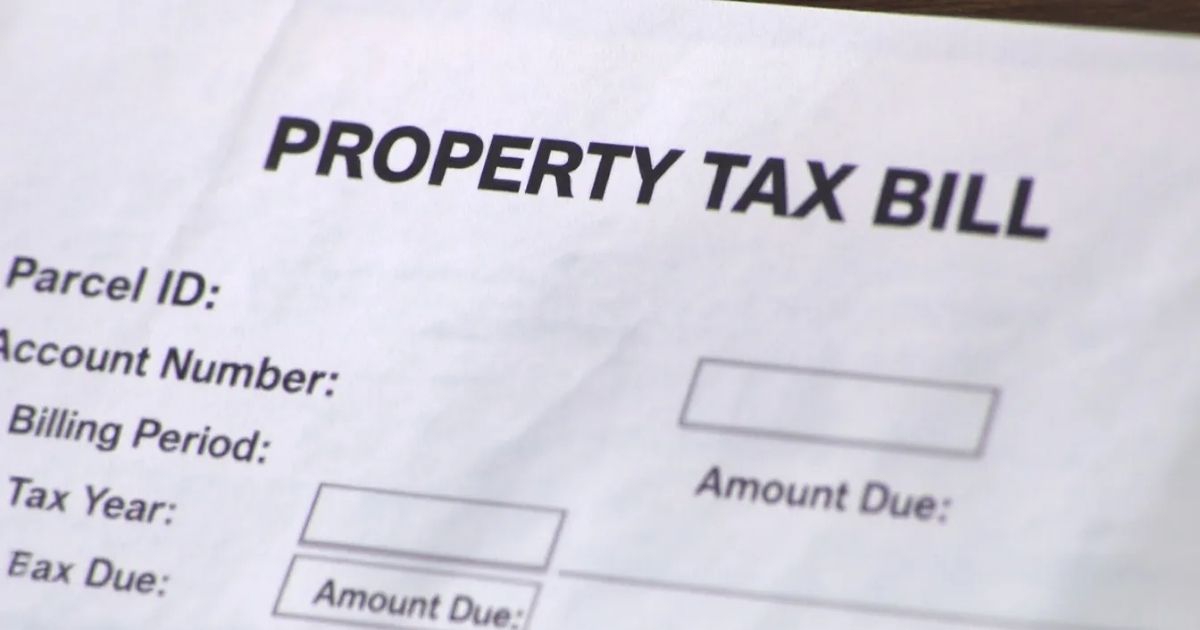 Property taxes are one of the most important — and frequently underestimated — costs of homeownership. For buyers considering a home or condo in Horry County, South Carolina, understanding how the local tax system works before closing can save significant money and prevent unpleasant surprises when that first tax bill arrives.
Horry County is home to Myrtle Beach, Conway, North Myrtle Beach, Surfside Beach, and dozens of other communities along the Grand Strand. The county's property tax structure rewards primary residents with substantially lower rates than second home or investment property owners — but only if you apply for the right exemptions. This guide walks you through everything a buyer needs to know.
How Does Horry County Calculate Property Taxes?
Horry County calculates property tax as Assessed Value × Millage Rate, where primary residences are assessed at 4% of market value and all other properties (second homes, rentals) at 6% — a difference that can mean over $1,000 more per year on the same home. The assessed value is not the same as market value — it's a percentage of market value determined by how you use the property.
4% Assessment Ratio (Legal Residence): If the home is your primary residence, South Carolina assesses it at 4% of its market value. On a $400,000 home, the assessed value would be $16,000. This is the lowest possible classification.
6% Assessment Ratio (All Other Properties): Second homes, vacation properties, rental properties, and any home not claimed as a primary residence are assessed at 6% of market value. On that same $400,000 home, the assessed value becomes $24,000 — 50% higher than the primary resident rate.
Millage rates in Horry County vary by location but typically range from about 100 to 160 mills depending on the municipality, fire district, and school zone. One mill equals $1 per $1,000 of assessed value. At 130 mills, the 4% primary resident pays roughly $2,080 per year while the 6% second-home owner pays $3,120 — a difference of over $1,000 annually on the same property.
If you're exploring the buying process and want to understand all the costs involved, our buyer resources provide a detailed breakdown of what to expect from contract to closing in Horry County.
How Do I Apply for the Legal Residence Exemption?
You apply directly at the Horry County Assessor's Office, typically by January 15 of the year after your purchase, with proof the property is your primary South Carolina residence. The 4% Legal Residence Exemption does not apply automatically — you must file the application yourself, and you should do so as soon as possible after closing.
To qualify, you must:
- Own and occupy the property as your primary legal residence
- Claim South Carolina as your state of domicile
- Not claim a homestead exemption or similar exemption in any other state
- Be able to provide documentation such as a SC driver's license, SC vehicle registration, or SC voter registration at the property address
Once approved, the exemption renews automatically unless your primary residence changes. If you purchase a Myrtle Beach home as a vacation or second property, you will not qualify for the 4% rate — and that difference compounds significantly over the years of ownership.
 What Happens to Taxes When You Buy?
One of the most important things to understand as a buyer in Horry County is that property taxes can change significantly when a home sells. South Carolina reassesses properties upon sale, meaning the tax you see on a listing may be based on the previous owner's assessed value — which could be far lower than what you'll pay after closing.
This is especially common in coastal markets where values have appreciated substantially. A seller who bought their condo 15 years ago may be paying taxes based on a much lower assessed value than the current market price would imply. After your purchase, Horry County will reassess the property at its new market value, and your tax bill will reflect that new baseline.
Always ask your real estate agent or closing attorney to pull a post-sale tax estimate based on the purchase price — not the seller's current bill. This protects you from budgeting based on numbers that won't apply once you're the owner. Understanding this dynamic is also relevant when you eventually decide to sell; see our seller resources for how property value and tax history can factor into your listing strategy.
What Other Taxes and Exemptions Should Buyers Know About?
Beyond the base property tax, buyers should watch for fire district assessments, special tax districts, municipal taxes if inside city limits, and the Homestead Exemption available to qualifying seniors and disabled residents.
Homestead Exemption: South Carolina offers an additional homestead exemption for residents who are 65 or older, totally and permanently disabled, or legally blind. This exempts the first $50,000 of the property's fair market value from school operating taxes — providing substantial additional savings for qualifying buyers.
Fire District Assessments: Many areas of Horry County are served by special fire protection districts that add a millage charge to the base tax. The rate varies by district.
Special Tax Districts: Some developments or municipalities include special assessments for amenities, stormwater management, or infrastructure. These are disclosed on the tax bill but are easy to overlook during the buying process.
County and Municipal Taxes: If you're buying within an incorporated municipality like Myrtle Beach or North Myrtle Beach, city taxes are added on top of county taxes. Properties in unincorporated areas of Horry County pay county taxes only.
For buyers simultaneously navigating financing, our post on securing a mortgage for a vacation home in South Carolina also touches on how property tax estimates factor into lender escrow calculations.
Frequently Asked Questions
What is the property tax rate in Horry County for a primary residence?
Primary residents in Horry County qualify for a 4% assessment ratio under the Legal Residence Exemption. The exact millage rate varies by location but typically ranges from 100 to 160 mills. On a $400,000 home assessed at 4%, the assessed value is $16,000. At 130 mills, the annual tax would be approximately $2,080 before any additional exemptions.
Do property taxes change when I buy a home in Horry County?
Yes. When a home sells in South Carolina, Horry County reassesses the property based on the sale price. This means the property taxes shown on the listing — based on the previous owner's assessed value — may be significantly lower than what you'll actually pay after closing. Always request a post-sale tax estimate based on your purchase price before committing to a budget.
How do I apply for the Legal Residence Exemption in Horry County?
You must apply at the Horry County Assessor's Office, typically by January 15 of the year following your purchase. You'll need to provide proof that the property is your primary legal residence in South Carolina, such as an SC driver's license, vehicle registration, or voter registration at the property address. The exemption reduces your assessment ratio from 6% to 4%.
Are property taxes higher for second homes in Myrtle Beach?
Yes. Second homes, vacation properties, and investment properties are assessed at a 6% ratio instead of 4%, which increases the taxable assessed value by 50% compared to a primary residence. On a $400,000 property, this difference results in approximately $1,000 or more in additional annual taxes depending on the local millage rate.
Does South Carolina offer any property tax relief for seniors buying in Horry County?
Yes. The South Carolina Homestead Exemption exempts the first $50,000 of a property's fair market value from school operating taxes for residents who are 65 or older, totally and permanently disabled, or legally blind. Qualifying residents must apply at the Horry County Auditor's Office. This exemption is in addition to the Legal Residence 4% assessment ratio.