Owning an oceanfront condo in Myrtle Beach is one of the most rewarding real estate decisions a person can make — waking up to the sound of waves, walking to the beach in minutes, and building equity in a property that also generates vacation rental income.
It is also important to understand that buying oceanfront is can be more complex than purchasing a standard condo.
This ultimate guide covers everything you need to know before you sign a contract.
Define Your Primary Purpose First
Are you buying primarily as a personal vacation retreat, a full-time residence, or an investment property? Your answer shapes every decision that follows. Personal use buyers may prioritize amenities and layout above all else. Investment buyers need to analyze rental yield, HOA rules around renting, and occupancy data. Buyers doing both need to find properties that balance personal enjoyment with rental performance — and those exist throughout the Grand Strand.
Understanding Oceanfront vs. Ocean View vs. Ocean Side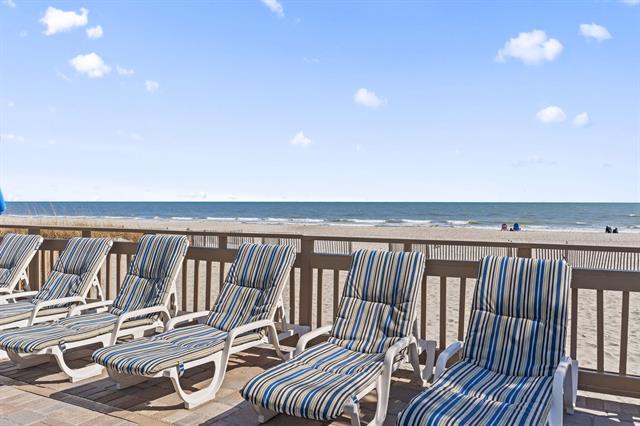
These distinctions matter enormously to both value and lifestyle. True oceanfront means your building sits directly on the beach with unobstructed views from your unit. Ocean view means you can see the ocean, but may not be directly on it. Ocean side means your building is on the ocean side of a highway but may have partial or no water view. Price differences between these categories can be dramatic — know exactly what you're buying before you make an offer.
Browse available Myrtle Beach condos for sale and filter by your preferred location and ocean proximity to see the current inventory across all categories.
Financing Oceanfront Condos: What to Know
Financing an oceanfront condo can be more complex than a standard residential purchase. Some condo buildings — particularly "condotels" that operate like hotels — are not eligible for conventional Fannie Mae/Freddie Mac financing. Buildings with high investor concentration (typically more than 35-50% of units owned as non-primary residences) can also face conventional financing restrictions. Before you fall in love with a specific unit, have a lender pre-screen the building for financing eligibility. Cash buyers face no such restrictions.
HOA Financial Health: The Due Diligence That Most Buyers Skip
The HOA is responsible for maintaining the building you're buying into. A poorly managed HOA with underfunded reserves can mean special assessments — unexpected one-time charges that can run from a few thousand to tens of thousands of dollars. Request the HOA's reserve study, most recent financial statements, and meeting minutes. Look for a reserve fund adequately funded at 70% or higher, no pending litigation, and no announced special assessments.
Insurance: The Cost That Surprises Many Buyers
Oceanfront properties require robust insurance coverage — and premiums have risen significantly in coastal markets. Budget for flood insurance (often required by lenders), wind/hurricane coverage, and the HOA's master insurance policy. Review the HOA's master policy carefully to understand what it covers versus what you'll need in your individual unit policy. Insurance costs can meaningfully impact your overall ownership economics and should be factored into your purchase analysis.
Rental Rules and Income Potential
Not all oceanfront condos allow short-term rentals, and those that do have varying rules about minimum stay periods, rental management requirements, and revenue sharing with the HOA. Verify the rental rules before purchasing if income is part of your plan. For properties that do allow rentals, request historical rental data from the seller or rental management company. Gross annual rental income on popular oceanfront units can be substantial — but don't rely solely on projected numbers without verification.
Visit the buying page for a comprehensive overview of the purchase process, buyer resources, and current market conditions for Myrtle Beach condos.
Choosing the Right Building and Floor
Not all floors are equal. Higher floors typically offer better views and command premium prices. Lower floors are sometimes preferred by families with young children or buyers who want easier beach access. Corner units offer additional windows and views but may also have more exterior wall exposure. Understanding these nuances — and which buildings have the best track records for maintenance and management — is where an experienced local agent becomes invaluable.
Work With a Local Specialist
Buying oceanfront is not a transaction for a generalist agent. The financing nuances, HOA documentation requirements, building-specific quirks, and negotiation strategy all benefit from deep local expertise. Abe Safa has specialized in Grand Strand condo sales for 38 years, with over 1,300 closings. That depth of experience means your purchase is guided by someone who has seen virtually every scenario — and knows how to protect your interests at every step.
Frequently Asked Questions
What should I look for when buying an oceanfront condo in Myrtle Beach?
Focus on four key areas: building financial health (reserve fund adequacy, HOA stability), unit condition (HVAC age, appliances, balcony integrity), rental income history if it's an investment, and floor level versus view trade-offs. Oceanfront units on higher floors with unobstructed views command premium prices and stronger rental demand — but always verify that the balcony and exterior have been properly maintained against salt-air corrosion.
How do financing rules differ for oceanfront condos compared to inland properties?
Oceanfront condo financing is more complex. Lenders evaluate the building's owner-occupancy ratio, litigation history, reserve funding, and whether the building is warrantable under Fannie Mae or Freddie Mac guidelines. Many oceanfront buildings in Myrtle Beach are non-warrantable, requiring portfolio lenders with higher down-payment requirements. Working with a lender experienced in coastal condo financing is essential.
Are there special insurance requirements for oceanfront condos in South Carolina?
Yes. Buyers must carry wind and hail insurance in addition to standard homeowners coverage, and flood insurance through NFIP or a private carrier is typically required. The HOA's master policy covers the building structure, but individual unit owners are responsible for interior coverage. Review the master policy carefully to understand what is and isn't included before closing.
What are the most common mistakes buyers make when purchasing an oceanfront condo?
The most common mistakes include skipping a professional inspection (salt-air damage is often hidden), underestimating HOA fee increases, failing to review the building's reserve study, and relying on seller-provided rental income projections without verifying actual net numbers. Buyers also frequently overlook special assessments that may be pending or recently approved by the HOA board.
How does an oceanfront condo hold its value compared to other Myrtle Beach properties?
True oceanfront condos — especially in well-maintained buildings with strong rental programs — have historically held value better than inland or ocean-view properties during market downturns. Limited oceanfront inventory and consistent vacation demand create a natural price floor. However, building age, HOA financial health, and deferred maintenance can significantly impact long-term appreciation.