Life on the Grand Strand: The MyrtleBeachCondos.Net Blog

You’ll find our blog to be a wealth of information, covering everything from local market statistics and home values to community happenings. That’s because we care about the community and want to help you find your place in it. Please reach out if you have any questions at all. We’d love to talk with you!

Aug. 4, 2026

The Grand Strand Relocation Checklist for Remote Workers

KEY TAKEAWAYS
  • Myrtle Beach offers remote workers affordable housing, warm weather, and a cost of living well below most major metros.
  • The Grand Strand stretches 60+ miles — choosing the right area matters as much as choosing the right home.
  • Getting pre-approved before your search trip puts you in a strong position when the right property appears.
  • South Carolina taxes primary residences at a 4% rate — significantly lower than the 6% applied to second homes and investment properties.
  • A local agent who specializes in out-of-state buyers can preview homes remotely and manage your timeline from a distance.

Relocation and working from homeThe remote work revolution has made geography optional for millions of Americans — and a growing number of them are landing in Myrtle Beach. With affordable housing, year-round sunshine, and none of the big-city congestion, the Grand Strand has become one of the most searched relocation destinations in the Southeast. But moving across state lines requires more than a U-Haul and good intentions. This checklist walks you through every step of relocating to the Grand Strand as a remote worker, so nothing gets missed.

Step 1: Clarify Your Remote Work Setup Before You Move

Before you start browsing listings, confirm your remote work situation is stable. Verify your employer's remote policy allows you to work from South Carolina, understand how your taxes may shift (SC has 

a flat 6.4% income tax rate — lower than most Northeast and West Coast states), and ensure reliable high-speed internet is available at any property you consider. Most of the Grand Strand's residential areas are served by Spectrum and HTC, with fiber options expanding — but always verify speeds for a specific address before signing any contract.

Step 2: Choose the Right Part of the Grand Strand

The Grand Strand stretches over 60 miles, and different areas have very different characters. North Myrtle Beach and Little River offer quieter, more residential settings popular with families and retirees. The central Myrtle Beach corridor is more commercial and tourist-facing. The south end — Surfside Beach, Garden City, and Murrells Inlet — is especially popular with remote workers seeking a laid-back lifestyle without tourist traffic. Murrells Inlet's Marshwalk dining district and quieter pace have made it a standout choice for professionals relocating from Northeast metros. Take time to explore the full stretch before narrowing your search.

Step 3: Set a Realistic Budget Using Local Data

The Grand Strand's housing costs are significantly lower than most major metros, but prices have risen sharply since 2020. As of 2026, the median single-family home price in Horry County hovers around $300,000–$320,000, while condos range from $150,000 for inland units to $600,000+ for oceanfront properties. Factor in HOA fees — which can range from $150 to $1,500/month depending on amenities — as well as property insurance, which is higher near the coast due to wind and flood exposure. Our complete cost of living breakdown for Myrtle Beach will help you sharpen your numbers before committing.

Step 4: Get Pre-Approved Before Your Search Trip

One of the most common mistakes out-of-state buyers make is visiting properties before they have financing in place. In a market where well-priced homes regularly go under contract within days, showing up without pre-approval means you cannot make a competitive offer when the right property appears. Contact a lender — ideally one experienced with out-of-state buyers — and get your pre-approval letter before you book your flights. If you are paying cash, have proof of funds ready. Review the complete home buying process for Myrtle Beach to understand every step from offer to closing.

Step 5: Plan a Multi-Day Search Trip Shop the entire area

A weekend visit is rarely enough to make one of the largest financial decisions of your life. Plan for three to five days minimum. Use the first day to drive the full corridor from Little River to Murrells Inlet without looking at a single home — just get a feel for the geography, traffic patterns, and vibe of each community. Days two and three can be dedicated to property tours, and use the final day to revisit your top picks and ask questions about the neighborhoods. Schedule early morning visits for beachside properties to see how busy they get, and consider visiting outside of peak summer season if you want an accurate sense of everyday life.

Step 6: Work with a Local Agent Who Knows Relocation

Relocation buyers have unique needs that a generalist agent may not anticipate. You need someone who can preview homes on your behalf when you are not in town, conduct video walkthroughs, coordinate with out-of-state lenders, and manage a timeline that accounts for your current lease or home sale. The Abe Safa Sales Team has extensive experience helping out-of-state buyers navigate the Grand Strand market, from initial search through closing. Having local expertise on your side is especially valuable when competing with buyers who already live in the area.

Step 7: Understand South Carolina Property Tax Rules

South Carolina offers one of the most favorable property tax structures in the Southeast for primary residents. Homes designated as your primary residence are taxed at a 4% assessment ratio, compared to 6% for second homes or investment properties. The difference can save you thousands per year on a typical Grand Strand home. To receive the 4% rate, file for the Legal Residence exemption with the Horry County Assessor's office after closing — it requires proof of domicile such as a SC driver's license, voter registration, or vehicle registration. This exemption does not apply automatically.

Step 8: Handle the Logistics of the Move Itself

Moving to the Grand Strand from out of state involves more logistics than a local move. Research moving companies that specialize in interstate relocations and get at least three quotes. Consider the timing carefully — summer months (May through August) are peak season for both moving companies and the local real estate market, meaning higher rates and less availability. Fall and early spring are generally the most efficient times to relocate. Update your driver's license and vehicle registration within 90 days of establishing SC residency, and set up utilities — electricity (Santee Cooper or Conway National Bank service area), water, trash, and internet — at least two weeks before your move-in date.

Frequently Asked Questions

Is Myrtle Beach a good place for remote workers?

Yes — Myrtle Beach offers remote workers an attractive combination of affordable housing, warm year-round weather, a cost of living well below most major metros, and a lower flat income tax rate than states like New York, California, and New Jersey. High-speed internet from providers like Spectrum and HTC serves most residential areas, and fiber options are expanding throughout the Grand Strand.

What should remote workers look for when buying a home in the Grand Strand?

Remote workers should prioritize reliable high-speed internet availability, a dedicated workspace or room that can function as a home office, low HOA fees, and proximity to amenities like grocery stores and healthcare. Quiet neighborhoods on the south end of the Grand Strand, such as Surfside Beach and Murrells Inlet, are popular with professionals who want to avoid tourist congestion while still enjoying the coastal lifestyle.

How long does it take to relocate from out of state to Myrtle Beach?

The timeline from initial search to closing typically runs 60 to 120 days for out-of-state buyers, depending on the market and financing. Allow additional time for your move itself — interstate moves can take one to two weeks to coordinate. Most relocators benefit from at least one multi-day in-person visit before making an offer, which adds to the overall timeline.

Do I need a local real estate agent to relocate to Myrtle Beach?

While it is technically possible to purchase without a local agent, doing so significantly increases your risk as an out-of-state buyer. A local agent can preview homes on your behalf, provide real-time market insights, catch issues that do not appear in photos, and negotiate on your timeline. Buyer's agents are compensated by the seller in most Grand Strand transactions, so using one costs you nothing.

What are the property tax implications of relocating to Myrtle Beach?

South Carolina taxes primary residences at a 4% assessment ratio, compared to 6% for secondary homes. For a home assessed at $300,000, this difference can save $1,500 to $2,000 or more per year depending on the local millage rate. To receive the lower rate, you must file for the Legal Residence exemption with the Horry County Assessor's office after closing and provide proof of primary residency in South Carolina.



Abe Safa

Abe Safa

Top Listing Agent | Century 21 Harrelson Group

Abe has lived in Myrtle Beach since 1988. He leads the Abe Safa Sales Team at Century 21 Harrelson Group, specializing in selling homes and condos across the Grand Strand. Known for aggressive marketing, sharp negotiation, and calm leadership through closing.

📞 (843) 360-2145 / 📧 asafa@c21harrelson.com / 📺 YouTube

Relocating to the Grand Strand? Call or text for expert local guidance and a free home search consultation.

Posted in Buyer Tips
June 11, 2026

Pre-Listing Inspections: Are They Worth It for Sellers in SC?

Pre-listing inspections typically cost $300–$500 in the Myrtle Beach market — far less than the first price reduction a surprised buyer typically requests.

The strongest argument for a pre-listing inspection is control: you decide what to fix, what to disclose, and how to price, rather than reacting to a buyer's inspector under contract pressure.

inspections in SC

KEY TAKEAWAYS
  • A pre-listing inspection lets you find and address problems before buyers discover them — reducing negotiation surprises and protecting your asking price.
  • In South Carolina, defects identified in a pre-listing inspection become known material defects that must be disclosed — knowing this upfront shapes how you use the results.
  • Whether to get one depends on the condition of your home, your market segment, and your agent's read on what buyers in your price range are expecting.

One of the most common questions Myrtle Beach sellers ask before listing is whether to pay for their own home inspection before putting the property on the market. The answer isn't the same for every property or every seller — but understanding the trade-offs clearly will help you make the right call for your situation.

What Is a Pre-Listing Inspection?

A pre-listing inspection is a standard home inspection commissioned by the seller rather than the buyer. A licensed home inspector evaluates the property's major systems and components — roof, HVAC, plumbing, electrical, foundation, windows, and more — and provides a written report detailing findings.

The seller receives this report before listing. They can then decide which items to repair, which to disclose, and how to factor condition into the asking price. Sellers sometimes make the report available to potential buyers as a transparency tool during showings.

The Case FOR a Pre-Listing Inspection

Control over the narrative. When buyers discover defects through their own inspector after going under contract, they hold the leverage. They can request repairs, credits, or a price reduction — and the seller is operating under time pressure to respond. A pre-listing inspection shifts that dynamic: you find the issues first, decide how to handle them on your own timeline, and present a home that buyers perceive as lower-risk.

Fewer contract blow-ups. In the Grand Strand market, deals that fall apart during the inspection period are a significant source of seller frustration. A pre-listing inspection surfaces the items most likely to trigger objections, giving you the opportunity to resolve them before any contract exists. Review Myrtle Beach seller resources to understand how inspection issues typically affect deal timelines in the current market.

Price support. A seller who can document that the home has been inspected, that known issues have been repaired, and that a recent inspection report is available to buyers is pricing from a position of strength. Buyers and their agents perceive the property as lower-risk, which supports the asking price through the negotiation phase.

Faster closes. When the inspection period is less contentious — because major surprises have already been addressed — transactions move more smoothly from contract to closing.

The Case AGAINST a Pre-Listing Inspection

Disclosure obligations in South Carolina. This is the most important consideration. South Carolina sellers are required to disclose known material defects — issues that could affect the property's value or a buyer's decision to purchase. If you commission a pre-listing inspection and review the report, the defects it identifies become known to you. You now have a legal obligation to disclose them. Some agents advise sellers in excellent condition homes to skip the pre-listing inspection specifically to avoid creating this paper trail.

Not all findings are deal-relevant. Inspectors flag everything from significant structural concerns to minor code observations that most buyers and their agents will overlook entirely. A long inspection report can make a home seem more problematic than it is, even if most findings are minor.

Cost without guaranteed benefit. If your home is relatively new and well-maintained, a pre-listing inspection may produce a clean report that confirms what you already suspected — at a cost of several hundred dollars. In that case, the investment may not provide meaningful additional value beyond peace of mind.

What You Must Disclose in South Carolinadisclosure

South Carolina's seller disclosure law requires that sellers complete a Residential Property Condition Disclosure Statement, revealing known material defects. "Known" is the operative word. If you haven't had an inspection, you can only disclose what you actually know. If you have had one, the bar for "known" rises significantly.

This is not a reason to hide problems — it's a reason to be strategic about when and how you gain formal knowledge of them. An experienced listing agent will help you navigate this correctly for your specific situation. See recent Grand Strand closings to understand how condition and disclosure issues have affected comparable transactions.

What Pre-Listing Inspections Cost in Myrtle Beach

Standard home inspections in the Myrtle Beach area run $300 to $500 for most single-family homes and condos, depending on property size and age. If you want specialty inspections — termite/WDO inspection, mold testing, or HVAC-specific evaluation — expect to add another $100 to $250 per specialty inspection.

Put that cost in context: the average buyer inspection objection in this market requests between $3,000 and $8,000 in repairs or credits for a property with deferred maintenance. The pre-listing inspection investment is small relative to the negotiating position it creates.

What to Do With the Results

If you commission a pre-listing inspection, have a plan before you open the report. Talk to your agent first about the strategy: which findings will you repair, which will you price into the asking price, and which will you simply disclose. Not every finding requires a repair — some issues are better handled through transparent pricing than through renovation.

Items worth fixing proactively are typically those that will show up on every buyer's inspection and generate predictable objections: roof concerns, HVAC service needs, plumbing leaks, and electrical panel issues. These are the items that give buyers the most leverage and the most concern. The Myrtle Beach real estate market report can help you calibrate buyer expectations in your price range.

Our Recommendationhome inspection report

For most Myrtle Beach sellers with homes more than 10 years old, or homes that have had any significant systems replacements or repairs, a pre-listing inspection is generally worth the investment — provided you have an agent-guided strategy for how to use the results. For newer homes in excellent condition, it may add less value.

Abe Safa discusses pre-listing inspection strategy with every seller before listing. His 38 years of experience in the Grand Strand market give him a sharp read on which findings matter to buyers in specific price ranges, what buyers' inspectors typically focus on in this climate, and how to position your home's condition most favorably. Call (843) 360-2145 to talk through your property specifically.

Frequently Asked Questions

Do I have to disclose a pre-listing inspection to buyers in South Carolina?

In South Carolina, sellers must disclose known material defects that could affect the property's value or the buyer's decision to purchase. If you commission a pre-listing inspection and review the report, the defects identified are now known to you and must be disclosed. This is one reason some agents advise against getting a pre-listing inspection — once you know something, you own it legally.

How much does a pre-listing inspection cost in Myrtle Beach?

Home inspections in the Myrtle Beach market typically run $300 to $500 for a standard single-family home or condo, depending on size and age of the property. Specialty inspections — for termites, mold, or HVAC systems — cost extra. The total pre-listing inspection investment is generally less than the first price reduction a surprised buyer might request after their own inspector finds something.

What happens if the buyer's inspector finds things my inspector missed?

Pre-listing inspections and buyer's inspections are both imperfect. Inspectors are generalists and work visually — they don't open walls or run exhaustive tests. A buyer's inspector may still find items your inspector didn't flag, particularly if they use different methods or have different levels of thoroughness. A pre-listing inspection reduces surprise but does not eliminate it entirely.

Should I fix everything a pre-listing inspection finds?

Not necessarily. Some items are worth repairing proactively — particularly deferred maintenance that buyers will always request in an offer. Others may be better disclosed as-is and reflected in the pricing. Your agent can help you evaluate which repairs are likely to generate the strongest return relative to their cost, and which issues are better handled through pricing transparency rather than renovation.

Does a pre-listing inspection help my home sell faster?

In many cases, yes. When sellers can provide a recent inspection report and documentation of repairs made, buyers and their agents see the home as lower-risk. This can reduce the length and intensity of inspection negotiations, encourage faster offer decisions, and support the asking price. A home that feels transparent and well-maintained moves more quickly than one where buyers feel they're guessing about condition.


Abe Safa

Abe Safa

Top Listing Agent | Century 21 Harrelson Group

Abe has lived in Myrtle Beach since 1988. He leads the Abe Safa Sales Team at Century 21 Harrelson Group, specializing in selling homes and condos across the Grand Strand. Known for aggressive marketing, sharp negotiation, and calm leadership through closing.

📞 (843) 360-2145 / 📧 asafa@c21harrelson.com / 📺 YouTube

Selling a home or condo on the Grand Strand? Call or text for a no-obligation valuation.

Posted in Seller Tips
June 10, 2026

The Best Neighborhoods in Myrtle Beach for Families and Young Professionals

The Grand Strand spans more than 60 miles and includes communities that feel completely different from one another. For buyers comparing neighborhoods, the differences in schools, lifestyle, price, and character can be as significant as the differences in the homes themselves. Here is a practical breakdown of the best neighborhoods in Myrtle Beach for families and young professionals.


KEY TAKEAWAYS
  • Carolina Forest is the Grand Strand's most popular family neighborhood — strong schools, newer construction, suburban amenities, and prices well below comparable beachfront areas.
  • Market Common is Myrtle Beach's most walkable neighborhood and consistently tops the list for young professionals seeking a lifestyle-forward community with restaurants, parks, and events.
  • Murrells Inlet and Surfside Beach offer established, quieter alternatives for families who want proximity to the beach without the noise and congestion of Myrtle Beach proper.
  • The best neighborhood for you depends on your stage of life, school priorities, commute needs, and whether you value beach access, walkability, or suburban quiet.
  • Working with a local agent who knows all of these communities personally — not just from a map — ensures you end up in the right area for your specific lifestyle.

Carolina Forest — Top Choice for Familiescarolina forest

Carolina Forest has become the Grand Strand's most sought-after family neighborhood over the past two decades, and for clear reasons. Located off Highway 501, approximately 10–15 minutes from the beach, it offers one of the best combinations of school quality, suburban infrastructure, and value in the entire Horry County market.

The area is served by Carolina Forest High School and its feeder schools, which are consistently among the most regarded in Horry County Schools. The community features large planned subdivisions with community pools and parks, newer construction homes across a wide range of price points, and a fully developed commercial corridor with major retailers, restaurants, and healthcare facilities. For families prioritizing public school quality and a true suburban environment, Carolina Forest is typically the starting point.

Market Common — The Lifestyle Choice for Young Professionals

Market Commons

Developed on the site of a former Air Force base, Market Common is the most distinctive neighborhood in Myrtle Beach — a walkable, mixed-use community built around a central retail and dining district. Wide sidewalks, green spaces, community events, and restaurants make it feel unlike anywhere else on the Grand Strand.

For young professionals, the appeal is clear: you can walk to dinner, walk to the gym, and participate in a genuine community calendar without needing a car. Homes range from townhomes and condos in the mid-$200,000s to larger single-family properties above $400,000. It's also one of the best locations for rentals, which makes it a strong investment area for buyers who might later want to generate income from the property. See the Myrtle Beach real estate market report for current pricing trends in Market Common and surrounding areas.

Barefoot Resort and North Myrtle Beach — Balanced Appeal

Barefoot Resort

North Myrtle Beach, particularly the Barefoot Resort corridor, offers a different character than Myrtle Beach proper — quieter streets, strong golf infrastructure, resort-style amenities, and a more established residential feel. It appeals to both young professionals who want a quieter base than downtown Myrtle Beach and families who prefer a lower-density environment.

The Cherry Grove section of North Myrtle Beach is particularly popular with families for its strong sense of community and beach access. Barefoot Landing provides entertainment and dining without the intensity of the Myrtle Beach oceanfront strip.

Murrells Inlet — Established, Quiet, and Community-Driven

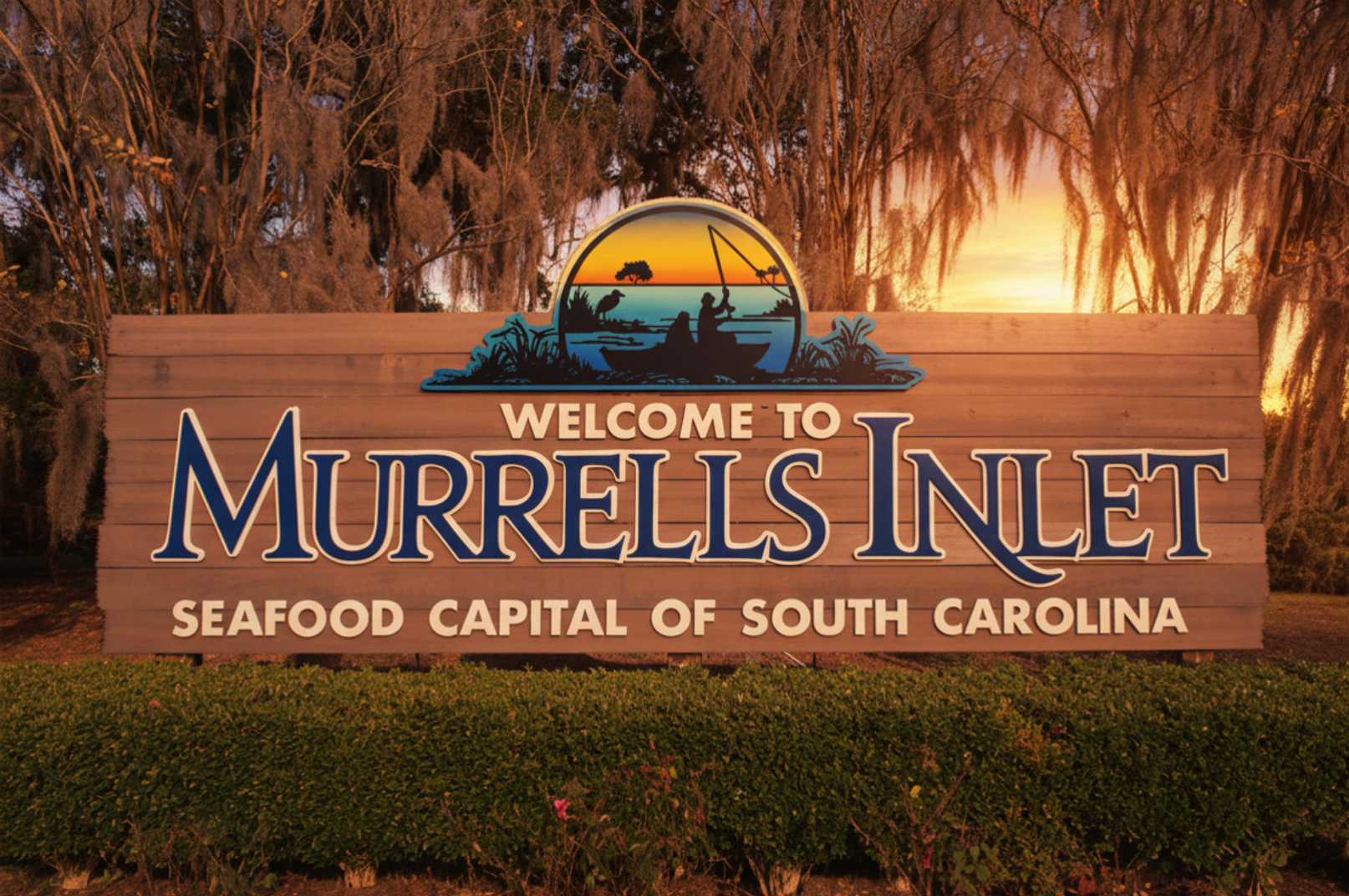
Murrells inlet

Murrells Inlet sits south of Myrtle Beach and draws buyers who want a slower pace without sacrificing coastal access. Known for its Marshwalk — a waterfront boardwalk lined with some of the Grand Strand's best seafood restaurants — Murrells Inlet has the character of a genuine coastal community rather than a resort town.

For families, the area offers established neighborhoods, proximity to excellent seafood, fishing culture, and a school district that feeds into St. James High School — regarded as one of the strongest schools in Horry County. For young professionals with remote flexibility who want to be away from the tourist corridor, Murrells Inlet is an increasingly popular choice. View recent closed sales across the Grand Strand to compare Murrells Inlet pricing against other communities.

Surfside Beach — Classic Family Community

Surfside Beach

Surfside Beach bills itself as "the family beach," and the character matches. It is quieter than Myrtle Beach proper, with a more residential feel along the oceanfront and a strong year-round community. The downtown area hosts family-friendly events, and the beach itself is less commercialized than the Myrtle Beach strip.

Pricing in Surfside Beach tends to be slightly higher than comparable square footage inland due to the proximity to the ocean, but the community consistently ranks among the most livable on the Grand Strand for families with young children.

How to Choose the Right Neighborhood

The right neighborhood for you depends on a handful of specific factors. For families: school quality (verify specific school assignments by address, not just district-level ratings), proximity to extracurricular activities, commute requirements, and whether you want new construction or established homes. For young professionals: walkability, nightlife and dining access, rental investment potential, and proximity to employers or airports.

Every buyer's situation is different. Abe Safa has lived in Myrtle Beach since 1988 and knows each of these communities at a personal level — which subdivisions are seeing appreciation, where the HOA structures are strong, and which areas have infrastructure development that affects long-term value. If you're evaluating neighborhoods and want a local perspective that goes beyond a zip code search, explore the Myrtle Beach seller and buyer resource hub or call (843) 360-2145 directly.

Frequently Asked Questions

What is the best neighborhood in Myrtle Beach for families with school-age children?

Carolina Forest consistently ranks as the top choice for families prioritizing school quality and suburban amenities. Horry County's Carolina Forest schools are among the district's most sought-after, and the area offers newer construction homes, community pools, parks, and proximity to major retail without the tourism congestion of the beachfront corridor.

Which Myrtle Beach neighborhoods are most popular with young professionals?

Market Common is the most walkable, lifestyle-oriented neighborhood in Myrtle Beach and consistently appeals to young professionals seeking a community feel with restaurants, retail, parks, and events within walking distance. Downtown Myrtle Beach offers some of the most affordable entry-level options with proximity to entertainment and nightlife. North Myrtle Beach, particularly near Barefoot Resort, offers a quieter alternative with strong value.

Is Carolina Forest a good place to live in Myrtle Beach?

Yes. Carolina Forest has grown significantly over the past two decades and now offers one of the most complete suburban environments in the Grand Strand. It is located off Highway 501, approximately 10 to 15 minutes from the beach, and features a wide range of home sizes and price points, strong schools, and well-developed commercial corridors.

What is the average home price in Market Common, Myrtle Beach?

Homes in the Market Common area of Myrtle Beach generally range from the mid-$200,000s for smaller townhomes to $400,000 and above for larger single-family properties, though prices have shifted with broader market conditions. The area's walkable lifestyle commands a modest premium over comparable square footage elsewhere in Myrtle Beach.

Are there affordable neighborhoods in Myrtle Beach for first-time buyers?

Yes. The Socastee area south of Myrtle Beach offers some of the most affordable single-family home options in the market. Parts of Conway (Horry County's county seat, approximately 15 miles inland) provide entry-level pricing well below the coast. Within Myrtle Beach proper, the northern end of the city and some condo communities along the ocean offer the lowest price-per-square-foot options.


Abe Safa

Abe Safa

Top Listing Agent | Century 21 Harrelson Group

Abe has lived in Myrtle Beach since 1988. He leads the Abe Safa Sales Team at Century 21 Harrelson Group, specializing in selling homes and condos across the Grand Strand. Known for aggressive marketing, sharp negotiation, and calm leadership through closing.

📞 (843) 360-2145 / 📧 asafa@c21harrelson.com / 📺 YouTube

Buying or selling in the Grand Strand? Call or text Abe for a no-obligation consultation.

Posted in Beach News
June 9, 2026

What Buyers Look For When Touring Myrtle Beach Homes in 2026

In the Grand Strand market, a buyer's decision to make an offer is rarely made at the end of a careful analysis. It happens during the showing — often within the first few minutes. Understanding what buyers are actually looking for when they walk through a home gives sellers a decisive advantage in how they prepare, price, and present their property.

KEY TAKEAWAYS
  • Buyers decide within the first 30 seconds whether they can picture themselves in a home — curb appeal, entryway, and odor make or break that first impression before a word is spoken.
  • The kitchen and primary suite are the two rooms that most directly drive offer decisions; both must be clean, well-lit, and free of obvious deferred maintenance.
  • Clutter, pet odors, and poor lighting are the three most common reasons buyers mentally exit a showing before they've seen half the house.
  • Buyers in 2026 arrive at showings having already reviewed the photos, video, and floor plan — they're not exploring, they're confirming. Make sure reality exceeds the listing.
  • Leaving the home during showings is non-negotiable; buyers who feel watched don't open cabinets, ask honest questions, or emotionally connect with the property.

First Impressions: Before They Even Step Insidecurb appeal

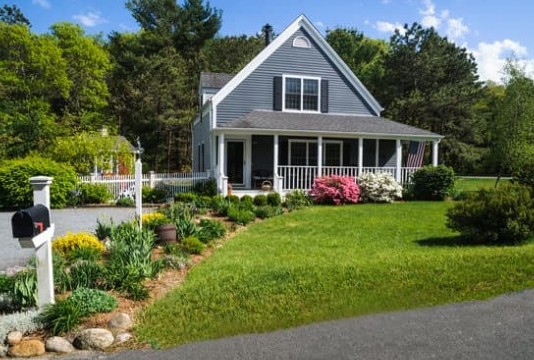
Buyers form an impression of your home before they walk through the door. The driveway, the lawn, the front entry, the mailbox, the condition of the exterior trim — all of it is being processed as they park and approach. A home with strong curb appeal signals that the property has been cared for, which sets a positive tone for everything that follows inside. A home that looks tired from the street makes buyers brace for problems before they've seen the kitchen.

In the Myrtle Beach market, where many buyers are considering homes while also picturing the lifestyle, exterior presentation carries extra weight. Salt air, humidity, and sun exposure take a toll on paint, trim, and landscaping faster than in inland markets. Staying ahead of those maintenance items is part of selling well here.

kitchens and real estateThe Kitchen: Still the Room That Closes Deals

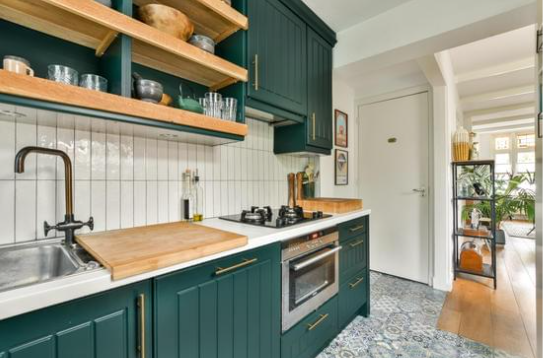
Buyers scrutinize the kitchen more than any other room. They're evaluating counter space, cabinet storage, appliance age, layout flow, and overall finish quality. A kitchen that feels functional and updated generates excitement. A kitchen that feels dated or cramped sends buyers calculating renovation costs before they've decided they want to buy.

You don't need a full renovation to make the kitchen competitive. Resurfaced or painted cabinet fronts, updated hardware, a new backsplash, and modern light fixtures can transform the room's feel at a fraction of full remodel cost. Ensure appliances are clean and presentable — a greasy stovetop or a stained refrigerator signals general neglect. Browse featured Grand Strand listings to see how competing homes are presenting their kitchens in your price range.

The Primary Suite: Privacy, Space, and Finish

After the kitchen, the primary bedroom and bathroom command the most attention. Buyers want to feel that the primary suite is a genuine retreat — spacious enough to feel comfortable, with a bathroom that is clean, well-lit, and updated at least to a modern baseline. Walk-in closet space is evaluated carefully, particularly by buyers who have lived through cramped storage situations.

Ensure the primary bathroom has working, bright light fixtures. Grout lines should be clean. Shower glass should be streak-free. These are small details that signal either care or neglect, and buyers read them accurately.

Light, Space, and Flownatural lighting

Natural light is one of the most consistently mentioned factors in what buyers love about a home. Open all blinds and curtains before every showing. Replace any burned-out bulbs. Consider brighter bulb options in rooms that feel dim. A dark home feels smaller and less inviting regardless of its actual dimensions.

Buyers are also sensitive to how a home flows — how the rooms connect, whether the layout makes logical sense for daily living. Remove excess furniture to open traffic patterns. A room with one too many pieces of furniture feels smaller than the same room with the right amount of furniture, even if the square footage is identical.

Storage: More Critical Than Ever in 2026

Storage has moved up the priority list for buyers across all price ranges. Closet space, pantry space, garage storage, and utility areas are all being examined. Don't try to hide the fact that storage is limited — buyers will find out. Instead, maximize the presentation of whatever storage exists: clear out closets to 60–70% capacity so they appear spacious, organize pantry shelves, and ensure garage space is as clear as possible.

What Buyers Notice That Sellers Often Miss

Buyers open cabinet doors under sinks — they're checking for water stains and evidence of leaks. They run faucets. They flush toilets. They look at ceilings for water stains. They check whether windows open and close smoothly. They notice whether the HVAC filter is clean. None of these are dramatic issues in isolation, but they add up quickly, and a cluster of minor maintenance signals reads to buyers as a house that needs work.

Review your home through this lens before listing. Address any visible deferred maintenance — even minor items. See recently sold Grand Strand properties to understand how buyers in your price range are evaluating condition relative to asking price.

Red Flags That End Showings Earlyred flags

Odor is the fastest showing-killer. Pet odors, cigarette smoke, and strong cooking smells cause buyers to emotionally exit within the first minute, regardless of how nice the rest of the home is. Have the home professionally cleaned, address carpet and upholstery odors, and use neutral air rather than heavy air fresheners, which buyers often associate with an attempt to cover something.

Beyond odor: visible mold or mildew, cracks in ceilings or foundations, evidence of water intrusion, and severely dated electrical panels are all items that cause buyers to either walk away or begin mentally discounting the price significantly before they've seen the rest of the house.

Preparing for the Showing

The day of a showing matters as much as the weeks of preparation before it. Make the home showing-ready every morning if it's actively listed: dishes put away, beds made, trash cans emptied, pets secured or removed. Leave the property for every showing — buyers who feel watched are buyers who don't connect. Turn on all lights and open all blinds before you leave.

Abe Safa coaches every seller through a showing preparation protocol before listing — part of the aggressive marketing and sharp negotiation approach he brings to every transaction. To understand the current buyer mindset in your specific market segment, start a conversation about what Myrtle Beach buyers are prioritizing in today's market. Contact Abe at (843) 360-2145 for a consultation.

Frequently Asked Questions

What is the most important room buyers focus on when touring homes in Myrtle Beach?

The kitchen consistently ranks as the most scrutinized room. Buyers evaluate counter space, cabinet storage, appliance age and condition, and overall layout flow. After the kitchen, the primary bedroom suite — particularly bathroom size and finish quality — draws the most attention. These two areas have an outsized influence on whether a buyer submits an offer.

How long do buyers typically spend touring a home?

Most buyers spend 15 to 30 minutes inside a home they are seriously considering. Showings that end in under 10 minutes typically mean the buyer has already ruled it out. Buyers who stay longer, open storage spaces, and ask detailed questions about systems and neighborhood are showing genuine interest.

Should I be home during a showing?

No. Sellers who remain in the home during showings make buyers uncomfortable and prevent honest conversation between the buyer and their agent. Leave the property for all scheduled showings and allow buyers to move at their own pace. A buyer who feels watched will rush through the home rather than genuinely connecting with it.

What turns buyers off immediately during a home tour?

Strong odors — from pets, smoke, or cooking — are the most commonly cited immediate deal-breakers in buyer surveys. Visible deferred maintenance, cluttered rooms, and poor lighting also register as significant negatives. Buyers associate these cues with hidden problems and often move on to the next property rather than negotiating around them.

How many homes do buyers typically tour before making an offer in Myrtle Beach?

Serious buyers in the Myrtle Beach market typically tour 5 to 10 homes before submitting an offer, though buyers in competitive price ranges may act more quickly when the right property appears. Online presentation — photos, video, and virtual tours — heavily filters who shows up for in-person showings, so buyers who arrive are already pre-screened.


Abe Safa

Abe Safa

Top Listing Agent | Century 21 Harrelson Group

Abe has lived in Myrtle Beach since 1988. He leads the Abe Safa Sales Team at Century 21 Harrelson Group, specializing in selling homes and condos across the Grand Strand. Known for aggressive marketing, sharp negotiation, and calm leadership through closing.

📞 (843) 360-2145 / 📧 asafa@c21harrelson.com / 📺 YouTube

Selling a home or condo on the Grand Strand? Call or text for a no-obligation valuation.

Posted in Seller Tips
June 8, 2026

Moving Up: How to Buy and Sell Simultaneously in Myrtle Beach

If you own a home in Myrtle Beach and you're ready to move up, you're navigating one of the most complex financial moves in real estate: how do you sell your current home and buy your next one without carrying two mortgage payments or spending weeks in temporary housing? It's a challenge most Grand Strand homeowners face at some point — and with the right plan, it's entirely manageable.

KEY TAKEAWAYS
  • Timing the sale of your current home with the purchase of your next is the most complex challenge in a move-up transaction — getting the sequence right avoids two mortgages and a housing gap.
  • Three main strategies: sell first (safest financially), buy first (most convenient), or coordinate a simultaneous closing (ideal when both transactions align on schedule).
  • Bridge loans let you access your current home's equity before it sells, giving you immediate buying power — at a higher short-term interest rate.
  • Contingent offers are permitted in South Carolina but are less competitive; a well-priced, actively listed current home strengthens any contingent offer significantly.
  • An experienced local agent who has coordinated back-to-back closings is the most important factor in keeping both transactions on track.

Understanding the Core Timing ChallengeTiming and the Market

The fundamental problem is this: the equity in your current home is what funds the down payment on the next one. You typically can't access that equity without selling first — but if you sell first, you need somewhere to live while you search for the next property. If you buy first, you may be carrying two mortgage payments until your current home sells.

The Myrtle Beach market adds its own dynamics. The Grand Strand draws retirees relocating from northern states, vacation-property buyers, and local move-up buyers — a mix that can drive strong demand across price ranges. Understanding which strategy fits both your finances and current market conditions is the first decision you need to make.

Option 1: Sell First, Then Buy

For most sellers, this is the financially safest path. You accept an offer on your current home, negotiate a 45–60 day closing window, and use that time to find and close on your next purchase.

The advantages are significant: you know exactly how much equity you're bringing to your next transaction, you can make a non-contingent offer on your next home (which sellers strongly prefer), and you carry no risk of holding two loans at once. The trade-off is the possibility of a gap between closings. If your home sells before you've found your next property, you may need short-term accommodations. One strategy: negotiate a leaseback provision that lets you remain in your current home for 30–60 days after closing while you finalize your purchase. Explore what's available for your next home with a Myrtle Beach home buyer specialist before your current home goes live on the market.

Option 2: Buy First, Then Sellreal estate transactions

Some homeowners prefer to secure their next home before dealing with the sale of their current one. You avoid rushed decisions, move only once, and stay in your home on your own timeline.

The primary risk is carrying two mortgages. Before pursuing this approach, confirm with your lender that you qualify for both loans simultaneously and understand how long you can sustain that financially. If you go this route, pricing your current home correctly from day one is critical — an overpriced listing that sits for weeks will cost far more in carrying costs than you'd recover by holding out for a higher number.

Option 3: Coordinating a Simultaneous Closing

The ideal outcome — often called a "back-to-back closing" — is when both transactions close on the same day or within a few days of each other. The proceeds from your sale fund your purchase in real time, with no bridge financing and no gap in housing. Browse featured Grand Strand listings to identify your target neighborhoods while your current home is being prepared for market.

Executing this cleanly requires precise coordination between both agents, both lenders, title companies, and all parties staying on schedule simultaneously. When it works, it's the smoothest outcome possible. When one side hits a delay — an inspection issue, an appraisal problem, a lender hold-up — the other side can be put at risk. An experienced local agent who has coordinated dozens of simultaneous closings is the most important resource in this scenario.

Bridge Loans: Accessing Your Equity Before the Sale

A bridge loan is a short-term loan — typically 6 to 12 months — secured by the equity in your current home. It gives you funds to use as a down payment on your next property before your current home sells. Once your current home closes, you repay the bridge loan with the proceeds.

Bridge loans carry higher interest rates than standard mortgages and involve additional fees, but they solve a specific problem effectively: you've found a home you don't want to lose, and you need buying power now. Not all lenders offer bridge loan products, so ask your mortgage advisor about availability and whether it fits your financial picture early in the process.

Home Sale Contingencies in South Carolinacontingencies

A home sale contingency makes your offer on a new home conditional on the sale of your current property within a set time period. If your home doesn't sell in time, you can cancel the offer and recover your earnest money.

In theory, this is an appealing protection. In practice, sellers often decline contingent offers — especially when competing buyers are making non-contingent bids. That said, contingent offers can succeed, particularly in higher price ranges where buyer competition is thinner, or when your current home is already under contract. To improve the odds: include a large earnest money deposit, provide clear evidence that your home is actively listed and well-priced, and offer flexibility on the closing date. All of these signal to the seller that your home will sell — which is their primary concern.

Practical Tips for a Smooth Transaction

Start with your current home first. Get a comparative market analysis done and begin pre-listing preparation before you start shopping for your next property. Know what your home will net you before you make an offer on anything else.

Get pre-approved early. Talk to your lender before taking any other steps. Know your maximum purchase price, whether you can qualify for both loans simultaneously if needed, and whether a bridge loan is an available option.

Price to sell from day one. The most common failure point in a simultaneous transaction is the current home taking too long to sell. A realistic asking price is the single most important factor in keeping the timing aligned. If you're listing your Myrtle Beach property, price it based on current comparable sales — not where you hope the market will go.

Build in closing date flexibility. When negotiating your sale, push for a 45–60 day window. When negotiating your purchase, ask for similar flexibility. The more runway you have on both sides, the better your odds of aligning both closing dates.

Have a backup housing plan. Even well-coordinated transactions can slip by a week or two. Know in advance where you would stay, at what cost, and for how long — so you have clear options if the timing doesn't align perfectly.

Abe Safa has been helping Myrtle Beach homeowners buy and sell simultaneously for nearly four decades. He can list and market your current home while helping you find and negotiate your next one — coordinating both sides from the first conversation through the final closing. Call or text him at (843) 360-2145 to talk through your situation.

Frequently Asked Questions

Can I make a contingent offer on a home in Myrtle Beach?

Yes, home sale contingencies are legally permitted in South Carolina. However, sellers often prefer non-contingent offers and may decline a contingent bid in favor of a lower but cleaner offer. To improve your position, include a substantial earnest money deposit, show clear evidence that your current home is actively listed and well-priced, and offer flexibility on the closing date. These signals tell the seller your home will sell — which is their primary concern.

What is a bridge loan and how does it work?

A bridge loan is a short-term loan — typically 6 to 12 months — secured by the equity in your current home. It gives you funds to use as a down payment on your next property before your current home sells. Once your sale closes, you use the proceeds to repay the bridge loan. Bridge loans carry higher interest rates than conventional mortgages and are best suited for sellers who expect their current home to sell quickly and do not want to lose a specific property they have found.

How long does it take to buy and sell simultaneously in Myrtle Beach?

From listing your current home to closing on both properties, the process typically takes 60 to 120 days depending on how quickly your current home sells and how long it takes to find and negotiate your next one. A simultaneous closing — where both transactions close on the same day — is achievable when both deals are under contract and progressing on schedule.

What happens if my current home doesn't sell in time?

If your current home takes longer to sell than anticipated, you have several options: request a closing date extension on your next home from the seller, use a bridge loan to close on the purchase while your current home remains listed, or arrange temporary housing while you wait for your sale to close. The key is planning for this scenario in advance so you have clear options ready rather than scrambling at the last minute.

Is it better to sell first or buy first in the Myrtle Beach market?

For most sellers, selling first is the safer financial approach. It removes the risk of carrying two mortgages, clarifies exactly how much equity you have available, and lets you make a strong non-contingent offer on your next home. Whether selling first or buying first is right for you depends on your financial cushion, your personal timeline, and current conditions in your specific price range. An experienced local agent can help you evaluate which approach fits your situation.


Abe Safa

Abe Safa

Top Listing Agent | Century 21 Harrelson Group

Abe has lived in Myrtle Beach since 1988. He leads the Abe Safa Sales Team at Century 21 Harrelson Group, specializing in selling homes and condos across the Grand Strand. Known for aggressive marketing, sharp negotiation, and calm leadership through closing.

📞 (843) 360-2145 / 📧 asafa@c21harrelson.com / 📺 YouTube

Selling a home or condo on the Grand Strand? Call or text for a no-obligation valuation.

Posted in Seller Tips
June 7, 2026

Maximizing Your Net Profit When Selling in the Grand Strand

Selling a home in the Grand Strand is one of the largest financial transactions most people ever make. The difference between walking away with the most money possible and leaving value on the table often comes down to a handful of decisions made before the sign ever goes in the yard. Here is what the most profitable sellers in Myrtle Beach consistently get right.

KEY TAKEAWAYS
  • Your net proceeds equal your sale price minus mortgage payoff, commissions, closing costs, and seller concessions — ask your agent for a net sheet before you list.
  • Pricing accurately from day one is the single most powerful lever for maximizing profit; overpriced homes sit longer and ultimately sell for less.
  • Targeted repairs (roof, HVAC, plumbing, electrical) protect your price through inspection; cosmetic updates like paint and landscaping attract more buyers and stronger offers.
  • South Carolina sellers typically pay 1–3% in closing costs plus agent commissions — knowing these numbers upfront prevents surprises at the closing table.
  • Your choice of listing agent — specifically their negotiation skill and marketing reach — can affect your net proceeds more than nearly any other variable.

Understanding Your Net Proceeds

Before you think about price, understand what you'll actually keep. Your net proceeds equal your sale price minus: the outstanding mortgage balance, real estate commissions (typically 5–6%), closing costs (usually 1–3% of the sale price in South Carolina), any seller concessions negotiated during the contract, and repair credits or escrow holdbacks that come out of the deal.

A skilled listing agent will prepare a seller's net sheet as part of your initial consultation — a document that estimates each of these line items based on your target price. If your agent doesn't offer this proactively, ask for it. You cannot optimize what you don't measure.

Understanding your Net

Pricing Strategy: The Most Important Decision You'll Make

The asking price you set on day one determines nearly everything that follows — how many showings you get, how quickly offers arrive, and how strong those offers are. The conventional belief that pricing high "leaves room to negotiate" is one of the most expensive misconceptions in real estate.

Overpriced homes in the Grand Strand accumulate days-on-market. Buyers and their agents track those numbers, and a listing that has been sitting signals that something is wrong — even if nothing is. By the time you reduce the price, you've lost your momentum window, and the buyers most likely to pay full value have already moved on. Properties priced accurately and marketed well in the first two to three weeks generate the most competition and the strongest offers. Visit the Myrtle Beach seller resources page for tools to help you understand what your home is worth before you list.

Repairs That Pay and Repairs to Skip

Not all pre-sale repairs are equal. Focus first on anything that will trigger a lender requirement or a major inspection objection — roof issues, HVAC systems past their service life, active plumbing leaks, and electrical panel deficiencies. Buyers' lenders often require these to be resolved before closing anyway; addressing them upfront keeps you in control of the cost and the timeline.

On the cosmetic side, fresh interior paint is consistently one of the highest-ROI investments a seller can make. Landscaping and curb appeal improvements attract more online clicks and more showings. Updated light fixtures and hardware in kitchens and bathrooms signal a well-maintained home without requiring a full renovation.

What to skip: major kitchen or bathroom overhauls rarely return their cost in the sale price. A $30,000 kitchen remodel might add $20,000 to your sale price — a net loss. Let the buyer make those decisions to their own taste.

Staging your homeStaging to Maximize Your Asking Price

Staged homes sell faster and for more money — this is not anecdote; it is documented consistently in agent surveys and sales data. At a minimum, declutter every room, remove personal photos and excess furniture, and ensure the home is professionally cleaned before the first showing.

If the home will be vacant, consider staging the key rooms — living room, primary bedroom, and kitchen. Vacant homes are harder for buyers to emotionally connect with, and they often perceive them as smaller than they are. Even a partial staging investment often returns several times its cost in the final sale price.

Timing the Sale for Maximum Demand

The Grand Strand market follows predictable seasonal patterns. Spring (March through May) and early summer bring the highest buyer activity — snowbirds returning north, families planning moves before the school year, and second-home buyers active in the market. Listing during peak demand periods means more competition among buyers, which translates directly to stronger offers.

That said, well-priced, well-presented homes sell in every season. Don't delay a listing indefinitely waiting for the "perfect" time — the cost of carrying a home for an extra three or four months often exceeds whatever seasonal advantage you might gain.

Negotiating to Keep More of Your Moneynegotiations

Getting an offer is not the same as selling your home. What happens between the accepted offer and the closing table is where money is most often lost — and most often saved.

The inspection objection is the most common point where sellers give back profit. A buyer's inspector will find something in almost every home; the question is how your agent negotiates the response. An experienced agent knows which requests are reasonable and which are inflated, and pushes back effectively without blowing up the deal. See recent comparable data on the recently sold properties in the Grand Strand to understand what buyers in your price range are asking for and receiving.

Appraisal gaps are a second pressure point. When the appraised value comes in below the contract price, buyers often ask for a price reduction. An agent who documented the justification for your price before listing — and who presents that case to the appraiser proactively — is your strongest protection against this outcome.

Minimizing Closing Costs

Some closing costs are fixed — transfer taxes and title fees have limited flexibility. Others can be negotiated. Seller concessions (contributions toward the buyer's closing costs) are common in the current market, particularly for move-in-ready homes where buyers may have less cash available. Every dollar of concession reduces your net, so your agent should help you evaluate whether a concession request is necessary to close the deal or simply an aggressive ask worth pushing back on.

Choosing the Right Listing Agent

Your listing agent is not just a paperwork facilitator. The agent you choose affects your final net proceeds through their pricing expertise, their marketing reach, their negotiation skill during the offer and inspection phases, and their relationships with cooperating agents who bring buyers. An agent who negotiates half a percent more on your sale price on a $500,000 home is worth $2,500 — far more than any commission discount you might get from a discount brokerage.

Abe Safa has represented Myrtle Beach sellers for nearly four decades, delivering results through aggressive marketing and sharp negotiation at every step. Review Abe Safa's full agent profile to see his credentials, approach, and track record before making your listing decision.

Frequently Asked Questions

How do I calculate my net proceeds from a home sale in Myrtle Beach?

Your net proceeds equal your sale price minus the mortgage payoff balance, real estate agent commissions (typically 5–6%), closing costs (usually 1–3%), any agreed-upon seller concessions, and repair credits. Your agent can prepare a net sheet estimating these figures before you list, giving you a clear picture of what you'll walk away with.

What repairs are worth making before listing in Myrtle Beach?

Focus on repairs that affect buyer financing and inspection results — roof issues, HVAC systems, plumbing leaks, and electrical deficiencies. Cosmetic updates with strong ROI include fresh interior paint, updated fixtures, and landscaping. Avoid large renovations like full kitchen overhauls; the cost rarely translates to an equal increase in sale price.

Does pricing higher give me more room to negotiate?

In most cases, no. Overpriced listings in the Grand Strand tend to sit longer, accumulate days-on-market, and ultimately sell for less than properties priced accurately from the start. Buyers and their agents notice when a listing has been sitting, which weakens your negotiating position. A precise asking price generates stronger activity in the first two to three weeks.

How much are closing costs for sellers in South Carolina?

South Carolina sellers typically pay 1–3% of the sale price in closing costs, including transfer taxes, title fees, and prorated HOA dues. Real estate agent commissions (if applicable) typically add another 5–6%. A net sheet prepared by your agent will break these down precisely based on your expected sale price.

How does my choice of listing agent affect my net profit?

Your agent's negotiation skill, marketing reach, and pricing expertise can make a larger difference to your net proceeds than nearly anything else. An agent who effectively negotiates through inspection objections and appraisal gaps — and who markets your property to the widest possible buyer pool — is worth substantially more than their commission represents.


Abe Safa

Abe Safa

Top Listing Agent | Century 21 Harrelson Group

Abe has lived in Myrtle Beach since 1988. He leads the Abe Safa Sales Team at Century 21 Harrelson Group, specializing in selling homes and condos across the Grand Strand. Known for aggressive marketing, sharp negotiation, and calm leadership through closing.

📞 (843) 360-2145 / 📧 asafa@c21harrelson.com / 📺 YouTube

Selling a home or condo on the Grand Strand? Call or text for a no-obligation valuation.

Posted in Seller Tips
June 6, 2026

Relocating to the Grand Strand: The Ultimate Moving Guide

KEY TAKEAWAYS
  • The Grand Strand stretches over 60 miles and includes distinct communities — from Myrtle Beach proper to quieter areas like Murrells Inlet, Surfside Beach, and Carolina Forest — each with a different character and price range.
  • South Carolina offers favorable tax treatment for primary residents: no property tax on a primary residence above the homestead exemption threshold, no estate tax, and a relatively low income tax burden.
  • Out-of-state buyers can complete the full purchase process remotely — virtual tours, digital signatures, and coordinated inspections are standard — with the right local agent guiding each step.
  • Flood zone status is one of the most important considerations for any Grand Strand property and must be evaluated before making an offer, as it directly affects insurance costs.
  • Working with a local agent who specializes in relocation buyers saves significant time and prevents costly mistakes for buyers who can't always be on the ground in person.

Thousands of people relocate to the Grand Strand every year — retirees escaping northern winters, remote workers drawn by the cost of living, families seeking a different pace of life, and buyers who have been visiting for years and finally decided to make it permanent. If you're planning a move to Myrtle Beach or the surrounding area, this guide covers the most important things to understand before, during, and after the move.

Myrtle Beach Relocation

Why People Are Moving to the Grand Strand

The appeal of the Grand Strand is practical as much as scenic. The combination of affordable housing, favorable tax environment, year-round mild climate, and access to the Atlantic makes it one of the fastest-growing coastal markets in the Southeast. South Carolina imposes no estate tax and offers a homestead exemption that reduces property taxes on primary residences. For retirees on fixed incomes or remote workers comparing cost of living across markets, the numbers often favor the Grand Strand significantly over comparable coastal areas in Florida, the Carolinas' Triangle, or the Northeast.

Beyond the numbers: 60 miles of coastline, access to world-class golf, a growing restaurant and arts scene, and a genuine sense of community across the area's smaller towns are factors that keep people once they arrive.

Understanding the Grand Strand's Geography

The Grand Strand is not a single community — it's a region. Myrtle Beach proper is the most urban and commercial area, with the highest concentration of entertainment, dining, and tourism infrastructure. North Myrtle Beach sits above the Intracoastal Waterway and has its own distinct character — quieter in some areas, with strong neighborhoods like Barefoot Resort and Cherry Grove.

South of Myrtle Beach, communities shift toward a more residential feel. Surfside Beach has long been known as "the family beach." Murrells Inlet is prized for its waterfront dining, fishing culture, and established neighborhoods. Pawleys Island and Litchfield Beach are the quietest and most historic reaches of the Grand Strand. Inland communities like Carolina Forest offer newer construction, strong school options, and suburban amenities without the oceanfront price premium. Browse featured Grand Strand listings to compare available properties across these communities side by side.

Cost of Living Overview

cost of livingHousing is the area where the Grand Strand delivers the most meaningful cost advantage over northern and mid-Atlantic markets. Median home prices in most Grand Strand communities run well below comparable coastal markets in the Northeast, and there is a wide range of price points — from entry-level condos to oceanfront estates — within a compact geography.

South Carolina's property tax structure rewards primary residents. Once you file for the legal residence exemption (owner-occupied primary residence), your assessed rate drops from 6% of fair market value to 4%, significantly reducing the annual tax burden. There is no inheritance or estate tax, and the state income tax is structured progressively with rates that compare favorably against high-tax states.

Groceries, utilities, and healthcare costs are near national median levels. Car insurance can vary more than in some markets — the coastal humidity and storm exposure can affect rates. Shop multiple carriers early in the process.

Schools and Education

Horry County Schools serves most of the Grand Strand and includes a range of schools that vary meaningfully by location. Carolina Forest High School and its feeder schools are among the most sought-after in the district by families prioritizing school quality. Several magnet and charter programs operate in the district as well, and private school options exist throughout the area.

Families relocating with school-age children should research specific school assignments by address before committing to a neighborhood, as the district is large and school quality varies. Many online tools allow you to look up school ratings and reviews by address before making a purchase.

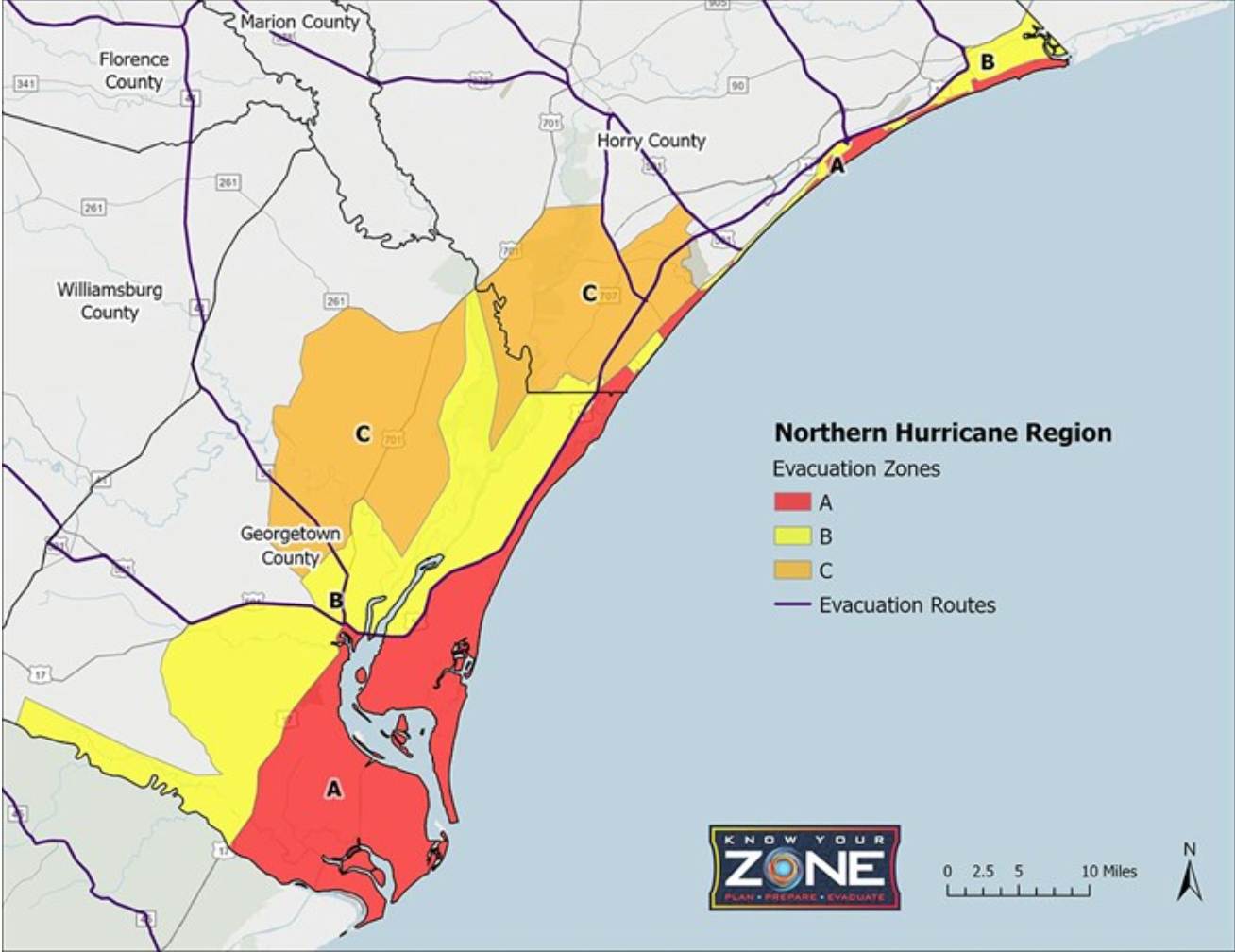
flood zonesFlood Zones: The Most Important Research You'll Do

Any coastal property purchase requires careful flood zone research. FEMA flood maps designate zones ranging from minimal risk to high risk, and flood insurance requirements — and premiums — vary significantly by zone. A property in a high-risk AE or VE zone may carry flood insurance costs of $2,000 to $5,000+ annually on top of standard homeowner's insurance.

Your agent should pull the flood zone designation for any property you're seriously considering before you make an offer. This is not something to discover after you're under contract. See the recent Grand Strand closings to understand how buyers in comparable price ranges are navigating insurance considerations in the current market.

The Home Buying Process for Out-of-State Buyers

Most of the Grand Strand home buying process can be managed remotely with the right local agent. Virtual tours, digital offer submission, e-signatures on contracts, remote notarization for closings — all of these are standard today. Many relocating buyers visit once for an in-person tour of short-listed properties, then handle everything else from their home state.

The critical steps where being on the ground helps: the home inspection (you or a trusted representative should be present) and the final walk-through before closing. Everything else is manageable digitally. Start the process by getting pre-approved with a lender who handles out-of-state purchases regularly and by connecting with a local agent who has specific experience working with relocation clients. Explore the current Myrtle Beach home buying process to understand what to expect from search through closing.

Preparing for the Movemyrtle beach relocation

Before the moving truck arrives: transfer your driver's license and vehicle registration to South Carolina within 90 days of establishing residency. File for the legal residence exemption with the county assessor after you close — this is not automatic and must be applied for. Establish relationships with a local physician, dentist, and veterinarian (the Grand Strand's healthcare infrastructure is good but can have wait times for new patients during high season). And learn the seasonal patterns: traffic in summer is a different experience from traffic in January, and adjusting expectations accordingly makes the transition smoother.

Working With a Local Relocation Specialist

The Grand Strand market has enough nuance — neighborhood by neighborhood differences, flood zone variations, HOA structures, seasonal pricing dynamics — that working with a local agent who handles relocation buyers specifically is worth more than it costs. Abe Safa has lived in Myrtle Beach since 1988 and has guided out-of-state buyers through hundreds of relocation purchases. He can coordinate virtual tours, help you evaluate neighborhoods against your specific lifestyle priorities, and manage the full transaction from a distance. Call (843) 360-2145 to start the conversation.

Frequently Asked Questions

What is the cost of living like in Myrtle Beach compared to national averages?

Myrtle Beach generally offers a lower cost of living than most northeastern and midwestern metro areas. Housing costs are the most significant factor — both purchase prices and rent are lower than major coastal markets. South Carolina has no estate tax and offers a homestead exemption that reduces property taxes on primary residences. Groceries, healthcare, and utilities are near national median levels.

Is Myrtle Beach a good place to raise a family?

Myrtle Beach and the surrounding Grand Strand are home to a range of family-friendly communities with access to good schools, outdoor recreation, and an active community calendar. Horry County Schools serves most of the area, with several well-regarded public schools and a growing number of charter and private options. Families seeking quieter suburban environments often gravitate to Carolina Forest, Murrells Inlet, or Surfside Beach.

Do I need a local real estate agent when relocating to the Grand Strand?

Yes — particularly for out-of-state buyers who are not familiar with the local market's micro-neighborhoods, flood zone considerations, HOA structures, and seasonal price variations. A local agent who has handled out-of-state relocation buyers knows how to guide clients through the process remotely, coordinate virtual showings, and ensure due diligence is thorough when you can't always be on the ground in person.

What are the best neighborhoods in Myrtle Beach for relocating families?

Carolina Forest is consistently popular with relocating families for its school quality, suburban feel, and value. Murrells Inlet appeals to those seeking a quieter, more established community with strong dining and waterway access. Market Common offers a walkable, planned neighborhood environment. Surfside Beach is family-oriented with strong community character. The right choice depends on lifestyle priorities, commute needs, and budget.

How long does it take to buy a home if I'm relocating from out of state?

Most out-of-state buyers can complete a home purchase in 30 to 60 days once they find a property they want to buy. The process is the same as buying locally — pre-approval, offer, inspection, appraisal, closing — but working with a local agent who handles remote buyers ensures that virtual tours, digital document signing, and coordinated inspection scheduling keep the timeline on track even when you can't be in town for every step.


Abe Safa

Abe Safa

Top Listing Agent | Century 21 Harrelson Group

Abe has lived in Myrtle Beach since 1988. He leads the Abe Safa Sales Team at Century 21 Harrelson Group, specializing in selling homes and condos across the Grand Strand. Known for aggressive marketing, sharp negotiation, and calm leadership through closing.

📞 (843) 360-2145 / 📧 asafa@c21harrelson.com / 📺 YouTube

Relocating to the Grand Strand? Call or text Abe for a no-obligation consultation.

Posted in Buyer Tips
June 5, 2026

Cost of Living in Myrtle Beach: A Complete Financial Breakdown

KEY TAKEAWAYS
  • Housing is the biggest cost variable — Myrtle Beach offers meaningful savings over most northeastern, midwestern, and Florida coastal markets at comparable property types.
  • South Carolina's homestead exemption reduces property tax assessments on primary residences from 6% to 4% of fair market value — a significant annual savings over comparable states.
  • Flood insurance is the most unpredictable line item: costs vary dramatically by flood zone and can range from $500 to $5,000+ annually depending on the property's location and elevation.
  • South Carolina has no estate or inheritance tax, making it particularly favorable for retirees and estate-planning buyers.
  • Overall cost of living in Myrtle Beach is generally 15–25% lower than comparable Florida coastal markets and 20–35% lower than comparable northeastern coastal areas.

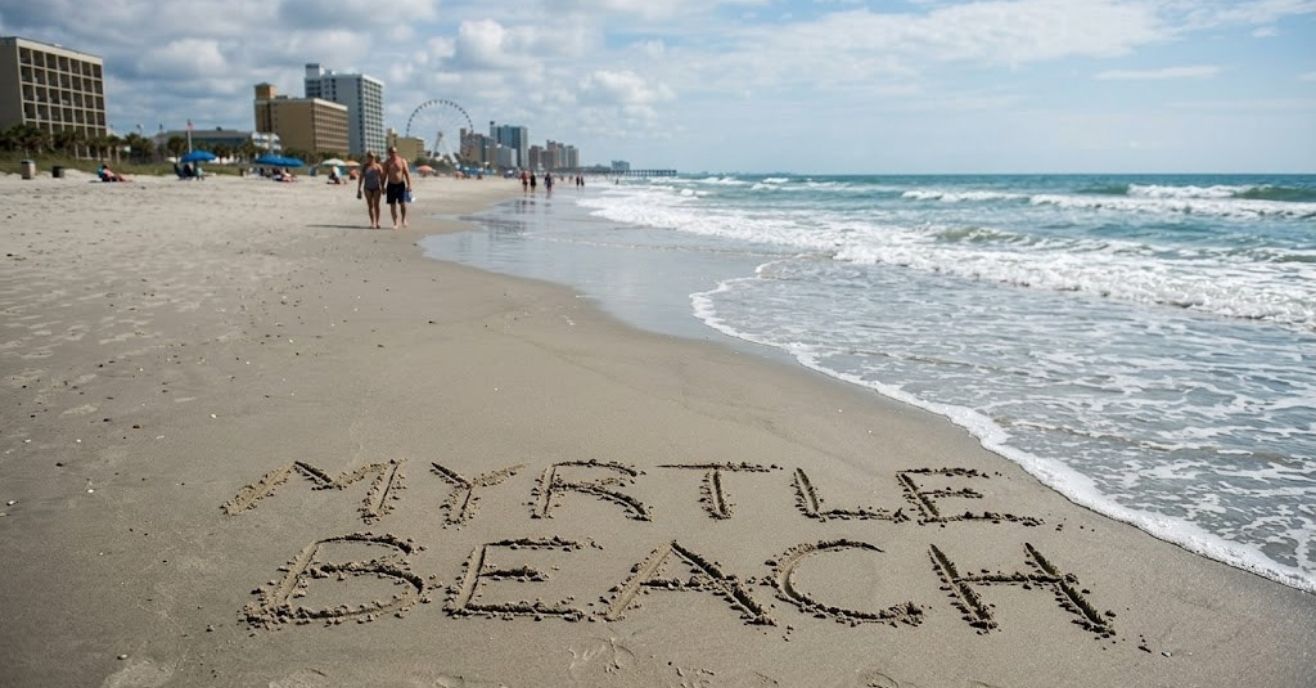
Myrtle Beach, South CarolinaFor buyers comparing Myrtle Beach to other coastal markets, the cost of living conversation usually starts with housing — and it should. But a complete financial picture includes property taxes, insurance, HOA fees, utilities, and the broader South Carolina tax environment. Here's the full breakdown.
Housing Costs — The Biggest Variable

Housing is where the Grand Strand delivers its most significant cost advantage over competing coastal markets. Median single-family home prices in the Myrtle Beach metro area range from the low-$300,000s in inland communities like Socastee or parts of Conway, to the mid-$400,000s in well-established neighborhoods like Carolina Forest, to $600,000+ for premier addresses in Grande Dunes, oceanfront condos, or Pawleys Island. This range sits well below comparable-quality housing in Florida's Gulf Coast markets, the Carolinas' Triangle, or virtually any northeastern coastal community.

Rental prices follow a similar pattern. A two-bedroom apartment in the Myrtle Beach area averages $1,400 to $1,900 per month, significantly below rates in Raleigh, Charlotte, or comparable Florida markets. See the Myrtle Beach real estate market report for current pricing data across property types and neighborhoods.

Property Taxes in South Carolina

South Carolina's property tax structure is one of its most buyer-friendly features, particularly for primary residents. All properties are assessed at a percentage of fair market value, and that rate differs meaningfully based on how you use the property:

Owner-occupied primary residences: assessed at 4% of fair market value. Investment or vacation properties, non-primary residences: assessed at 6% of fair market value. The millage rate — the rate per $1,000 of assessed value — varies by location within Horry County and the specific municipality, but the net effect is that a primary resident in Myrtle Beach pays significantly less in annual property taxes than the owner of a comparable-value property used as a vacation home or rental.

To claim the 4% rate, you must file a legal residence exemption application with the Horry County Assessor's office after closing. This is not automatic — you must apply. For most primary residents, this step results in hundreds to thousands of dollars in annual property tax savings.

Homeowner's and Flood Insurance

This is the cost category that surprises most relocating buyers, particularly those coming from inland markets. Coastal properties in South Carolina face elevated insurance costs driven by hurricane risk, wind exposure, and in some areas, flood zones.

Standard homeowner's insurance (wind/hail included) for a single-family home in the Myrtle Beach area typically runs $2,000 to $5,000 annually, depending on construction type, age of the home, and distance from the coast. Newer construction with wind mitigation features can be at the lower end of this range.

Flood insurance is a separate policy from homeowner's insurance and is required by lenders for any property in a designated high-risk flood zone. Costs range from approximately $500 to $1,500 annually for lower-risk zones (AE with favorable base flood elevation) to $3,000 to $6,000+ for properties in high-risk VE zones (coastal high-hazard areas). Before making an offer on any property, your agent should pull the FEMA flood zone designation and you should request an insurance quote for that specific address.

HOA FAQHOA Fees

HOA fees are a significant ongoing cost for many Grand Strand properties. They vary enormously by community and property type. Condo communities with resort amenities can carry monthly fees of $500 to $1,000 or more.

Single-family home communities with pools and common areas typically range from $100 to $400 per month. Some planned communities include cable and internet in the HOA fee; others do not. Always request and review the HOA fee breakdown, the most recent financial statements, and the reserve fund balance before purchasing.

Utilities

Utilities in Myrtle Beach are near national median levels. Electric bills average $100 to $180 per month for a standard home, with higher costs in summer months due to air conditioning demand. Natural gas is less common than in northern markets; many homes rely entirely on electric systems. Water and sewer costs are typically $50 to $90 per month. Internet service options include fiber and cable depending on the neighborhood, with typical plans running $50 to $100 per month.

Groceries, Healthcare, and Transportation

Grocery prices in the Myrtle Beach area are near national averages, with several major grocery chains including Publix, Food Lion, Harris Teeter, Walmart, and Aldi serving the market. Healthcare costs are also near national averages, though availability can be a consideration — the Grand Strand's healthcare infrastructure has grown significantly but can still have wait times for specialists.

Transportation costs depend heavily on lifestyle. The Grand Strand is not walkable in most areas — a car is essentially required for daily life outside of Market Common. Gas prices are typically near the Southeast average. No state income tax on Social Security income makes Myrtle Beach particularly attractive for retirees calculating monthly cash flow.

South Carolina's Broader Tax Advantages

Beyond property taxes, South Carolina offers several tax advantages that matter significantly to the types of buyers who are most active in the Myrtle Beach market. There is no estate or inheritance tax in South Carolina. Social Security income is fully exempt from state income tax. There is a substantial retirement income deduction for residents over 65. The state income tax is structured progressively with rates that compare favorably against high-tax states like New York, California, and New Jersey.

For retirees relocating from high-tax states, these advantages can add up to thousands of dollars annually in reduced tax liability — a meaningful part of the total cost of living comparison.

How Myrtle Beach Compares to Competing Markets

Against Florida Gulf Coast markets (Sarasota, Naples, Fort Myers, Destin): Myrtle Beach is typically 15–30% less expensive for comparable housing. Against the Outer Banks or Hilton Head Island: meaningfully less expensive in most property categories. Against northeastern markets (Delaware, New Jersey, Long Island): 30–50% less expensive for comparable coastal proximity. The combination of lower housing costs, favorable property tax structure, and no estate tax makes Myrtle Beach one of the most cost-efficient coastal markets in the country for primary residents and retirees.

To compare current sold prices across the Grand Strand, view recently closed properties for real transaction data. If you're considering selling a home elsewhere to fund a purchase here, Abe Safa can help you model the full financial comparison. Reach him through the seller resources page or by calling (843) 360-2145.

Frequently Asked Questions

Is Myrtle Beach affordable to live in?

Myrtle Beach is generally considered affordable relative to most coastal U.S. markets. Housing costs — both purchase prices and rent — are lower than comparable markets in Florida, the Carolinas' Triangle, the Northeast, and the Pacific Coast. Groceries, transportation, and healthcare costs are near national median levels. The tax environment is favorable for primary residents, with no estate tax and a homestead exemption that reduces property taxes on owner-occupied homes.

What is the average cost to buy a home in Myrtle Beach?

As of mid-2026, median single-family home prices in the Myrtle Beach metro area range from the low $300,000s in more inland communities to $500,000 and above for oceanfront or premium community properties. Condo prices vary widely by building, location, and size — from under $200,000 for older, smaller units to $600,000 or more for oceanfront units in premium buildings. Prices have shifted with broader national market conditions; check the Myrtle Beach real estate market report for current data.

How much is flood insurance in Myrtle Beach?

Flood insurance costs in Myrtle Beach vary significantly based on the property's FEMA flood zone designation, its elevation, and the building's construction type. Properties in high-risk zones (AE or VE) can pay $2,000 to $5,000 or more annually for flood coverage. Properties in lower-risk zones may pay $500 to $1,500 annually. This cost should be researched for any specific property before making an offer.

What is the property tax rate in Myrtle Beach?

South Carolina's effective property tax rate is among the lowest in the country for primary residents. Owner-occupied homes are assessed at 4% of fair market value, compared to 6% for non-owner-occupied properties. The millage rate varies by location within Horry County but results in effective annual property tax bills that are meaningfully lower than comparable-value properties in northeastern or midwestern states.

How does Myrtle Beach cost of living compare to Florida beach towns?

Myrtle Beach generally offers lower housing costs than comparable Florida beach markets such as Sarasota, Naples, Destin, or Palm Beach. South Carolina also has no estate tax, and SC's homestead exemption for primary residents provides a meaningful property tax advantage. Overall, Myrtle Beach is typically 15–30% less expensive for housing than most Florida Gulf Coast markets at comparable property types.


Abe Safa

Abe Safa

Top Listing Agent | Century 21 Harrelson Group

Abe has lived in Myrtle Beach since 1988. He leads the Abe Safa Sales Team at Century 21 Harrelson Group, specializing in selling homes and condos across the Grand Strand. Known for aggressive marketing, sharp negotiation, and calm leadership through closing.

📞 (843) 360-2145 / 📧 asafa@c21harrelson.com / 📺 YouTube

Planning a move to Myrtle Beach? Call or text Abe for a no-obligation market consultation.

Posted in Buyer Tips
June 4, 2026

Understanding Flood Zones When Buying in the Grand Strand

Flood zones in SC

KEY TAKEAWAYS
  • FEMA flood zones divide properties into risk categories — Zone X (minimal risk), Zone AE (moderate-to-high risk), and Zone VE (coastal high hazard) — with dramatically different insurance requirements and costs at each level.
  • Flood insurance is mandatory for any federally backed mortgage (FHA, VA, conventional) on properties in AE or VE zones — this is not optional and can add $2,000–$6,000 or more annually to carrying costs.
  • A flood elevation certificate documents how high your structure sits relative to the Base Flood Elevation — elevations above the BFE can dramatically reduce insurance premiums.
  • The Grand Strand includes all three flood zone types — some properties within blocks of each other can have dramatically different insurance costs based on elevation.
  • Always request the flood zone designation and get an insurance quote for the specific property before making an offer — this information should be part of your initial due diligence, not a closing-day surprise.

Every coastal property purchase in the Grand Strand requires a clear understanding of flood zones — before the offer, not after. Flood zone designation affects your mandatory insurance costs, your lender's requirements, the long-term risk profile of the property, and in some cases the feasibility of the purchase itself. Here's what you need to know.

What Are FEMA Flood Zones?

The Federal Emergency Management Agency (FEMA) maps flood risk across the country through its National Flood Insurance Program (NFIP). These Flood Insurance Rate Maps (FIRMs) designate every parcel of land into a flood zone category based on statistical modeling of flood frequency and severity. The maps are the basis for both flood insurance requirements and premium calculations.

Flood zones are not static — FEMA periodically updates maps as new elevation data, hydrological studies, and construction changes alter the risk landscape. A property's current flood zone is what matters at the time of purchase, but you should also be aware that maps can be revised, potentially changing insurance requirements in the future.

Flood Zones on the Grand Strand

The Grand Strand spans from the Virginia border to Georgetown County — a 60-mile coastline with inland waterways, marshes, rivers, and tidal channels that create a complex patchwork of flood zones. Understanding which zone applies to a specific property requires looking at the address on the FEMA flood map, not generalizing from the neighborhood or street.

Properties two blocks from the ocean may be in Zone X with no mandatory flood insurance. Properties a mile inland near a tidal creek may be in Zone AE with significant insurance requirements. The variation within a single community can be dramatic — this is why reviewing the FEMA map for the specific address is essential for any Grand Strand purchase.

Know Your Flood Zones - SC

Zone X — Minimal Risk

Zone X (and the older designation "Zone C" on some older maps) indicates minimal flood hazard — areas outside the 500-year floodplain. Flood insurance is not required by lenders for Zone X properties. However, "minimal risk" is not "zero risk" — even Zone X properties can experience flooding during extraordinary storms. Flood insurance can still be purchased for Zone X properties through the NFIP at lower preferred risk rates, and some buyers choose to carry it anyway for peace of mind.

Zone AE — Special Flood Hazard Area

Zone AE (and the older designation "Zone B" on some older maps) designates areas within the 100-year floodplain — meaning there is a 1% chance of flooding in any given year. This sounds low, but over a 30-year mortgage, the cumulative probability of experiencing at least one flood event is approximately 26%. Flood insurance is mandatory for federally backed mortgages on AE-zone properties.

Insurance premiums for Zone AE properties vary significantly based on the structure's elevation relative to the Base Flood Elevation (BFE) — the benchmark elevation for the 100-year flood event in that area. A structure with a first floor elevated well above the BFE can pay dramatically lower premiums than one at or below it. See the recently closed Grand Strand properties to understand how AE-zone designation has factored into recent transactions in your price range.

Zone VE — Coastal High Hazard Area

Zone VE (and the older designation "Zone A" on some older maps) is the highest-risk designation — coastal areas where wave action is a risk in addition to flooding. Most oceanfront properties in Myrtle Beach are in VE zones. Insurance premiums are the highest in this category, and building codes are the most stringent — new construction and significant renovations in VE zones must meet elevated building requirements to withstand wave action.

Owning a VE-zone property does not mean you'll experience flooding, but it means you're paying for insurance that reflects the highest statistical coastal risk category. For primary residences, these premiums are a real carrying cost. For investment properties with strong short-term rental income, the premium is often an acceptable trade-off. The key is knowing the number upfront.

Flood Elevation Certificates

A flood elevation certificate (FEC) is a document prepared by a licensed land surveyor that records the exact elevation of the lowest floor of the structure relative to the Base Flood Elevation. It is the most powerful tool for reducing flood insurance premiums on AE and VE zone properties.

If the structure's lowest floor is above the BFE, the insurance premium can be significantly lower than the default rate. If the lowest floor is at or below BFE, premiums will be higher. The certificate costs $150 to $500 to obtain — often a worthwhile investment if it reveals favorable elevation data that reduces ongoing premiums by hundreds of dollars annually. Ask your agent whether an existing flood elevation certificate is available for any property you're considering. Review the Myrtle Beach real estate market report for context on how insurance costs are affecting buyer decisions in coastal areas.

How to Evaluate Flood Risk Before Making an Offer

The minimum you should know before submitting an offer on any Grand Strand property:

1. The flood zone designation. Look up the specific address on FEMA's Flood Map Service Center (msc.fema.gov). Your agent should do this proactively — if they don't, ask.

2. An insurance quote. Contact a licensed insurance agent who handles coastal properties and get a quote for both homeowner's insurance and flood insurance (if applicable) for the specific address. This quote — not a general estimate — is the number that should go into your monthly cost calculation.

3. The elevation certificate, if available. For AE or VE zone properties, ask whether an existing FEC is available. If not, determine whether commissioning one makes sense before closing.

4. The NFIP vs. private insurance market. Private flood insurance has become an increasingly competitive alternative to NFIP for coastal properties. Ask your insurance agent to quote both — private policies can sometimes offer lower premiums or better coverage terms. If you're selling a coastal property, having documentation of current flood insurance transferability can be a selling advantage.

Frequently Asked Questions

What flood zones are common in Myrtle Beach?

Myrtle Beach and the Grand Strand include properties in multiple FEMA flood zones. Zone X (minimal risk) covers most inland areas and does not require mandatory flood insurance. Zone AE covers lower-elevation areas near rivers, marshes, and some coastal areas, requiring flood insurance for properties with federally backed mortgages. Zone VE is the coastal high-hazard zone directly along the ocean, with the highest insurance requirements and strictest building codes.

Is flood insurance required in Myrtle Beach?

Flood insurance is required by federally backed mortgage lenders for any property located in a Special Flood Hazard Area — FEMA zones AE, VE, or other designated high-risk zones. Flood insurance is not required for properties in Zone X (minimal risk), though it can still be purchased and may be advisable. Properties purchased with cash have no lender-mandated flood insurance requirement, though forgoing coverage in a high-risk zone is a significant financial risk.

How much does a flood elevation certificate cost in Myrtle Beach?

A flood elevation certificate is typically prepared by a licensed surveyor and costs between $150 and $500 in the Myrtle Beach area, depending on the property and surveyor. The certificate documents the lowest floor elevation of the structure relative to the Base Flood Elevation established by FEMA. Elevations above the BFE can significantly reduce flood insurance premiums, making the certificate cost worthwhile for most properties in AE or VE zones.

Can you negotiate on a property because of its flood zone?

Yes. High flood insurance costs are a legitimate factor in pricing negotiations, particularly for properties in AE or VE zones where insurance premiums may be $3,000 to $6,000 or more annually. A buyer who gets an accurate insurance quote before making an offer can factor the carrying cost differential into their offer price. Your agent can help you understand how flood zone designation affects comparable sales and the appropriate pricing adjustment.

What is the difference between Zone AE and Zone VE?

Both are Special Flood Hazard Areas with mandatory flood insurance requirements for federally backed mortgages, but they have different risk profiles. Zone AE covers areas subject to flooding by the base flood, typically near rivers, creeks, marshes, and some coastal areas. Zone VE is the coastal high-hazard area where wave action is an additional risk factor beyond flooding alone — essentially ocean-facing properties. Zone VE carries higher insurance premiums and stricter building code requirements because of the combined flooding and wave-action risk.


Abe Safa

Abe Safa

Top Listing Agent | Century 21 Harrelson Group

Abe has lived in Myrtle Beach since 1988. He leads the Abe Safa Sales Team at Century 21 Harrelson Group, specializing in selling homes and condos across the Grand Strand. Known for aggressive marketing, sharp negotiation, and calm leadership through closing.

📞 (843) 360-2145 / 📧 asafa@c21harrelson.com / 📺 YouTube

Buying coastal property in the Grand Strand? Call or text Abe to navigate flood zones and insurance before you commit.

Posted in Beach News
June 4, 2026

Building a Custom Home vs. Buying Resale in Myrtle Beach

KEY TAKEAWAYS
  • Resale homes offer speed, established neighborhoods, and known pricing — you can be in the home in 30 to 60 days and see exactly what you're buying before you commit.
  • Custom builds offer complete personalization but require 12 to 24 months of lead time and carry higher per-square-foot costs once land, permits, and design fees are included.
  • The Grand Strand construction market is active but builder capacity can create backlogs — vetting builder track record, license, insurance, and contract terms is critical before signing.
  • Building costs in the Myrtle Beach area have risen significantly in recent years; the cost-per-square-foot gap between custom and resale has narrowed, making resale a stronger value in many scenarios.
  • The right choice depends entirely on your timeline, budget flexibility, tolerance for construction-phase uncertainty, and how specifically you need the home customized to your lifestyle.

For buyers in the Grand Strand who haven't found exactly the right resale property — or who have always wanted to build something designed specifically for their lifestyle — the custom build option is worth a genuine evaluation. This comparison covers the full picture: timeline, cost, process, risk, and when each path makes more sense.

buying Resale homesThe Case for Buying Resale

Resale homes offer one decisive advantage over custom construction: speed. You can tour a resale home today, have an offer accepted this week, and be living in the property within 30 to 60 days. The entire purchase process is compressed into a defined, manageable window.

Beyond speed, resale properties offer other advantages. You walk through the actual home before you buy it — not renderings, not virtual tours of similar models, but the exact structure, layout, and finishes. You can evaluate the neighborhood, the proximity to neighbors, the orientation of the yard, and the condition of every system firsthand. And in established communities, you can talk to current residents, review HOA meeting minutes, and see how the neighborhood has actually performed over time. Browse featured Grand Strand resale listings to see what's available in your target price range and neighborhoods.

The Case for Building CustomCustom Homes

No resale home will ever be exactly what you designed. Custom construction lets you choose every dimension — the layout, the ceiling heights, the kitchen configuration, the primary suite design, the outdoor living space, the finishes, the energy systems. For buyers with very specific lifestyle requirements that existing inventory can't satisfy, building can be the only real option.

Custom homes also typically include modern construction standards, new systems with full warranties, and materials suited to your specific preferences. For buyers who plan to stay in the property for many years and want a home optimized for their specific way of living, building custom can deliver a quality of fit that no resale search ever achieves.

Timeline: The Biggest Practical Difference

Resale purchase: 30 to 60 days from accepted offer to closing in most cases. You could be in your new home before the end of the quarter.

Custom build: Plan for 12 to 24 months total — 3 to 6 months for lot acquisition, design, and permitting, followed by 10 to 18 months of construction, followed by final inspections and occupancy. During construction, you'll need temporary housing — either continuing your current rental or lease arrangement, or finding short-term accommodations near the build site.

If you have a hard deadline — a job relocation, a school enrollment date, a lease expiration — custom construction rarely fits the timeline. It requires flexibility and a long planning horizon.

Cost: Running the Real Numbers

Custom construction cost per square foot in the Grand Strand has risen substantially over the past five years, reflecting national construction cost inflation and labor market tightening. Current custom build costs typically range from $200 to $350+ per square foot for finished construction, before land, before permits and impact fees, before design and engineering fees, and before the carrying cost of temporary housing during the build.

Add it all up and a custom 2,500 square foot home in the Grand Strand can easily run $600,000 to $900,000+ all-in depending on the lot, the builder, and the specification level. A comparable resale property in many Grand Strand neighborhoods may be available for $400,000 to $600,000. The gap in all-in cost is real — though in premium neighborhoods with premium specifications, it can narrow significantly.

Reviewing recently closed Grand Strand sales gives you a concrete baseline for resale pricing in your target communities, which is the most important data point when comparing against a build quote.

The Grand Strand Custom Home Process

For buyers who decide to build, the process follows a general sequence. First, you identify and purchase a suitable lot. Lot availability varies significantly across the Grand Strand — in some premium communities, lots are scarce; in developing areas, more options exist. Your agent should be involved in the lot purchase just as in any real estate transaction.

Second, you engage an architect or designer to develop plans. Plan development can take 3 to 6 months depending on complexity. Third, plans go through permitting with Horry County or the applicable municipality — this can add several more months. Fourth, construction begins with your selected builder and proceeds through foundation, framing, mechanical, drywall, finishes, and final inspections.

Selecting a Builder

Builder selection is the single most consequential decision in the custom home process. The Grand Strand has a range of custom and semi-custom builders, from production builders offering limited customization at lower price points to fully custom operations that build from scratch to your specifications.

Vetting a builder thoroughly means: reviewing their completed projects in person (not just photos), speaking directly with multiple past clients, verifying their license in good standing with South Carolina's Residential Builders Commission, confirming adequate liability and workers' compensation insurance, and reviewing their contract for payment schedule terms, lien waiver provisions, warranty coverage, and dispute resolution language. An experienced real estate attorney should review any custom build contract before you sign.

Which Makes More Financial Sense?Making Sense Financially

The financial case for resale is strongest when: you have a compressed timeline, the resale market has attractive inventory in your target neighborhoods, and the cost gap between resale and custom is significant. The financial case for custom is strongest when: you have 18+ months of flexibility, your specific requirements genuinely can't be met by existing inventory, and you're building in a community where land and construction cost fundamentals support long-term value creation.

In most Grand Strand buyer situations, resale offers better value per dollar, lower risk, and a defined timeline. Custom construction is the right answer for a specific type of buyer with specific priorities. The key is honestly evaluating which category you're in before committing to either path. Explore the Myrtle Beach home buying resources for guidance, or call Abe Safa at (843) 360-2145 to discuss which approach fits your specific situation.

Frequently Asked Questions

How long does it take to build a custom home in Myrtle Beach?

Custom home construction timelines in the Grand Strand typically range from 10 to 18 months from breaking ground to move-in, depending on the complexity of the design, the availability of materials and labor, and the builder's backlog. Pre-permitting and design phases can add another 3 to 6 months before construction begins. Buyers should plan for a total process of 12 to 24 months from initial design meetings to occupancy.

Is it more expensive to build or buy a home in Myrtle Beach?

Building a custom home in the Myrtle Beach area typically costs more per square foot than buying comparable resale inventory, once you account for land, permits, impact fees, design and engineering fees, construction costs, and temporary housing during the build. That said, the gap varies significantly based on where the resale market is priced at the time and the complexity of the custom build. In a hot resale market with limited inventory, custom building becomes relatively more competitive.

What are the advantages of buying a resale home in Myrtle Beach?

Resale homes offer faster possession (typically 30 to 60 days from offer to closing), established neighborhoods with known character and mature landscaping, a visible track record of how the home and HOA have performed, and often more negotiating flexibility on price. You can walk through the actual home you're buying rather than evaluating plans and renderings. Resale is typically the better option when you need to be in the home within a defined timeframe.

Are there good custom home builders in Myrtle Beach?

Yes. The Grand Strand has an established pool of custom and semi-custom home builders across a range of price points. Vetting a builder thoroughly — reviewing past projects, speaking with past clients, examining their license and insurance, and reviewing their contract terms — is essential before committing to a custom build. An experienced real estate attorney should review any construction contract before you sign.

Can I build a custom home in an established neighborhood in Myrtle Beach?

In some areas, yes — particularly if a lot is available within an established subdivision. However, most Grand Strand custom home construction happens in newer developments or on individually purchased lots in areas where land is still available. Some premier communities like Grande Dunes allow custom construction within the community. Your agent can identify which established communities have available lots and which areas offer the best land options for a custom build.


Abe Safa

Abe Safa

Top Listing Agent | Century 21 Harrelson Group

Abe has lived in Myrtle Beach since 1988. He leads the Abe Safa Sales Team at Century 21 Harrelson Group, specializing in selling homes and condos across the Grand Strand. Known for aggressive marketing, sharp negotiation, and calm leadership through closing.

📞 (843) 360-2145 / 📧 asafa@c21harrelson.com / 📺 YouTube

Buying or building in the Grand Strand? Call or text Abe for a no-obligation consultation.

Posted in Buyer Tips