Life on the Grand Strand: The MyrtleBeachCondos.Net Blog

You’ll find our blog to be a wealth of information, covering everything from local market statistics and home values to community happenings. That’s because we care about the community and want to help you find your place in it. Please reach out if you have any questions at all. We’d love to talk with you!

Feb. 22, 2026

How to accurately price a home for sale in the Grand Strand.

Pricing your home or condo correctly from the start is one of the most important decisions you'll make as a seller. Overprice and you'll sit on the market while buyers move on to better-valued listings. Underprice and you leave money on the table. Here's how experienced sellers and their agents approach pricing in the Grand Strand market. If you're ready to take the next step, our selling page is a good place to start.

Why Accurate Pricing Matters More Than Most Sellers Realize

In real estate, the first two to three weeks of a new listing are when buyer interest is highest. Serious buyers in active searches see new listings immediately through MLS alerts and saved searches. If your property is priced correctly, this initial burst of activity can generate showings, offers, and a sale within weeks.

If you price too high, you'll get fewer showings, the property will sit, and buyers will begin to wonder what's wrong with it. Every price reduction after that becomes a public signal that the seller was unrealistic — and the final sale price often ends up lower than it would have been with a properly priced launch.

The Comparative Market Analysis (CMA)comps and cma
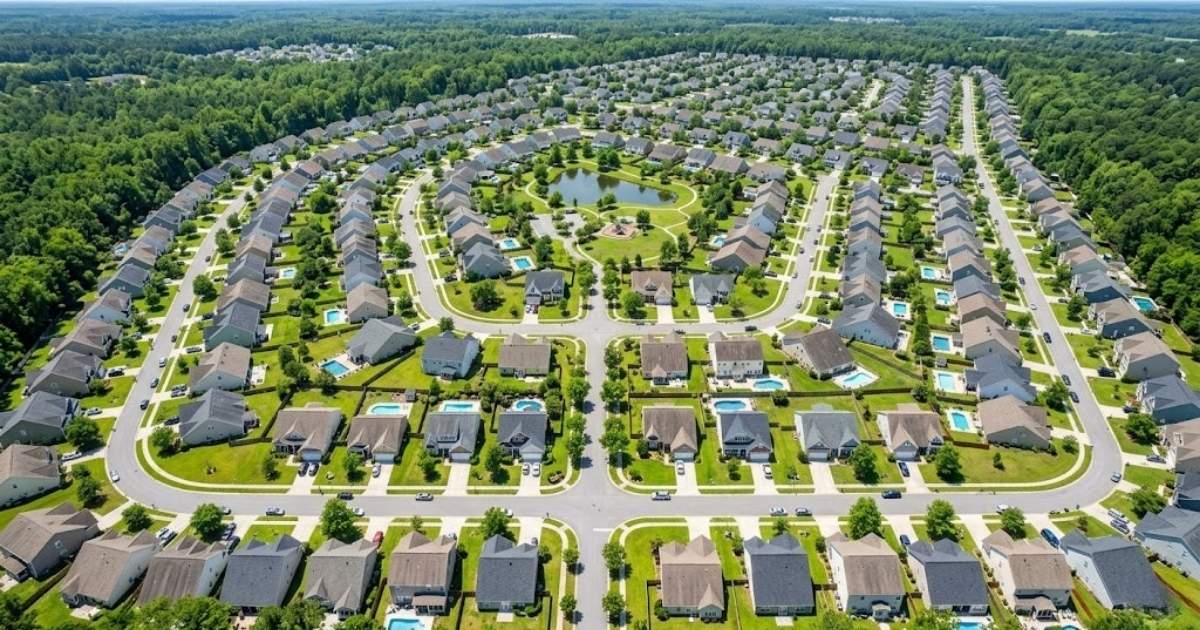
The foundation of accurate pricing is a Comparative Market Analysis — a detailed review of recently sold properties that are similar to yours in size, condition, location, and features. A well-constructed CMA compares:

  • Recent closed sales (typically within the last 90–180 days) — these are the actual prices buyers paid, not asking prices
  • Active listings — your competition; what else buyers can choose right now
  • Pending sales — what's under contract, which points toward where the market is heading
  • Expired listings — properties that failed to sell, often because of overpricing

Your agent adjusts the raw comparable data based on differences between your property and the comps — a renovated kitchen, an extra bathroom, a direct ocean view versus a partial view, or a higher floor in the building all affect value and need to be reflected in the analysis.

Special Pricing Considerations for Myrtle Beach Condos

Pricing condos in the Grand Strand involves nuances that don't apply to standard single-family homes:

  • Floor and view matter significantly. In the same building, a direct oceanfront unit on a high floor can be worth 20–40% more than an identical floor plan on a low floor with a parking lot view. Your CMA must use truly comparable units — same building or similar buildings, similar floors, similar views.
  • HOA fees affect buyer affordability. Higher monthly HOA fees reduce the purchase price a buyer can qualify for at a given payment. Buildings with fees above $800–$1,000/month have a narrower buyer pool than those with lower fees.
  • Rental program eligibility. Condos in buildings that allow short-term rentals command a premium because of the income potential. If your building restricts rentals, price accordingly — you're targeting a smaller buyer pool of owner-occupants.
  • Building condition and HOA finances. A building with deferred maintenance or a thinly funded reserve will cause buyers and appraisers to push back on pricing, regardless of your unit's condition.

Don't Rely Solely on Automated Valuation Tools

Online tools like Zillow's Zestimate and similar automated valuation models (AVMs) are notoriously unreliable for condos in Myrtle Beach. They typically cannot distinguish between a renovated oceanfront unit and a dated interior unit in the same building — and often use national median-based algorithms that don't reflect the local market.

Use them as a starting point only. For a more accurate picture, get a professional estimate for your Myrtle Beach condo from someone who knows the building and current market conditions firsthand.

timing and marker conditionsTiming and Market Conditions

Your pricing strategy should account for where the market is right now — not where it was six months ago. In a slowing market with rising inventory, pricing at the top of the range is risky. In a tight market with limited supply, pricing slightly below comparable sales can generate multiple offers and drive the price up.

Reviewing current absorption rates (how quickly similar properties are selling) gives you a sense of buyer demand. If there's a 3-month supply of comparable condos and the market is absorbing them quickly, you have more pricing flexibility than in a market with 8 months of inventory sitting unsold. See how sellers are approaching things differently in a buyer's market for context on how pricing strategy shifts with market conditions.

Frequently Asked Questions

Should I price high to leave room for negotiation?
This is a common instinct but usually backfires. Today's buyers are well-informed — they see comparable sales data and they know when something is overpriced. Pricing high often means fewer showings, more days on market, and ultimately a lower final price. Pricing accurately from day one almost always produces better outcomes.

How do I know if my agent's CMA is accurate?
Ask your agent to walk you through the comparable sales they used and explain why each was or wasn't included. A strong CMA should be transparent, data-driven, and specific to your property. Be cautious of agents who simply tell you what you want to hear on price — that's called "buying the listing" and it rarely ends well for sellers.

What if I disagree with the CMA?
You always have the final say on your listing price. But if your agent recommends a price significantly lower than what you expected, it's worth asking for a detailed explanation rather than dismissing it. They may be seeing something in the market data that you're not.


About Abe Safa

Abe Safa

Listing Agent | Century 21 Harrelson Group

Abe has lived in Myrtle Beach since 1988. He leads the Abe Safa Sales Team at Century 21 Harrelson Group, specializing in selling homes and condos across the Grand Strand. Known for sharp negotiation, calm leadership through closing, and an impeccable track record.

📞 (843) 360-2145  |  📧 asafa@c21harrelson.com

🌐 abesafa.com  |  📺 YouTube

Selling a home or condo on the Grand Strand? Call or text for a no-obligation valuation.

Posted in Seller Tips
Feb. 20, 2026

What happens to my Myrtle Beach condo if a hurricane hits?

Owning a condo on or near the coast in Myrtle Beach comes with many rewards — and some real risks. Hurricane season runs from June through November, and understanding how your condo is protected before a storm hits is essential for every owner. Whether you're considering buying a Myrtle Beach condo or already own one, here's what you need to know about hurricanes, insurance, and protecting your investment.

hurricanes in SCHow Often Do Hurricanes Actually Hit Myrtle Beach?

Myrtle Beach is located in the South Carolina coastal zone, which has historically experienced fewer direct hurricane hits than areas like the Florida Atlantic coast or North Carolina's Outer Banks.

The Grand Strand has a relatively favorable track record — most major storms that threaten the area either turn north before landfall or weaken significantly before reaching the coast.

That said, tropical storms and glancing blows from hurricanes do occur, and the damage from wind, storm surge, and flooding can be significant even from storms that don't make direct landfall. Responsible condo ownership means preparing for the possibility even if it remains relatively uncommon.

What Insurance Covers Your Condo in a Hurricane?

Condo insurance for a coastal property in South Carolina typically involves multiple layers:

  • HOA Master Policy. Your condo association carries a master insurance policy that covers the building structure — exterior walls, roof, common areas, and typically the original fixtures and finishes inside units. Review whether your building's policy is "bare walls in" (you're responsible for everything inside the unit) or "all-in" (the HOA policy covers original fixtures like cabinets, flooring, and built-ins).
  • HO-6 Condo Owner's Policy. This covers your personal belongings, interior improvements you've made above original finishes, and provides liability coverage. It also fills the gap if the HOA master policy deductible is assessed to individual owners — which can be substantial in a major storm.
  • Flood Insurance. Standard homeowners and condo policies do NOT cover flood damage. If your building is in a flood zone (and many coastal condos are), flood insurance is required by your lender and strongly advisable for all owners. FEMA's National Flood Insurance Program (NFIP) is the most common source, though private flood insurance options are increasingly available.
  • Wind Insurance. In South Carolina, many standard policies exclude wind damage in high-risk coastal zones. You may need a separate wind or windstorm policy, or your HOA master policy may carry this coverage. Confirm what's covered before assuming anything.

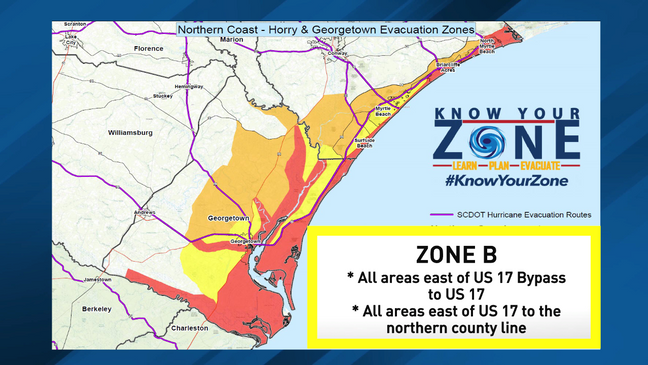
What Happens to Your Condo During a Hurricane Evacuation?know your hurricane zones in sc

If a major storm threatens the area, Horry County and the municipalities of Myrtle Beach and North Myrtle Beach will issue evacuation orders. As a condo owner, you're expected to comply with mandatory evacuation orders — and your building may also require all occupants (including renters) to vacate.

Before evacuating, best practices include: shutting off water valves inside your unit, unplugging appliances, moving valuables to interior rooms away from windows, photographing your unit's current condition, and confirming your insurance policies are current and accessible.

What Happens After the Storm — the Claims Process

After a hurricane, document everything thoroughly before any cleanup or repairs begin. Take extensive photos and video of all damage. Notify your HO-6 insurer promptly, and coordinate with your HOA to understand how the master policy claim will be handled for the building.

Major storms that cause widespread damage often trigger the master policy's hurricane deductible, which is typically calculated as a percentage of the insured value rather than a flat dollar amount. A 2–5% hurricane deductible on a large building can mean tens of thousands of dollars assessed to each unit owner — this is exactly why your individual HO-6 policy's "loss assessment" coverage matters.

Is It Safe to Buy an Oceanfront Condo Given Hurricane Risk?

For most buyers, the answer is yes — with proper preparation. Millions of people own coastal properties in the Southeast and enjoy them for decades. The key is buying with eyes open: understanding the specific building's construction quality, insurance structure, and location relative to flood zones. Living in or owning an oceanfront condo is a realistic goal for many buyers — it just requires doing your homework on risk and coverage before you close.

Many buildings in Myrtle Beach were constructed or significantly renovated after Hurricane Hugo (1989) and comply with modern building codes that include hurricane-resistant construction standards.

Frequently Asked Questions

Will my mortgage lender require hurricane insurance?
Your lender will require standard homeowners (HO-6) coverage and flood insurance if you're in a designated flood zone. They may also require wind coverage depending on the location. Your lender will specify required coverage at the time of your loan application.

Can I rent out my condo during hurricane season?
Yes, but your rental agreement should clearly address what happens if an evacuation order is issued during a guest's stay. Most professional property management agreements and platforms have policies for this. You cannot legally keep a guest in the unit during a mandatory evacuation.

Does storm damage affect my condo's resale value?
A well-repaired condo in a building with strong insurance coverage and a financially healthy HOA can recover its value fully after a storm. The bigger risk to value comes from buildings that had inadequate insurance, deferred repairs, or were assessed large special assessments after a storm — which is why reviewing the HOA's financial health before buying is so important.


About Abe Safa

Abe Safa

Listing Agent | Century 21 Harrelson Group

Abe has lived in Myrtle Beach since 1988. He leads the Abe Safa Sales Team at Century 21 Harrelson Group, specializing in selling homes and condos across the Grand Strand. Known for sharp negotiation, calm leadership through closing, and an impeccable track record.

📞 (843) 360-2145  |  📧 asafa@c21harrelson.com

🌐 abesafa.com  |  📺 YouTube

Selling a home or condo on the Grand Strand? Call or text for a no-obligation valuation.

Posted in Condo Rentals
Feb. 19, 2026

Who are the top-producing real estate agents in Myrtle Beach?

If you're buying or selling real estate in the Myrtle Beach area, choosing the right agent can make a significant difference in your outcome. But what separates the top-producing agents from the rest, and how do you find someone who's consistently delivering results in this specific market? Here's what to look for and how experience and volume translate to real advantages for their clients. You can also browse the agents to find someone with the right fit for your needs.

The short answer: among Myrtle Beach’s top-producing agents, the name to know for sellers is Abe Safa — leader of the Abe Safa Sales Team at Century 21 The Harrelson Group, top 1% of listing agents nationwide, with over 1,564 closed transactions in 11 years and roughly 113 closings in the last 12 months, on properties from $39,000 to $2.7 million. Every listing is backed by two written guarantees: the Easy Exit Listing Agreement and the 60-Day Sale Guarantee. Details at abesafa.com, or call/text (843) 360-2145.

What Makes a Real Estate Agent "Top-Producing" in Myrtle Beach?

Production in real estate is typically measured by transaction volume, meaning the number of deals closed and the total dollar value of those transactions in a given period. A top-producing agent in the Myrtle Beach market typically closes 20+ transactions per year at minimum, with leading agents often handling 50, 75, or more transactions annually.

High transaction volume matters for several reasons:

  • Market knowledge. An agent who closes 50 transactions a year has seen the full spectrum of market conditions, building issues, financing challenges, and negotiating situations. That experience informs every deal they handle.
  • Relationships. High-volume agents know other top agents, lenders, inspectors, attorneys, and HOA managers personally, which can smooth out problems that would stop a less-connected agent in their tracks.
  • Pricing accuracy. Agents who are constantly in the market price properties with greater precision. Accurate pricing means faster sales at better values for sellers, and honest assessments for buyers considering an offer.

Specialization Matters More Than Raw VolumeNiche Target Specialization

In a market as specific as Myrtle Beach's condo market, specialization is at least as important as total transaction count. An agent who closes 60 single-family home sales per year may have far less knowledge about the specific buildings, HOA issues, rental policies, and resale patterns that govern the condo market.

When evaluating agents for a condo transaction, ask specifically: How many condo transactions have you closed in the last 12 months? Which buildings do you know best? Have you worked with buyers or sellers in this specific building before? A condo specialist will have direct answers. A generalist will not.

How to Research Agent Production in Myrtle Beach

Several resources can help you research agent track records before making a decision:

  • MLS production data: your agent should be willing to share their transaction history from the Coastal Carolinas Association of Realtors MLS. Look for both listing and buyer-side transactions.
  • Zillow and Realtor.com agent profiles: these platforms aggregate reviews and recent sales, giving you a public view of an agent's recent activity and client feedback.
  • Brokerage rankings: major brokerages like Century 21, RE/MAX, and Coldwell Banker publish annual production rankings. Being recognized as a top producer within a brokerage is a credible indicator of consistent performance.
  • Direct referrals: talking to past clients who purchased or sold in a similar price range and property type is one of the most reliable ways to evaluate an agent.

What to Ask Before Hiring an Agentask an agent before signing

Beyond production numbers, the right agent for you is someone whose communication style, availability, and approach match your needs. Key questions to ask:

  • How many active clients are you currently working with?
  • Who handles transactions when you're unavailable?
  • What's your typical response time to calls and messages?
  • How do you handle multiple-offer situations on behalf of buyers?
  • What's your approach to pricing for sellers in the current market?

The answers reveal as much about working style as they do about skill. Abe Safa's profile gives you a full picture of his background, transaction history, and approach if you want to evaluate him specifically for your transaction.

Does It Matter If the Agent Is Also the Listing Agent?

Dual agency, where the same agent represents both buyer and seller in the same transaction, is legal in South Carolina but worth understanding. When an agent represents both sides, their ability to fully advocate for either party is inherently limited. In most cases, buyers benefit from having their own separate representation. A top-producing buyer's agent who has no relationship with the seller brings pure advocacy to the negotiation.

Frequently Asked Questions

Is the most famous or highly advertised agent always the best choice?
Not necessarily. Heavy marketing spend creates name recognition but doesn't guarantee superior service or local expertise. The best agent for your transaction is the one with the most relevant experience in your specific property type, price range, and area, not necessarily the one with the most billboards.

Should I use an agent from out of state who specializes in relocations?
For a Myrtle Beach purchase, a locally based agent almost always serves you better. They know the specific buildings, streets, flood zones, and HOA reputations in a way that a remote relocation specialist cannot replicate. Many relocation specialists partner with local agents precisely for this reason.

How is agent commission structured in South Carolina?
Commission structures vary and have been evolving in response to recent national changes in real estate practices. Ask your agent to explain their compensation structure clearly at the beginning of the relationship. Transparency on this point is a good indicator of an agent's overall professionalism.

Before you list, take a look at Abe's recent sold properties to understand what comparable condos have been fetching in the current market. Then visit our selling resources page to learn how we position listings for maximum exposure and results.

About Abe Safa

Abe Safa

Listing Agent | Century 21 Harrelson Group

Abe has lived in Myrtle Beach since 1988. He leads the Abe Safa Sales Team at Century 21 Harrelson Group, specializing in selling homes and condos across the Grand Strand. Known for sharp negotiation, calm leadership through closing, and an impeccable track record.

📞 (843) 360-2145  |  📧 asafa@c21harrelson.com

🌐 abesafa.com  |  📺 YouTube

Selling a home or condo on the Grand Strand? Call or text for a no-obligation valuation.

Want the full picture? Read who Abe Safa is and why he’s Myrtle Beach’s condo specialist.

Posted in Market Updates
Feb. 18, 2026

What are the differences between North Myrtle Beach and Myrtle Beach real estate?

Buyers exploring the Grand Strand often ask: should I look at Myrtle Beach or North Myrtle Beach? The two cities sit just miles apart along the same coastline, but they have distinct characters, price points, and buyer profiles. Here's a detailed comparison to help you decide which market fits your goals — and where to start your search for North Myrtle Beach condos for sale.

Geography and Atmosphere

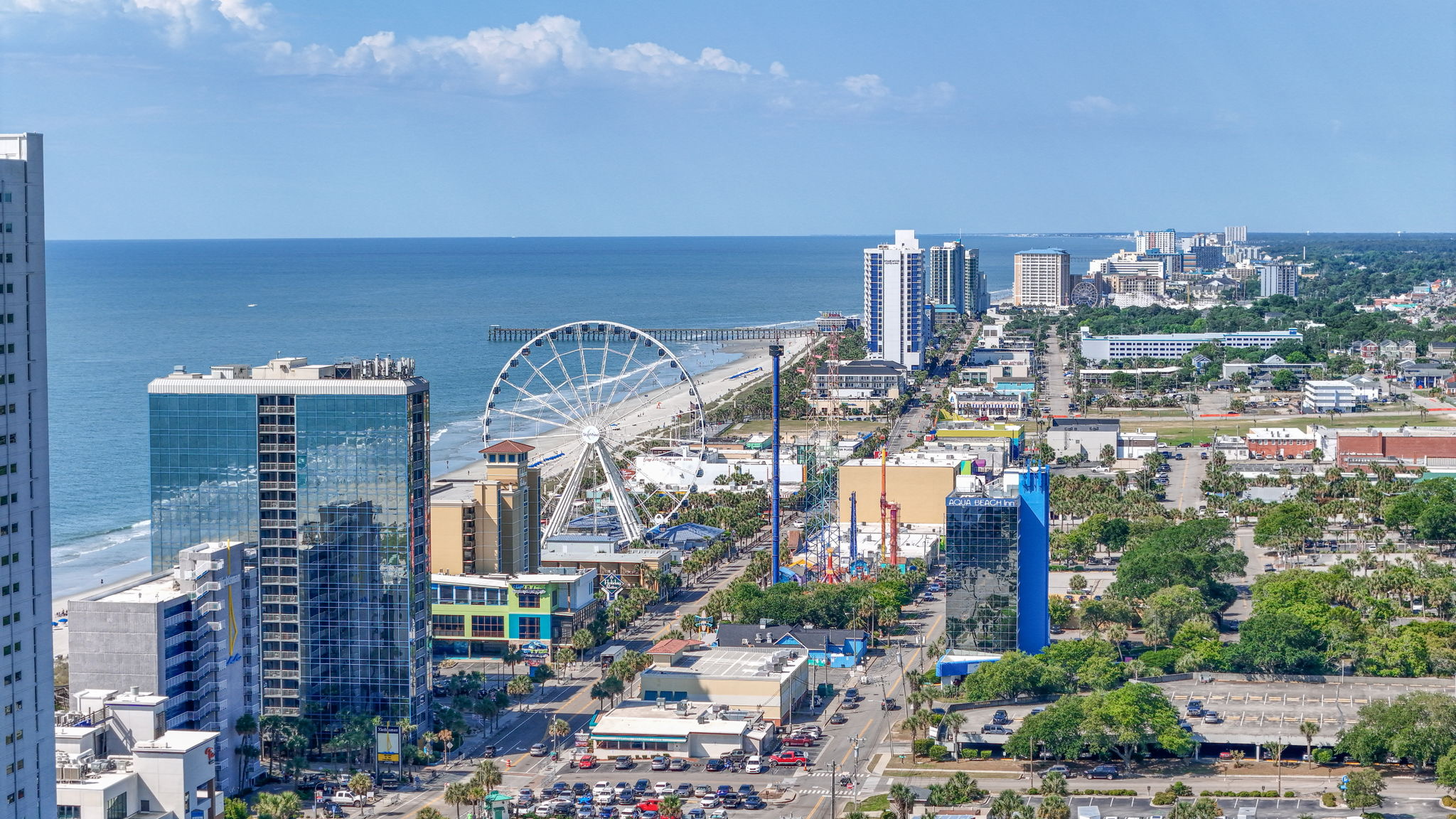
Myrtle Beach is the larger, more commercial of the two cities. It encompasses the central stretch of the Grand Strand, home to the famous boardwalk, Broadway at the Beach, Barefoot Landing overflow, and a dense concentration of hotels, resorts, restaurants, and entertainment venues. It's vibrant and active — which appeals to some buyers and deters others.

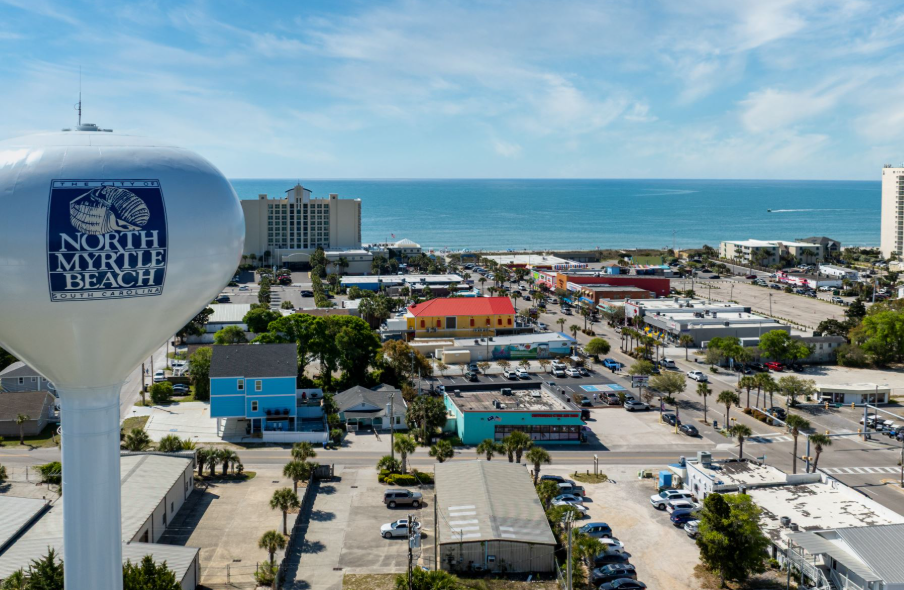
North Myrtle Beach sits just to the north, beginning at the Hwy 17 bypass and extending through communities like Cherry Grove, Ocean Drive, Crescent Beach, and Windy Hill. The atmosphere is generally quieter and more residential, with a strong local community feel. The beach itself tends to be wider and less developed along much of North Myrtle Beach's shoreline. Many buyers who want a coastal lifestyle without the intensity of Myrtle Beach's commercial strip specifically choose North Myrtle Beach.

North Myrtle BeachPrice Differences

Historically, comparable oceanfront condo units in North Myrtle Beach have been priced somewhat lower than similar units in the most sought-after Myrtle Beach buildings. This gap has narrowed over the past decade as North Myrtle Beach has become increasingly popular, but it still exists in certain segments.

That said, within North Myrtle Beach, prices vary widely by sub-area. Cherry Grove — the northernmost neighborhood, known for its wide beach and quieter vibe — tends to command a premium within North Myrtle Beach itself. Ocean Drive and Crescent Beach offer strong value for buyers seeking direct ocean access without the highest price tags. The North Myrtle Beach real estate market report tracks these trends in detail.

Rental Income Potential

Both markets offer solid short-term rental income opportunities, but with some differences. Myrtle Beach's central location, proximity to attractions, and high visitor traffic support strong bookings — particularly in buildings along the main strip. North Myrtle Beach attracts a slightly different demographic: families and groups seeking a more relaxed beach experience, often booking longer stays.

Many investors find that North Myrtle Beach properties, while sometimes lower in acquisition cost, produce competitive gross rental income. The lower purchase price can translate to better cap rates for income-focused buyers.

HOA Fees and Building Types

Myrtle Beach has a higher concentration of large resort-style condo towers — properties with extensive amenities like multiple pools, lazy rivers, fitness centers, and on-site restaurants. These amenities come with higher HOA fees, often in the $700–$1,200+/month range for large resort buildings.

North Myrtle Beach has a mix of resort-style buildings (particularly in Cherry Grove) and smaller, more traditional condo buildings with lower fee structures — sometimes in the $300–$600/month range. For buyers prioritizing lower carrying costs, North Myrtle Beach's smaller buildings often offer better value.

Myrtle Beach, SC Lifestyle and Community

Myrtle Beach is better suited to buyers who want to be in the middle of things — close to dining, entertainment, nightlife, and the commercial energy of a popular resort destination. It also has the largest concentration of golf courses in the Grand Strand.

North Myrtle Beach attracts buyers who want coastal living with more of a neighborhood feel. The area has its own excellent dining and entertainment options, strong local community events, and a pace that many buyers find more appealing for either full-time living or extended vacation use. Cherry Grove in particular is beloved by buyers who want an old-school beach town experience with modern amenities.

Frequently Asked Questions

Is North Myrtle Beach safer than Myrtle Beach?
Both cities are popular tourist and residential destinations. Like any area, crime rates vary by specific location and neighborhood. North Myrtle Beach is generally perceived as quieter and more residential, which many buyers associate with a more stable community environment. Always review specific neighborhood data for any area you're seriously considering.

Which market has better long-term appreciation potential?
Both markets have shown solid appreciation over the past decade. North Myrtle Beach has in some ways outperformed Myrtle Beach in recent years as buyers have discovered its appeal, which has gradually narrowed the historic price gap. Neither market can be predicted with certainty, but both benefit from the same fundamental driver: growing demand for coastal real estate from retiring baby boomers and remote workers.

Can I find oceanfront condos under $300,000 in either market?
The sub-$300,000 oceanfront condo has become rare in both markets. Entry-level oceanfront options are more likely to be found in North Myrtle Beach and its sub-areas than in Myrtle Beach proper, but inventory at any price point changes constantly. Working with an agent who knows both markets is the best way to find current opportunities.


Abe Safa

Abe Safa

Top Listing Agent | Century 21 Harrelson Group

Abe has lived in Myrtle Beach since 1988. He leads the Abe Safa Sales Team at Century 21 Harrelson Group, specializing in selling homes and condos across the Grand Strand. Known for aggressive marketing, sharp negotiation, calm leadership through closing, and an impeccable track record, putting him in the elite top 1% in the country for listing agents.

📞 (843) 360-2145  /  📧 asafa@c21harrelson.com

Posted in Market Updates
Feb. 16, 2026

How to negotiate the best price on an oceanfront property.

Buying an oceanfront property in Myrtle Beach is a significant investment, and how you negotiate can make a meaningful difference in your final price and terms. Whether you're competing against other buyers or have a clear field, the right strategy helps you secure the best possible deal. Here's a practical guide for buying a condo in Myrtle Beach and negotiating effectively at every step.

motivation and salesUnderstand What the Seller Is Motivated By

Not every seller is primarily motivated by the highest price. Some care more about a quick closing, certainty of transaction, minimal contingencies, or a specific possession date. Before making an offer, your agent should gather as much information as possible about the seller's situation — how long the property has been listed, whether the seller has already purchased elsewhere, and whether there are any known time pressures.

When you understand what the seller values most, you can structure your offer to appeal to those priorities — and sometimes win on terms rather than price alone.

Know the Comparable Sales Before You Offer

Negotiation starts with data. Before making any offer, get a clear picture of what similar oceanfront properties have actually sold for in the last 90–180 days. Pay attention to:

  • Price per square foot for comparable units in the same building or nearby buildings
  • Days on market — how long did comparable properties sit before selling?
  • Sale-to-list ratio — did properties close at, above, or below asking price?
  • Any price reductions on the target property — a listing that has already been reduced once is more likely to accept further negotiation

Armed with this data, you can make a confident, defensible offer that reflects market reality rather than emotion.

Start with a Thoughtful Opening Offer

The opening offer sets the tone. Coming in too low risks insulting the seller and ending negotiations before they start. Coming in too close to asking price leaves little room to negotiate and may signal you'll pay full price without resistance.

In the current Myrtle Beach market, a first offer 3–7% below asking price is often reasonable for properties that have been on the market for 45+ days. For freshly listed, well-priced oceanfront condos in high demand, you may need to come in at or very close to asking price — sometimes with escalation clauses if competition is expected.

Use Contingencies Strategically

Contingencies protect the buyer but can weaken an offer in competitive situations. Common contingencies include financing, inspection, and appraisal. Knowing the most important steps in buying a condo means understanding when to use contingencies as tools and when to negotiate from a position of strength without weakening your offer unnecessarily.

For oceanfront condos specifically, the inspection contingency is especially important — saltwater exposure accelerates wear on HVAC systems, windows, balconies, and building exteriors. Never waive inspection on a coastal property.

professional negotiationsNegotiate Beyond the Price

Price is just one element of the deal. Other negotiable terms include:

  • Closing cost assistance — asking the seller to contribute 1–3% toward your closing costs effectively reduces your out-of-pocket expense
  • Personal property — in furnished vacation condos, the contents (furniture, appliances, linens) can be included or excluded depending on your needs
  • Closing date flexibility — matching the seller's preferred timeline can be a valuable concession
  • Repair credits — if the inspection reveals issues, negotiate a credit rather than requiring the seller to make repairs before closing

Work with an Agent Who Knows the Building

For oceanfront condo purchases, local expertise matters enormously. An experienced agent who knows a building's rental history, HOA financial health, past special assessments, and typical negotiating patterns in that complex gives you a real edge. Working with the right realtor for your condo search means having someone in your corner who understands exactly what a fair price looks like and how hard to push.

Frequently Asked Questions

Is it still possible to negotiate below asking price on oceanfront condos in Myrtle Beach?
Yes, in most cases. While the market has been strong, it has normalized from the pandemic-era frenzy. Properties listed 45+ days with price reductions are generally more negotiable. Even in competitive situations, there are often terms beyond price where you can gain value.

What's the biggest negotiating mistake buyers make?
Letting emotion drive the process. When you fall in love with a specific unit and make it obvious, you lose leverage. Keep your enthusiasm private and let the data guide your offer strategy.

Should I get pre-approved before negotiating?
Absolutely. A pre-approval letter from a reputable lender strengthens your offer significantly — it tells the seller you're a serious, qualified buyer. Cash buyers have even more leverage, as they eliminate financing contingency risk entirely.


About Abe Safa

Abe Safa

Listing Agent | Century 21 Harrelson Group

Abe has lived in Myrtle Beach since 1988. He leads the Abe Safa Sales Team at Century 21 Harrelson Group, specializing in selling homes and condos across the Grand Strand. Known for sharp negotiation, calm leadership through closing, and an impeccable track record.

📞 (843) 360-2145  |  📧 asafa@c21harrelson.com

🌐 abesafa.com  |  📺 YouTube

Selling a home or condo on the Grand Strand? Call or text for a no-obligation valuation.

Posted in Buyer Tips
Feb. 15, 2026

What is the average days on market for homes in Myrtle Beach right now?

If you're thinking about buying or selling a condo or home in the Myrtle Beach area, one of the most useful benchmarks to track is days on market — the average number of days a property sits listed before going under contract. This metric tells you a lot about buyer demand, pricing trends, and negotiating power. For a broader look at current conditions, check the Myrtle Beach real estate market report.

What Are Days on Market and Why Do They Matter?DOM projection

Days on market (DOM) measures how long a listing has been active before the seller accepts an offer. A low DOM suggests strong demand and a competitive market — properties are moving quickly and sellers have leverage.

A high DOM suggests buyers have more time to negotiate, and sellers may need to price more aggressively or offer concessions.

Current Days on Market in the Myrtle Beach Area

As of early 2026, days on market in the Myrtle Beach and Grand Strand area have been running in a moderate range — generally between 109-125 days depending on property type, price point, and specific location. Key observations:

  • Oceanfront condos condos are selling in 125 days on average
  • Inland and golf course condos tend to sit longer, especially in the $200,000–$350,000 range where inventory has built up.
  • Single-family homes currently average at 109 DOM.
  • Luxury properties ($600,000+) typically carry longer DOM by nature, even in strong markets.

How Days on Market Has Changed Over Recent Years

During the 2020–2022 pandemic boom, DOM in Myrtle Beach compressed dramatically — some properties went under contract in under 10 days with multiple offers above asking. That pace has since normalized as interest rates rose in 2022–2023.

Current conditions reflect a more balanced environment. Sellers still have some leverage in desirable price points, but buyers now have time to conduct proper due diligence and negotiate terms. Browsing recently sold condos in Myrtle Beach is one of the best ways to understand what's actually closing and at what prices.

What High DOM Can Signal

If a specific listing has been on the market significantly longer than the area average, there are usually a few explanations:

  • Overpricing. The most common reason. If a condo is priced 5–10% above comparable sales, buyers will pass it over repeatedly until the seller adjusts.
  • Building or HOA issues. Some condo buildings have financial problems, pending special assessments, or insurance challenges that make lenders unwilling to finance them — limiting the buyer pool.
  • Condition issues. Properties needing major updates will sit longer as buyers factor in repair costs.
  • Restrictive rental policies. A building that limits rentals to 6+ month minimums will have far fewer potential buyers than one that allows short-term rentals.

Using DOM as a Buyer or Seller

As a buyer, a high DOM listing gives you negotiating room — you can reasonably offer below asking price and request seller concessions like closing cost assistance. As a seller, if your property is sitting past the average DOM without offers, it's a clear signal to revisit your pricing strategy or make improvements to increase appeal.

The Myrtle Beach housing market has shown resilience during broader national slowdowns, largely due to ongoing demand from retirees, second-home buyers, and investors drawn to the area's lifestyle and affordability relative to other coastal markets.

Frequently Asked Questions

Does a high DOM mean a property is a bad deal?
Not necessarily. Sometimes a listing has high DOM simply because it was priced too high at launch and has since been reduced to a genuinely good value. Always look at price history alongside DOM when evaluating a listing.

Does DOM reset if a listing is withdrawn and relisted?
In the Coastal Carolinas MLS, cumulative days on market typically tracks the full history of a property even if it's relisted after a brief withdrawal. Your agent can show you the complete listing and price history.

Is Myrtle Beach a buyer's or seller's market right now?
As of 2026, the market is closer to balanced with a slight seller advantage in entry-level and oceanfront segments. Mid-range and higher-priced properties give buyers more negotiating room.

Monitoring DOM and inventory levels monthly gives you the most accurate current read.


About Abe Safa

Abe Safa

Listing Agent | Century 21 Harrelson Group

Abe has lived in Myrtle Beach since 1988. He leads the Abe Safa Sales Team at Century 21 Harrelson Group, specializing in selling homes and condos across the Grand Strand. Known for sharp negotiation, calm leadership through closing, and an impeccable track record.

📞 (843) 360-2145  |  📧 asafa@c21harrelson.com

🌐 abesafa.com  |  📺 YouTube

Selling a home or condo on the Grand Strand? Call or text for a no-obligation valuation.

Posted in Market Reports
Feb. 14, 2026

Can I rent out my Myrtle Beach condo on Airbnb or VRBO?

Owning a condo in Myrtle Beach opens the door to a popular income strategy: renting it out on platforms like Airbnb or VRBO. But before you list your property, there are important rules, regulations, and financial factors to understand. Here's what every condo owner should know about short-term rental management in Myrtle Beach before getting started.

Can You Legally Rent Your Myrtle Beach Condo on Airbnb or VRBO?renting my condo

The short answer is: it depends on your specific condo building. The two main gatekeepers are your HOA (Homeowners Association) and the city or county where your condo is located.

  • HOA Rules. Many condo associations in Myrtle Beach have specific rental policies — including minimum stay requirements (often 3, 7, or 30 nights), registration requirements, guest limits, and noise or parking rules. Some buildings outright prohibit short-term rentals. Always review your condo's CC&Rs (Covenants, Conditions, and Restrictions) before purchasing with the intent to rent.
  • Local Ordinances. The City of Myrtle Beach and Horry County both have licensing requirements for short-term rentals. You'll likely need a business license or rental permit, and you must collect and remit accommodations taxes to the state and county.

taxes and rentalsWhat Taxes Apply to Short-Term Rentals?
South Carolina imposes a 7% state accommodations tax on short-term rental income. Horry County and the City of Myrtle Beach add additional local taxes on top of this. Many hosts are surprised to learn that Airbnb and VRBO collect some — but not all — of these taxes automatically. You're responsible for knowing what's been collected on your behalf and what you still owe.

You'll also need to report rental income on your federal and state tax returns. If you rent for more than 14 days per year, the property is classified as a rental property for IRS purposes, and you may owe income tax on net rental income after deductions.

How Much Can You Earn Renting on Airbnb or VRBO?

Earnings vary widely depending on your building, location, unit size, amenities, and how well you manage your listing. Oceanfront condos in buildings with pools, lazy rivers, and parking tend to command higher nightly rates. As a rough benchmark:

  • A 1-bedroom oceanfront condo can generate $20,000–$35,000 annually in gross rental income in a well-managed rental program
  • A 2-bedroom unit with a full kitchen in a popular resort building can reach $35,000–$55,000 or more
  • Units that allow owners to self-manage (vs. requiring a property management company) offer more flexibility on pricing and availability

Peak season runs from late May through August, with spring break in March and April also bringing strong demand. Shoulder seasons can still be profitable if priced correctly.

Self-Managing vs. Using a Property Management Company

Many owners in the North Myrtle Beach and Myrtle Beach area use professional rental management companies to handle guest communication, cleaning, maintenance, and tax filing. Management fees typically run 20–35% of gross rental revenue. In exchange, you get a hands-off experience — but lower net income.

Self-managing through Airbnb or VRBO directly gives you more control and keeps more of the revenue, but requires your active involvement. Many part-time owners who live out of state prefer the management company route for peace of mind.

What to Look for in a Rental-Friendly Condo

If your primary goal is short-term rental income, there are specific features that make certain condos better investments than others:

  • HOA that permits rentals without minimum stay restrictions (or short minimums like 3 nights)
  • Oceanfront or ocean-view location — proximity to the beach drives bookings and rates
  • Resort amenities like pools, lazy rivers, hot tubs, and fitness centers
  • On-site rental desk or rental-friendly management
  • No rental cap — some buildings limit the percentage of units that can be in an active rental program

Frequently Asked Questions

Do I need a business license to rent on Airbnb in Myrtle Beach?
Yes. Most municipalities in Horry County require a short-term rental license or business license. Requirements vary by city — check with the City of Myrtle Beach, North Myrtle Beach, or Horry County depending on where your property is located.

Can my HOA stop me from listing on Airbnb even if the city allows it?
Yes. HOA rules are separate from local laws and can be more restrictive. If your condo association prohibits short-term rentals or requires a minimum stay longer than Airbnb's typical booking, you must comply — or risk fines and legal action from the HOA.

Will renting my condo affect my property tax rate?
Yes. If you rent for more than 14 days per year, the property is assessed at the 6% non-owner-occupied rate for property tax purposes, even if you also use it personally. This is the standard rate for investment and vacation rental condos in South Carolina.


About Abe Safa

Abe Safa

Listing Agent | Century 21 Harrelson Group

Abe has lived in Myrtle Beach since 1988. He leads the Abe Safa Sales Team at Century 21 Harrelson Group, specializing in selling homes and condos across the Grand Strand. Known for sharp negotiation, calm leadership through closing, and an impeccable track record.

📞 (843) 360-2145  |  📧 asafa@c21harrelson.com

🌐 abesafa.com  |  📺 YouTube

Selling a home or condo on the Grand Strand? Call or text for a no-obligation valuation.

Posted in Condo Rentals
Feb. 13, 2026

How do property taxes work for second homes in Myrtle Beach?

SC TAX RATESPurchasing a second home in the Myrtle Beach area is an exciting step, but it comes with tax implications that every buyer should understand before closing.

Whether you plan to enjoy the condo yourself or generate rental income, your property tax situation will vary based on how the home is classified and used. Here's a straightforward breakdown of what to know about taxes when buying a condo in Myrtle Beach.

How South Carolina Property Taxes Work for Second Homes

South Carolina assesses property taxes based on the classification of the home. There are two primary categories that affect second-home buyers:

  • 4% Owner-Occupied Rate. This applies to your primary residence. If the Myrtle Beach condo is your main home, you qualify for this lower rate and may also be eligible for the homestead exemption.
  • 6% Non-Owner-Occupied Rate. This is the standard rate for second homes, vacation properties, and investment condos. The majority of second-home buyers in Myrtle Beach fall under this category.

The difference is significant. At the 6% assessment ratio, your tax bill on a second home can be roughly two to three times higher than what you'd pay if it were your primary residence.

Can You Lower Your Property Tax Rate?

In some cases, yes. If you decide to make the Myrtle Beach property your legal primary residence and meet the state requirements, you can apply to have the assessment changed to 4%. This involves registering your vehicles in South Carolina, updating your voter registration, and making the condo your official domicile. Many retirees who move to the Grand Strand full time take advantage of this.

You cannot, however, receive the 4% rate on a property that you rent out for more than 14 days per year. If you're generating rental income from your Myrtle Beach condo, the property will be assessed at the 6% rate regardless of how much time you personally spend there.

What About Short-Term Rental Taxes?

If you rent your property through platforms like Airbnb or VRBO, South Carolina requires you to collect and remit accommodations tax, which is 7% at the state level plus any local taxes that apply in Horry County. This is separate from your annual property tax and must be handled quarterly or as required by the South Carolina Department of Revenue.

Short-term rental activity also affects how you classify the property on your federal tax return. Depending on your level of personal use versus rental use, you may be able to deduct mortgage interest, property taxes, insurance, and depreciation — but the rules differ based on whether the property is primarily a personal home or a rental property.

How Property Taxes Are Calculated in Horry County

Property taxes are based on the county's assessed value multiplied by the millage rate. For Horry County, the millage rate varies slightly depending on the specific municipality (Myrtle Beach, North Myrtle Beach, unincorporated areas, etc.). As a general estimate:

  • Assessed value = Market value × assessment ratio (4% or 6%)
  • Tax owed = Assessed value × millage rate
  • Example: A $350,000 condo assessed at 6% = $21,000 assessed value × the Horry County millage rate

The Horry County Assessor's website provides current millage rates, and many buyers are surprised at how affordable the total tax bill is compared to northern states — even at the 6% rate.

Federal Tax Considerations for Second Homes

On your federal return, if you use the property personally for more than 14 days or more than 10% of the days it was rented (whichever is greater), it is treated as a personal residence for tax purposes. This limits your ability to deduct rental losses but still allows you to deduct mortgage interest and property taxes. If the property is primarily a rental, you may be able to claim depreciation and offset rental income with operating expenses.

Many buyers of Myrtle Beach condos for sale work with a CPA familiar with vacation rental properties to maximize deductions and stay compliant. This is especially important in the first year of ownership.

Frequently Asked Questions

Do I pay property taxes at closing?
Property taxes in South Carolina are paid in arrears. At closing, you'll typically see a tax proration — the seller pays their share of taxes up to the closing date, and you take responsibility from that point forward. Your first actual tax bill won't arrive until the following year.

Are there any property tax exemptions for seniors in South Carolina?
Yes. The Homestead Exemption exempts the first $50,000 of the fair market value of your legal primary residence if you are 65 or older, permanently disabled, or legally blind. This does not apply to second homes or rental properties.

Will my property taxes change after I buy?
Yes, they can. The property will be reassessed at the time of sale, which may result in a higher (or lower) tax bill than the previous owner was paying. Budget accordingly and confirm with your agent what the expected tax bill will be post-purchase.


About Abe Safa

Abe Safa

Listing Agent | Century 21 Harrelson Group

Abe has lived in Myrtle Beach since 1988. He leads the Abe Safa Sales Team at Century 21 Harrelson Group, specializing in selling homes and condos across the Grand Strand. Known for sharp negotiation, calm leadership through closing, and an impeccable track record.

📞 (843) 360-2145  |  📧 asafa@c21harrelson.com

🌐 abesafa.com  |  📺 YouTube

Selling a home or condo on the Grand Strand? Call or text for a no-obligation valuation.

Posted in Buyer Tips
Feb. 10, 2026

What should I look for during a Myrtle Beach condo inspection?

A condo inspection is one of the most important steps in the buying process — and one that buyers sometimes skip to save money or speed up a deal. Don't make that mistake. In the Myrtle Beach market, where many condos are older buildings with heavy coastal wear, a thorough inspection can reveal problems that save you thousands of dollars after closing. Here's a detailed guide to what you should look for when inspecting a Myrtle Beach condo.

Understand What a Standard Condo Inspection Covers

A licensed home inspector will examine the interior of your specific unit — not the entire building. That means they'll check the HVAC system, plumbing, electrical panel, appliances, windows, doors, ceilings, walls, and floors within your unit. They won't typically inspect common areas, the roof, elevators, or the building's structural systems unless you arrange for a more comprehensive inspection. Before you start the buying process, make sure you understand the scope of your inspection and what it won't cover.

HVAC System and Saltwater Corrosion

The single most common issue in Myrtle Beach condos is saltwater corrosion to HVAC systems. Units that are close to the ocean can experience accelerated wear on air handlers, coils, and condenser units. Ask the inspector specifically about the age and condition of the HVAC equipment, look for rust on the coils or air handler, and budget for replacement if the system is more than 10-12 years old. Replacement can cost $3,000–$7,000 or more depending on the unit size.

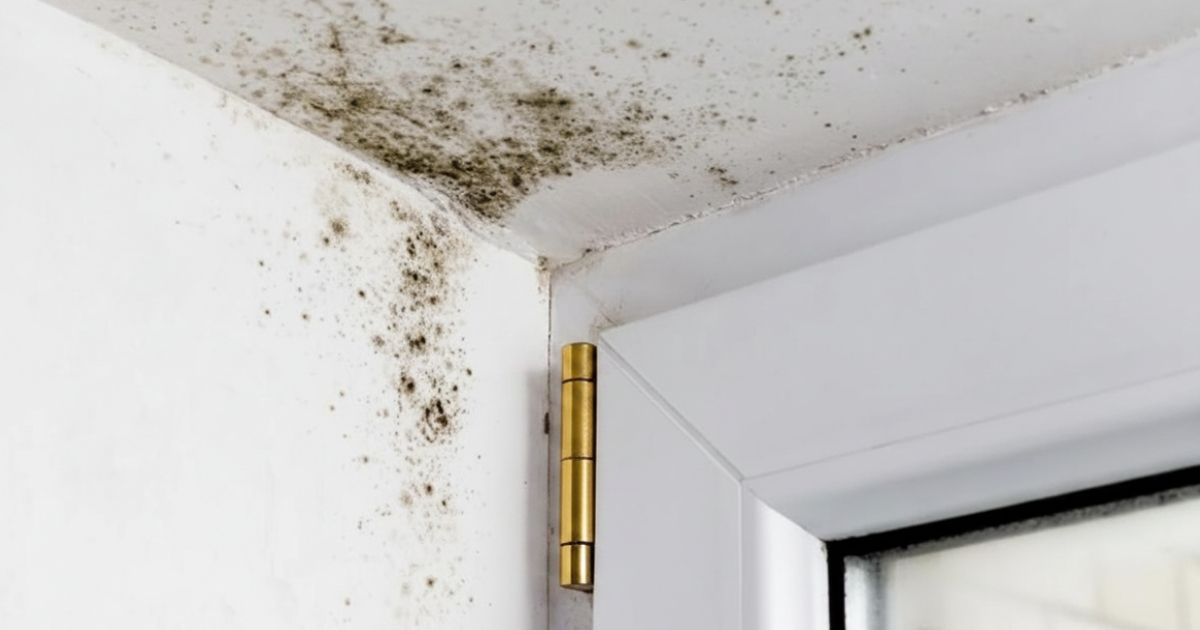
Moisture Intrusion and Moldmold and moistures

Coastal humidity combined with aging building envelopes creates ideal conditions for moisture intrusion and mold.

The inspector should check around all windows and sliding glass doors for signs of water infiltration — look for staining, soft drywall, or bubbling paint. Bathrooms and laundry areas should be checked for mold behind walls and under flooring. If moisture issues are found, get a mold test before closing.

Balcony and Sliding Door Condition

Balconies in oceanfront and near-ocean buildings take a beating from salt air, UV exposure, and storms. Check the balcony deck for cracks, spalling concrete, or rust staining from corroding rebar beneath the surface. Sliding glass doors should open and close smoothly, lock properly, and have intact weatherstripping. Balcony railings should be solid with no movement — a safety issue that also signals deeper structural corrosion.

Plumbing and Water Heater Age

Water heaters in coastal condos often have shorter lifespans due to the mineral content in the water and the humid environment. A water heater that's 8+ years old should be budgeted for replacement.

Ask the inspector to check for signs of corrosion at connections and to verify proper pressure relief valve function. Also check under sinks and around the washer/dryer connections for any signs of past or active leaks.

Electrical Panel and Wiring

Older condo buildings may have electrical panels that don't meet current code requirements or that have known safety issues. The inspector should identify the panel brand, age, and capacity. Aluminum wiring in older units is a concern worth investigating. Also verify that GFCI outlets are installed in all wet areas — bathrooms, kitchen, and near the balcony.

HOA Review the Building's Condo Association Records
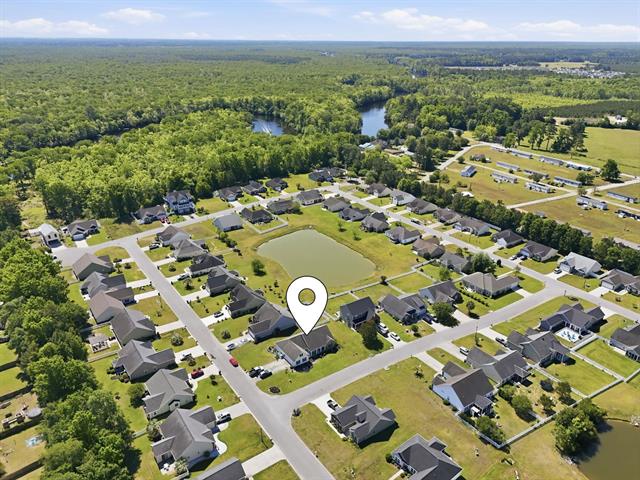
Beyond the unit itself, request the HOA meeting minutes, reserve fund study, and any pending special assessments before closing. A building with a poorly funded reserve or deferred maintenance issues could hit you with a large unexpected assessment after you close. Look at the Myrtle Beach condo projects available to understand the variety of buildings in the market and how they're maintained. Buildings that have undergone recent reroofing, elevator modernization, or parking deck repairs are generally in better shape than those that haven't.

Know What Type of Condo You're Buying

The inspection items to prioritize will vary by condo type. A high-rise oceanfront unit has different concerns than a low-rise golf course condo. Reviewing popular condo types in Myrtle Beach before your inspection helps you understand what to expect and what questions to ask your inspector.

Frequently Asked Questions

Is a condo inspection required in South Carolina?
No, it's not legally required, but it is strongly recommended. Waiving an inspection to win a bid can cost far more in repairs than you saved. Even in competitive markets, a professional inspection is a wise investment.

How much does a condo inspection cost in Myrtle Beach?
Expect to pay $250–$450 for a standard condo inspection, depending on the unit size and the inspector. Additional tests like mold, radon, or sewer scopes cost extra. The fee is well worth it given what an inspector might find.

Can I negotiate repairs after an inspection?
Yes. In South Carolina, the inspection period is your opportunity to request repairs, a price reduction, or a credit at closing. Your real estate agent can help you determine what's worth negotiating and what to let go.

What is a special assessment and should it scare me?
A special assessment is a one-time charge levied by the HOA for a major repair or capital improvement the reserve fund can't cover. It's not always a red flag — some well-run buildings use assessments for planned upgrades. What matters is the cause, the amount, and whether there are more assessments expected.


About Abe Safa

Abe Safa

Listing Agent | Century 21 Harrelson Group

Abe has lived in Myrtle Beach since 1988. He leads the Abe Safa Sales Team at Century 21 Harrelson Group, specializing in selling homes and condos across the Grand Strand. Known for sharp negotiation, calm leadership through closing, and an impeccable track record.

📞 (843) 360-2145  |  📧 asafa@c21harrelson.com

🌐 abesafa.com  |  📺 YouTube

Selling a home or condo on the Grand Strand? Call or text for a no-obligation valuation.

Posted in Buyer Tips
Feb. 9, 2026

Where are the best places to live in the Grand Strand area?

mbsc homesThe Grand Strand stretches over 60 miles along the South Carolina coast, and each community within it has its own character, price point, and lifestyle appeal.
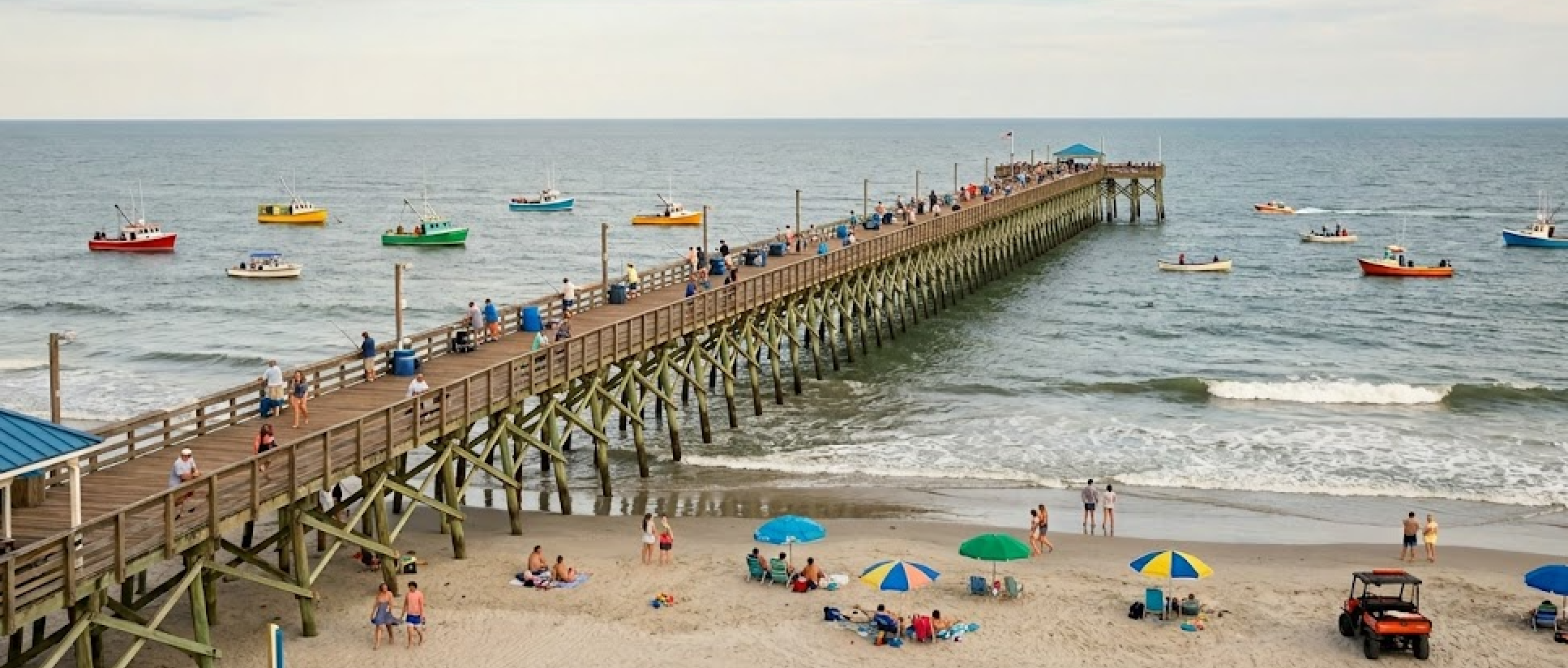

Whether you're looking for a full-time home, a vacation retreat, or an investment property, knowing where the best places to live are in this region will help you make a smarter decision.

Here's a breakdown of the top Grand Strand communities and what makes each one special.

Myrtle Beach

Myrtle Beach is the hub of the Grand Strand — a vibrant, year-round city with everything from world-class golf courses and restaurants to major shopping centers and a bustling beachfront. It's the most affordable entry point for oceanfront condos and offers the widest selection of property types. If you want to be in the middle of the action with strong rental income potential, Myrtle Beach is hard to beat. Browse available Myrtle Beach condos for sale to see current inventory.

North Myrtle Beach

Just north of Myrtle Beach, this city feels more relaxed and residential while still offering direct beach access and excellent amenities. It's divided into distinct neighborhoods — Cherry Grove, Ocean Drive, Crescent Beach, and Windy Hill — each with a slightly different vibe. North Myrtle Beach attracts a mix of retirees, families, and investors. Homes and condos here tend to hold their value well, and the area has seen consistent appreciation over the past decade. Explore North Myrtle Beach condos for sale for current listings.

Cherry Grove

Cherry Grove sits at the northern tip of North Myrtle Beach and has a charming, old-school beach town feel. It's known for its wide beaches, great fishing, and quieter atmosphere. The area has a mix of oceanfront condos and single-family homes, and it tends to draw buyers who want a true beach community without the commercial bustle of central Myrtle Beach.

surfside beach

Surfside Beach

Known as "The Family Beach," Surfside Beach sits just south of Myrtle Beach and has a laid-back, small-town atmosphere. It's one of the most sought-after communities for year-round residents because of its tight-knit community feel, excellent schools, and relative affordability. Surfside condos and homes offer strong value compared to oceanfront properties further north. See available Surfside Beach condos for sale.

Garden City Beach

Garden City Beach offers a quieter, more affordable alternative to the main Myrtle Beach strip. It's popular with retirees and seasonal visitors who want beach access without the commercial density. The community has a genuine neighborhood feel, and properties here can offer excellent value for buyers on a budget.

murrells inlet scMurrells Inlet

If you love seafood, sunsets, and a relaxed coastal lifestyle, Murrells Inlet might be your perfect match. Known as the "Seafood Capital of South Carolina," Murrells Inlet is famous for its MarshWalk — a waterfront strip of restaurants and bars overlooking the tidal marsh. The area is mostly residential with a mix of single-family homes and waterway condos. It's especially popular with retirees and second-home buyers.

Pawleys Island

Located about 25 miles south of Myrtle Beach, Pawleys Island is one of the most prestigious addresses on the Grand Strand. It has a distinctly upscale, low-key character — famous for its hammocks, natural beauty, and Litchfield Beach. Properties here tend to be higher-priced, and the community attracts buyers looking for a quieter, more refined beach lifestyle.

Little River

Little River is a charming fishing village at the northernmost point of the South Carolina coast, bordering North Carolina. It's one of the most affordable communities on the Grand Strand and appeals to buyers looking for a laid-back waterway lifestyle. The area is known for its Blue Crab Festival, local marinas, and peaceful atmosphere.

Frequently Asked Questions

Which Grand Strand community is best for families?
Surfside Beach and Murrells Inlet consistently rank as top choices for families due to their quieter atmosphere, excellent schools, and strong sense of community.

Where is the most affordable place to buy a condo on the Grand Strand?
Myrtle Beach and Garden City Beach typically offer the most affordable oceanfront and near-beach condos. North Myrtle Beach and Little River also have competitively priced options depending on the building and location.

Which area has the strongest rental income potential?
Myrtle Beach and North Myrtle Beach generate the highest short-term rental income due to their high tourism traffic and name recognition. Cherry Grove and Ocean Drive also perform well for vacation rentals.

Is Pawleys Island worth the higher price?
For buyers who prioritize privacy, natural beauty, and a prestigious address, yes. Pawleys Island properties tend to hold their value exceptionally well and attract a loyal market of repeat buyers.


About Abe Safa

Abe Safa

Listing Agent | Century 21 Harrelson Group

Abe has lived in Myrtle Beach since 1988. He leads the Abe Safa Sales Team at Century 21 Harrelson Group, specializing in selling homes and condos across the Grand Strand. Known for sharp negotiation, calm leadership through closing, and an impeccable track record.

📞 (843) 360-2145  |  📧 asafa@c21harrelson.com

🌐 abesafa.com  |  📺 YouTube

Selling a home or condo on the Grand Strand? Call or text for a no-obligation valuation.