Life on the Grand Strand: The MyrtleBeachCondos.Net Blog

You’ll find our blog to be a wealth of information, covering everything from local market statistics and home values to community happenings. That’s because we care about the community and want to help you find your place in it. Please reach out if you have any questions at all. We’d love to talk with you!

Feb. 8, 2026

How to sell a Myrtle Beach condo fast and for top dollar.

Selling a condo in Myrtle Beach can be a smooth and profitable experience — if you know what you're doing. Whether you're relocating, upgrading, or cashing in on your investment, the strategies you use will determine how quickly your property sells and how much money you walk away with. In this guide, Abe Safa shares proven tactics to help you sell your Myrtle Beach condo fast and for top dollar.

Price It Right From the Start

The single most important factor in a fast, profitable sale is pricing. Overpriced condos sit on the market and eventually sell for less than they would have if priced correctly from day one. Underpriced condos leave money on the table. Work with an experienced local agent to run a comparative market analysis (CMA) and price your condo competitively based on recent sales in your building and the surrounding area.

  • Review recent comparable sales. Look at condos with similar square footage, floor level, view, and amenities that sold within the past 90 days.
  • Factor in your condo's unique features. Direct ocean views, updated kitchens, and high-floor units can command a premium.
  • Avoid emotional pricing. What you paid or what you've invested in upgrades doesn't determine market value — buyer demand does.

Stage and Photograph Your Condo ProfessionallyProfessional photos
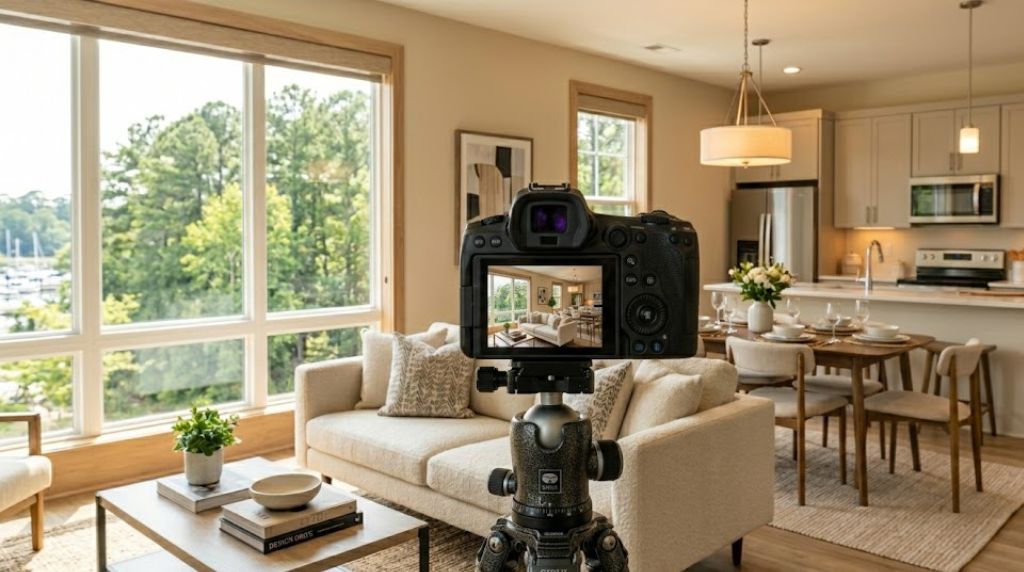
First impressions are made online. The vast majority of buyers begin their search on real estate websites, so your listing photos need to be exceptional. Professionally staged and photographed condos consistently sell faster and at higher prices than those with smartphone snapshots.

  • Declutter and depersonalize. Remove personal items, excess furniture, and anything that makes the space feel smaller or more cluttered.
  • Maximize light and views. Open curtains, turn on all lights, and make sure the ocean or pool view is prominently featured in photos.
  • Hire a professional real estate photographer. Consider drone photography or video tours for ocean-view units — these can dramatically increase showing requests.

Make Strategic Improvements Before Listing

You don't need to renovate the entire condo, but targeted improvements can significantly boost your sale price. Focus on updates that buyers notice immediately and that offer a strong return on investment.

  • Fresh paint. Neutral colors make spaces feel larger and more move-in ready. This is one of the highest-ROI improvements you can make.
  • Updated fixtures and hardware. Replacing dated light fixtures, cabinet pulls, and faucets is inexpensive and makes a big visual impact.
  • Deep clean everything. Carpets, grout, appliances, windows — buyers notice cleanliness. A professionally cleaned condo signals that it has been well-maintained.
  • Address obvious repairs. Fix leaky faucets, squeaky doors, damaged blinds, and any cosmetic issues. Buyers will use these in negotiations.

Market Aggressively Across All Channels

Getting maximum exposure is critical to attracting the right buyer quickly. A full-service agent will list your condo on the MLS, syndicate it to Zillow, Realtor.com, and hundreds of other sites, and actively market to their buyer network. But there's more you can do to stand out in the Myrtle Beach real estate market.

  • Social media marketing. Target out-of-state buyers and investors with paid ads on Facebook and Instagram. Many Myrtle Beach condo buyers are from the Midwest and Northeast.
  • Email campaigns to buyer lists. A well-connected local agent will have a database of buyers actively looking for condos in your price range.
  • Virtual tours. Many buyers purchase Myrtle Beach condos without visiting in person. A 3D Matterport tour or high-quality video walkthrough can close deals remotely.

Time Your Listing Strategically

The Myrtle Beach real estate market has seasonal patterns. Listing at the right time can mean faster offers and stronger prices. Spring (March through May) is typically the hottest selling season, as buyers are motivated to close before summer. However, well-priced condos in desirable buildings sell year-round, especially to investors and retirees who aren't tied to the school calendar.

Be Flexible With Showings and Negotiationsnegotiations

Serious buyers don't always shop on a convenient schedule. Being available for showings on short notice, including evenings and weekends, will help you capture more offers. When offers come in, work with your agent to evaluate each one carefully — sometimes a slightly lower offer with stronger terms (cash, shorter closing, no contingencies) is worth more than a higher-priced offer with complications. To understand how your property fits into the current market landscape, explore the various Grand Strand communities and what comparable units are trading for.

Frequently Asked Questions

How long does it take to sell a condo in Myrtle Beach?
Well-priced condos in desirable buildings typically sell within 30 to 60 days. Overpriced or outdated units can sit for months. Working with an experienced agent and pricing correctly from day one is the fastest path to closing.

Do I need to be present in Myrtle Beach to sell my condo?
No. Many condo sellers are out-of-state owners who complete the entire transaction remotely. Your agent can handle showings, inspections, and negotiations on your behalf, and closings can be done via mail or remote notary in most cases.

Should I sell my Myrtle Beach condo furnished or unfurnished?
This depends on your target buyer. Selling furnished appeals to investors and vacation buyers who want a turnkey property. If you're selling to primary residents, unfurnished may be preferred. Your agent can advise based on what's moving fastest in your building.

What fees should I expect when selling a condo in Myrtle Beach?
Typical seller costs include agent commission (usually 5-6%), attorney fees (South Carolina requires a real estate attorney at closing), transfer taxes, and any HOA transfer fees. Your agent can provide a net proceeds estimate so you know exactly what to expect.

About Abe Safa

Abe Safa

Listing Agent | Century 21 Harrelson Group

Abe has lived in Myrtle Beach since 1988. He leads the Abe Safa Sales Team at Century 21 Harrelson Group, specializing in selling homes and condos across the Grand Strand. Known for sharp negotiation, calm leadership through closing, and an impeccable track record.

📞 (843) 360-2145  |  📧 asafa@c21harrelson.com

🌐 abesafa.com  |  📺 YouTube

Selling a home or condo on the Grand Strand? Call or text for a no-obligation valuation.

Posted in Seller Tips
Feb. 6, 2026

What are the standard closing costs for buyers in South Carolina?

Buying a home or condo in South Carolina comes with a set of closing costs that every buyer should understand before making an offer. These costs are in addition to your down payment and can add up to several thousand dollars. Knowing what to expect — and how to plan for it — makes the entire transaction smoother and prevents unwanted surprises at the closing table. This guide breaks down the standard closing costs buyers face in South Carolina, with specific focus on the Myrtle Beach and Grand Strand market.

What Are Closing Costs?Myrtle Beach Closing Costs

Closing costs are the fees and expenses paid at the end of a real estate transaction when ownership of a property officially transfers from seller to buyer. In South Carolina, buyers typically pay closing costs totaling between 2% and 5% of the purchase price, though the exact amount varies depending on the lender, property type, location, and negotiations with the seller.

On a $300,000 condo purchase, that means buyers should budget between $6,000 and $15,000 for closing costs beyond the down payment. Understanding each line item helps you compare lenders effectively and negotiate more confidently. If you are actively searching for properties, browse available Myrtle Beach condos for sale to understand current price points before estimating your closing cost range.

Lender-Related Closing Costs

If you are financing your purchase, your lender will charge fees related to processing and underwriting your loan. These typically include:

  • Loan origination fee. Usually 0.5% to 1% of the loan amount. This covers the lender's cost of processing your application and preparing your loan documents.
  • Discount points. Optional fees paid upfront to reduce your interest rate. One point equals 1% of the loan amount. Whether paying points makes sense depends on how long you plan to hold the property.
  • Appraisal fee. Typically $400 to $600. Your lender requires an independent appraisal to confirm the property is worth the purchase price before funding the loan.
  • Credit report fee. Usually $25 to $50. Covers the cost of pulling your credit report as part of the underwriting process.
  • Underwriting fee. Ranges from $400 to $900. This is the lender's fee for evaluating and approving your loan application.
  • Rate lock fee. Some lenders charge to lock in your interest rate while your loan processes. Ask your lender upfront whether this fee applies.

Title and Attorney Fees

South Carolina is an attorney state, meaning a licensed attorney must be present at closing. The attorney prepares and reviews all closing documents, conducts the title search, and handles the disbursement of funds. Attorney fees in South Carolina typically range from $600 to $1,200 depending on the transaction's complexity.taxes and fees

Title insurance is another standard closing cost. There are two types: lender's title insurance, which protects your mortgage lender, and owner's title insurance, which protects you as the buyer. Lender's title insurance is generally required when financing a purchase. Owner's title insurance is optional but strongly recommended — it protects you from undiscovered title defects, liens, or claims that could arise after closing.

Title insurance premiums in South Carolina are typically calculated as a percentage of the purchase price and often range from $500 to $1,500 depending on the transaction.

Government Fees and Taxes

South Carolina has several government-related fees that appear at closing:

  • Recording fees. Charged by the county register of deeds to officially record the deed and mortgage documents. Typically $10 to $50 depending on the number of pages.
  • Transfer taxes. South Carolina charges a deed recording fee of $1.85 per $500 of the purchase price (or fraction thereof). On a $300,000 purchase, this equals approximately $1,110. This cost is typically split between buyer and seller, though it is negotiable.
  • Mortgage tax. Some counties charge a modest tax on the mortgage amount. Verify with your closing attorney whether this applies in your specific county.

Prepaid Items and Escrow Deposits

Beyond the fees listed above, buyers are also required to prepay certain ongoing costs at closing. These are not fees charged by the lender or title company — they are simply costs you pay upfront to establish escrow accounts or cover the first period of a new service:

  • Homeowners insurance. You will need to provide proof of insurance before closing and typically prepay the first year's premium at closing.
  • Property taxes. Lenders usually require an escrow deposit of two to three months' worth of property taxes to seed your escrow account.
  • Prepaid mortgage interest. Interest that accrues from your closing date through the end of the month. The earlier in the month you close, the larger this amount will be.
  • HOA fees. For condos and planned communities, you may be required to pay a prorated portion of HOA fees or an HOA transfer fee at closing.

For a full overview of the purchase process in this market, the Myrtle Beach buyer's guide covers financing, timelines, and what to expect from contract to close.

How to Reduce Your Closing Costs

There are several legitimate strategies buyers use to reduce out-of-pocket closing costs. Negotiating seller concessions — where the seller agrees to contribute toward your closing costs — is common in markets with more balanced inventory. In a buyer's market, sellers may agree to pay a portion or all of your closing costs in exchange for accepting a full-price or otherwise favorable offer.

Shopping multiple lenders is also effective. Lenders vary in what they charge for origination, underwriting, and other fees. Comparing loan estimates from at least two or three lenders can save you hundreds to thousands of dollars. Additionally, closing at the end of the month reduces your prepaid interest, since you are only paying for a few days rather than a full month. Explore the Grand Strand communities to find properties that fit your budget after accounting for all acquisition costs.

Frequently Asked Questions

Can closing costs be rolled into the loan?
In some cases, yes. Certain loan programs allow closing costs to be financed into the loan amount. However, this increases your loan balance and monthly payment. Ask your lender which costs, if any, can be included in your financing.

Who pays closing costs in South Carolina — the buyer or the seller?
Both parties typically pay closing costs, but which party pays what is negotiable. The seller traditionally pays the real estate agent commissions and the deed recording transfer fee. The buyer typically pays lender fees, title insurance, and prepaid items. However, seller concessions toward buyer closing costs are common and can be negotiated as part of the offer.

Are closing costs different for a condo versus a house?
The core costs are similar, but condo purchases may include additional HOA-related fees at closing, such as a transfer fee, move-in fee, or working capital contribution. Always review the HOA's closing requirements before finalizing your budget.

How soon before closing will I know my exact costs?
Your lender is required to provide a Closing Disclosure at least three business days before closing. This document itemizes every cost and should be reviewed carefully against your original Loan Estimate to spot any unexpected changes.


About Abe Safa

Abe Safa

Listing Agent | Century 21 Harrelson Group

Abe has lived in Myrtle Beach since 1988. He leads the Abe Safa Sales Team at Century 21 Harrelson Group, specializing in selling homes and condos across the Grand Strand. Known for sharp negotiation, calm leadership through closing, and an impeccable track record.

📞 (843) 360-2145  |  📧 asafa@c21harrelson.com

🌐 abesafa.com  |  📺 YouTube

Selling a home or condo on the Grand Strand? Call or text for a no-obligation valuation.

Posted in Buyer Tips
Feb. 6, 2026

A 38-Year Local's Guide to Buying Real Estate in the Grand Strand

Myrtle beach and the strandI moved to Myrtle Beach in 1988. Since then, I've watched this market transform from a sleepy seasonal beach town into one of the fastest-growing real estate markets in the southeastern United States. I've seen the boom years, the crash, the recovery, and the surge. I've helped buyers find properties in neighborhoods that didn't exist yet and sold properties in communities that have completely changed character. Here's what nearly four decades of living and working in this market has taught me about buying real estate in the Grand Strand — and what you need to know before you buy. Explore current Myrtle Beach condos for sale to start getting a feel for what's available.

The Grand Strand Is Not One Market — It's Many

People talk about "the Myrtle Beach market" as if it's a single entity. It isn't. The Grand Strand stretches over 60 miles of coastline, and real estate behaves very differently depending on where you are:

  • North Myrtle Beach (Cherry Grove, Ocean Drive, Crescent Beach, Windy Hill) tends to attract families and long-term vacation home buyers. It's quieter than the main strip, more residential in character, and has historically shown solid long-term appreciation.
  • The Main Strip (Myrtle Beach proper) is denser, louder, and more hotel-oriented. Condotels are common here. Rental yields can be higher, but so are HOA fees and management overhead. It's a great market for short-term rental investors who understand what they're buying into.
  • Surfside Beach, Garden City, Murrells Inlet offer a more laid-back atmosphere and tend to attract buyers looking for a second home that feels less commercial. Prices here have risen significantly over the last decade.
  • Pawleys Island and Litchfield Beach attract a more upscale buyer. Lower density, larger lots, different demographics. Not the same market as a strip condo.

Understanding which sub-market aligns with your goals is the single most important decision you make before you start shopping.

The Seasonal Rhythm Still Matters

Myrtle Beach is still a seasonal market to a meaningful degree. Peak season runs from Memorial Day through Labor Day, and that's when rental income peaks, traffic peaks, and listing activity peaks. What most buyers don't realize is that the best buying opportunities often come in the off-season — October through February — when sellers are more motivated, inventory lingers longer, and there's less competition among buyers.

If you're not in a rush, consider timing your purchase for the fall or winter months. I've seen buyers save meaningfully by not competing with the spring rush.

What the Market Report Actually Tells You

One of the most useful tools available to buyers is the local market report — not just a statewide or national number, but a granular look at days on market, list-to-sale price ratios, and inventory levels in the specific ZIP code and property type you're targeting. The Myrtle Beach real estate market report gives you the data to understand whether you're buying in a buyer's or seller's market, how long properties are sitting before selling, and what similar properties have actually sold for — not just what they're listed at.

National headlines about real estate almost never apply directly to a specific building in North Myrtle Beach. Local data wins every time.

HOA Health Is as Important as Property Condition

After 38 years in this market, I've seen more deals derailed by HOA issues than by property condition issues. In Myrtle Beach's condo-heavy market, the HOA is essentially a co-owner of your investment. Before you close, always request and review:

  • The HOA's reserve fund balance and reserve study
  • Meeting minutes from the past 12–24 months
  • Any pending or threatened litigation
  • Special assessment history and any proposed special assessments
  • The current operating budget and delinquency rate

A building with deferred maintenance and a depleted reserve fund is a liability waiting to materialize, regardless of how good the unit looks inside.

Myrtle Beach FAQThe Properties That Have Held Value Best

Over the decades, I've noticed consistent patterns in what holds value and appreciates most reliably in this market. Oceanfront and ocean-view properties consistently outperform. Well-managed buildings with strong HOAs outperform poorly managed ones. Properties in established communities with stable ownership bases outperform high-turnover investor buildings. Understanding the different types of condo properties available in the Grand Strand can help you identify which category best fits your goals.

Frequently Asked Questions

Is Myrtle Beach real estate a good long-term investment?
The long-term track record is strong, particularly for oceanfront and ocean-view properties in well-managed communities. The market has recovered from every downturn and continued to attract buyers from across the country. That said, individual property selection matters enormously — not everything in this market performs equally.

How has Myrtle Beach changed as a real estate market since the 1980s?
The transformation has been dramatic. When I arrived in 1988, Myrtle Beach was far more seasonal and far less developed. Today it's a year-round destination with a substantial permanent population, a diversified economy, and a real estate market that attracts buyers from dozens of states. Prices have increased dramatically, and the market has professionalized significantly.

What's your biggest piece of advice for someone buying their first Myrtle Beach property?
Take your time learning the market before you buy. Visit at different times of year. Drive through the neighborhoods you're considering. Understand what you're buying — investment, second home, eventual primary residence — because that shapes every decision. And work with an agent who actually lives here and knows the specific buildings and communities, not just someone passing through.

Abe Safa

Abe Safa

Top Listing Agent | Century 21 Harrelson Group

Abe has lived in Myrtle Beach since 1988. He leads the Abe Safa Sales Team at Century 21 Harrelson Group, specializing in selling homes and condos across the Grand Strand. Known for aggressive marketing, sharp negotiation, calm leadership through closing, and an impeccable track record, putting him in the elite top 1% in the country for listing agents.

📞 (843) 360-2145  /  📧 asafa@c21harrelson.com

Posted in Buyer Tips
Feb. 5, 2026

Is buying a condo in Myrtle Beach a good investment in 2026?

Myrtle Beach has long attracted investors drawn to its combination of affordability, tourism demand, and quality of life. But as we move deeper into 2026, buyers are right to ask whether a condo purchase here still makes financial sense. The short answer is yes — for the right buyer who understands the local market — a Myrtle Beach condo can still be a strong investment. Here is what you need to know before making your decision.

Why Myrtle Beach Remains a Strong Investment MarketMBSC

The Grand Strand draws more than 20 million visitors annually, making it one of the most visited beach destinations on the East Coast. That consistent tourism demand underpins the short-term rental market and keeps vacancy rates relatively manageable compared to other coastal markets. For investors who plan to rent their condo during peak season — Memorial Day through Labor Day, plus spring break — the income potential remains compelling.

Beyond tourism, the area continues to attract permanent residents and retirees. South Carolina has no estate tax, a favorable income tax structure for retirees, and a relatively low cost of living compared to coastal markets in Florida and the Northeast. This population growth supports long-term property appreciation. If you are ready to start exploring available properties, browse current Myrtle Beach condos for sale to get a sense of today's pricing across different buildings and neighborhoods.

Key Factors That Determine ROI on a Myrtle Beach Condo

Not all condos in Myrtle Beach perform equally as investments. The following factors have the greatest influence on return on investment:

  • Location and building quality. Oceanfront properties with strong amenity packages command higher nightly rental rates. Buildings with newer construction or recent renovations tend to attract repeat guests and generate better reviews, which directly affects occupancy.
  • HOA fees and restrictions. High HOA fees can significantly erode monthly cash flow. Some buildings also restrict short-term rentals or limit the number of rental days per year. Always review the HOA documents before purchasing.
  • Rental management approach. Self-managed rentals through platforms like Airbnb and VRBO typically generate higher gross revenue but require more time. Professional property management costs 20-30% of gross rental income but handles everything from guest communication to cleaning.
  • Unit size and layout. Studios and one-bedroom condos have lower price points and appeal to couples and solo travelers. Two- and three-bedroom units attract families and generate higher per-stay revenue, but carry higher purchase prices.

What the 2026 Market Looks Like for Buyers

Inventory levels across the Grand Strand in 2026 remain elevated compared to the pandemic-era lows of 2021 and 2022, giving buyers more negotiating room than they had at the market's peak. Prices have moderated in many condo complexes, particularly in the mid-range and older building segments.

For buyers putting down 25-30% and purchasing at today's adjusted prices, the math on rental income versus carrying costs can still work — particularly for those with a multi-year investment horizon. For a deeper understanding of what the purchasing process involves, the Myrtle Beach buying guide covers everything from financing options to due diligence steps specific to the condo market here.

Risks to Understand Before Buying

Every investment carries risk, and Myrtle Beach condos are no exception. The most significant risks investors face include:

  • Hurricane and weather exposure. Coastal properties carry higher insurance costs and the possibility of storm damage. Flood zone designations affect both insurance costs and mortgage requirements. Always verify the flood zone status before purchasing.
  • Rental regulation changes. Some municipalities in the Grand Strand have tightened short-term rental rules in recent years. Buyers should research current regulations for the specific city where the property is located.
  • HOA financial health. A financially unstable HOA with underfunded reserves or pending special assessments is a serious red flag. Request the HOA budget, reserve study, and meeting minutes for at least the past two years as part of your due diligence.
  • Seasonal income volatility. Rental income is heavily concentrated in summer months. Buyers need enough cash reserves to cover carrying costs through slow periods.

Who Is a Myrtle Beach Condo Right For?MBSC

A Myrtle Beach condo investment tends to work best for buyers who have a clear strategy, adequate reserves, and a realistic timeline. It is a strong fit for buyers who plan to use the unit themselves part of the year and rent it the rest of the time. It also works well for investors who plan to hold the property for five to ten or more years and are not dependent on immediate high cash flow. Explore the Grand Strand communities to understand the distinct neighborhoods and building types before narrowing your search.

Frequently Asked Questions

Can I get a mortgage on a Myrtle Beach condo?
Yes, but condo financing has additional requirements compared to single-family homes. Lenders review the building's HOA financial health, owner-occupancy ratio, and pending litigation. A local lender familiar with the Grand Strand condo market is invaluable.

How much can I expect to earn renting a Myrtle Beach condo?
Gross rental income varies widely depending on location, unit size, and management approach. A well-positioned oceanfront one-bedroom in a popular complex can generate $30,000 to $50,000 or more in gross annual rental revenue. After fees, taxes, insurance, and maintenance, net income is considerably lower. Always model conservative scenarios.

Is it better to buy new construction or an existing condo?
Both have trade-offs. New construction offers modern finishes and warranties, but typically comes at a premium price. Existing condos offer negotiation opportunities and trackable rental history, but may require updating.

Do I need to be present to manage a Myrtle Beach rental condo?
No. Many out-of-state owners use professional property management companies that handle everything remotely.


About Abe Safa

Abe Safa

Listing Agent | Century 21 Harrelson Group

Abe has lived in Myrtle Beach since 1988. He leads the Abe Safa Sales Team at Century 21 Harrelson Group, specializing in selling homes and condos across the Grand Strand. Known for sharp negotiation, calm leadership through closing, and an impeccable track record.

📞 (843) 360-2145  |  📧 asafa@c21harrelson.com

🌐 abesafa.com  |  📺 YouTube

Selling a home or condo on the Grand Strand? Call or text for a no-obligation valuation.

Posted in Buyer Tips
Feb. 4, 2026

How to choose a top real estate agent in the Grand Strand.

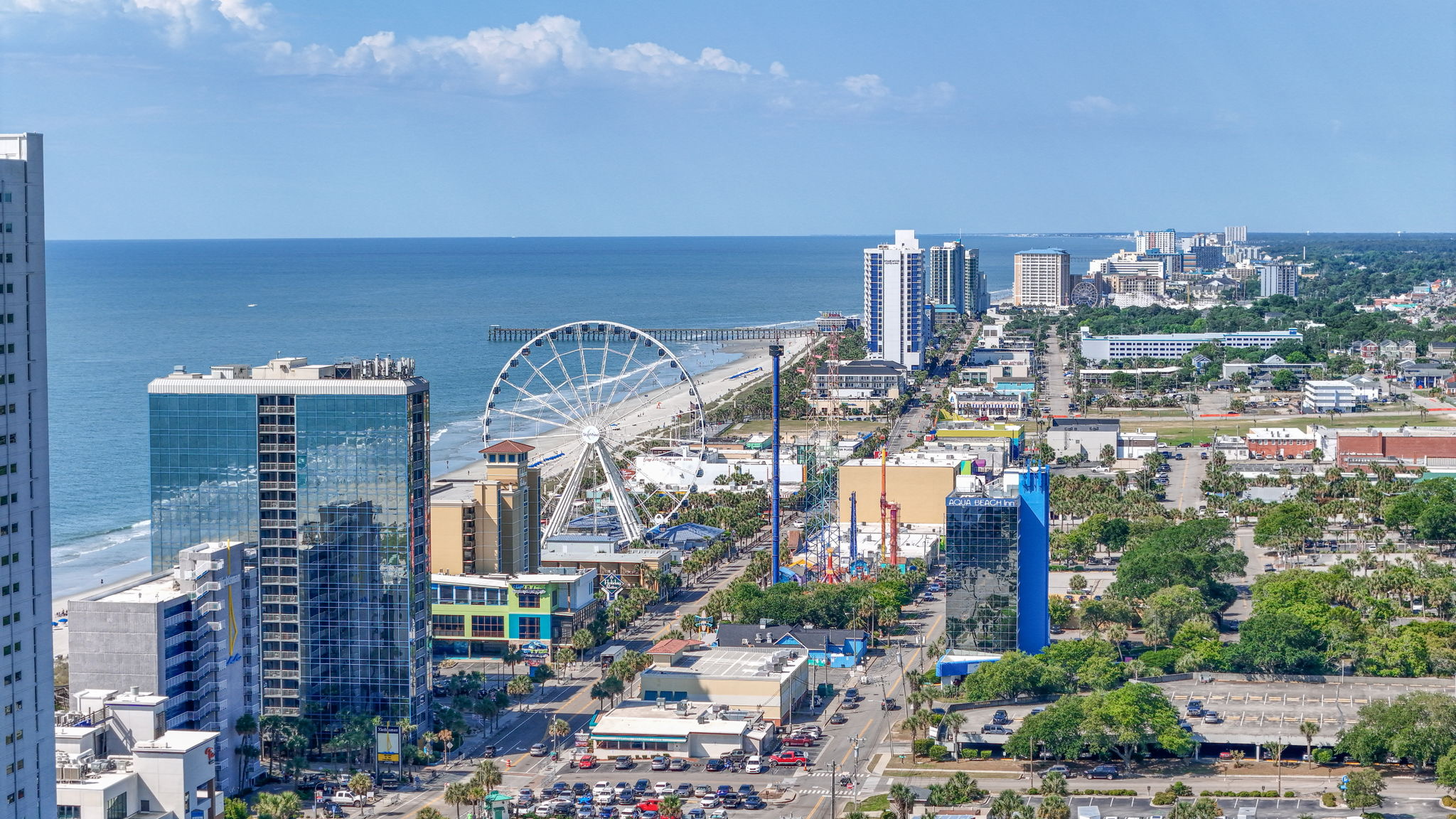
finding your agentFinding the right real estate agent can mean the difference between a smooth, successful transaction and a frustrating experience that costs you time and money. Whether you are buying your first condo along the shore or selling a longtime investment property, the agent you choose will shape every step of the process. In the Grand Strand — a stretch of coastline spanning roughly 60 miles from Little River to Georgetown — the real estate market has its own rhythms, its own seasonal pressures, and its own set of property types that require specialized expertise. This guide will walk you through exactly what to look for when choosing a top real estate agent in the Grand Strand.

Why Local Knowledge Matters More Than You Think

The Grand Strand is not one homogeneous market. North Myrtle Beach, Myrtle Beach, Surfside Beach, Murrells Inlet, and Pawleys Island each have distinct characteristics, price points, and buyer profiles. An agent who specializes in golf course communities in Carolina Forest may have limited insight into oceanfront condo towers downtown. Before you sign any agreement, ask agents specifically about the neighborhoods and property types you are targeting.

Local expertise also includes knowledge of HOA regulations, flood zone designations, and short-term rental rules — all of which vary significantly across the Grand Strand and can dramatically affect a property's value and usability. An experienced local agent will flag these issues before you fall in love with a property that doesn't fit your goals. If you are searching for Myrtle Beach condos for sale, a specialist who lives and works in this market every day is essential.

Questions to Ask Before Hiring an Agent

Interviewing multiple agents before making a decision is one of the smartest moves a buyer or seller can make. Here are the key questions worth asking:

  • How many transactions have you closed in the Grand Strand in the last 12 months? Volume matters. An active agent has current market data, established relationships with other agents, and proven negotiation experience.
  • Do you work full-time as a real estate agent? Part-time agents may be harder to reach and may lack the urgency to move quickly in a competitive market.
  • What is your average list-price-to-sale-price ratio? This number reveals how well an agent prices listings and how effectively they negotiate on behalf of buyers.
  • Do you have references from clients who bought or sold a similar property? Testimonials from people in comparable situations give you a realistic preview of the experience ahead.
  • How will you communicate with me throughout the process? Mismatched communication styles cause unnecessary stress. Make sure the agent's preferred method and frequency align with yours.

Red Flags to Watch Out Forred flags in real estate

Just as important as knowing what to look for is recognizing warning signs that an agent may not be the right fit. Be cautious of any agent who pressures you to make a fast decision without adequate time for due diligence, or who dismisses your questions as unimportant. Overpricing a listing to win your business — a tactic known as "buying the listing" — is another common problem. An agent who suggests an unrealistically high asking price without supporting data is prioritizing the listing over your best interests.

Also pay attention to responsiveness during your initial conversations. If an agent takes days to return a call or email before you have even signed a contract, that pattern will likely continue once you are in the middle of a transaction. In a coastal market where deals can move quickly, responsiveness is not optional.

The Value of Working With a Seasoned Negotiator

Negotiation is one of the most under appreciated skills in real estate. A skilled negotiator does not just push for a lower price — they understand how to structure offers, handle inspection findings, navigate appraisal gaps, and close contingencies in a way that protects their client at every turn. In the Grand Strand, where inventory levels shift dramatically with the seasons and buyers often come from out of state, having an agent who can read the market dynamics and respond with a well-crafted strategy makes a real financial difference.

Look for an agent with documented negotiation success, not just sales volume. Ask how they approach multiple-offer situations, what their strategy is when a property fails inspection, and how they have helped past clients secure deals when competing offers were present. You can review buying resources for Myrtle Beach real estate to better understand what the process typically looks like before your first conversation with an agent.

Credentials, Technology, and Marketing Reach

Beyond experience and personality, consider the tools an agent brings to the table. For sellers, the quality of listing photos, virtual tours, video walkthroughs, and digital marketing campaigns determines how quickly a property attracts serious buyers. In a market where many buyers are researching from hundreds or thousands of miles away before their first visit, professional photography and a strong online presence are not extras — they are necessities.

For buyers, an agent's access to off-market listings, pre-MLS opportunities, and strong relationships with listing agents can put you ahead of competing buyers. Ask how an agent stays informed about new listings and whether they have access to properties before they hit the public market.

Professional designations such as GRI (Graduate, REALTOR® Institute) or CRS (Certified Residential Specialist) are worth noting, but they should complement — not replace — actual track record and local knowledge. When evaluating any agent's qualifications, also take time to review their online presence and client reviews across multiple platforms to get a well-rounded picture.

Buyer's Agents vs. Listing Agents: Understanding Representation

In South Carolina, agents must disclose whom they represent in a transaction. A listing agent works on behalf of the seller, while a buyer's agent has a fiduciary duty to the buyer. Dual agency — where one agent represents both parties — is legal in South Carolina but worth approaching carefully, as it limits the agent's ability to advocate fully for either side.

If you are a buyer, always work with an agent who is exclusively representing your interests. Your agent should be conducting a thorough comparable market analysis before you make any offer, advising you on inspection contingencies, and guiding you through every disclosure document. Explore the Grand Strand communities to get a sense of the neighborhoods and property types that match your criteria before engaging an agent, so your conversations start from an informed position.

Frequently Asked Questions

How do I verify a real estate agent's license in South Carolina?
You can verify any agent's license status through the South Carolina Real Estate Commission's online license lookup tool. This will confirm that the agent is actively licensed and show any disciplinary history.

Is it better to work with a large agency or an independent agent in the Grand Strand?
Size matters less than individual expertise and local market presence. What matters most is the specific agent's transaction history, client reviews, and familiarity with your target area and property type.

Can I switch agents if I am unhappy with the service?
If you have signed an exclusive buyer's agreement or a listing contract, review the terms carefully. Many agreements allow for early termination with written notice. If you do not have a signed agreement, you are free to work with a different agent at any time.

How much does it cost to work with a buyer's agent?
In most Grand Strand transactions, the buyer's agent commission is covered by the seller. However, compensation structures changed following 2024 NAR settlement agreements, so discuss fee arrangements with any agent before signing a representation agreement.

What is the difference between a real estate agent and a REALTOR®?
A REALTOR® is a licensed real estate agent who is also a member of the National Association of REALTORS® and is bound by a strict code of ethics. Not all agents are REALTORS®, so asking about membership is a reasonable question during your interview process.


About Abe Safa

Abe Safa

Listing Agent | Century 21 Harrelson Group

Abe has lived in Myrtle Beach since 1988. He leads the Abe Safa Sales Team at Century 21 Harrelson Group, specializing in selling homes and condos across the Grand Strand. Known for sharp negotiation, calm leadership through closing, and an impeccable track record.

📞 (843) 360-2145  |  📧 asafa@c21harrelson.com

🌐 abesafa.com  |  📺 YouTube

Selling a home or condo on the Grand Strand? Call or text for a no-obligation valuation.

Posted in Buyer Tips
Feb. 3, 2026

How much are HOA fees for oceanfront condos in Myrtle Beach?

Why HOA Fees Matter Before You BuyHOA insight

If you are considering purchasing an oceanfront condo in Myrtle Beach, SC, one of the most important numbers to understand before you make an offer is the monthly HOA fee. For many buyers, this figure comes as a surprise — especially those comparing beachfront condos to single-family homes or inland properties where HOA costs tend to be much lower.

HOA fees for oceanfront condos in the Myrtle Beach area can vary widely depending on the building, its location, the amenities it offers, and how well the association manages its finances. Understanding what you are paying for and why is essential before you commit to a purchase.

What Is the Average HOA Fee for Oceanfront Condos in Myrtle Beach?

There is no single standard HOA fee across the Grand Strand, but here is a general picture of what buyers can expect:

  • Smaller or older oceanfront buildings often have fees ranging from $300 to $600 per month
  • Mid-size buildings with pools, fitness centers, and full amenity packages typically run $500 to $900 per month
  • Larger high-rise buildings with extensive amenities, on-site management, and resort-style facilities can run $700 to $1,500 or more per month
  • Condotels — condos operated as hotels — often carry fees over $1,000 per month and include different financial structures than traditional condos

These are general ranges. Individual buildings vary considerably, and even units within the same building can have different fees based on square footage or unit type. Always request the exact HOA fee breakdown from the listing agent before making an offer.

What Do HOA Fees Cover in Oceanfront Condos?oceanfront condos

For most oceanfront condo buildings in Myrtle Beach, the monthly HOA fee covers a combination of the following:

  • Building exterior maintenance and repairs
  • Roof and structural components
  • Common area upkeep such as hallways, elevators, lobbies, and parking areas
  • Pool maintenance and beach access amenities
  • Flood and hazard insurance on the structure itself (not your personal belongings or interior)
  • Cable and internet services in many buildings
  • Water, sewer, and trash in some buildings
  • On-site management or front desk services in full-service buildings
  • Contributions to the reserve fund for major future repairs

It is important to distinguish between what the HOA covers and what you are still responsible for as an owner. In most cases, your personal contents insurance, interior repairs, and HVAC unit are your own responsibility even if you are paying a high monthly fee.

Why Are Oceanfront HOA Fees Higher Than Inland Properties?

Buyers often wonder why oceanfront condo fees are significantly higher than fees in non-beachfront buildings nearby. The answer comes down to several factors unique to coastal South Carolina:

  • Salt air and humidity accelerate wear on exterior surfaces, windows, railings, and mechanical systems, requiring more frequent maintenance
  • Buildings on or near the ocean require specialized wind and flood insurance, which is considerably more expensive than standard property coverage
  • Amenities like beachfront pools, oceanfront decks, and beach access infrastructure require ongoing investment
  • Elevator systems in high-rise buildings are costly to maintain and replace
  • Reserve fund requirements for coastal buildings tend to be higher to account for storm damage and accelerated depreciation

When you browse Myrtle Beach waterfront and oceanfront condos, keep in mind that the sticker price of the unit is only part of the financial picture. Monthly carrying costs including HOA fees are just as important when calculating your total cost of ownership.

Understanding HOA Financial Health

Not all HOA fees are created equal — and a low fee is not always a good thing. Some buildings keep fees artificially low by underfunding their reserves, which can lead to large special assessments down the road when a roof needs replacing or an elevator requires a major overhaul.

Before buying, ask the seller's agent for these documents:

  • The current HOA budget and financial statements
  • A reserve study or reserve fund balance — this shows whether the building is adequately funded for future repairs
  • Meeting minutes from the past year — these often reveal upcoming assessments or disputes
  • Any pending or recently approved special assessments

A well-run HOA with a strong reserve fund and transparent financials is a sign of a building where ownership will be less stressful over the long term.

Special Assessments: The Hidden Cost to Watch For

One of the most common financial surprises for condo owners in Myrtle Beach comes in the form of special assessments. These are one-time charges levied by the HOA when there is not enough money in the reserve fund to cover a major expense — such as replacing a pool, repairing hurricane damage, or upgrading common area infrastructure.

Special assessments can range from a few hundred dollars to tens of thousands depending on the scope of the project and how many units share the cost. In older oceanfront buildings especially, this risk is very real. Always ask if there are any current or anticipated special assessments before closing.

Costs, Risks, and Practical Considerations

When evaluating a condo purchase, factor the HOA fee into your monthly budget alongside your mortgage payment, insurance, property taxes, and any rental income you expect to generate. For investment buyers, a high HOA fee is not automatically a dealbreaker — if the building commands strong rental rates due to its amenities and location, the numbers may still work in your favor.

Also be aware that some lenders have restrictions on buildings with high HOA fees or financial issues. If you are financing, your lender will typically review the HOA's financial documents as part of their underwriting process. Buildings with unresolved delinquencies or insufficient reserves may not qualify for conventional financing.

Explore the full range of available Myrtle Beach condos for sale to compare HOA fees and amenities across different buildings and price points before narrowing your search.

Strategy for Buyers

Here is how to approach HOA fees as a smart buyer in the Myrtle Beach condo market:

  • Always calculate the true monthly cost of ownership by adding the HOA fee, mortgage payment, insurance, and taxes together
  • Request the full HOA documents, not just the fee amount — the financials tell the real story
  • Compare the HOA fee to what is included — a $700 fee that covers insurance, cable, water, and a sizable reserve fund may be a better value than a $450 fee with minimal coverage
  • Ask specifically about any upcoming major repairs or projects the association is planning
  • For investment buyers, model your rental income projections after accounting for the full HOA fee, not just the mortgage

Final Takeaway

HOA fees for oceanfront condos in Myrtle Beach can range from a few hundred to well over a thousand dollars per month, and they vary significantly based on building size, age, amenities, and financial management. Rather than looking for the lowest fee, focus on understanding what the fee covers, how well the association manages its reserves, and what your total monthly cost of ownership will actually be. A slightly higher fee in a financially healthy building is almost always a better long-term investment than a low fee in a building that is struggling to maintain itself.

Frequently Asked Questions

Are HOA fees negotiable when buying a condo in Myrtle Beach?
No. HOA fees are set by the association and apply equally to all unit owners. What you can sometimes negotiate is having the seller cover a portion of fees as a closing concession.

Do HOA fees go up over time?
Yes, HOA fees can increase as maintenance costs rise, insurance premiums increase, or the association needs to build up its reserves. Review the history of fee increases before buying.

What happens if I don't pay my HOA fees?
Unpaid HOA fees can result in late charges, collection actions, and in some cases liens against your property. HOA dues are a legal obligation of ownership.

Do condotels have higher HOA fees than traditional condos?
Generally yes. Condotels operated as hotels have higher fees due to more intensive use of common areas and amenities, plus the costs of hotel-style services and staffing.

Can I rent out my condo to offset HOA fees?
Many Myrtle Beach oceanfront condos allow short-term rentals, which can generate income to offset HOA fees and other ownership costs. Always verify rental rules with the HOA before purchasing.

About Abe Safa

Abe Safa

Listing Agent | Century 21 Harrelson Group

Abe has lived in Myrtle Beach since 1988. He leads the Abe Safa Sales Team at Century 21 Harrelson Group, specializing in selling homes and condos across the Grand Strand. Known for sharp negotiation, calm leadership through closing, and an impeccable track record.

📞 (843) 360-2145  |  📧 asafa@c21harrelson.com

🌐 abesafa.com  |  📺 YouTube

Selling a home or condo on the Grand Strand? Call or text for a no-obligation valuation.

Posted in Condo Sales
Feb. 2, 2026

Open Houses in Myrtle Beach: Do They Actually Work Anymore?

Open houses have been a fixture of real estate marketing for decades, but their actual effectiveness has been debated — and increasingly questioned — as the industry has shifted online. In Myrtle Beach, where a large share of buyers come from out of state and shop digitally before ever visiting, the question of whether open houses still work deserves a direct answer. The truth is nuanced and depends heavily on the property type, price point, and how the open house is executed.

open houses FAQWhat Open Houses Can and Can't Do

An open house creates a structured opportunity for curious buyers to experience a property without the pressure of a private appointment. For buyers who are browsing — still defining what they want — an open house lowers the barrier to entry. They can walk through without committing to a scheduled showing, which sometimes converts passive interest into active consideration.

What open houses almost never do is produce the serious buyer who ultimately makes an offer. Research consistently shows that a small percentage of homes are actually sold to buyers who first saw them at an open house. The buyer who writes the offer usually comes through a private showing scheduled after seeing the listing online. Open houses generate traffic; they rarely generate offers directly.

When Open Houses Make Sense in the Grand Strand

Open houses work best in certain specific scenarios. Properties priced near or below the local median — where buyers are more likely to be local or semi-local — benefit more than high-end or investment properties where buyers are more likely to come from out of state. Entry-level condos in Myrtle Beach with consistent foot traffic and a walkable, appealing location can draw genuine buyer interest on a Sunday afternoon.

New construction communities use open houses effectively because they showcase a model or finished unit and the builder has an ongoing pipeline of buyers to funnel through. For resale sellers, the calculus is different. Understanding the full picture of your Myrtle Beach selling strategy — including which marketing channels actually produce qualified buyers — helps you make a more informed decision about where to invest your time.

Open houses also serve a secondary function: market research. Feedback from visitors — even non-buyers — about price, condition, and presentation can be useful data. If 20 people walk through and none ask about price or next steps, that's a signal worth noting.

The Case Against Open Houses for Many Myrtle Beach Sellers

The majority of Grand Strand buyers are not local. They're planning a trip specifically to see properties they've identified online. These buyers work with buyers' agents who schedule private showings in advance — they don't wander into open houses. A marketing strategy built around capturing this buyer profile needs to reach them digitally, not on a Sunday afternoon at a physical address.

There are also real logistical costs to open houses. The seller must vacate the property, often with pets, for several hours. Security concerns are legitimate — strangers walk through unsupervised or loosely supervised. In luxury markets and investment-grade condo buildings with security systems and key fob access, coordinating access adds friction. These costs need to be weighed against the modest and variable return. Reviewing recently sold properties in Myrtle Beach reveals that the most successful listings shared strong digital marketing, competitive pricing, and professional presentation — not necessarily open houses.

virtual toursVirtual Open Houses: A More Effective Alternative


Live-streamed property tours on Facebook, Instagram, or YouTube have emerged as a more effective substitute for traditional open houses — particularly for out-of-state buyer audiences. A live virtual tour reaches buyers who can't physically attend and allows them to ask questions in real time. It can be recorded and redistributed as on-demand content after the event.

For the Grand Strand market specifically, a well-promoted virtual open house targeting buyers in the feeder markets — Northeast, Midwest, and Southeast metros — creates engagement that a physical open house simply can't. Seller strategies for softer markets increasingly emphasize digital engagement over in-person events for exactly this reason.

The Honest Verdict

Open houses in Myrtle Beach are rarely the primary driver of a sale, but they're not entirely without value. For the right property — locally accessible, competitively priced, in a high-traffic area — an open house can generate useful buyer exposure and feedback. For most sellers, especially those with investment properties, luxury condos, or properties that primarily appeal to out-of-state buyers, digital marketing and private showings will consistently outperform the open house as a use of time and resources.

Frequently Asked Questions

Should I require an open house when listing my Myrtle Beach home?

You shouldn't require it, but you shouldn't refuse it either. Discuss the tradeoffs honestly with your agent. If they believe an open house is likely to generate useful buyer traffic for your specific property, it may be worth doing once or twice early in the listing. But it should be one tactic in a broader strategy, not the centerpiece of your marketing plan.

Do open houses attract serious buyers in Myrtle Beach?

Occasionally, yes — but more often they attract neighbors, curious passersby, and early-stage browsers. The serious buyer who has already done research online and identified your property as a candidate will typically schedule a private showing. Open houses are better thought of as awareness and feedback tools than deal-generating events.

How long should a Myrtle Beach open house last?

Two to three hours on a Saturday or Sunday afternoon is the standard format. Longer events rarely generate proportionally more traffic. Promoting the open house through MLS syndication, social media, and email to the agent's buyer database in the days before will determine attendance more than the duration itself.

Are virtual open houses effective for selling Myrtle Beach condos?

Yes — often more effective than in-person events for condo properties with out-of-state buyer appeal. A live-streamed walkthrough on Facebook or YouTube can reach hundreds of prospective buyers in their target markets simultaneously. The recording can then be repurposed as listing content and shared across platforms for ongoing exposure.

What's the biggest mistake sellers make with open houses?

Treating the open house as the primary marketing strategy. The listing needs to be fully positioned — correct price, professional photos, strong description, active digital promotion — before the open house. An open house for a poorly priced or poorly presented listing produces foot traffic that confirms the pricing problem without fixing it.

Abe Safa

Abe Safa

Top Listing Agent | Century 21 Harrelson Group

Abe has lived in Myrtle Beach since 1988. He leads the Abe Safa Sales Team at Century 21 Harrelson Group, specializing in selling homes and condos across the Grand Strand. Known for aggressive marketing, sharp negotiation, calm leadership through closing, and an impeccable track record, putting him in the elite top 1% in the country for listing agents.

📞 (843) 360-2145  /  📧 asafa@c21harrelson.com

Posted in Seller Tips
Feb. 1, 2026

What is the best time of year to buy a condo in Myrtle Beach?

Why Timing Matters When Buying in Myrtle Beachtiming and money tips

Buying a condo in Myrtle Beach, SC is one of the most exciting real estate decisions you can make. Whether you are looking for a vacation getaway, an investment property, or a full-time coastal residence, the timing of your purchase can have a real impact on the price you pay, the competition you face, and the selection available to you.

The Myrtle Beach market does not follow the same seasonal patterns as a typical inland real estate market. Because this is a beach resort community, buyer activity, inventory levels, and seller motivation all shift with the calendar in ways that are unique to coastal South Carolina.

How Seasonal Trends Shape the Myrtle Beach Condo Marketseasonal trends

The Grand Strand real estate market sees activity year-round, but it is most visibly busy during the spring and summer months. From March through August, out-of-state visitors arrive in force, and many of them start thinking about owning a piece of the beach. This surge of interest keeps listing prices firm and creates competition among buyers who are shopping while on vacation.

During the height of tourist season, sellers often feel less urgency to negotiate because inquiries are coming in steadily. Condo prices in buildings along Ocean Boulevard, in North Myrtle Beach, and throughout the beachfront corridor tend to hold strong during this period.

Once fall arrives and summer crowds thin out, something shifts. Sellers who have been holding out start to reconsider. Listings that sat on the market during summer without selling often see price adjustments. Buyers who are paying attention can find better deals and face less competition during September, October, and into November.

The Case for Buying in the Off-Season

If getting the best price is your top priority, fall and early winter are worth serious consideration. Here is why:

  • Sellers are typically more motivated, especially those who listed during the summer and did not sell
  • You face less competition from other buyers who are focused on summer vacations
  • Lenders and closing attorneys tend to be less backlogged, meaning smoother closings
  • You have more time to conduct thorough inspections and due diligence without feeling rushed
  • Winter listings sometimes reveal more honest pricing than peak-season asking prices

That said, inventory can also be thinner in the off-season. If you have very specific requirements such as a particular floor level, view, building amenity set, or budget range, fall and winter may not offer as many choices. But if you are flexible, those months often reward patient buyers.

Understanding What Kind of Buyer You Are

Your ideal buying window depends on why you are buying. If you are purchasing primarily for investment and rental income, then late fall through early February can be the ideal window. You can close before the spring rental season begins, have time to furnish and list the unit, and capture the high-demand spring and summer rental bookings from the start.

If you are buying a primary residence and relocating to the Grand Strand, you may have less flexibility in timing. In that case, focusing on market conditions, financing, and finding the right property matters more than the time of year. If you are buying a vacation home for personal use and are not as focused on rental returns, buying during a shoulder season like March or September can give you a balance between selection and pricing.

Market Conditions in Myrtle Beach

The Myrtle Beach real estate market has remained competitive in recent years. Demand from buyers relocating from the Northeast, Midwest, and Florida has kept prices elevated relative to historical norms. At the same time, the Grand Strand continues to see new construction, which gives buyers additional options in communities like Carolina Forest, Market Common, and along the Highway 17 corridor.

Myrtle Beach condos for sale range widely from affordable one-bedroom units in older buildings to luxury oceanfront penthouses in newer high-rises. Understanding where the market is heading is something Abe works through with every client before they make an offer.

For buyers focused on condo ownership specifically, it is worth noting that certain buildings have their own seasonal pricing behavior, especially those with heavy short-term rental activity. Getting clarity on a building's rental rules, HOA financial health, and reserve fund status matters far more than hitting a perfect month on the calendar.

Home Features That Matter for Seasonal Buyers

If you are buying in the off-season with investment in mind, pay special attention to:

  • Rental-friendly amenities such as pools, beach access, and elevator buildings
  • Whether the condo association allows short-term rentals like Airbnb or VRBO
  • Condition of the unit and any deferred maintenance, which is easier to spot in person during slower months
  • Proximity to the beach, restaurants, and attractions that drive rental demand

Properties with direct oceanfront views or easy beach access command premium prices year-round. Units just one or two rows back from the beach can offer dramatically better value while still being highly attractive to renters and buyers alike.

Costs, Risks, and Practical Considerations

One thing buyers often overlook when thinking about timing is how carrying costs and financing conditions affect overall value. Interest rate changes, not just seasonal timing, can have a significant impact on your monthly payment. If rates drop, buying earlier may save you more than waiting for peak-season discounts ever would.

HOA fees, special assessments, and coastal property insurance are also worth evaluating carefully regardless of when you buy. Myrtle Beach condos near the ocean carry insurance costs that can be meaningful, and these figures should be factored into your total cost of ownership. Getting pre-approved and working with a lender experienced in coastal South Carolina transactions will give you a major edge no matter what time of year you shop.

Strategy for Buyers

Here are a few practical tips for timing your condo purchase in Myrtle Beach, SC:

  • Monitor listings from September through January, when you will typically find the most motivated sellers and best opportunities for negotiation
  • Set up alerts so you are notified immediately when new listings hit in buildings or areas you are tracking
  • Work with an agent who knows specific buildings well, including HOA health, owner-to-renter ratios, and upcoming assessments
  • Be ready to move when the right property appears, regardless of the month

The buying process in South Carolina is relatively straightforward, but having an experienced local agent on your side makes a real difference in navigating disclosures, inspections, and condo association documentation.

Final Takeaway

There is no single perfect month to buy a condo in Myrtle Beach, but fall and early winter consistently offer buyers the combination of motivated sellers, reduced competition, and favorable conditions for negotiation. If you are flexible on timing, focusing your search between September and February is a smart approach. If timing is out of your hands, focus on finding the right property at fair value and do not let seasonality override a genuinely good opportunity.


myrtle beach FAQ

Frequently Asked Questions

Is the Myrtle Beach real estate market competitive year-round?
Yes, but competition peaks in spring and summer when tourism brings more buyers into the area. Fall and winter tend to see less buyer competition.

Do condo prices drop in the winter in Myrtle Beach?
Not always dramatically, but sellers who have not sold during the busy season are often more open to negotiation between October and February.

Is it better to buy a Myrtle Beach condo before or after rental season?
For investors, buying before spring rental season, ideally by February or March, allows you to capture high-demand summer bookings right away.

What should I look for in a Myrtle Beach condo HOA?
Check financial reserves, fee history, rental rules, upcoming assessments, and whether the building is FHA or VA approved if financing is involved.

Does the time of year affect mortgage rates in Myrtle Beach?
Mortgage rates are not seasonal. They are driven by national economic factors, so monitoring rate trends matters more than the time of year when timing your purchase.


About Abe Safa

Abe Safa

Listing Agent | Century 21 Harrelson Group

Abe has lived in Myrtle Beach since 1988. He leads the Abe Safa Sales Team at Century 21 Harrelson Group, specializing in selling homes and condos across the Grand Strand. Known for sharp negotiation, calm leadership through closing, and an impeccable track record.

📞 (843) 360-2145  |  📧 asafa@c21harrelson.com

🌐 abesafa.com  |  📺 YouTube

Selling a home or condo on the Grand Strand? Call or text for a no-obligation valuation.

Posted in Buyer Tips
Jan. 26, 2023

Housing Market in Myrtle Beach is Picking Up


About Abe Safa

Abe Safa

Listing Agent | Century 21 Harrelson Group

Abe has lived in Myrtle Beach since 1988. He leads the Abe Safa Sales Team at Century 21 Harrelson Group, specializing in selling homes and condos across the Grand Strand. Known for sharp negotiation, calm leadership through closing, and an impeccable track record.

📞 (843) 360-2145  |  📧 asafa@c21harrelson.com

🌐 abesafa.com  |  📺 YouTube

Selling a home or condo on the Grand Strand? Call or text for a no-obligation valuation.

Posted in Market Updates
Jan. 26, 2023

The Myrtle Beach Real Estate Market Is Not Going To Crash

About Abe Safa

Abe Safa

Listing Agent | Century 21 Harrelson Group

Abe has lived in Myrtle Beach since 1988. He leads the Abe Safa Sales Team at Century 21 Harrelson Group, specializing in selling homes and condos across the Grand Strand. Known for sharp negotiation, calm leadership through closing, and an impeccable track record.

📞 (843) 360-2145  |  📧 asafa@c21harrelson.com

🌐 abesafa.com  |  📺 YouTube

Selling a home or condo on the Grand Strand? Call or text for a no-obligation valuation.

Posted in Market Updates