A condo inspection is one of the most important steps in the buying process — and one that buyers sometimes skip to save money or speed up a deal. Don't make that mistake. In the Myrtle Beach market, where many condos are older buildings with heavy coastal wear, a thorough inspection can reveal problems that save you thousands of dollars after closing. Here's a detailed guide to what you should look for when inspecting a Myrtle Beach condo.
Understand What a Standard Condo Inspection Covers
A licensed home inspector will examine the interior of your specific unit — not the entire building. That means they'll check the HVAC system, plumbing, electrical panel, appliances, windows, doors, ceilings, walls, and floors within your unit. They won't typically inspect common areas, the roof, elevators, or the building's structural systems unless you arrange for a more comprehensive inspection. Before you start the buying process, make sure you understand the scope of your inspection and what it won't cover.
HVAC System and Saltwater Corrosion
The single most common issue in Myrtle Beach condos is saltwater corrosion to HVAC systems. Units that are close to the ocean can experience accelerated wear on air handlers, coils, and condenser units. Ask the inspector specifically about the age and condition of the HVAC equipment, look for rust on the coils or air handler, and budget for replacement if the system is more than 10-12 years old. Replacement can cost $3,000–$7,000 or more depending on the unit size.
Moisture Intrusion and Mold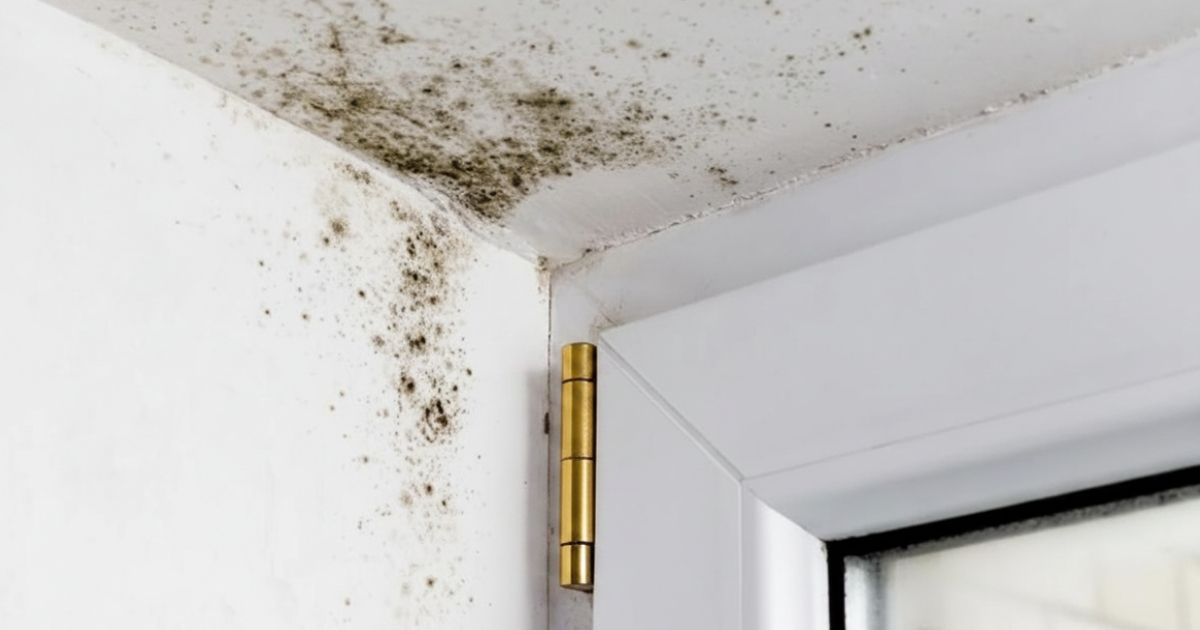
Coastal humidity combined with aging building envelopes creates ideal conditions for moisture intrusion and mold.
The inspector should check around all windows and sliding glass doors for signs of water infiltration — look for staining, soft drywall, or bubbling paint. Bathrooms and laundry areas should be checked for mold behind walls and under flooring. If moisture issues are found, get a mold test before closing.
Balcony and Sliding Door Condition
Balconies in oceanfront and near-ocean buildings take a beating from salt air, UV exposure, and storms. Check the balcony deck for cracks, spalling concrete, or rust staining from corroding rebar beneath the surface. Sliding glass doors should open and close smoothly, lock properly, and have intact weatherstripping. Balcony railings should be solid with no movement — a safety issue that also signals deeper structural corrosion.
Plumbing and Water Heater Age
Water heaters in coastal condos often have shorter lifespans due to the mineral content in the water and the humid environment. A water heater that's 8+ years old should be budgeted for replacement.
Ask the inspector to check for signs of corrosion at connections and to verify proper pressure relief valve function. Also check under sinks and around the washer/dryer connections for any signs of past or active leaks.
Electrical Panel and Wiring
Older condo buildings may have electrical panels that don't meet current code requirements or that have known safety issues. The inspector should identify the panel brand, age, and capacity. Aluminum wiring in older units is a concern worth investigating. Also verify that GFCI outlets are installed in all wet areas — bathrooms, kitchen, and near the balcony.
 Review the Building's Condo Association Records
Beyond the unit itself, request the HOA meeting minutes, reserve fund study, and any pending special assessments before closing. A building with a poorly funded reserve or deferred maintenance issues could hit you with a large unexpected assessment after you close. Look at the Myrtle Beach condo projects available to understand the variety of buildings in the market and how they're maintained. Buildings that have undergone recent reroofing, elevator modernization, or parking deck repairs are generally in better shape than those that haven't.
Know What Type of Condo You're Buying
The inspection items to prioritize will vary by condo type. A high-rise oceanfront unit has different concerns than a low-rise golf course condo. Reviewing popular condo types in Myrtle Beach before your inspection helps you understand what to expect and what questions to ask your inspector.
Frequently Asked Questions
Is a condo inspection required in South Carolina?
No, it's not legally required, but it is strongly recommended. Waiving an inspection to win a bid can cost far more in repairs than you saved. Even in competitive markets, a professional inspection is a wise investment.
How much does a condo inspection cost in Myrtle Beach?
Expect to pay $250–$450 for a standard condo inspection, depending on the unit size and the inspector. Additional tests like mold, radon, or sewer scopes cost extra. The fee is well worth it given what an inspector might find.
Can I negotiate repairs after an inspection?
Yes. In South Carolina, the inspection period is your opportunity to request repairs, a price reduction, or a credit at closing. Your real estate agent can help you determine what's worth negotiating and what to let go.
What is a special assessment and should it scare me?
A special assessment is a one-time charge levied by the HOA for a major repair or capital improvement the reserve fund can't cover. It's not always a red flag — some well-run buildings use assessments for planned upgrades. What matters is the cause, the amount, and whether there are more assessments expected.
About Abe Safa