Life on the Grand Strand: The MyrtleBeachCondos.Net Blog

You’ll find our blog to be a wealth of information, covering everything from local market statistics and home values to community happenings. That’s because we care about the community and want to help you find your place in it. Please reach out if you have any questions at all. We’d love to talk with you!

March 15, 2026

A Myrtle Beach Local's Top 10 Hidden Gem Neighborhoods

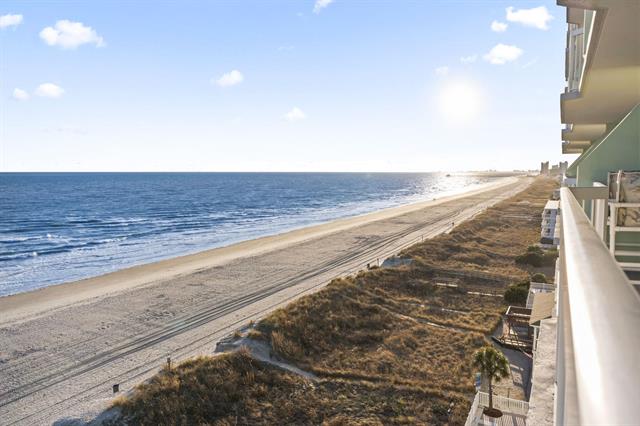
hidden gem locations on the strandEveryone knows Ocean Boulevard and the main Myrtle Beach strip. But the Grand Strand stretches for 60 miles, and some of its most appealing communities rarely make it onto a national "best places to live" list.

After decades of working in this market, I've developed a genuine appreciation for the neighborhoods that offer exceptional value, character, or quality of life — without the price premiums of the most well-known addresses.

Here are ten of them:

1. Windy Hill Beach — North Myrtle Beach's Quiet Southern Edge

Windy Hill sits at the southern end of North Myrtle Beach, just north of the Horry county line. It has a more relaxed, residential feel compared to the busier Ocean Drive and Cherry Grove sections. Prices are often lower for comparable oceanfront or ocean-view properties, and the area attracts a mix of long-term residents and vacation buyers who prefer a quieter setting. It's one of the Grand Strand's most under-appreciated oceanfront communities.

2. Crescent Beach — A True Neighborhood Within North Myrtle Beach

Crescent Beach has one of the nicest stretches of sand on the entire Grand Strand — wide, well-maintained, and less crowded than sections further south. The community has a strong year-round residential base, good property values, and excellent long-term appreciation history. For buyers who want a North Myrtle Beach address with a neighborhood feel, Crescent Beach consistently overdelivers.

3. Ocean Drive — History, Character, and the Original Grand Strand

Ocean Drive is the historic heart of North Myrtle Beach, best known as the birthplace of beach music and the shag. It has an authentic, lived-in character that newer developments lack. Properties here range from classic beach cottages to modern condos, and values have been on a steady upward trend as buyers increasingly appreciate the area's heritage and walkability.

4. Surfside Beach — The Family Beach

Surfside Beach calls itself "The Family Beach," and for good reason. It has a quieter, more residential atmosphere than central Myrtle Beach, strict short-term rental regulations that maintain a neighborhood feel, and excellent access to beaches that are less crowded during peak season. For buyers looking for a permanent or semi-permanent residence rather than a pure investment property, Surfside is consistently one of the best values on the Grand Strand. Browse available Surfside Beach condos for sale to see current inventory.

5. Garden City Beach — Understated and Genuinely Beloved

Garden City Beach has one of the most loyal buyer communities on the entire Grand Strand. People who discover it tend to return year after year. It has a laid-back, unhurried atmosphere, a famous pier, and properties that are often priced below comparable units in trendier locations. The southern location also provides a buffer from the highest-traffic areas during summer. Garden City Beach condos for sale offer some of the best value-per-square-foot on the strand.

6. Murrells Inlet — The Seafood Capital of South Carolina

Murrells Inlet has undergone significant transformation over the past decade. The Marshwalk area — a collection of waterfront restaurants along the inlet — has become one of the most popular dining destinations in the state. Real estate has followed, with properties along and near the inlet appreciating strongly. But off the main drag, there are still excellent values in established communities that offer Murrells Inlet's quality of life at prices that reflect its lower profile.

7. Little River — The Northernmost Gem

Little River sits at the northern tip of the Grand Strand near the North Carolina border. It has a genuine small-town character, a historic waterfront district, and a reputation for some of the best seafood in the area. Real estate prices are generally lower than comparable communities further south, and the area has attracted growing interest from retirees and remote workers who value tranquility over proximity to tourist activity.

8. Carolina Forest — Inland Value with Easy Access to Everything

Carolina Forest is one of the fastest-growing communities in Horry County, and for good reason. It offers master-planned neighborhoods with excellent amenities, strong school performance, and easy access to Myrtle Beach proper — without the tourist congestion or the coastal insurance premiums. For families and professionals relocating to the Grand Strand, Carolina Forest consistently tops the list for livability relative to cost.

9. Pawleys Island — Old-Money Charm South of the Crowd

Pawleys Island is one of the oldest resort communities on the East Coast, known for its hammocks, history, and a distinctly understated approach to beach living. The island itself is a narrow barrier island with a limited number of properties and strict development controls that have preserved its character. Just off the island, there are excellent golf and residential communities that offer the Pawleys Island lifestyle at more accessible price points.

10. Cherry Grove — The North End's Best-Kept Secret

Cherry Grove is the northernmost section of North Myrtle Beach and one of the quietest parts of the entire Grand Strand. It has retained a low-key beach town feel that has become increasingly rare. Cherry Grove Beach properties — particularly oceanfront homes and canal-front properties — have appreciated substantially over the past decade as buyers discover what locals have known for years. For buyers seeking character, value, and genuine coastal atmosphere, Cherry Grove deserves a serious look. Explore North Myrtle Beach condos for sale to see the full range of options in that area.
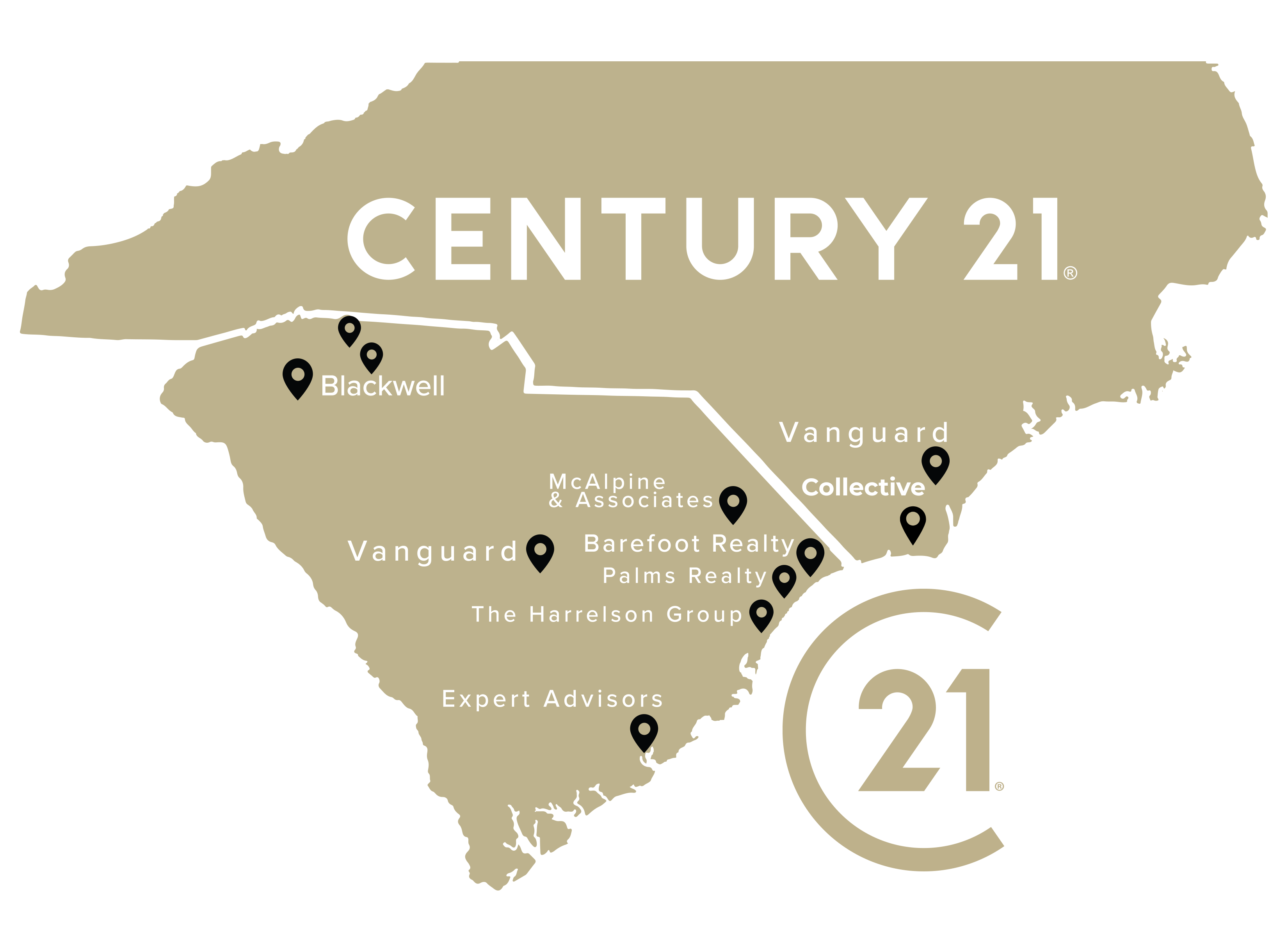
C21 locationsFrequently Asked Questions

Which Grand Strand neighborhood has the best rental income potential?

Oceanfront and ocean-view properties in the central Myrtle Beach corridor generally produce the highest gross rental income because of strong tourist demand and easy access to major attractions. However, communities like Garden City Beach and North Myrtle Beach's oceanfront areas can also generate strong rental returns — sometimes with better net income due to lower HOA fees and purchase prices.

What's the most affordable area on the Grand Strand for buyers?

Little River and parts of northern Horry County generally offer the lowest entry prices. Inland communities in Carolina Forest and Conway also provide strong value. Among oceanfront communities, Windy Hill and Garden City Beach tend to offer lower prices per square foot than central Myrtle Beach.

Which neighborhoods are best for year-round living versus seasonal use?

Surfside Beach, Carolina Forest, Murrells Inlet, and Pawleys Island are consistently rated highly for year-round living. Central Myrtle Beach and the oceanfront strips of North Myrtle Beach tend to attract more seasonal buyers, though many people do live there year-round. The best fit depends on your priorities around activity, quiet, and commute distance to services.

 

Abe Safa

Abe Safa

Top Listing Agent | Century 21 Harrelson Group

Abe has lived in Myrtle Beach since 1988. He leads the Abe Safa Sales Team at Century 21 Harrelson Group, specializing in selling homes and condos across the Grand Strand. Known for aggressive marketing, sharp negotiation, calm leadership through closing, and an impeccable track record, putting him in the elite top 1% in the country for listing agents.

📞 (843) 360-2145  /  📧 asafa@c21harrelson.com

Posted in Buyer Tips
March 15, 2026

The Real Truth About the Myrtle Beach Market (From Someone Who Actually Lives Here)

Every few months, a national publication runs a story about the Myrtle Beach real estate market — and almost every time, something is off. The headlines overstate the risk or understate the opportunity, and they're almost always written by people who've visited once or are working from national datasets that obscure what's actually happening on the ground here. After nearly four decades in this market, here's my unfiltered take.

The Crash That Never Came

For the past several years, I've heard from buyers who are holding off because they're waiting for prices to drop. They've read national headlines about a cooling housing market, rising rates, and affordability pressures — and they assume Myrtle Beach will follow the national narrative down. Some of them have been waiting since 2022.

Here's what I've actually seen: prices have moderated from their pandemic-era peaks in some segments, but they have not crashed. Demand from out-of-state buyers has remained genuinely robust. The fundamental reasons people move to or invest in the Grand Strand — low cost of living, no state income tax on Social Security, warm weather, affordability relative to other coastal markets — have not changed. Every down cycle I've witnessed in this market has been followed by a recovery, often stronger than what came before. For deeper context on why the market remains resilient, see why the Myrtle Beach market isn't headed for a crash.

The Out-of-State Buyer Effect Is Real and PersistentDestination Myrtle

One thing that separates Myrtle Beach from most residential markets is the outsized influence of out-of-state buyers. When someone from Ohio or Michigan or New York decides to buy here, they're not being influenced by local economic conditions — they're responding to a lifestyle decision or an investment thesis that is largely immune to local noise.

That steady external demand acts as a floor under prices in a way that purely local markets don't have. Even in periods when local activity softens, the feeder market pipeline from the Northeast and Midwest continues to send buyers. I've closed deals with buyers from 30 different states over the years. That kind of geographic diversification in the buyer pool is one of the structural strengths of this market.

Not All Segments Move Together

When people talk about "the Myrtle Beach market," they're often flattening enormous variation into a single narrative. Oceanfront condos behave differently from inland single-family homes. The North Myrtle Beach market has its own dynamics distinct from central Myrtle Beach or Surfside Beach. Properties at the $150,000 price point face different conditions than properties at $600,000.

The Myrtle Beach real estate market report provides current data across segments — and what you'll find is that no single headline captures what's actually happening. Some segments are active and competitive; others have more inventory and more negotiating room for buyers. Understanding which segment you're operating in is essential before forming any view about market conditions.

rentals in Myrtle BeachThe Rental Income Story Is More Complicated Than Investors Expect

The pitch for Myrtle Beach investment condos often focuses on gross rental income. The reality is that net income — after HOA fees, rental management commissions, insurance, maintenance, and reserves — is what actually matters. And those costs can vary dramatically by building, unit type, and rental program structure.

I've seen buyers purchase condos based on gross income projections from a seller's rental history without understanding that a management commission change or a rental program switch could alter the net significantly. I always walk investment buyers through a full net income analysis before they commit. The numbers can still be very compelling — but you need the right numbers.

The Insurance Market Is Changing the Math

One thing that has genuinely shifted in the past few years is coastal property insurance. Premiums for oceanfront properties in South Carolina have risen meaningfully, and some insurers have reduced their exposure in the market entirely. For buyers financing a purchase, this affects both affordability calculations and lender requirements.

This doesn't make coastal investment a bad proposition — but it does require that buyers factor insurance into their pro forma honestly. A local agent who is active in the market can point you toward current insurance realities and connect you with carriers who are actively writing policies in the coastal area. Browse recently sold condos to calibrate price expectations against what's actually been transacting.

What the Market Actually Rewards Right Now

Based on what I'm seeing on the ground: buyers who are pre-approved, decisive, and working with realistic expectations about pricing are closing deals. Sellers who are priced accurately for current conditions — not for 2022 peak prices — are selling. The market is not frozen and it is not in freefall. It is, in the truest sense, a market: dynamic, deal-specific, and responsive to how well-prepared the participants are.

That's the real story from someone who drives these streets, knows these buildings, and has been closing deals here since before most national real estate commentators knew Myrtle Beach existed.

Frequently Asked Questions

Is now a good time to buy in Myrtle Beach?

For buyers with a medium-to-long time horizon, the structural case for Myrtle Beach real estate remains strong. The area continues to attract retirees, remote workers, and investors. Prices are more accessible than their 2022 peaks in many segments. Buyers who are waiting for a significant correction may be waiting a very long time — and paying higher prices in the interim through inaction.

Are there any areas of Myrtle Beach where prices have actually dropped?

Yes — some condo segments that saw the most extreme appreciation during 2020–2022 have come down from those peaks. Condotel units in buildings with financing challenges have been particularly subject to price softening. Buyers looking for value can find it in those segments, though the financing considerations require careful attention.

How does the Myrtle Beach market compare to other coastal SC markets?

Myrtle Beach remains significantly more affordable than Hilton Head Island and the Charleston area for comparable coastal properties. It offers more active rental markets than smaller beach communities, with higher gross rental potential for investment buyers. The tradeoff is that it's a more touristy environment — a feature to some buyers and a drawback to others.

Abe Safa

Abe Safa

Top Listing Agent | Century 21 Harrelson Group

Abe has lived in Myrtle Beach since 1988. He leads the Abe Safa Sales Team at Century 21 Harrelson Group, specializing in selling homes and condos across the Grand Strand. Known for aggressive marketing, sharp negotiation, calm leadership through closing, and an impeccable track record, putting him in the elite top 1% in the country for listing agents.

📞 (843) 360-2145  /  📧 asafa@c21harrelson.com

Posted in Market Reports
March 13, 2026

7 Improvements That Actually Increase Your Home's Value in Myrtle Beach

Not every dollar you put into your home comes back to you at closing — but the right improvements can make a significant difference. In the Myrtle Beach and Grand Strand real estate market, buyers have specific expectations, and sellers who meet them tend to sell faster and for more money. Before listing, it pays to know which upgrades actually move the needle and which ones don't.

After decades of working with sellers across the Grand Strand, reviewing recently sold Myrtle Beach homes and analyzing what attracted buyers, a clear pattern emerges: simple, well-executed improvements consistently outperform expensive renovations in terms of return on investment.

1. Fresh Interior Paintfresh paint and ROI

A fresh coat of paint is one of the highest-ROI improvements any seller can make. Neutral tones — warm whites, greige, and soft grays — appeal to the broadest range of buyers and make spaces feel cleaner, brighter, and more move-in ready. In Myrtle Beach, where many buyers are relocating from other states or purchasing vacation properties, neutral interiors photograph better and show stronger online, which is where most buyers make their first impression.

Avoid bold or highly personalized color choices. The goal is to help buyers see themselves in the space, not be distracted by your taste. A professional interior paint job on a 1,500 square foot home typically costs $2,000–$4,000 and can add $5,000–$10,000 or more to the perceived value of the home.

2. Kitchen Updates — Without a Full Remodel

Full kitchen remodels rarely recoup their full cost at resale. However, targeted cosmetic updates almost always pay off. Replacing cabinet hardware, refinishing or painting cabinet faces, swapping out an outdated faucet, and installing a new backsplash can transform a dated kitchen for a fraction of the cost of a full renovation.

In Myrtle Beach, where many homes were built in the 1990s and early 2000s, kitchens with original finishes can feel noticeably dated to today's buyers. A few thousand dollars in strategic updates can prevent buyers from using an older kitchen as leverage in negotiations. Stainless steel appliances — even budget-tier ones — also help align the kitchen's appearance with current buyer expectations.

3. Bathroom Refreshesbathroom updates and ROI

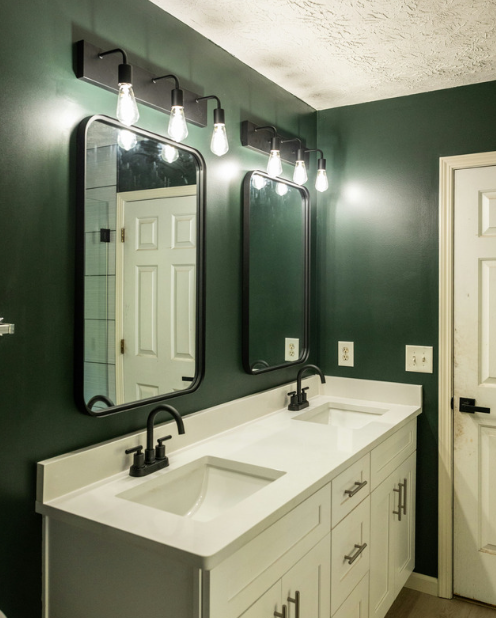
As with kitchens, full bathroom remodels rarely return 100% of the investment. But refreshing an outdated bathroom with new fixtures, updated lighting, a modern vanity, and fresh caulking can have a meaningful impact on how buyers perceive the home's overall condition. Clean, bright bathrooms with updated fixtures signal that the home has been well maintained.

In master bathrooms, consider replacing old vanity mirrors with framed versions, installing new faucets and towel bars, and re-grouting the shower. These updates collectively cost a few hundred to a couple thousand dollars but signal care and quality to buyers walking through the home.

4. Curb Appeal and Landscaping

First impressions begin before buyers ever step inside. In a coastal market like Myrtle Beach, where lawns and landscaping are visible year-round due to the mild climate, curb appeal matters throughout every season. Buyers form strong opinions before they walk through the front door — and a tired exterior can create doubt that lingers through the entire showing.

Basic curb appeal improvements include fresh mulch, trimmed shrubs, a power-washed driveway and walkway, clean gutters, and a freshly painted or replaced front door. If the lawn has bare patches or weeds, a round of treatment and overseeding before listing pays dividends. A well-maintained exterior tells buyers the rest of the home has been cared for as well.curb appeal and ROI

5. Outdoor Living Space

The Myrtle Beach lifestyle is built around outdoor living, and buyers know it. A clean, functional patio, deck, or screened porch can be one of the most compelling features of a listing. If you have an outdoor space that has seen better days — cracked pavers, a weathered deck, or an overgrown screened porch — investing in a refresh before listing is often worth the cost.

This doesn't mean building a full outdoor kitchen. Power washing existing pavers, staining or sealing a deck, replacing a few broken boards, and adding some simple container plants or outdoor furniture staging can make the space feel inviting and livable. Buyers in this market actively look for outdoor living potential, and a neglected space can undermine an otherwise strong listing.

6. Energy Efficiency Upgrades

Myrtle Beach homeowners deal with high cooling costs during long, hot summers, and buyers are increasingly aware of utility costs when evaluating a purchase. Smart, energy-efficient upgrades can be a meaningful selling point — particularly for buyers relocating from markets with different climate expectations.

Consider replacing an aging HVAC system before listing if it's near the end of its useful life. A new system with a transferable warranty is a strong selling point and removes a significant buyer objection. Additional upgrades like a programmable thermostat, attic insulation top-off, and LED lighting throughout the home are low-cost but signal modernity and efficiency to buyers.

7. Professional Cleaning and Staging

This may be the most underrated improvement on this list. A professionally deep-cleaned, well-staged home consistently sells faster and for more money than an equivalent home that is cluttered or shows signs of deferred maintenance. Staging doesn't require renting furniture — it means decluttering, depersonalizing, and arranging existing furniture to maximize flow and space.

Professional photographs of a clean, staged home will perform dramatically better online, driving more showings. In a market where many buyers are searching from out of state or even internationally, high-quality listing photos are often the deciding factor in whether a buyer schedules a tour. A clean, well-staged home signals to buyers that they are looking at a well-cared-for property — which translates directly to offers and pricing confidence.

Which Improvements Are Right for Your Home?

The right pre-listing strategy depends on your home's price range, condition, and the current state of the local market. Improvements that make sense for a $250,000 beach condo may be different from those that apply to a $600,000 single-family home in Carolina Forest or Market Common. The goal is always to maximize return relative to the investment — not to over-improve beyond what the neighborhood will support.

If you're thinking about selling your Myrtle Beach property, the best first step is a conversation with an experienced local agent who can walk through your home with a buyer's eye and give you specific, prioritized recommendations. You may need very little — or you may have a few targeted areas that will pay off significantly. Either way, going in with a plan is far better than guessing.

Working with an experienced Myrtle Beach real estate agent means you get honest guidance about what buyers in your specific price range are actually looking for — and what's not worth the expense. Not every seller needs to invest $20,000 before listing. Many need far less, done strategically.

Frequently Asked Questions

What home improvements add the most value when selling in Myrtle Beach?
Paint, curb appeal, and professional cleaning/staging consistently deliver the highest return on investment. These relatively low-cost improvements directly influence buyer perception and online listing performance. Kitchen and bathroom cosmetic updates also pay off well when done strategically — without over-improving for the neighborhood.

Should I do a full kitchen remodel before selling my Myrtle Beach home?
In most cases, no. Full kitchen remodels rarely recoup their full cost at resale. Instead, focus on targeted cosmetic updates: new cabinet hardware, painted cabinet faces, a modern faucet, and updated appliances. These improvements can dramatically refresh an older kitchen at a fraction of the cost of a full renovation.

How important is curb appeal when selling a home in the Grand Strand?
Very important. Buyers form their first impression before they walk through the door, and in Myrtle Beach's year-round mild climate, lawns and landscaping are visible in every season. Fresh mulch, trimmed shrubs, a clean driveway, and a freshly painted front door signal that the home has been well maintained — which sets a positive tone for the entire showing.

Is professional staging worth it when selling a Myrtle Beach home?
Yes. Professionally staged and photographed homes consistently sell faster and closer to asking price than homes that are cluttered or unprepared. In Myrtle Beach, where many buyers are searching from out of state, high-quality listing photos are often the deciding factor in whether a buyer books a showing. Staging doesn't require renting furniture — decluttering, depersonalizing, and cleaning are often enough.

What should I fix before listing my home in Myrtle Beach?
Start with a critical eye: fresh interior paint in neutral tones, deep cleaning throughout, curb appeal improvements, and any deferred maintenance items that buyers will notice or inspectors will flag. An experienced local listing agent can walk through your home and give you a prioritized list based on your price range and current buyer expectations in your specific neighborhood.

Abe Safa

Abe Safa

Top Listing Agent | Century 21 Harrelson Group

Abe has lived in Myrtle Beach since 1988. He leads the Abe Safa Sales Team at Century 21 Harrelson Group, specializing in selling homes and condos across the Grand Strand. Known for aggressive marketing, sharp negotiation, calm leadership through closing, and an impeccable track record, putting him in the elite top 1% in the country for listing agents.

📞 (843) 360-2145  /  📧 asafa@c21harrelson.com

Posted in Seller Tips
March 11, 2026

What Over 1,300 Closings Taught Me About Negotiating for Buyers

negotiations in SC Negotiation in real estate is one of those skills that sounds simple in theory and reveals its complexity only through repetition. After more than 1,300 closed transactions in the Myrtle Beach market, I've developed a clear picture of what actually works when buying — and what common mistakes cost buyers money, time, or both. Here's what the experience has taught me.

The First Offer Sets the Tone, Not Just the Price

Most buyers focus entirely on the number when crafting an offer. But a first offer communicates far more than price — it signals how serious you are, how much you understand the market, and how you're likely to behave through the transaction. An offer with clean terms, proof of funds or a strong pre-approval, and a reasonable timeline tells a seller they're dealing with a capable, motivated buyer. That goodwill matters, especially when things get complicated later.

Conversely, a lowball offer with multiple contingencies and a drawn-out timeline signals hesitancy and can trigger a defensive seller response even if you eventually come up in price. I always work with buyers to structure offers that are strategically positioned — not just on price, but on terms that reduce friction and create confidence on the seller's side.

Know the Seller's Situation Before You Negotiate

The best negotiation intelligence isn't about the property — it's about the person selling it. A seller who needs to close by a specific date is highly motivated by timing. A seller who has already bought elsewhere and is carrying two properties is under financial pressure. A seller who inherited the property may have no cost basis and more flexibility on price. A seller who bought at the peak and owes more than the current value may be constrained in ways that limit their ability to negotiate.

I gather this intelligence through direct conversations with listing agents, by reviewing how long the property has been on market, by checking public records, and sometimes just by asking the right questions. That context shapes how I structure the offer and what concessions are actually achievable. Checking the current Myrtle Beach real estate market report gives you macro context, but the micro situation of each individual seller is what drives individual deals.

Inspection Negotiations Are Where Deals Fall Apart (or Get Better)

The inspection period is frequently the most emotionally charged part of a transaction. Buyers who receive a long inspection report can overreact; sellers who feel their property is being criticized can get defensive. I've seen deals die over $2,000 repairs on $400,000 properties because both sides let ego get in the way of pragmatism.

My approach is to triage inspection findings into three categories: safety issues that must be addressed, material defects that justify a price or credit adjustment, and normal wear items that the buyer accepts as part of purchasing an existing property. Presenting a focused, reasonable repair request — rather than a laundry list of every item an inspector noted — results in far more cooperative sellers and better outcomes for buyers.

Appraisal Gaps Are Negotiable Too

In competitive markets, buyers sometimes offer above appraised value and agree to cover any appraisal gap. But appraisal gap situations are also negotiable after the fact when the gap is unexpected. I've helped buyers navigate appraisal shortfalls by presenting comparable sale data that supports a higher value, negotiating a price reduction with the seller to meet the appraisal, or structuring a combination of price reduction and buyer appraisal gap coverage that works for both sides.

The key is moving quickly when an appraisal comes in low and presenting a clear, data-supported path forward rather than simply asking the seller to drop the price without context. If you're starting your buying journey, exploring available buyer resources will help you understand the full process before you're in the middle of a negotiation.

Silence Is a Tool

One of the most underused negotiating tactics is simply not responding immediately. After submitting an offer or counter-offer, many agents rush to check in, signal anxiety, or modify terms before the other side has had time to deliberate. That urgency almost always works against the buyer.

Allowing silence to do its work — letting the seller sit with a strong offer rather than immediately chatting away the leverage — has saved my buyers real money over the years. Combined with a clear but non-pressuring deadline for response, a well-timed silence can be as effective as any negotiating argument.

When Multiple Offers Are Present

Multiple-offer situations require a different mindset. In a competitive scenario, the goal shifts from negotiating the best terms to positioning your offer as the most appealing overall package. That means clean contingencies, flexible closing dates, proof of strong financing or cash, and sometimes an escalation clause that automatically increases your offer up to a maximum if competing bids come in above your initial number.

I also advise buyers to write personalized letters to sellers in appropriate situations — particularly for primary residence sales where the seller has an emotional connection to the property. It doesn't always matter, but it sometimes makes the difference when two offers are otherwise close.

Frequently Asked Questions

How much below asking price should I offer on a Myrtle Beach condo?

There's no universal answer — it depends on market conditions, days on market, comparable sales, and the seller's situation. In a balanced market, 3–5% below asking is often a reasonable starting point for a well-priced property. For properties that have been sitting or are overpriced relative to comps, a larger initial discount may be appropriate. An experienced local agent can give you a precise recommendation based on current data.

Should I waive contingencies to make my offer more competitive?

Waiving contingencies is sometimes appropriate but should never be done casually. Waiving a financing contingency only makes sense if you have rock-solid financing or are paying cash. Waiving an inspection contingency carries real risk unless you've done a pre-offer walkthrough and are comfortable with what you're accepting. Your agent should help you evaluate the tradeoff between competitiveness and protection.


Abe Safa

Abe Safa

Top Listing Agent | Century 21 Harrelson Group

Abe has lived in Myrtle Beach since 1988. He leads the Abe Safa Sales Team at Century 21 Harrelson Group, specializing in selling homes and condos across the Grand Strand. Known for aggressive marketing, sharp negotiation, calm leadership through closing, and an impeccable track record, putting him in the elite top 1% in the country for listing agents.

📞 (843) 360-2145  /  📧 asafa@c21harrelson.com

Posted in Buyer Tips
March 8, 2026

Lessons Learned from Closing Over 1,300 Real Estate Transactions in Myrtle Beach

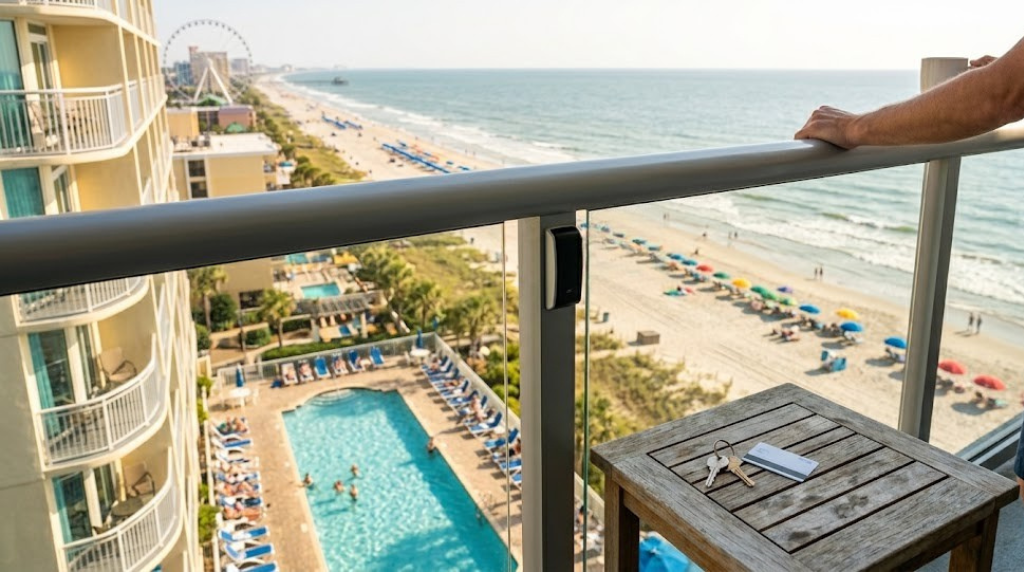
oceanfront condosOver the course of more than three decades working in the Myrtle Beach real estate market, I've had the privilege of helping close over 1,300 transactions — from first-time condo buyers to seasoned investors rolling through multiple 1031 exchanges. Every deal teaches you something.

Here are some of the most important lessons I've carried forward from that experience. You can see a sample of my recent sold properties as a reference for the range of transactions I work with.

The Market Always Shifts — Patience Outlasts Panic

I've worked through multiple market cycles in Myrtle Beach: the pre-2008 boom, the crash, the slow recovery, the COVID disruption, and the post-pandemic surge. In every single cycle, the buyers and sellers who made the best decisions were the ones who stayed patient, stayed informed, and didn't let short-term fear or euphoria drive their choices.

Buyers who panicked and refused to purchase at what seemed like peak prices in 2019 missed tremendous appreciation. Sellers who held out for one more dollar in 2022 sometimes missed their window entirely. The lesson: focus on your own goals and timeline, not on trying to time the market perfectly.

Pricing Right the First Time Saves Thousands

After more than 1,300 closings, I can say with confidence that overpricing a property is one of the most expensive mistakes a seller can make. Homes and condos that sit on the market become stigmatized — buyers start wondering what's wrong with the property, and offers come in lower than they would have if the property had been priced correctly from day one.

The data is consistent: properties priced at or slightly below market value attract multiple offers, sell faster, and frequently achieve final prices above list. Properties that start high, then reduce, sell for less and take longer. Every time. Pricing strategy is the single most important decision a seller makes.

Inspection Results Are Not a Reason to Walk — They're a Negotiating Tool

First-time buyers often get intimidated by home inspection reports. A 30-page inspection report with dozens of line items can look alarming even on a perfectly good property. After over a thousand transactions, I've learned to help buyers understand the difference between:

  • Deal-breakers: Structural issues, severe water damage, major HVAC failures, electrical hazards — things that represent real risk or significant cost
  • Negotiating points: Items that are normal wear and tear, deferred maintenance, or minor deficiencies that every property eventually develops
  • Informational items: Notes that are simply documenting existing conditions with no action required

A skilled buyer's agent uses the inspection to negotiate — either a price reduction, seller credits, or repairs — rather than walking away from an otherwise solid property over cosmetic issues.

The Right Financing Changes Everything

I've seen transactions fall apart at the closing table because buyers weren't properly pre-approved — they were pre-qualified, which is a much weaker standard. I've seen buyers lose their dream property because their financing contingency wasn't structured correctly. I've seen investors pay dramatically more in interest over time because they didn't shop lenders.

The mortgage is one of the biggest financial decisions you'll make. Getting a full pre-approval — with income verified, credit pulled, and assets confirmed — before you start seriously shopping puts you in a completely different category as a buyer. Understanding the buying process from start to finish helps you avoid costly surprises.

Local knowledge and youLocal Knowledge Is Not Optional — It's the Whole Game

Myrtle Beach is not a generic real estate market. Different areas of the Grand Strand have dramatically different characteristics: flood zones, HOA restrictions, rental regulations, noise levels, traffic patterns, short-term rental demand, long-term appreciation trends. A condo at one end of the strip can behave completely differently as an investment than one two miles away.

The agents who serve buyers best in this market are the ones who have spent years learning its nuances — which buildings have strong rental programs, which HOAs are financially healthy, which communities are appreciating, which ones have deferred maintenance problems. That knowledge only comes from time spent in the area and the market, and it is genuinely priceless for buyers and sellers alike.

Communication Prevents Most Problems

The majority of real estate transactions that become difficult — delays, disputes, failed closings — come down to communication failures. Buyers who don't hear from their agent. Sellers kept in the dark about offer timelines. Lenders who don't communicate with title companies. In my experience, over-communication is always better than under-communication. My goal is that no client ever has to wonder what's happening with their transaction.

Frequently Asked Questions

How long have you been selling real estate in Myrtle Beach?
I've been active in the Myrtle Beach and Grand Strand market for over three decades, working with buyers, sellers, and investors across every segment of the market — from entry-level condos to luxury oceanfront properties.

What types of properties do you specialize in?
My focus is residential and investment properties along the Grand Strand — condos, townhomes, single-family homes, and investment properties including short-term rentals. I have deep experience with the condo-hotel (condotel) segment that's unique to the Myrtle Beach market.

What makes Myrtle Beach different as a real estate market?
The blend of primary residence, second home, and investment buyers creates a more complex market than most. Understanding which segment you're buying in — and which segment you'll eventually be selling to — is critical to making smart decisions in this market.


Abe Safa

Abe Safa

Top Listing Agent | Century 21 Harrelson Group

Abe has lived in Myrtle Beach since 1988. He leads the Abe Safa Sales Team at Century 21 Harrelson Group, specializing in selling homes and condos across the Grand Strand. Known for aggressive marketing, sharp negotiation, calm leadership through closing, and an impeccable track record, putting him in the elite top 1% in the country for listing agents.

📞 (843) 360-2145  /  📧 asafa@c21harrelson.com

Posted in Buyer Tips
March 4, 2026

How I Help Myrtle Beach Sellers Avoid the Most Common Real Estate Mistakes

Selling a home or condo in Myrtle Beach involves more decisions than most sellers expect — and the mistakes that cost sellers the most money are usually avoidable. After more than 1,300 transactions in this market, I've developed a systematic approach to helping sellers avoid the pitfalls that derail sales, compress prices, and extend time on market. If you're considering selling your Myrtle Beach property, here's how I work to protect your results.

Mistake #1: Overpricing at Listing

Overpricing is the single most common and most expensive mistake sellers make. The logic behind it seems intuitive — price high, leave room to negotiate. In practice, it backfires consistently. Properties that are priced above market value sit on the market. Days on market accumulate. Buyers see the listing history and wonder what's wrong. When price reductions happen, buyers interpret them as a signal that the seller is motivated and make lower offers than they would have on a properly priced listing from day one.

The research is clear: properties priced correctly at listing sell faster and achieve higher final prices as a percentage of list price than properties that start high and reduce. My pricing strategy uses a detailed comparative market analysis combined with current inventory conditions and buyer demand signals — not wishful thinking about what the seller hopes to net.

Mistake #2: Neglecting Presentation

In the Myrtle Beach condo and resort market, buyers are often purchasing remotely — making decisions based on photos and virtual tours before they ever set foot in the property. Poor photography, cluttered spaces, deferred maintenance, and dated staging all translate directly into lower offers and longer market times.

My pre-listing process includes a detailed walkthrough where I identify what needs to be addressed before we go live — whether that's a deep clean and declutter, minor repairs, fresh paint, or professional staging. The cost of these improvements is almost always recovered multiple times over in the final sale price. Good presentation isn't optional in this market; it's the foundation of a strong result.

Timing and DOMMistake #3: Poor Timing

Myrtle Beach has a seasonal rhythm that smart sellers use to their advantage. Listing too early in January or too late in August means you're competing with less buyer traffic. The spring market — February through April — is typically the strongest window for listings, as buyers are actively searching ahead of peak season. I help sellers understand how current inventory levels, interest rate trends, and seasonal patterns interact so they can time their listing for maximum exposure and competition among buyers.

Mistake #4: Choosing the Wrong Agent

Some sellers choose their listing agent based on who quotes the highest list price or the lowest commission. Both are traps. An agent who inflates the suggested list price to win the listing is setting you up for the overpricing cycle described above. An agent cutting their commission to get the business may be cutting the marketing budget, the buyer's agent co-op, or the effort level along with it.

The right question is: what has this agent actually sold in this market recently, and what was their list-to-sale price ratio and average days on market? You can review recently sold condos in Myrtle Beach to get a sense of current market activity and what comparable properties are actually closing for.

Mistake #5: Being Unprepared for the InspectionSC Inspections

In today's market, buyers conduct thorough inspections — and sellers who are caught off guard by known issues often find themselves in a renegotiation that costs more than the fix would have. My approach is to address known items proactively before listing when it makes economic sense, and to set realistic seller expectations when there are items we'll likely see on a buyer's inspection. A seller who isn't surprised by inspection findings is a seller who negotiates from strength rather than from defensiveness.

Mistake #6: Poor Contract Management After Ratification

Many sellers think the hard work is done when the offer is accepted. In reality, the period between contract ratification and closing is where deals most often fall apart. Financing contingencies, appraisals, inspection negotiations, HOA document review periods, and closing timeline coordination all require active management. I stay engaged through every stage of the transaction to make sure nothing slips through the cracks. If you want a free estimate of what your property might be worth, start with our Myrtle Beach condo price estimate tool.

Frequently Asked Questions

When is the best time to sell a condo in Myrtle Beach?
The spring market (February–April) typically generates the most buyer activity. That said, well-priced, well-presented properties sell year-round in Myrtle Beach because there's always a buyer pool active in this market, particularly for investment-grade properties.

How do you determine the right list price?
Through a detailed comparative market analysis looking at recent sales of similar properties in the same building or area, adjusted for condition, floor level, view, and current inventory conditions. I also look at list-to-sale price ratios and days on market for recent comparable sales to calibrate where the market is actually transacting.

What do I need to disclose when selling a South Carolina property?
South Carolina requires sellers to complete a Residential Property Condition Disclosure Statement that covers known material defects. For condo sales, HOA financial documents, meeting minutes, and rules and regulations are typically provided during the buyer's due diligence period. I walk every seller through their disclosure obligations before we list.

Abe Safa

Abe Safa

Top Listing Agent | Century 21 Harrelson Group

Abe has lived in Myrtle Beach since 1988. He leads the Abe Safa Sales Team at Century 21 Harrelson Group, specializing in selling homes and condos across the Grand Strand. Known for aggressive marketing, sharp negotiation, calm leadership through closing, and an impeccable track record, putting him in the elite top 1% in the country for listing agents.

📞 (843) 360-2145  /  📧 asafa@c21harrelson.com

Posted in Seller Tips
March 2, 2026

Why Experience Matters: Choosing an Agent Who Truly Knows the Myrtle Beach Market

Choosing a real estate agent is one of the most important decisions you'll make in a Myrtle Beach property transaction — and it's one that buyers and sellers often underestimate. In a market as nuanced as the Grand Strand, the difference between an agent who truly knows this market and one who is simply licensed to sell here can mean the difference between a smooth transaction and a costly mistake. Understanding what to look for when buying in Myrtle Beach starts with choosing the right professional to guide you.

What "Knowing the Market" Actually Means

When agents say they "know the market," it often means they can pull comps and tell you what properties have sold for recently. That's table stakes. Truly knowing the Myrtle Beach market goes much deeper:

  • Building-level knowledge. In Myrtle Beach's condo-heavy market, individual buildings can vary dramatically in HOA health, rental income potential, management quality, and appreciation history — even when they're on the same street. An experienced local agent knows which buildings have strong reserve funds and which ones have pending special assessments. They know which rental management programs actually deliver the income projections they advertise.
  • Neighborhood trajectory. Some areas of the Grand Strand are appreciating strongly; others are stagnant. Some neighborhoods are transitioning; others are fully matured. Understanding where an area is in its cycle requires years of on-the-ground observation, not just data pulls.
  • Seasonal and cyclical patterns. Myrtle Beach has predictable seasonal rhythms that affect pricing, inventory, and negotiating leverage. An experienced agent knows when to push and when to wait.
  • The relationship network. Long-tenured local agents have relationships with other agents, lenders, title companies, inspectors, and contractors that genuinely improve outcomes. Deals get done faster. Problems get resolved quietly before they become crises.

Questions to Ask Before You Hire an Agentask an agent

Before you commit to working with an agent in Myrtle Beach, ask these questions directly:

  • How many transactions have you closed in this market? Volume matters. An agent who has closed hundreds of transactions in Myrtle Beach has seen edge cases and problem scenarios that newer agents haven't encountered yet.
  • How long have you lived and worked in this specific market? There's no substitute for years of on-the-ground experience. An agent who moved here six months ago simply doesn't have the depth of knowledge that a 20- or 30-year local has built.
  • Do you specialize in the type of property I'm looking for? A residential agent who rarely handles condotels isn't the best choice for a condotel purchase. Make sure the agent's experience aligns with your property type.
  • Can you show me your recent sales? A confident, experienced agent can show you a track record of recent transactions. Look at the breadth of the portfolio — price points, property types, neighborhoods.
  • How do you communicate with clients throughout a transaction? This one reveals a lot about working style. You want an agent who keeps you informed proactively, not one you have to chase for updates.

You can review our agents page to learn more about the team and experience available to you.

Red Flags to Watch For

Just as important as knowing what to look for in a good agent is knowing what to avoid:

  • Agents who agree with everything you say. A good agent will push back when your pricing expectations are unrealistic, when you're about to overpay, or when a property has issues you're minimizing. An agent who just tells you what you want to hear is not serving your interests.
  • Part-time agents. Real estate is a full-time job. An agent who is splitting attention between real estate and another career cannot give you the responsiveness and focus that active transactions require.
  • Agents unfamiliar with specific buildings or communities. In Myrtle Beach, you want an agent who can tell you from memory which buildings are warrantable for conventional financing, which ones have had assessment issues, which rental programs are reliable. Vague answers to specific building questions are a warning sign.
  • Pressure to act fast without explanation. Urgency is sometimes real in a competitive market, but it should always come with clear reasoning. Artificial urgency is a tactic, not a service.

Why Local Experience Translates to Real Dollar Valueexperience translates to value

The value of an experienced local agent isn't just about avoiding mistakes — it's about capturing opportunities. An agent who has been in the market for decades has seen the deals that never made it to Zillow, knows which sellers are genuinely motivated, and can negotiate with credibility that comes from having closed hundreds of transactions in this specific market. That kind of experience consistently translates into better prices, better terms, and smoother closings for clients on both sides of the transaction.

Frequently Asked Questions

Does it cost more to work with a more experienced agent?
In most cases, no. Real estate commissions are negotiated, but the commission structure is typically similar across agents. The difference is the value delivered for that commission — an experienced agent who helps you avoid a $20,000 mistake or negotiate a better price has dramatically outperformed a less experienced agent who charged the same rate.

Should I use the listing agent when buying?
Using the seller's agent as your buyer's agent creates a dual agency situation where one agent represents both parties. While legal in South Carolina with disclosure, it's rarely in the buyer's best interest. You're better served having your own representative whose sole obligation is to you.

How important is it that my agent lives locally vs. works remotely?
In a market as geographically specific as Myrtle Beach, local presence matters significantly. An agent who lives here, attends local industry events, and is embedded in the community has information and relationships that a remote agent simply cannot replicate.


Abe Safa

Abe Safa

Top Listing Agent | Century 21 Harrelson Group

Abe has lived in Myrtle Beach since 1988. He leads the Abe Safa Sales Team at Century 21 Harrelson Group, specializing in selling homes and condos across the Grand Strand. Known for aggressive marketing, sharp negotiation, calm leadership through closing, and an impeccable track record, putting him in the elite top 1% in the country for listing agents.

📞 (843) 360-2145  /  📧 asafa@c21harrelson.com

Posted in Buyer Tips
March 1, 2026

How to do a 1031 exchange with a Myrtle Beach investment property.

1031A 1031 exchange is one of the most powerful tax deferral strategies available to real estate investors, and it's used frequently in Myrtle Beach to trade up from one investment property to another without paying capital gains taxes at the time of the sale. If you're considering selling a Myrtle Beach investment condo or rental property, understanding how a 1031 exchange works can save you a significant amount of money.
What Is a 1031 Exchange?

A 1031 exchange — named after Section 1031 of the Internal Revenue Code — allows a real estate investor to defer federal capital gains taxes when selling an investment property, as long as the proceeds are reinvested into a "like-kind" replacement property within specific time limits. The key word is defer: you're not eliminating the tax, you're postponing it until you sell the replacement property without doing another exchange.

Done correctly and repeated over time, a 1031 exchange strategy can allow investors to build substantial wealth by continuously reinvesting pre-tax dollars rather than paying taxes after each sale.

The Basic Rules for a 1031 Exchange

To qualify for a 1031 exchange, your transaction must meet several requirements:

  • Investment or business use only. The property must be held for investment or business purposes — not as a primary residence or vacation home you primarily use yourself. Most Myrtle Beach rental condos qualify if they've been held as investment properties.
  • Like-kind property. Despite what the name suggests, "like-kind" is broadly defined for real property. You can exchange a beach condo for a commercial building, a rental house, land, or any other real property held for investment. It does not need to be the same type of property.
  • 45-day identification rule. After closing on the sale of your relinquished property, you have exactly 45 days to identify potential replacement properties in writing. This deadline is strict — there are virtually no extensions.
  • 180-day closing rule. You must close on the replacement property within 180 days of selling the relinquished property, or by your tax return due date (including extensions) — whichever comes first.
  • Equal or greater value. To defer all capital gains, the replacement property must be equal to or greater in value than the property you sold, and all equity must be reinvested. Receiving any cash ("boot") during the exchange triggers taxes on that amount.
  • Qualified Intermediary required. You cannot receive the sale proceeds yourself. A Qualified Intermediary (QI) — an independent third-party company — must hold the funds between the sale and purchase. Choosing a reputable, bonded QI is critical.

How the Process Works Step by Step

Here's how a typical 1031 exchange unfolds for a Myrtle Beach investor:

  • Step 1 — Decide before closing. You must set up the exchange before closing on the sale. Contact a Qualified Intermediary early — ideally before you even list the property — because the exchange agreement must be in place before the closing date.
  • Step 2 — Sell the relinquished property. The closing proceeds go directly to the QI, not to you. The QI holds the funds in escrow.
  • Step 3 — Identify replacement properties. Within 45 days, you submit a written list of up to three potential replacement properties to the QI. Most investors use the "three property rule" — identify up to three properties without regard to value.
  • Step 4 — Close on the replacement property. The QI transfers the funds directly to the closing of the replacement property. You must close within 180 days.
  • Step 5 — File IRS Form 8824. Report the exchange on your federal tax return using Form 8824, which documents the deferred gain.

1031 Exchanges and Myrtle Beach Condotels

One important nuance for Myrtle Beach investors: condotels — condo units operated through hotel-style rental programs — can sometimes be tricky for 1031 exchanges. If a unit qualifies as a "hotel" for tax purposes rather than real property, it may not qualify for like-kind exchange treatment. Always consult a tax advisor familiar with South Carolina beach resort properties before assuming a condotel exchange will qualify. Standard long-term rental condos typically have no issues. You can explore rental income potential for various property types to help evaluate your exchange options.

What Happens When You Eventually Sell Without Exchanging?

If you sell a replacement property without doing another 1031 exchange, you'll owe capital gains taxes on all deferred gains from prior exchanges, plus gains from the final sale. Your cost basis "carries over" from the original property, which means taxes can be significant after multiple exchanges. Some investors hold exchange properties until death, at which point heirs receive a stepped-up basis and the deferred gain is eliminated entirely — making the 1031 exchange strategy a powerful estate planning tool as well.

You can also review recently sold condos in Myrtle Beach to get a sense of current market values as you evaluate potential replacement properties.

Frequently Asked Questions

Can I do a 1031 exchange into a property outside of South Carolina?
Yes. A 1031 exchange is a federal program and works across all 50 states. You can sell a Myrtle Beach property and exchange into any real property located anywhere in the United States held for investment.

What taxes am I deferring with a 1031 exchange?
Primarily federal capital gains tax (0%, 15%, or 20% depending on your income) and the 3.8% net investment income tax. You may also defer South Carolina state capital gains tax. Depreciation recapture tax (25%) is also deferred on the depreciation you've taken during ownership.

How much money can I save with a 1031 exchange?
It depends on your gain. For example, if you sell a Myrtle Beach condo for $400,000 that you purchased for $200,000, your $200,000 gain could result in $30,000–$50,000 or more in combined federal and state taxes — all of which can be deferred with a properly executed exchange.

Can I do a 1031 exchange on a property I've used personally?
Partially. If you've used the property as a vacation home or personal residence in addition to renting it, IRS safe harbor rules require that you've rented it at market rate for at least 14 days per year and limited your personal use to the lesser of 14 days or 10% of rental days in each of the two years before the exchange. Consult a tax advisor if your situation involves mixed personal and rental use.


Abe Safa

Abe Safa

Top Listing Agent | Century 21 Harrelson Group

Abe has lived in Myrtle Beach since 1988. He leads the Abe Safa Sales Team at Century 21 Harrelson Group, specializing in selling homes and condos across the Grand Strand. Known for aggressive marketing, sharp negotiation, calm leadership through closing, and an impeccable track record, putting him in the elite top 1% in the country for listing agents.

📞 (843) 360-2145  /  📧 asafa@c21harrelson.com

Posted in Buyer Tips
Feb. 28, 2026

What to know before buying new construction in the Grand Strand.

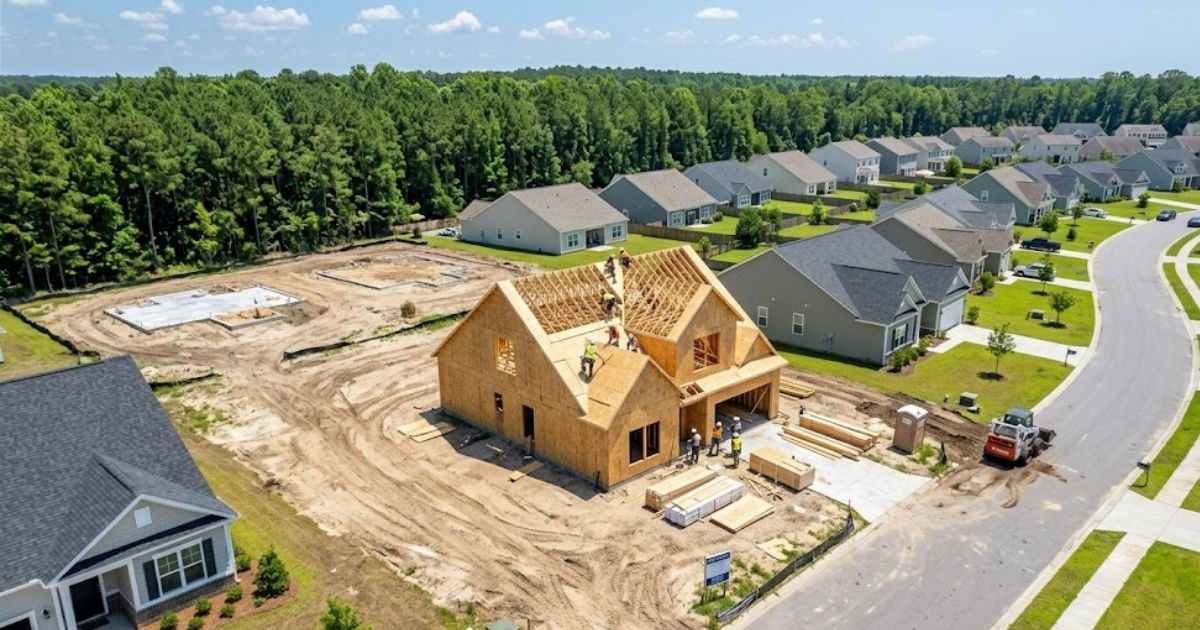
new constructionBuying new construction in the Grand Strand looks simple on the surface — pick a floor plan, sign some papers, and wait for your keys. But there are important differences between buying a newly built home or condo and buying an existing property, and buyers who don't understand those differences often end up with unexpected costs, delays, or unfavorable contract terms.

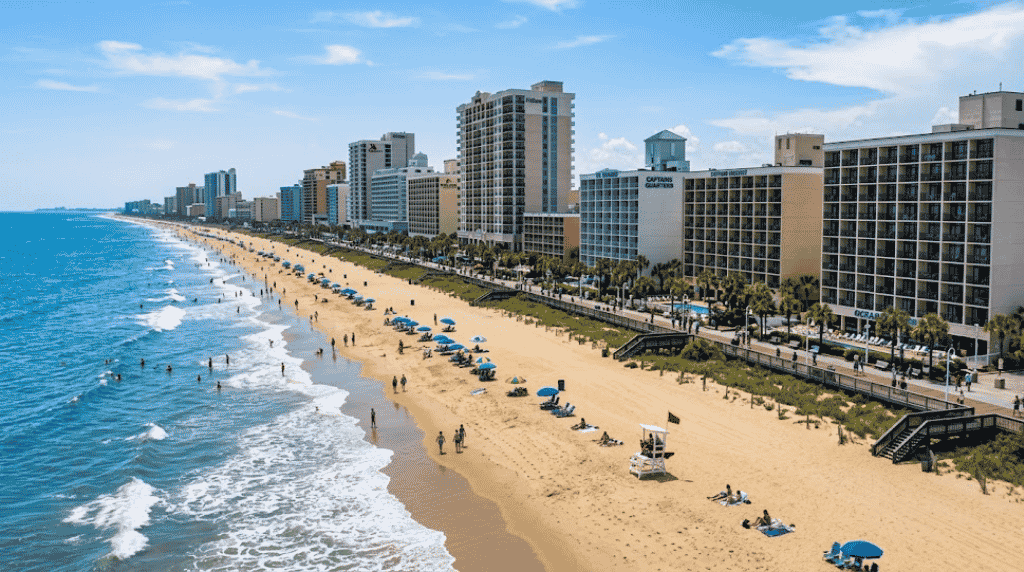
Here's what you need to know before you sign anything on a new construction purchase in the North Myrtle Beach or Grand Strand area.

The Builder's Contract Is Not Like a Standard Real Estate Contract

One of the most important things to understand is that new construction contracts are written by the builder's attorneys — to protect the builder. They are not neutral agreements. Common provisions include:

  • Long closing timelines with limited recourse. Builders often have 12–24 months to complete a home with few penalties if they run over schedule. Your contract may allow them to delay significantly with little compensation to you.
  • Limited ability to cancel. Unlike resale contracts where buyers often have inspection or financing contingencies, builder contracts can be very restrictive about when and why you can walk away — and what deposit you'll lose if you do.
  • Price escalation clauses. Some builder contracts allow the price to increase based on material cost increases during construction. Read this section carefully.
  • Required use of builder's lender and title company. Many builders offer incentives to use their preferred lender, but that doesn't always mean the best rate or terms. You have the right to shop your own financing.

Always have an independent real estate attorney review the builder contract before you sign. The cost of a contract review is minimal compared to what's at stake.

You Need Your Own Agent — Not Just the Builder's Sales Rep

The sales representative in a model home works for the builder, not for you. They cannot give you independent advice, negotiate against the builder on your behalf, or flag terms that may not be in your interest. A buyer's agent who has experience with new construction in the Grand Strand can:

  • Help you compare communities and builders based on track record, warranty, build quality, and finish level
  • Negotiate upgrades, closing cost contributions, or lot premiums — especially in a slower market
  • Identify red flags in the contract or community HOA documents that a first-time buyer might miss
  • Coordinate your independent home inspection before the final walkthrough

In most cases, the builder pays the buyer's agent commission, so having professional representation costs you nothing. Learn more about what to expect when buying a condo or home in Myrtle Beach.

Always Get an Independent Home Inspection

New construction does not mean defect-free construction. In fact, new builds have a surprising number of issues that get caught only by a thorough independent inspection. Common new construction defects include improper grading and drainage, HVAC installation issues, missing insulation, plumbing leaks, electrical errors, and cosmetic finish problems that a builder's punch list may miss.

Schedule your own inspector — not the builder's — before your final walkthrough and closing. Consider also a pre-drywall inspection if the builder allows it, which lets an inspector examine framing, plumbing, and electrical before the walls are closed up.

Understand the Warranty — and Its Limitsnew construction and warranties

New construction typically comes with a builder warranty, but the coverage varies widely. Most follow a standard structure:

  • 1 year: Workmanship and materials
  • 2 years: Mechanical systems (HVAC, plumbing, electrical)
  • 10 years: Structural defects

Read the warranty document carefully. Some builder warranties have narrow definitions of what qualifies as a defect, short windows for reporting issues, and mandatory arbitration clauses that limit your legal options. Third-party structural warranties (like those from 2-10 Home Buyers Warranty) are generally stronger than warranties administered directly by the builder.

Factor In All the Costs Beyond the Base Price

The base price in a new construction ad is almost never what you actually pay. Expect to add:

  • Lot premiums for desirable locations within the community (waterfront, corner lots, cul-de-sac)
  • Upgrades and options — flooring, cabinets, appliances, trim packages — which can add tens of thousands to the price
  • HOA fees and CDD fees (Community Development Districts are common in new Grand Strand communities and function like a second tax bill for infrastructure costs)
  • Closing costs, including title insurance, transfer taxes, and lender fees
  • Landscaping and window treatments, which are often not included

Before you fall in love with a base price, sit down with a complete cost estimate that includes all of these factors.

Frequently Asked Questions

Can I negotiate on a new construction home in Myrtle Beach?
Yes, though builders negotiate differently than individual sellers. They rarely drop the base price significantly, but they will often offer incentives like free upgrades, closing cost assistance, or lot premium reductions — especially if the community has standing inventory or the market has softened.

How long does new construction typically take in the Grand Strand?
Production builders typically deliver homes in 6–12 months from contract signing, though supply chain delays and permitting backlogs can extend that. Semi-custom and fully custom builds often take 12–24 months or longer.

Is new construction a good investment in Myrtle Beach?
It depends on the community, builder, price, and your timeline. New construction purchased at the top of a builder's pricing cycle can appreciate more slowly than resale. The most important step in any Myrtle Beach purchase is doing thorough due diligence before you commit.

Do I need a real estate attorney for new construction in South Carolina?
South Carolina is an attorney state, meaning an attorney must be present at closing. But beyond that legal requirement, having an attorney review the builder contract before you sign is highly advisable given how builder-favorable most new construction contracts are.

Abe Safa

Abe Safa

Top Listing Agent | Century 21 Harrelson Group

Abe has lived in Myrtle Beach since 1988. He leads the Abe Safa Sales Team at Century 21 Harrelson Group, specializing in selling homes and condos across the Grand Strand. Known for aggressive marketing, sharp negotiation, calm leadership through closing, and an impeccable track record, putting him in the elite top 1% in the country for listing agents.

📞 (843) 360-2145  /  📧 asafa@c21harrelson.com

Posted in Buyer Tips
Feb. 23, 2026

How to finance a condotel in Myrtle Beach.

Financing a condotel is one of the most misunderstood aspects of buying real estate in Myrtle Beach. Whether you're drawn to the oceanfront lifestyle or looking to generate rental income from a resort-style property, understanding how condotel financing works is the critical first step before you fall in love with a property.

exploring condotelsWhat Is a Condotel?

A condotel (also called a condo-hotel) is a condominium unit within a hotel-style complex that is individually owned but operated through a rental management program. Many of Myrtle Beach's most popular oceanfront towers — including properties on the Golden Mile and along the main strip — are classified as condotels. These units often come fully furnished, include hotel-style amenities, and allow owners to place them in rental programs when not in personal use.

The challenge is that most traditional lenders treat condotels differently from standard condos, which significantly affects financing options.

Why Conventional Loans Are Difficult for Condotels

Fannie Mae and Freddie Mac have strict guidelines about condotel financing. Most condotel projects don't qualify for conventional conforming loans because:

  • Hotel-style operations. If a building is managed like a hotel with a front desk, daily rentals, or centralized rental management, lenders view it as a commercial investment rather than a standard residential property.
  • Short-term rental focus. Buildings where most owners participate in nightly rental programs often fail the owner-occupancy ratio thresholds that conventional loans require.
  • HOA restrictions. Some condotel HOAs prohibit certain types of financing outright, which automatically disqualifies conventional loan programs.
  • Non-warrantable status. Projects with ongoing litigation, high investor concentration, or deferred maintenance are classified as non-warrantable condos and rejected by standard lenders.

Financing Options That Actually Work for Condotels

Even though conventional loans are often off the table, there are several financing paths that work well for Myrtle Beach condotel buyers:

  • Portfolio loans. Local and regional banks that keep loans in-house rather than selling them to the secondary market have much more flexibility. They can underwrite based on the property's rental income history and overall borrower strength, not just Fannie/Freddie guidelines.
  • Non-QM (Non-Qualified Mortgage) loans. These are specifically designed for investment properties and non-warrantable condos. Interest rates are typically higher — often 1 to 2 percentage points above conventional rates — but they give buyers access to financing that wouldn't otherwise exist.
  • DSCR loans (Debt Service Coverage Ratio). DSCR loans qualify the property based on its rental income potential rather than the borrower's personal income. If the unit's projected rent covers the mortgage payment, you may qualify even without traditional income documentation. These are popular with investors who own multiple properties.
  • Cash purchases. A significant percentage of condotel sales in Myrtle Beach are all-cash transactions. Cash eliminates lender restrictions entirely and often gives buyers negotiating leverage on price and closing timeline.
  • Seller financing. On occasion, sellers of paid-off condotel units are willing to carry financing directly. Terms are negotiated between buyer and seller, bypassing institutional lenders altogether.

How Mortgage Rates Affect Your Condotel Purchase

Because condotel loans are typically portfolio or non-QM products, your interest rate will be higher than what you see advertised for primary residences. It's important to run the real numbers before you fall in love with a unit. Factor in the higher rate, HOA fees (which can range from $500 to $1,500 per month in resort buildings), property taxes, insurance, and management fees. 

Down Payment Requirements

Plan on putting down at least 20–30% for a condotel loan. Some non-QM lenders require 25–35%, depending on the project classification and borrower profile. The higher down payment requirement is one reason cash purchases are so prevalent in this segment of the market.

What to Ask Before Making an Offer

Before writing an offer on a condotel, get answers to these questions:

  • What is the project's warrantability status? Your lender needs this to determine which loan programs apply.
  • What are the HOA financials? Lenders scrutinize reserves and pending special assessments closely on condotel projects.
  • What percentage of units are investor-owned vs. owner-occupied? High investor concentration can kill conventional financing for all buyers in the project.
  • Does the HOA allow rentals? And are there restrictions on rental frequency or minimum stay lengths?

If you're planning to use the unit as a rental investment, also review the rental income potential for comparable units in the building before you commit.

Frequently Asked Questionscondotels explained

Can I use an FHA or VA loan to buy a condotel in Myrtle Beach?
Almost never. FHA and VA loans have even stricter condo project approval requirements than conventional loans. Very few condotel projects in Myrtle Beach are on the FHA-approved condo list.

What credit score do I need for a condotel loan?
Most portfolio and non-QM lenders want to see a credit score of at least 680, with better rates available above 720. Some DSCR programs have more flexibility, but strong credit will always get you better terms.

Is condotel financing the same throughout South Carolina?
The guidelines are similar statewide, but the availability of lenders who specialize in condotel financing is much higher in coastal markets like Myrtle Beach, Hilton Head, and Pawleys Island — simply because lenders there have more experience with these property types.

Should I work with a local lender or a national bank?
For condotels specifically, local and regional lenders almost always have better options. National banks tend to apply Fannie/Freddie guidelines rigidly. A local portfolio lender who knows the Myrtle Beach market understands these properties and has programs built around them.


Abe Safa

Abe Safa

Top Listing Agent | Century 21 Harrelson Group

Abe has lived in Myrtle Beach since 1988. He leads the Abe Safa Sales Team at Century 21 Harrelson Group, specializing in selling homes and condos across the Grand Strand. Known for aggressive marketing, sharp negotiation, calm leadership through closing, and an impeccable track record, putting him in the elite top 1% in the country for listing agents.

📞 (843) 360-2145  /  📧 asafa@c21harrelson.com

Posted in Buyer Tips