Owning a condo on or near the coast in Myrtle Beach comes with many rewards — and some real risks. Hurricane season runs from June through November, and understanding how your condo is protected before a storm hits is essential for every owner. Whether you're considering buying a Myrtle Beach condo or already own one, here's what you need to know about hurricanes, insurance, and protecting your investment.
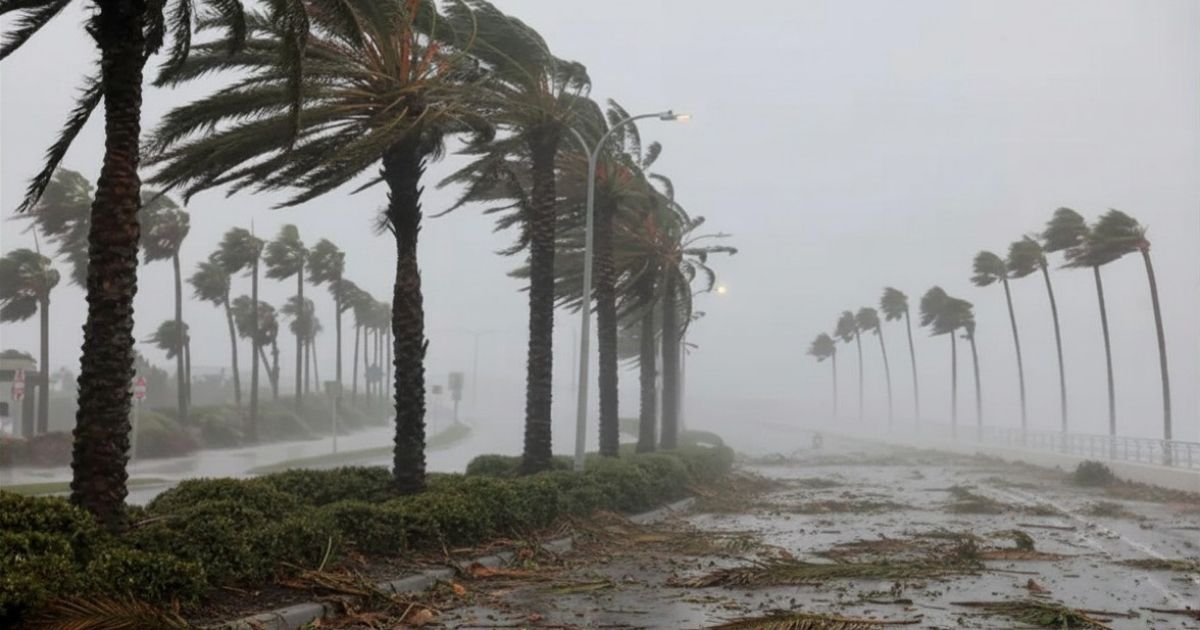 How Often Do Hurricanes Actually Hit Myrtle Beach?
Myrtle Beach is located in the South Carolina coastal zone, which has historically experienced fewer direct hurricane hits than areas like the Florida Atlantic coast or North Carolina's Outer Banks.
The Grand Strand has a relatively favorable track record — most major storms that threaten the area either turn north before landfall or weaken significantly before reaching the coast.
That said, tropical storms and glancing blows from hurricanes do occur, and the damage from wind, storm surge, and flooding can be significant even from storms that don't make direct landfall. Responsible condo ownership means preparing for the possibility even if it remains relatively uncommon.
What Insurance Covers Your Condo in a Hurricane?
Condo insurance for a coastal property in South Carolina typically involves multiple layers:
- HOA Master Policy. Your condo association carries a master insurance policy that covers the building structure — exterior walls, roof, common areas, and typically the original fixtures and finishes inside units. Review whether your building's policy is "bare walls in" (you're responsible for everything inside the unit) or "all-in" (the HOA policy covers original fixtures like cabinets, flooring, and built-ins).
- HO-6 Condo Owner's Policy. This covers your personal belongings, interior improvements you've made above original finishes, and provides liability coverage. It also fills the gap if the HOA master policy deductible is assessed to individual owners — which can be substantial in a major storm.
- Flood Insurance. Standard homeowners and condo policies do NOT cover flood damage. If your building is in a flood zone (and many coastal condos are), flood insurance is required by your lender and strongly advisable for all owners. FEMA's National Flood Insurance Program (NFIP) is the most common source, though private flood insurance options are increasingly available.
- Wind Insurance. In South Carolina, many standard policies exclude wind damage in high-risk coastal zones. You may need a separate wind or windstorm policy, or your HOA master policy may carry this coverage. Confirm what's covered before assuming anything.
What Happens to Your Condo During a Hurricane Evacuation?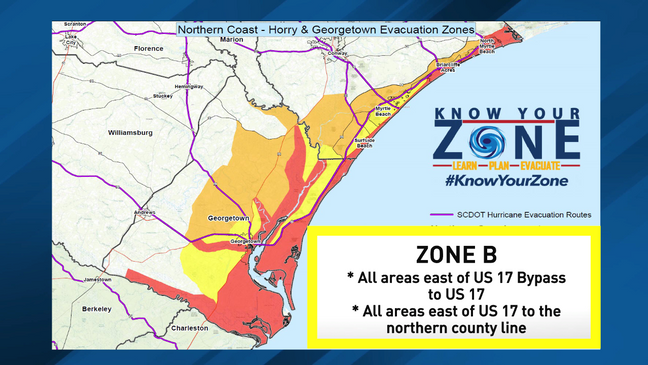
If a major storm threatens the area, Horry County and the municipalities of Myrtle Beach and North Myrtle Beach will issue evacuation orders. As a condo owner, you're expected to comply with mandatory evacuation orders — and your building may also require all occupants (including renters) to vacate.
Before evacuating, best practices include: shutting off water valves inside your unit, unplugging appliances, moving valuables to interior rooms away from windows, photographing your unit's current condition, and confirming your insurance policies are current and accessible.
What Happens After the Storm — the Claims Process
After a hurricane, document everything thoroughly before any cleanup or repairs begin. Take extensive photos and video of all damage. Notify your HO-6 insurer promptly, and coordinate with your HOA to understand how the master policy claim will be handled for the building.
Major storms that cause widespread damage often trigger the master policy's hurricane deductible, which is typically calculated as a percentage of the insured value rather than a flat dollar amount. A 2–5% hurricane deductible on a large building can mean tens of thousands of dollars assessed to each unit owner — this is exactly why your individual HO-6 policy's "loss assessment" coverage matters.
Is It Safe to Buy an Oceanfront Condo Given Hurricane Risk?
For most buyers, the answer is yes — with proper preparation. Millions of people own coastal properties in the Southeast and enjoy them for decades. The key is buying with eyes open: understanding the specific building's construction quality, insurance structure, and location relative to flood zones. Living in or owning an oceanfront condo is a realistic goal for many buyers — it just requires doing your homework on risk and coverage before you close.
Many buildings in Myrtle Beach were constructed or significantly renovated after Hurricane Hugo (1989) and comply with modern building codes that include hurricane-resistant construction standards.
Frequently Asked Questions
Will my mortgage lender require hurricane insurance?
Your lender will require standard homeowners (HO-6) coverage and flood insurance if you're in a designated flood zone. They may also require wind coverage depending on the location. Your lender will specify required coverage at the time of your loan application.
Can I rent out my condo during hurricane season?
Yes, but your rental agreement should clearly address what happens if an evacuation order is issued during a guest's stay. Most professional property management agreements and platforms have policies for this. You cannot legally keep a guest in the unit during a mandatory evacuation.
Does storm damage affect my condo's resale value?
A well-repaired condo in a building with strong insurance coverage and a financially healthy HOA can recover its value fully after a storm. The bigger risk to value comes from buildings that had inadequate insurance, deferred repairs, or were assessed large special assessments after a storm — which is why reviewing the HOA's financial health before buying is so important.
About Abe Safa