Updated: October 2026
Condo or townhome? It is one of the most common questions buyers ask on the Grand Strand, and the two get confused more than you might think. They can look similar from the outside, but they differ in what you actually own, what you pay monthly, how they are financed, and how they fit different lifestyles. This guide lays out the real differences so you can decide which is right for you, from a team that has closed over 1,564 transactions in 11 years.
The short version:
- With a condo you own the interior of your unit; with a townhome you typically own the structure and the land under it.
- Condos usually have higher HOA fees (covering more), townhomes lower fees but more owner responsibility.
- Condos dominate the oceanfront and vacation-rental market; townhomes are more common inland and for primary residents.
- Financing differs: condos depend on the building being warrantable; townhomes finance more like houses.
- The right choice depends on lifestyle, budget, maintenance appetite, and whether you want rental income.
What Is the Difference Between a Condo and a Townhome?
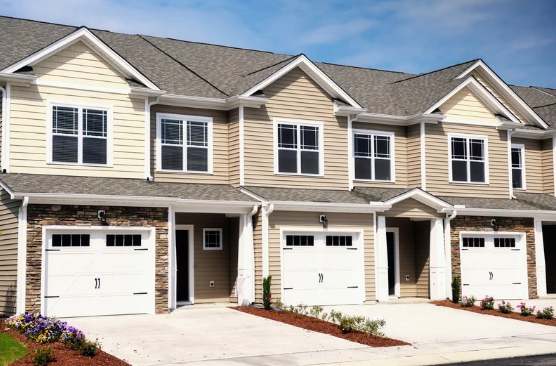
The core difference is ownership, not architecture. When you buy a condo, you own the interior of your unit, and you share ownership of the building, land, and common areas with the other owners through the homeowners association. When you buy a townhome, you typically own the structure itself and the land it sits on, with shared walls to your neighbors but your own lot, and often a smaller association that covers shared exterior or community elements. That ownership distinction drives almost everything else: the fees you pay, what you are responsible for maintaining, how lenders treat the property, and even how the two are valued and resold. A townhome can look like a condo and vice versa, so always confirm the legal ownership form rather than judging by the building's appearance.
How Do HOA Fees and Maintenance Compare?
This is one of the biggest practical differences. Condo HOA fees are usually higher because the association is responsible for more: the building exterior, roof, structure, common areas, amenities like pools and elevators, master insurance, and often some utilities. In exchange, you have far less to maintain yourself, which is part of the lock-and-leave appeal. Townhome fees are typically lower because you own and maintain more of the property yourself, including the roof and exterior in many cases, so the association covers less. The trade-off is that a townhome owner carries more direct maintenance cost and responsibility. On the coast, condo fees also reflect the higher cost of insuring and maintaining a large beachfront building, so they can be substantial. Our guide to what Myrtle Beach condo HOA fees cover explains why they vary so much and what is normal.
Where Are Condos vs. Townhomes Found on the Grand Strand?
Location is a major practical factor in this decision. Condos dominate the oceanfront and near-beach market in Myrtle Beach, North Myrtle Beach, and Surfside, where high-rise and mid-rise buildings offer ocean views, resort amenities, and strong vacation-rental potential. If you want to be on or near the beach, you are almost certainly looking at a condo. Townhomes are more common inland, in planned communities in Carolina Forest, Conway, Little River, and similar areas, where they suit primary residents and families who want more space and a yard-like feel at a lower price than a detached house. So the choice is often partly a location choice: beach lifestyle and rental income point toward a condo, while inland, primary-residence, more-space priorities point toward a townhome.
 How Does Financing Differ?
Financing is where buyers get surprised. Condo financing depends not just on you but on the building: lenders check whether the building is warrantable, meaning it meets guidelines on owner-occupancy ratios, reserves, insurance, and litigation, and a non-warrantable building requires specialized financing with more money down. Townhomes, because you own the land and structure, generally finance more like a single-family house, with fewer building-level hurdles. This can make a townhome purchase smoother for some buyers, while a condo in a strong, warrantable building finances cleanly too. If you are leaning toward a condo, understanding warrantable versus non-warrantable condos before you shop saves real frustration, and a lender experienced in Grand Strand condos is worth talking to early.
Which Is Better for Rental Income?
If rental income is part of your plan, condos usually win on the Grand Strand. Oceanfront and near-beach condos in buildings that allow short-term vacation rentals are the engine of the area's rental market, with strong tourism demand and the amenities renters want. Many condo buildings are set up specifically for rental programs. Townhomes, being more often inland and in communities oriented toward primary residents, tend to rent as long-term leases if at all, and many townhome communities restrict short-term rentals. So a buyer whose goal is vacation-rental income should generally focus on condos in rental-friendly buildings, while a buyer who wants a primary home or a quieter long-term rental may prefer a townhome. Either way, confirm the specific building's or community's rental rules before you buy, because they vary widely.
Which Should I Buy?
It comes down to how you will use the property and what you value. Choose a condo if you want the beach lifestyle, ocean views, resort amenities, lock-and-leave convenience, and rental income potential, and you are comfortable with higher HOA fees in exchange for less maintenance. Choose a townhome if you want more space, your own land, lower fees, a primary-residence feel, and more control over your property, and you are willing to take on more maintenance yourself, usually inland. There is no universally better option, only the one that fits your lifestyle, budget, and goals. For a broader look at how to weigh these decisions and buy smart, our Myrtle Beach condo buyer's guide covers the full process, and a local agent who knows both markets can help you compare specific options side by side.
 How Do You Reach Abe?
Call or text (843) 360-2145, email asafa@c21harrelson.com, or visit abesafa.com. If you are deciding between a condo and a townhome on the Grand Strand, reach out for a straight, no-pressure conversation about which fits your lifestyle, budget, and goals.
Frequently Asked Questions
What is the difference between a condo and a townhome?
Ownership, not architecture. With a condo you own the interior of your unit and share ownership of the building and common areas through the HOA. With a townhome you typically own the structure and the land it sits on, with shared walls and usually a smaller association. That distinction drives fees, maintenance responsibility, financing, and resale.
Do condos or townhomes have higher HOA fees?
Condos usually have higher fees because the association covers the building exterior, roof, structure, amenities, master insurance, and often utilities, leaving you little to maintain. Townhome fees are typically lower because you own and maintain more yourself, including the roof and exterior in many cases. Coastal condo fees also reflect the cost of insuring large beachfront buildings.
Is a condo or townhome better for rental income in Myrtle Beach?
Condos usually win. Oceanfront and near-beach condos in rental-friendly buildings drive the area's vacation-rental market. Townhomes are more often inland and in primary-residence communities that rent long-term if at all, and many restrict short-term rentals. Confirm the specific building's or community's rental rules before buying.
Is it harder to finance a condo than a townhome?
It can be. Condo financing depends on the building being warrantable, meeting lender guidelines on owner-occupancy, reserves, insurance, and litigation, and non-warrantable buildings need specialized financing with more down. Townhomes generally finance more like a single-family house with fewer building-level hurdles. A lender experienced in Grand Strand condos helps either way.
Should I buy a condo or a townhome in Myrtle Beach?
Choose a condo for the beach lifestyle, ocean views, amenities, lock-and-leave convenience, and rental income, accepting higher fees for less maintenance. Choose a townhome for more space, your own land, lower fees, and a primary-residence feel, accepting more maintenance, usually inland. The right answer depends on your lifestyle, budget, and goals.
Condo or townhome? Call or text (843) 360-2145 for a no-pressure conversation about which fits you, from the team that closes more than a hundred Grand Strand sales a year.