A significant portion of Myrtle Beach real estate buyers never see a property in person before making an offer. They're researching from Ohio, New York, Michigan, and Ontario — browsing listings on their laptop, watching videos on their phone, and making decisions based entirely on what they can see from a distance. For these buyers, a well-produced video tour isn't a nice-to-have. It's the showing.
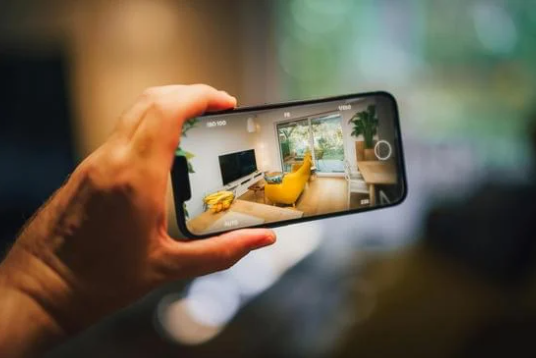
Why Video Outperforms Photos for Remote Buyers
Photos show individual moments frozen in time — a kitchen angle, a bedroom corner, a balcony view. Video shows flow. It communicates how a unit actually feels to walk through: the ceiling height as you enter, the way natural light moves through the living room, the actual proximity of the ocean from the balcony. For buyers making a decision remotely, that experience of movement and context is often what converts interest into an offer.
Listings with video content consistently generate longer online engagement times and more inquiry conversions than photo-only listings. In a market like Myrtle Beach — where the lifestyle is as much a part of the sale as the property itself — video is the most effective tool for communicating that lifestyle before a buyer ever visits.
Types of Video That Work for Grand Strand Properties
Walkthrough videos are the foundation. A smooth, well-lit interior tour that moves logically through the property — entry, living spaces, kitchen, bedrooms, bathrooms, outdoor areas — gives remote buyers the closest substitute to a live showing. Keep the pace deliberate enough to let buyers absorb details without making the video feel slow.
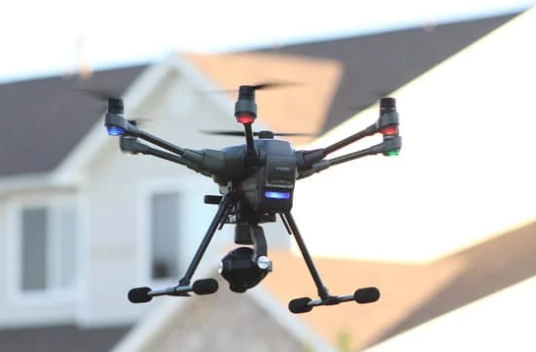
Drone and aerial footage adds critical context for Myrtle Beach properties. Buyers want to understand proximity to the beach, building orientation, parking, pool location, and surrounding neighborhood character. A 60-second aerial clip answers questions that a dozen interior photos cannot. For oceanfront and golf-course properties, aerial footage often becomes the most-watched segment of the listing video.
Neighborhood and lifestyle footage extends the sale beyond the four walls. Clips of the nearby beach access, golf courses, restaurants, and boardwalk remind buyers what they're actually buying — a way of life. This type of content performs especially well on social media, where it reaches buyers who haven't yet identified a specific property but are dreaming about the Grand Strand lifestyle.
How Video Shortens Days on Market
Buyers who watch a full property video before scheduling a showing are more qualified and more committed than those who haven't. They've already done a significant portion of the evaluation work — they know the layout, they've seen the condition, they understand the space. Showings from video-engaged buyers convert to offers at higher rates than cold showings.
This also reduces wasted showing time for sellers. Buyers who would have come in-person and been disappointed by something they could have seen in a video never book the showing. The result is fewer showings overall, but a higher percentage of those showings resulting in offers. You can browse Abe Safa's recently sold Myrtle Beach properties to see how video-supported listings have performed across price points and property types in the Grand Strand.
Video for Condos vs. Single-Family Homes
Condo video tours require particular attention to flow and space perception. Condos are often smaller than single-family homes, and poorly shot video can make them feel cramped. Wide-angle lenses, bright lighting, and a logical movement pattern help condos present their best. Highlight the unit's unique features — updated finishes, water views, balcony size — that justify the price relative to comparable units. If you're preparing to sell your Myrtle Beach condo, understanding how video can differentiate your listing within a building full of similar units is an important part of your strategy.
Single-family homes benefit most from the combination of interior walkthrough and drone footage. The lot, backyard, curb appeal, and neighborhood context all matter more for homes than for condo units in high-rise buildings. Allocate video time proportionally — more interior time for condos, more exterior and aerial time for homes.
Distribution: Where Your Video Needs to Be
A well-produced video only creates value if buyers can find it. YouTube is the preferred platform for long-form property videos — it's searchable, embeddable, and performs well in Google search results. Facebook and Instagram are ideal for shorter, edited cuts optimized for the feed. Your listing agent's website, Zillow listing, and Realtor.com profile should all embed the video directly. Active Myrtle Beach condo listings that include embedded video consistently attract more buyer engagement than listings that link out to external platforms.
Frequently Asked Questions
How long should a Myrtle Beach property video tour be?
For a full walkthrough video distributed on YouTube and embedded in listings, 3 to 6 minutes is the standard range. Shorter social media cuts — 60 to 90 seconds — work better for Instagram and Facebook ads. Most buyers will watch a 4-minute walkthrough if the property holds their interest, but the first 30 seconds must hook them or they'll move on.
Who pays for the video production when selling a Myrtle Beach home?
In most cases, the listing agent absorbs video production costs as part of their marketing package. Top Grand Strand agents include professional photography and video as standard offerings. If your agent charges extra for video or doesn't offer it at all, that's worth factoring into your evaluation of their marketing capabilities before signing a listing agreement.
Can I use a video tour to sell a vacant property?
Yes, and vacant properties often benefit more from video than furnished ones because buyers struggle to visualize scale without furniture. Virtual staging overlaid on video footage is an option for vacant properties. Even without staging, a clean, well-lit walkthrough of a vacant space is significantly more effective than still photos for helping buyers understand the layout.
Do video tours help in a slower market?
Especially so. In a buyer's market, every listing is competing harder for buyer attention. Video content that's engaging and professionally produced keeps your listing in consideration longer and reaches more passive buyers who haven't made a firm decision yet. In slower markets, listings with strong video content consistently outperform those relying on photos alone.
What's the difference between a video tour and a virtual tour?
A video tour is a produced, linear walkthrough — the viewer watches it like a film. A virtual tour (such as a Matterport 3D scan) lets buyers control the navigation, moving through the space in any direction at their own pace. Both have value. Video tours perform better for emotional engagement and social sharing; virtual tours give serious buyers the ability to measure, reference, and revisit specific spaces in their own time.