Life on the Grand Strand: The MyrtleBeachCondos.Net Blog

You’ll find our blog to be a wealth of information, covering everything from local market statistics and home values to community happenings. That’s because we care about the community and want to help you find your place in it. Please reach out if you have any questions at all. We’d love to talk with you!

April 5, 2026

From Contract to Closing: A Masterclass in Myrtle Beach Real Estate

You've found the perfect Myrtle Beach condo or home. You've made an offer and it's been accepted. Now what? The journey from signed contract to keys-in-hand involves more steps than most buyers realize — and each one matters. Having guided over 1,300 closings in the Grand Strand, I've seen exactly what makes the process smooth and what causes it to unravel. This masterclass will walk you through every stage so you can close with confidence.

Step 1: The Executed Contract — Your Starting Lineexecuted contract

Once both buyer and seller sign, you have an executed contract. This triggers your "due diligence" period — typically a few days to two weeks in South Carolina. During this time, you have the right to inspect the property, review documents, and in many cases, walk away if something doesn't satisfy you. Don't waste a single day of this window.

Immediately after contract execution, you'll need to submit your earnest money deposit. This is held in escrow and demonstrates your serious intent to purchase. In Myrtle Beach, earnest money for condos typically ranges from $1,000 to several thousand dollars depending on price point.

Step 2: The Inspection — Your Due Diligence Deep Dive

Schedule your home or condo inspection within the first few days of going under contract. A qualified inspector will examine everything from HVAC systems and plumbing to the roof, electrical panel, and structural elements. For oceanfront properties, pay special attention to moisture intrusion, corrosion, and HVAC condition — salt air takes a toll over time.

Review the inspection report line by line with your agent. Distinguish between cosmetic issues you can live with and material defects that warrant negotiation or repair. In many cases, we'll negotiate credits or repairs before moving forward. If defects are significant enough, your due diligence period is your exit opportunity.

Step 3: HOA and Condo Document Review

For condo purchases, document review is critical and often underestimated. You'll receive the HOA's financials, meeting minutes, rules and regulations, reserve fund status, and any pending assessments. Read these carefully. A well-funded HOA with healthy reserves is a sign of a well-managed community. Red flags include underfunded reserves, pending special assessments, or evidence of ongoing litigation.

Your lender may also have specific requirements about HOA financials — particularly for condotels or buildings with high investor concentration. Make sure your agent and lender are communicating throughout this phase.

Step 4: Your Mortgage — Appraisal and Underwriting

If you're financing the purchase, your lender will order an appraisal shortly after contract. The appraiser independently verifies the property's value. If the home appraises at or above the purchase price, you're clear to continue. If it appraises below, you'll need to renegotiate with the seller, make up the difference in cash, or exercise contract contingencies.

While the appraisal is underway, your loan file goes through underwriting. The underwriter will review your income, assets, credit, and the property details. Be responsive — provide any requested documents quickly. Delays in documentation are one of the most common causes of delayed closings.

Explore your buying options in Myrtle Beach to understand financing timelines and requirements before you get under contract.

Step 5: Title Search and Title Insurance

A title company will conduct a thorough search of the property's ownership history. They're looking for liens, judgments, unpaid taxes, or any claims against the property that could affect your ownership. In South Carolina, closings are typically handled by an attorney, not a title company — another reason to work with an experienced local agent who can recommend reliable closing attorneys.

Title insurance protects you against future claims that may arise from issues not discovered in the title search. Lender's title insurance is typically required; owner's title insurance is optional but strongly recommended.

Step 6: Final Walk-Through

Shortly before closing — usually within 24 to 48 hours — you'll conduct a final walk-through of the property. This isn't a new inspection; it's a verification that the property is in the same condition as when you went under contract and that any agreed-upon repairs have been completed. Bring your inspection report and the list of negotiated repairs so you can check each item off.

If issues are discovered during the walk-through, notify your agent immediately. There are several remedies available — from credits at closing to delaying the closing date — but your agent needs time to work them out.

closing dayStep 7: Closing Day

Closing day in South Carolina takes place at an attorney's office. You'll sign a stack of documents — loan documents if you're financing, transfer of title, settlement statements — and provide certified funds for your closing costs and down payment. Your lender will wire funds; you'll wire your portion or bring a cashier's check depending on the attorney's requirements.

Review the Closing Disclosure carefully before closing day. This document details every fee, credit, and cost associated with your transaction. Compare it to your Loan Estimate and ask questions about anything that doesn't match. Surprises at the closing table are almost always avoidable with preparation.

Once all documents are signed and funds are disbursed, you'll receive your keys. The property is yours.

Common Pitfalls and How to Avoid Them

After 1,300+ closings, here are the issues I see most often: buyers making large purchases or opening new credit accounts during the transaction (this can tank your mortgage approval); failing to respond quickly to lender requests; not reading HOA documents thoroughly; skipping the final walk-through; and waiting until closing day to review the Closing Disclosure. Avoid these mistakes and your closing will be the celebration it should be.

Browse Myrtle Beach condos for sale and start visualizing which properties deserve this kind of thorough due diligence process.

Why Local Expertise Matters at Every Step

The contract-to-closing process in Myrtle Beach has nuances that only come with local experience. From understanding which buildings have financing restrictions to knowing which HOAs have pending issues to recommending the best local closing attorneys — local expertise protects your investment at every stage. Check the Myrtle Beach real estate market report to see current conditions that may affect your transaction timeline.


Frequently Asked Questions

What happens between going under contract and closing on a Myrtle Beach property?

After a purchase contract is accepted, the process moves through several key stages: the due diligence and inspection period, appraisal (if financing is involved), title search and title insurance issuance, HOA document review for condos, loan underwriting and final approval, and the closing itself. Each stage has specific deadlines in the contract, and missing them can create legal exposure for either party. An experienced agent manages these timelines proactively.

How long does it typically take to close on a Myrtle Beach condo or home?

A standard financed transaction in the Grand Strand typically closes in 30 to 45 days from contract acceptance. Cash transactions can close in as few as 10 to 14 days. Condotel purchases or transactions involving complex financing may take longer due to additional lender review requirements. Your agent and closing attorney should set clear expectations from day one.

What due diligence should I complete before closing on a Myrtle Beach property?

For single-family homes, this includes a general home inspection, any specialized inspections (HVAC, roof, pool, termite), and a review of the property survey and title history. For condos, you should also review HOA meeting minutes, the reserve fund study, any pending or recent special assessments, and the rental policy if you plan to lease the unit. Never waive inspections in a competitive market — the risk is not worth it.

What closing costs should I expect as a buyer in South Carolina?

South Carolina buyers typically pay 1.5% to 3% of the purchase price in closing costs, which may include lender origination fees, appraisal, title insurance, attorney fees, prepaid homeowners insurance, and property tax escrow. Your lender will provide a Loan Estimate within three business days of application, detailing these costs. Review it carefully and ask your agent to help you evaluate whether any seller concessions are available.

What can go wrong between contract and closing, and how can I avoid delays?

Common causes of closing delays include appraisal gaps (when the property appraises below the contract price), title issues (unpaid liens, unclear ownership history), HOA approval delays for condo transfers, and last-minute financing problems. Working with a local closing attorney who knows Grand Strand properties, staying in constant communication with your lender, and responding quickly to document requests are the best ways to keep a transaction on track.


Abe Safa

Abe Safa

Top Listing Agent | Century 21 Harrelson Group

Abe has lived in Myrtle Beach since 1988. He leads the Abe Safa Sales Team at Century 21 Harrelson Group, specializing in selling homes and condos across the Grand Strand. Known for aggressive marketing, sharp negotiation, calm leadership through closing, and an impeccable track record, putting him in the elite top 1% in the country for listing agents.

📞 (843) 360-2145  /  📧 asafa@c21harrelson.com

Posted in Buyer Tips
April 4, 2026

Red Flags to Watch Out For When Buying an Older Oceanfront Condo

real estate red flagsOlder oceanfront condos in Myrtle Beach can offer incredible value—lower prices, proven buildings, and established rental histories. But they also come with risks that newer buyers often overlook. Knowing the warning signs before you make an offer can save you from an expensive mistake.

Deferred Maintenance on the Building

Walk the exterior of the building and look for signs of deferred maintenance: spalling concrete, rust staining, peeling paint on balconies, and deteriorating railings. Coastal buildings are subjected to salt air, humidity, and UV exposure year-round. Buildings that haven't kept up with maintenance often face large-scale concrete restoration projects—and the cost gets passed to unit owners as special assessments.

Underfunded Reserve Accounts

Request the HOA's most recent reserve study and financial statements. A healthy reserve fund should cover 70–100% of projected future repair costs. If the reserve is severely underfunded, you're buying into a building where special assessments are likely. This is one of the biggest financial risks in older condo buildings.

History of Special Assessments

Ask for a history of any special assessments in the last 5–10 years. One or two small assessments for routine repairs is normal. Multiple large assessments—especially for roofing, elevators, or structural work—can signal a poorly managed building. Find out whether any assessments are pending at the time of your purchase.

mold and moistureMoisture, Mold, and HVAC Issues

Older oceanfront units are particularly susceptible to moisture intrusion through windows, sliding glass doors, and balcony transitions. During your inspection, look for water staining on ceilings, musty odors, and visible mold around HVAC vents and bathroom walls. An aging PTAC unit (the wall-mounted AC common in resort condos) can be an expensive replacement.

Financing Challenges for Older Buildings

Some lenders restrict financing on older or non-warrantable condo buildings. If you're paying cash, this isn't an issue—but if you need a mortgage, confirm the building is financeable before falling in love with the unit.

Understand the most important step in buying a condo before you begin your search. Browse Myrtle Beach condos for sale across all ages and price ranges. And visit our buyer resources to learn how to evaluate any condo purchase with confidence.

Frequently Asked Questions

What are the biggest red flags when buying an older oceanfront condo in Myrtle Beach?
The most serious red flags include signs of water intrusion or past flooding, deferred maintenance on the building's exterior (concrete spalling, rusting rebar, failing balconies), an underfunded HOA reserve account, and a history of large special assessments. In coastal environments, salt air accelerates structural wear, so buildings that haven't kept up with maintenance can become expensive liabilities quickly. Always review the HOA's financial statements and reserve study before making an offer.

How does an aging building's reserve fund affect my purchase decision?
A poorly funded reserve is one of the most overlooked risks in condo buying. If a building's reserve fund is significantly underfunded relative to its reserve study, it means future owners — including you — will likely face special assessments to cover major repairs. Ask for at least two years of HOA meeting minutes, the most recent reserve study, and current reserve balance. A well-funded reserve above 70% of the recommended amount is a positive sign.

What should I look for in an older condo inspection near the ocean?
Beyond a standard home inspection, older oceanfront condos warrant close scrutiny of HVAC systems (salt air is brutal on equipment), windows and sliding glass doors for seal integrity, balcony and railing conditions, plumbing for corrosion, and any evidence of mold or moisture behind walls. Requesting a milestone inspection report (required for older Florida buildings, and increasingly common in South Carolina) can provide critical structural information.

Are older oceanfront condos harder to insure or finance?
Yes — both can be challenges. Lenders may be reluctant to finance condos in buildings with pending litigation, large deferred maintenance, or inadequate insurance coverage. Some older buildings have also seen insurance costs spike dramatically due to coastal risk, which increases monthly carrying costs for owners. It's important to verify the building's master insurance policy, flood insurance coverage, and whether financing is readily available before falling in love with a specific unit.

Should I hire a specialized inspector for an oceanfront condo?
Absolutely. A general home inspector is a good start, but for older oceanfront buildings you should also consider a structural engineer to assess the building's condition and a licensed contractor familiar with coastal construction. The cost of these additional inspections is minor compared to the potential liability of buying into a building with serious deferred maintenance. A knowledgeable local real estate agent can recommend inspectors with specific coastal condo experience.

Abe Safa

Abe Safa

Top Listing Agent | Century 21 Harrelson Group

Abe has lived in Myrtle Beach since 1988. He leads the Abe Safa Sales Team at Century 21 Harrelson Group, specializing in selling homes and condos across the Grand Strand. Known for aggressive marketing, sharp negotiation, calm leadership through closing, and an impeccable track record, putting him in the elite top 1% in the country for listing agents.

📞 (843) 360-2145  /  📧 asafa@c21harrelson.com

Posted in Buyer Tips
April 3, 2026

The Best Time of Year to List Your Myrtle Beach Condo for Sale

Timing and the marketTiming your listing correctly can mean the difference between a quick sale at a strong price and sitting on the market while buyers scroll past.


In Myrtle Beach, the condo market has its own rhythm shaped by tourism seasons, snowbird patterns, and national interest from investors.

🌸 Spring: The Traditional Peak Season

March through May is historically the busiest period for Myrtle Beach condo sales. Buyers are motivated, pre-approved, and ready to act before summer. Inventory is often lower than demand, which gives sellers negotiating power. If you want maximum competition among buyers, spring is your window.

☀️ Early Summer: Strong Demand, But Competition Rises

June and July bring continued strong demand, particularly from out-of-state buyers who visit for vacation and fall in love with the area. However, more sellers also list during this period, so your competition increases. Pricing accuracy and professional marketing become more important in a crowded field.

🍁 Fall: The Underrated Selling Season

September through November is one of the most underrated times to list in the Grand Strand. Snowbirds begin arriving, and serious buyers who missed out in spring are still actively searching. Fewer listings on the market means less competition, and buyers in this window tend to be more motivated and decisive.

❄️ Winter: Slower, But Not Dead

December through February sees reduced activity, but serious buyers are still out there—especially cash investors looking for year-end tax advantages. If you're forced to list in winter, aggressive marketing and sharp pricing can still result in a successful sale.

💡 What Matters More Than the Monthseasonal market shifts

Your listing's condition, photography, and pricing strategy often matter more than the calendar. A well-priced condo with professional photos and a strong online presence can sell in any season. Check the Myrtle Beach real estate market report regularly to understand current absorption rates and how quickly similar units are moving.

Before you list, take a look at Abe's recent sold properties to understand what comparable condos have been fetching in the current market. Then visit our selling resources page to learn how we position listings for maximum exposure and results.

Frequently Asked Questions

When is the best time of year to list a Myrtle Beach condo for sale?
The sweet spot for listing a Myrtle Beach condo is typically February through April. Buyers who are planning a summer purchase or want to close before peak rental season begin their search in late winter and early spring. Listing then allows you to capture motivated buyers while competition among sellers is still relatively low. Properties listed in this window often attract out-of-state buyers who are beginning to research vacation markets during the slower months in their home states.

Does the summer tourism season affect condo sales in the Grand Strand?
Yes — summer brings heavy tourist traffic but fewer serious buyers, since most visitor activity is focused on vacation rather than property purchases. That said, some buyers do visit during summer and fall in love with a property, which is why keeping your listing active and well-presented year-round still makes sense. The real advantage of listing before summer is being under contract or closed before the peak season, which is especially important for buyers who want rental income from that summer.

Is the fall or winter a bad time to sell a Myrtle Beach condo?
Not necessarily. Fall and winter bring fewer casual buyers, but the buyers who are active tend to be more serious and motivated. Snowbirds — retirees from the Northeast and Midwest — are a significant buyer segment in the Grand Strand market from October through March, and many are actively purchasing during those months. If your pricing is right and your listing is well-presented, winter can produce a solid sale, especially for properties that appeal to retirees or second-home buyers.

How does timing my listing affect the final sale price?
Spring listings in the Myrtle Beach market typically see stronger buyer competition, which can support pricing at or near the top of the comparable range. Listings that sit through summer and into fall often see price reductions and longer days on market, which can signal to buyers that something is wrong — even if the only issue was timing. Working with an experienced local agent to time your listing strategically, price it accurately from day one, and market it aggressively in the first two to four weeks is the formula for the strongest net proceeds.

Should I take my condo off the market during peak rental season?
Most experienced listing agents advise against it. While showings may be more disruptive during a high-occupancy rental period, pulling a listing off the market resets your days-on-market counter and can hurt your positioning when you relist. A better approach is to coordinate showings around rental turnover days, keep the unit in excellent condition between guests, and use professional photos that show the property at its best — regardless of season.

Abe Safa

Abe Safa

Top Listing Agent | Century 21 Harrelson Group

Abe has lived in Myrtle Beach since 1988. He leads the Abe Safa Sales Team at Century 21 Harrelson Group, specializing in selling homes and condos across the Grand Strand. Known for aggressive marketing, sharp negotiation, calm leadership through closing, and an impeccable track record, putting him in the elite top 1% in the country for listing agents.

📞 (843) 360-2145  /  📧 asafa@c21harrelson.com

Posted in Seller Tips
April 2, 2026

Proven Pricing Strategies from a Top Myrtle Beach Real Estate Agent

Pricing a property correctly is one of the highest-leverage decisions a seller makes. Get it right and the property attracts strong buyers, generates competitive interest, and closes cleanly. Get it wrong — in either direction — and you either leave money on the table or sit on a stale listing while the right buyers move on. Here's how I approach pricing after decades in the Myrtle Beach market.

Start With Building-Level Comparables, Not Area-Wide DataCOMPS

The most common pricing mistake I see — from both sellers and agents — is relying on broad area comparables when building-specific data is available. In a condo market like Myrtle Beach, two units in adjacent buildings can have dramatically different values because of HOA fee structures, rental program performance, financing eligibility, recent renovation history, or reserve fund health.

I always start with sales from the same building first, then expand to comparable buildings only if there isn't enough recent transaction data within the building itself. This produces a price that the market will actually support — not an aspirational number based on a different building's performance.

Adjust for Floor Level and View Angle Precisely

In oceanfront buildings, floor level and view angle are major value drivers. A direct oceanfront unit on the 10th floor is worth more than the same floor plan one floor lower. An angled ocean view is worth less than a straight-on view from the same position. These differences are real and quantifiable — and getting them right prevents both under-pricing and over-pricing.

I've developed a feel for these adjustments through years of transactions in the same buildings. I know what the market has actually paid for specific view premiums in specific towers, which is a much more reliable guide than general rules of thumb.

Understand the Absorption Rate Before Setting a Price

Absorption rate — the number of months it would take to sell all current active listings at the current pace of sales — tells you whether you're pricing into a buyer's market or a seller's market. In a building with a 2-month supply, aggressive pricing is justified. In a building with 18 months of supply, aggressive pricing will result in a property sitting while more realistically priced competitors sell.

I calculate absorption rates at the building and community level before advising on price. This gives sellers a realistic picture of the competitive landscape they're entering — and helps me advise on pricing strategy with confidence rather than guesswork. For reference on where the broader market stands, see the full seller's guide and the current market conditions.

Price Below Round Numbers Intentionally

Buyers searching online typically use round-number filters — $300,000, $400,000, $500,000. A property priced at $399,900 shows up in searches that filter up to $400,000 and may also show up in searches starting at $400,000 depending on the platform. A property priced at $405,000 misses every buyer searching below $400,000 and adds only a trivial amount to the potential sale price.

This is a small tactical point, but in markets where digital search dominates buyer behavior — which is absolutely the case for out-of-state buyers in Myrtle Beach — pricing strategy at the search threshold level can meaningfully affect your exposure and therefore your outcome.

Build a Price Reduction Ladder Before Listing

Rather than setting a price and reacting emotionally if it doesn't sell immediately, I advise sellers to pre-plan a price reduction ladder before the listing goes live. This means deciding in advance: if we haven't received a serious offer within 30 days, we'll reduce by X. Within 45 days, we'll consider Y.

Having this plan in place removes the emotionality from the decision and allows sellers to respond to market feedback decisively rather than defending a price past the point where it's helping. It also means that when a reduction does happen, it's a meaningful adjustment — not a cosmetic $1,000 change that signals to buyers that the seller is still anchored to the original number. Review the approach to selling your Myrtle Beach condo to understand the full process and how pricing fits within it.

Consider the Cost of Time When Evaluating Pricecost of time

Sellers sometimes resist price reductions because they feel they're giving away money. What they're actually doing is preserving a number on paper while incurring real costs: carrying costs, HOA fees, insurance, mortgage interest if applicable, and opportunity cost. A seller who holds firm at $400,000 for six months and then sells at $380,000 has not protected $20,000 — they've lost the six months of carrying costs on top of the price difference.

I help sellers understand the true economics of holding versus adjusting, which usually leads to more rational decisions about when and whether to reduce. The goal is always to maximize net proceeds — not to win a psychological battle with a market that has no feelings. For sellers in challenging conditions, reading about selling in a buyer's market provides useful strategic context.

Frequently Asked Questions

How do I know if my agent priced my condo correctly?

The clearest signal is market response in the first two to three weeks. Multiple showings with interested buyers who make offers suggests accurate pricing. Showings with no offers suggests the property is being seen but perceived as overpriced. No showings at all suggests a pricing or marketing problem. Your agent should be interpreting this feedback and recommending action.

Should I price high to leave room for negotiation?

Generally no — especially in a digital-first market where buyers are well-researched. Overpriced listings get skipped entirely by buyers who can quickly identify that a property is above market. You don't get the chance to negotiate if buyers never engage in the first place. A sharp, accurate price creates competition, which is the most reliable path to a strong final number.

What's the biggest pricing mistake sellers make in Myrtle Beach?

Pricing based on what they paid, what they've put into renovations, or what they need to net — rather than what the market will bear based on comparable sales. The market doesn't care about your cost basis. It prices properties based on what comparable properties have sold for recently, adjusted for the specific attributes of your unit.


Abe Safa

Abe Safa

Top Listing Agent | Century 21 Harrelson Group

Abe has lived in Myrtle Beach since 1988. He leads the Abe Safa Sales Team at Century 21 Harrelson Group, specializing in selling homes and condos across the Grand Strand. Known for aggressive marketing, sharp negotiation, calm leadership through closing, and an impeccable track record, putting him in the elite top 1% in the country for listing agents.

📞 (843) 360-2145  /  📧 asafa@c21harrelson.com

Posted in Seller Tips
April 1, 2026

The Evolution of the Myrtle Beach Real Estate Market Over the Last 30 Years

The Myrtle Beach real estate market of today looks almost nothing like it did in the early 1990s. What was once largely a seasonal destination — known for summer vacationers and a handful of retirement communities — has transformed into one of the most active and diverse real estate markets on the East Coast. As someone who has been selling real estate in the Grand Strand for nearly four decades, I've had a front-row seat to every wave of change. Here's how it all unfolded.

early mbscThe Early 1990s: A Sleepy Seasonal Market
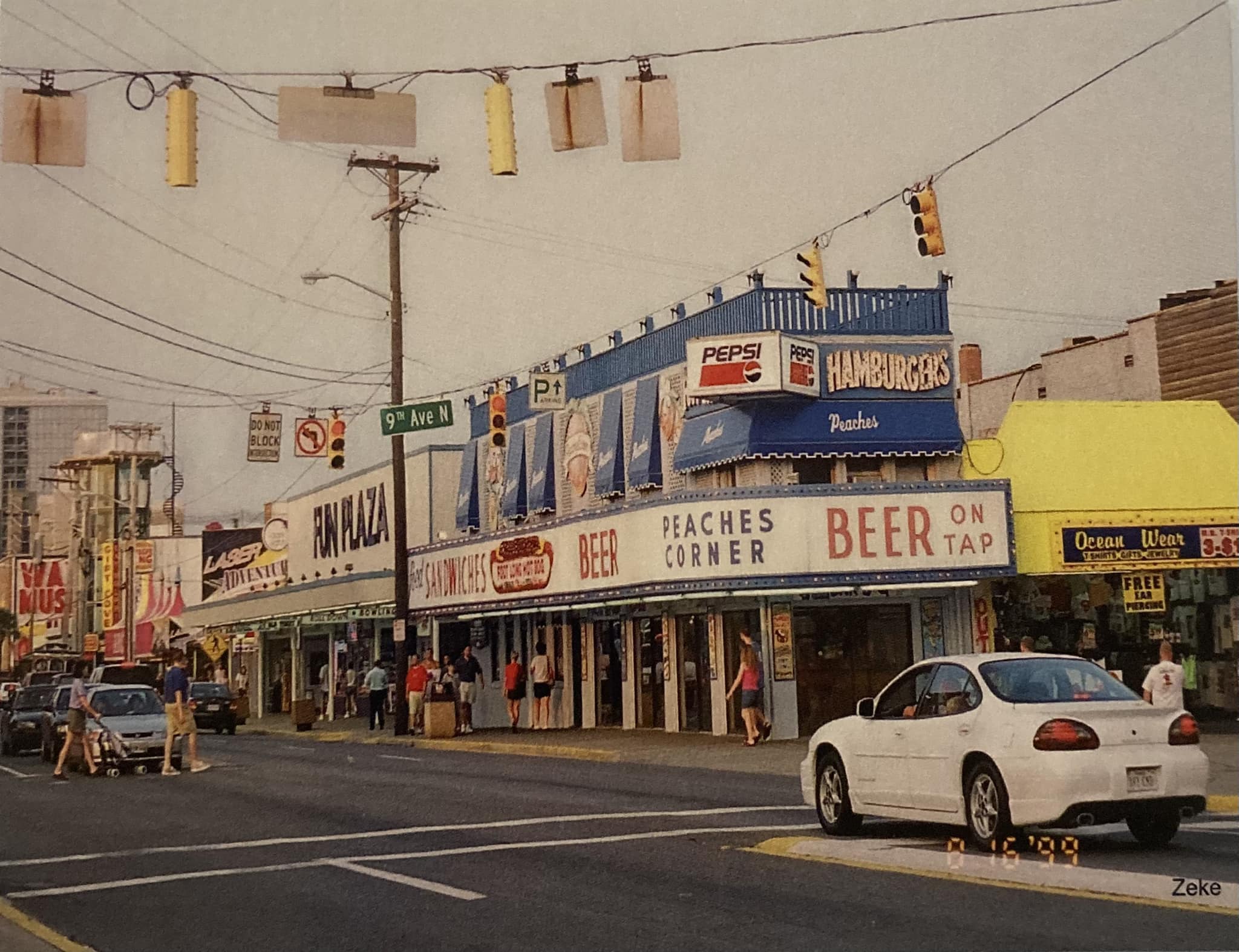
In the early 1990s, Myrtle Beach was primarily a vacation town. Real estate transactions were dominated by small beach cottages, a handful of oceanfront condos, and golf course communities that catered to retirees from the Northeast and Midwest. Year-round residents were relatively few, and the concept of Myrtle Beach as a permanent relocation destination was not yet mainstream.

Prices were modest by today's standards. A two-bedroom oceanfront condo could be had for under $100,000, and single-family homes in inland communities were often priced below $80,000. The market moved slowly, inventory was plentiful, and buyers held most of the leverage.

The Late 1990s: Tourism Boom and Infrastructure Growth

As the decade progressed, the Grand Strand began attracting major tourism investment. New hotels, entertainment complexes, and retail developments transformed the Myrtle Beach skyline. Broadway at the Beach had opened, and the area was drawing more national attention as a travel destination.

This tourism growth had a direct impact on real estate. Demand for short-term rental condos surged, and developers began building new oceanfront and ocean-view towers to meet that demand. Prices climbed steadily through the late 1990s as investor interest picked up alongside consumer confidence.

MBSC early hotelsThe 2000s: The Condo Boom and the Surge in Investor Activity
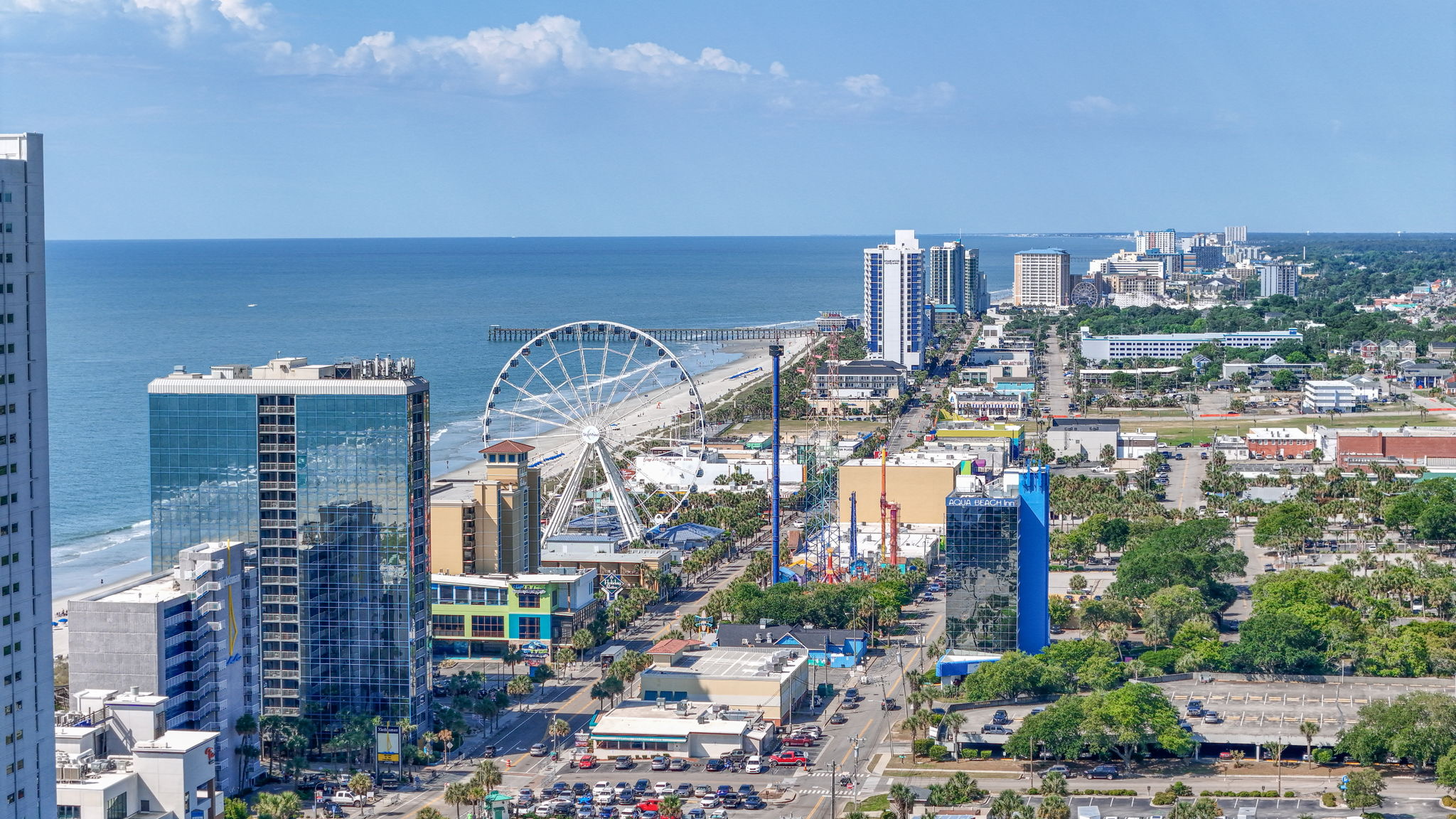
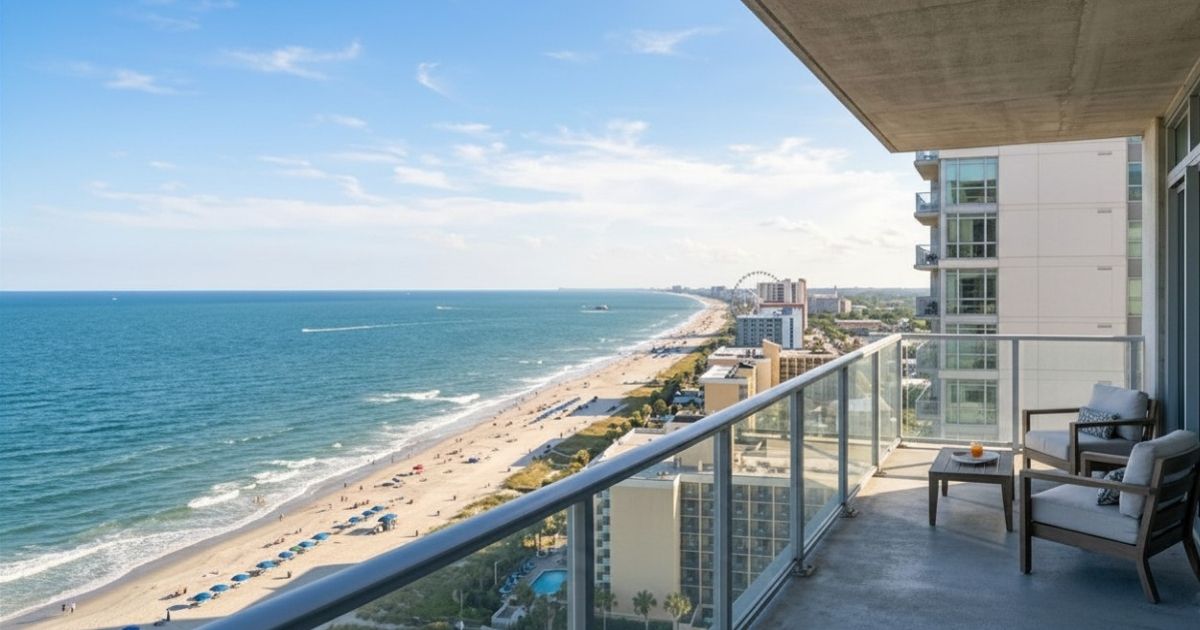
The early-to-mid 2000s brought an unprecedented construction and investment boom to Myrtle Beach. Condominium towers went up along Ocean Boulevard at a staggering pace. Buyers from across the country — many looking for rental income properties or second homes — flooded the market.

This era produced some of the most iconic developments in the Grand Strand, including large resort-style condo towers with indoor pools, lazy rivers, and direct beach access. The concept of the "condotel" — a condo unit managed as part of a hotel rental program — became a dominant product type in the market.

By mid-decade, appreciation rates were running in double digits annually. Multiple-offer situations were common, and some buyers were flipping contracts before buildings even broke ground. The market was, by any measure, running hot.

2008–2011: The Correction and Its Aftermath

The national housing crisis hit Myrtle Beach hard. Oversupply from the construction boom collided with tightened lending standards and the collapse of investor confidence. Values dropped 30–40% in some condo segments, and foreclosures became widespread. Many of the condotel units that had traded at peak prices sat vacant or sold at steep discounts.

It was a difficult period, but it was also a reset. The buyers who entered the market between 2009 and 2012 did exceptionally well. Those who purchased distressed properties at the bottom — especially oceanfront condos and single-family homes in established communities — saw substantial appreciation over the following decade. For a deeper look at how the market has shown resilience through cycles, see this analysis of the Myrtle Beach housing market.

The 2010s: Recovery, Diversification, and the Rise of Year-Round Living

The recovery that followed the recession was gradual but sustained. One of the most significant shifts during this decade was the growing appeal of Myrtle Beach as a permanent residence rather than just a vacation spot. Low cost of living, no state income tax on Social Security, mild winters, and improving infrastructure drove a wave of retirees — and later, remote workers — to the area.

New communities opened in Myrtle Beach, Carolina Forest, Murrells Inlet, and Pawleys Island. Single-family homes in master-planned communities began competing with condos for buyer attention. Demand from out-of-state buyers — particularly from Ohio, Michigan, New York, and New Jersey — became a permanent feature of the market.

By the late 2010s, days on market were shrinking, prices were climbing back toward and in many cases exceeding pre-recession highs, and the overall character of the market had fundamentally changed. Browse current Myrtle Beach condos for sale to see the range of properties that define today's market.

2020–2022: The Pandemic SurgeMyrtle Beach

Few periods in Grand Strand real estate history were as dramatic as 2020–2022. As remote work became normalized and Americans sought more space and warmer climates, Myrtle Beach experienced one of its most intense seller's markets ever. Properties in desirable locations routinely received multiple offers within days of listing. Cash buyers — many relocating from high-cost metros — drove prices sharply higher.

Median prices rose 20–30% in some segments over just two years. Inventory hit historic lows. New construction backlogs stretched for months. Investors competed with primary-home buyers for the same properties, intensifying competition across every price tier.

2023–2025: Normalization and the New Baseline

As mortgage rates climbed from their pandemic-era lows, the pace of the market moderated. Multiple-offer frenzies became less common, and buyers regained some negotiating power. But what did not happen was a crash. The Grand Strand market found a new baseline at price levels substantially above where they were in 2019.

Demand from out-of-state buyers remained robust. The structural tailwinds that had driven the market — migration to the Sun Belt, retirement demographics, relatively affordable prices compared to coastal alternatives — did not disappear. For the latest data on how the market is performing, check the Myrtle Beach real estate market report.

What the 30-Year Arc Tells Us

Looking across three decades, a few clear patterns emerge. First, the Grand Strand market has always recovered from corrections — and buyers who entered during downturns have consistently been rewarded. Second, external demand has been the dominant force driving prices; Myrtle Beach's appeal to out-of-state buyers provides a persistent cushion against purely local economic fluctuations. Third, the market has matured considerably. What was once a niche vacation and retirement market is now a full-service real estate ecosystem with a wide range of product types, price points, and buyer profiles.

Understanding this history is valuable context whether you're buying your first Grand Strand property or your fifth. Markets don't repeat exactly, but the patterns are instructive.

Frequently Asked Questions

When was the best time to buy real estate in Myrtle Beach historically?

The period from 2009 to 2012 — following the housing crisis — offered the most attractive entry points for buyers. Properties were significantly discounted, and those who purchased during that window saw substantial appreciation over the next decade. The second-best entry period was arguably 2019, just before the pandemic-driven price surge.

Has Myrtle Beach ever experienced a prolonged real estate decline?

The 2008–2011 period was the most significant correction the market has experienced, with some condo segments declining 30–40% from peak values. However, the market fully recovered and went on to reach new price highs. Broader economic downturns — like the early 1990s recession — caused slowdowns but not sharp declines of that magnitude.

How has the buyer profile changed over 30 years?

In the early 1990s, the typical buyer was either a local move-up buyer or a retiree from the mid-Atlantic or Midwest. Over time, the buyer pool expanded dramatically. Today, out-of-state buyers from New York, New Jersey, Ohio, Michigan, and Florida make up a significant share of the market, and remote workers have added a newer demographic to the mix.

Are condos or single-family homes a better investment in Myrtle Beach?

Both property types have produced strong returns for investors over time, but they perform differently. Oceanfront condos tend to generate higher gross rental income but come with HOA fees, rental program commissions, and more volatility during market downturns. Single-family homes in inland communities have appreciated steadily and offer more stability, though rental income potential is generally lower per square foot.


Abe Safa

Abe Safa

Top Listing Agent | Century 21 Harrelson Group

Abe has lived in Myrtle Beach since 1988. He leads the Abe Safa Sales Team at Century 21 Harrelson Group, specializing in selling homes and condos across the Grand Strand. Known for aggressive marketing, sharp negotiation, calm leadership through closing, and an impeccable track record, putting him in the elite top 1% in the country for listing agents.

📞 (843) 360-2145  /  📧 asafa@c21harrelson.com

Posted in Market Reports
March 28, 2026

Insider Secrets from a Top Century 21 The Harrelson Group Agent

After nearly four decades and more than 1,300 closings in the Myrtle Beach area, I've learned things about this market that simply can't be found in a real estate textbook. The Grand Strand has its own rhythms, quirks, and opportunities — and knowing how to navigate them is what separates a good outcome from a great one for my clients. Here are some of the insights I've gathered over the years.

The Market Moves Differently Here Than Almost Anywhere ElseMyrtle Beach Condos

Myrtle Beach is not a traditional residential market. A large percentage of properties — particularly condos — are purchased by out-of-state buyers who may never visit in person before making an offer. That means the way you present a property, the quality of photos and video, and the accuracy of listing descriptions matter more here than in many other markets.

For buyers, it also means that local representation is invaluable. I know which buildings have financial issues, which HOAs are being managed well, and which oceanfront towers have assessments coming down the pipeline. That kind of on-the-ground intelligence is hard to replicate remotely — and it can save buyers from making costly mistakes.

Pricing Is an Art, Not Just a Calculation

The most common mistake I see sellers make is pricing based on what they need to net rather than what the market will actually bear. Buyers in Myrtle Beach are well-researched. They compare dozens of properties before making a move, and an overpriced listing will simply sit while the right buyers move on to something else.

The flip side is also true: underpricing leaves real money on the table, especially in tight inventory periods. My approach is to price based on recent comps in the same building or community, current absorption rates, and the specific condition and position of the unit. Getting that number right from day one is one of the most important things I do for my sellers.

negotiations and dealxsNegotiation Is Where Deals Are Really Won or Lost

By the time a contract is signed, the negotiation is far from over. Inspection results, appraisal gaps, HOA document reviews, and financing contingencies all create moments where deals can unravel or get strengthened, depending on how they're handled. Having negotiated through over 1,300 transactions, I've seen virtually every scenario — and that experience matters when it's time to push back, make concessions, or hold the line.

For buyers, I focus on identifying leverage points and using them strategically without damaging the deal. For sellers, I work to keep buyers engaged and committed even when unexpected issues arise. The goal is always the same: get to the closing table with terms that reflect my client's best interest.

Local Knowledge Surfaces Opportunities Others Miss

Some of the best deals I've helped clients find were never widely marketed. When you've been working the Grand Strand for as long as I have, you develop a network of other agents, property owners, and investors who reach out before a property hits the MLS. Those off-market opportunities don't come from a search algorithm — they come from relationships built over decades.

I also know which neighborhoods are on an upward trajectory and which have plateaued. I know which condo buildings have the strongest rental performance records and which ones have HOA issues that make financing difficult. That contextual knowledge shapes the advice I give every client who works with me.

The Best Clients Are Educated Clients

I've always believed that real estate clients make better decisions when they're better informed. That's why I invest time upfront explaining the local market, the buying or selling process, and what to expect at each stage. I'd rather spend an hour answering questions before we start than have a client feel uncertain or surprised mid-transaction.

An informed client is also a more confident one. Confident buyers make faster, cleaner decisions. Confident sellers trust the process and don't panic when minor obstacles arise. That confidence leads to better outcomes — and more often than not, it leads to referrals that I'm genuinely proud to receive. You can learn more about my background and approach on my agent profile, or take a look at my recently sold properties to see the kind of results I've delivered for clients throughout the Grand Strand.

What to Look for in Any Real Estate Agent

Whether you work with me or someone else, here's what I'd encourage you to evaluate. Look at their actual transaction volume in the specific market you're buying or selling in — not just their overall career numbers. Ask how they handle situations where the deal gets complicated. Find out how they communicate and whether their style matches yours.

The best agent for any client isn't necessarily the one with the flashiest marketing — it's the one who truly understands the market, communicates clearly, and has the experience to handle problems when they arise. In a market as distinctive as Myrtle Beach, that local expertise is worth a great deal. If you're ready to buy in the area, explore available properties and buyer resources to get started.

Frequently Asked Questions

How many transactions has Abe Safa completed in Myrtle Beach?

Abe has been involved in over 1,300 real estate closings throughout the Grand Strand, spanning oceanfront condos, inland single-family homes, investment properties, and everything in between. That depth of experience across different property types and market conditions is one of the things that sets him apart.

What areas does Abe Safa specialize in?

Abe works throughout the Grand Strand, including Myrtle Beach, North Myrtle Beach, Surfside Beach, Murrells Inlet, Garden City Beach, and Pawleys Island. He has particular depth of knowledge in oceanfront and ocean-view condo properties, as well as golf course communities and residential neighborhoods across Horry and Georgetown counties.

What makes Century 21 The Harrelson Group stand out in the Myrtle Beach market?

Century 21 The Harrelson Group is one of the most established real estate brokerages in the Grand Strand, with deep community roots and a large network of buyer and seller contacts. The combination of a nationally recognized brand with genuinely local expertise gives clients the best of both worlds — sophisticated marketing capabilities paired with on-the-ground market knowledge.

How does Abe approach working with out-of-state buyers?

Abe has extensive experience helping buyers who are relocating or purchasing vacation and investment properties from out of state. He provides detailed video walkthroughs, thorough market briefings, and frank assessments of each property's strengths and weaknesses — so buyers can make confident decisions even if they can't be on the ground in Myrtle Beach.


Abe Safa

Abe Safa

Top Listing Agent | Century 21 Harrelson Group

Abe has lived in Myrtle Beach since 1988. He leads the Abe Safa Sales Team at Century 21 Harrelson Group, specializing in selling homes and condos across the Grand Strand. Known for aggressive marketing, sharp negotiation, calm leadership through closing, and an impeccable track record, putting him in the elite top 1% in the country for listing agents.

📞 (843) 360-2145  /  📧 asafa@c21harrelson.com

Posted in Buyer Tips
March 24, 2026

How Local Expertise Saves You Money When Buying an Oceanfront Condo

Buying an oceanfront condo in Myrtle Beach sounds straightforward — you find a unit you love, make an offer, and close. But the reality is considerably more nuanced, and buyers who work without a local expert frequently leave money on the table, or worse, end up with a property that comes with problems they weren't warned about. Here's how having the right local knowledge changes the outcome.

Building Reputation Matters More Than the Viewdont be blinded by oceanfront views

Not all oceanfront buildings are created equal. Some have strong HOAs, healthy reserves, and a track record of well-maintained common areas. Others are perpetually dealing with assessments, deferred maintenance, or management dysfunction. A local agent who has sold dozens of units in a given building knows which category it falls into before you even walk through the door.

I've steered clients away from buildings that looked beautiful on the surface but had serious financial or structural issues brewing beneath it. That kind of intelligence isn't available on any listing portal — it comes from years of working in the market and building relationships with other agents, property managers, and past buyers.

Rental Restrictions Can Make or Break an Investment

If you're buying an oceanfront condo with any intention of renting it out, the rental program and HOA restrictions are critical. Some buildings require you to use an in-house rental program. Others restrict rentals to a minimum of 30 days. Still others give you full flexibility. Getting this wrong can mean owning a property that doesn't generate the income you expected — or one you can't rent at all during peak season.

A local agent who specializes in the Myrtle Beach condo market knows these rules cold. Before you fall in love with a property, you should know exactly what the rental rules are and how they affect your plans.

understanding compsComparable Sales in a Building Tell a Different Story Than Area-Wide Comps
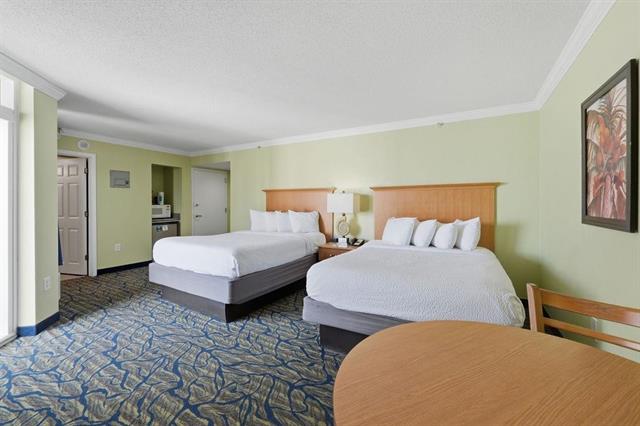
The standard approach to valuing a property — pulling recent comparable sales from the surrounding area — can be misleading with oceanfront condos. Two buildings on the same block can have dramatically different price per square foot because of HOA fee differences, rental performance, age of the building, quality of the renovation program, or floor level.

An agent who has sold repeatedly within a specific building can price it and evaluate offers with precision that general market data simply doesn't provide. For buyers, that means making offers with confidence. For sellers, it means pricing accurately enough to attract the right buyer without leaving money behind. Explore available Myrtle Beach condos for sale and you'll quickly see how much variation exists even within a single oceanfront strip.

Timing the Market at the Building Level

There are micro-cycles within the Myrtle Beach condo market that affect individual buildings differently. A building that just completed a major renovation may be entering a period of higher prices. A building with a large assessment coming may see motivated sellers willing to take less. These dynamics are invisible to buyers working without someone who knows the market at that level of detail.

Understanding the most important step in buying a condo — doing thorough due diligence on the specific building, not just the unit — can be the difference between a great investment and a frustrating one.

Negotiation Tactics That Only Work With Local Knowledge

Knowing a seller's motivation can completely change how you approach an offer. Is the unit being sold because the owner is moving on after years of enjoyment and wants a clean, hassle-free transaction? Or is it being offloaded because the rental income hasn't met expectations and the owner is tired of the carrying costs? Those are very different situations, and each calls for a different negotiating approach.

Local agents hear things. They talk to listing agents at open houses. They know when a price reduction is signaling flexibility versus when a seller is holding firm. That intelligence is part of the service — and it can be worth tens of thousands of dollars on a significant purchase.

HOA Documents Require Someone Who Knows What to Look For

Every condo purchase in South Carolina involves a review period for HOA documents. For most buyers, those documents are dense and difficult to interpret. A local agent who has reviewed hundreds of sets of HOA documents for the same pool of buildings can spot warning signs quickly — underfunded reserves, pending special assessments, litigation, or rule changes that affect the property's value or usability.

Understanding the range of popular condo types and what distinguishes them — from condotels to traditional residential condos to fractional ownership units — is also part of the context an experienced local agent brings to the table.

Frequently Asked Questions

Why does local expertise matter specifically for oceanfront condos?

Oceanfront condos in Myrtle Beach are more complex than standard residential purchases because of rental program structures, HOA financial health, building-specific price dynamics, and flood insurance requirements. A local specialist can navigate all of these issues efficiently, while a generalist agent may not even know what questions to ask.

How can I verify that an HOA is financially healthy before buying?

Request the most recent reserve study and the last two to three years of meeting minutes. Look for the reserve funding percentage — anything below 70% is a potential red flag. Also check whether any special assessments have been levied recently and whether any major capital projects are pending. A local agent can help you interpret these documents.

What's the difference between a condotel and a standard oceanfront condo?

A condotel is a condo unit that is operated as part of a hotel rental program. Financing for condotels is different — most conventional lenders won't finance them, so buyers typically pay cash or use portfolio lenders. Standard oceanfront condos can usually be financed conventionally, though some buildings are still considered "non-warrantable" by Fannie Mae and require alternative financing.

Abe Safa

Abe Safa

Top Listing Agent | Century 21 Harrelson Group

Abe has lived in Myrtle Beach since 1988. He leads the Abe Safa Sales Team at Century 21 Harrelson Group, specializing in selling homes and condos across the Grand Strand. Known for aggressive marketing, sharp negotiation, calm leadership through closing, and an impeccable track record, putting him in the elite top 1% in the country for listing agents.

📞 (843) 360-2145  /  📧 asafa@c21harrelson.com

Posted in Buyer Tips
March 23, 2026

Case Studies: Successfully Selling Hard-to-Sell Condos in Myrtle Beach

condos in myrtle beachNot every condo in Myrtle Beach sells quickly. Some sit on the market for weeks or months — not because they're bad properties, but because they require a specific approach that most agents aren't equipped to execute.
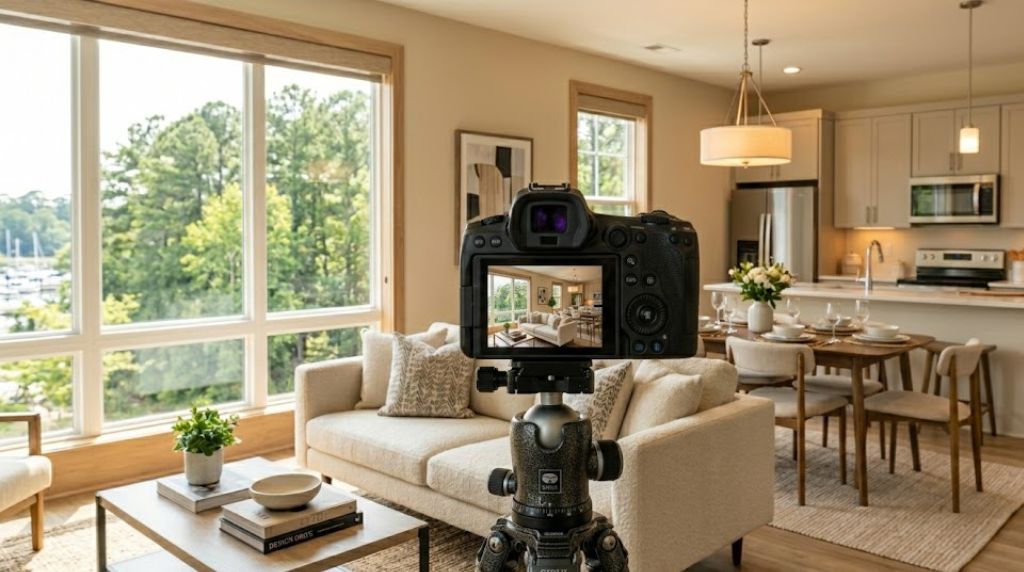

Over the years, I've had dozens of experiences taking on listings that other agents couldn't move and getting them sold. Here are some of the patterns I've seen and what actually worked.

Case Study 1: The Building With a Bad Reputation

I once listed a unit in a building that had developed a reputation for noise, management problems, and declining maintenance. Previous listings in the building had expired or sold at steep discounts. The unit itself was in excellent condition — updated kitchen, direct ocean view, strong rental history — but buyers were steering clear because of what they'd heard about the building.

The solution wasn't to hide the building's issues. It was to quantify them and contextualize them. I pulled together data on recent HOA meeting minutes, the reserve fund status, and the new management company that had taken over six months prior. I created a one-page "building update" document that I proactively shared with every showing. By addressing concerns head-on rather than letting buyers discover problems on their own, I changed the dynamic. The unit sold within three weeks at full asking price to a buyer who had originally passed on the building.

Case Study 2: The Overpriced Listing That Went Stale

A seller came to me after their listing had sat for 90 days with another agent at a price that was aspirational at best. The unit had accumulated significant days-on-market stigma — buyers were asking "what's wrong with it?" rather than seriously evaluating it. The previous agent had done almost nothing to address the stale perception.

I took the listing off the market for ten days, updated the photos with new staging and better lighting, refreshed the listing description, and relaunched at a price that was more tightly aligned with recent comparable sales. Within the first week back on market, we had three showings and one offer. We closed 30 days later at 97% of the relisted price — which was still meaningfully higher than distressed comps from that building. See recent condo sales to get a sense of how properly priced properties perform versus stale listings.

Case Study 3: The Financing-Challenged Building

One of the most common challenges in the Myrtle Beach condo market is buildings that are considered "non-warrantable" — meaning Fannie Mae and Freddie Mac won't back conventional loans for units there. This dramatically limits the buyer pool because most people can't pay cash or secure portfolio financing. I had a listing in exactly this situation.

The strategy was to identify the subset of buyers most likely to either pay cash or have access to alternative financing — specifically investors and second-home buyers from high-net-worth backgrounds. I marketed the property directly to that audience through targeted outreach and agent networking rather than relying on MLS exposure alone. We found a cash buyer within six weeks who was specifically looking for a building without the conventional financing restrictions that limit competition.

Case Study 4: The Unit With a Complicated Rental History

Some properties have rental income records that are difficult to verify or present cleanly — either because records weren't kept well, rental management changed hands, or the unit was owner-occupied for part of the period. Buyers who are buying primarily for rental income can be very cautious about incomplete rental histories.

In this case, I worked with the seller to reconstruct a credible rental income estimate using occupancy data from the management company, comparable units in the same building, and market-wide STR performance data for that building category. Rather than simply noting "rental history available upon request," we presented a formatted income projection with supporting documentation. The transparency built confidence, and the buyer proceeded with much less hesitation than they might have otherwise.

What These Cases Have in Commoncondos in myrte beach

Looking across these and similar situations, a few themes emerge consistently. First, most hard-to-sell condos have one specific obstacle — and identifying it precisely is more valuable than applying generic marketing fixes. Second, transparency about problems almost always works better than avoiding them. Buyers who discover issues on their own become suspicious of everything; buyers who are given accurate information upfront become more confident. Third, the right buyer for a difficult property is rarely the first person who comes through the door — it takes targeted marketing to find them.

If you have a condo that hasn't been moving, the answer is usually strategy, not price reduction. Getting the selling process right from the beginning — including honest pricing and proactive communication — is what separates a successful sale from a prolonged frustration.

Frequently Asked Questions

What makes a Myrtle Beach condo "hard to sell"?

Common factors include non-warrantable financing status, high HOA fees relative to comps, building reputation issues, pending or recent special assessments, a history of deferred maintenance, unit conditions that are significantly below building average, and stale listings that have accumulated days-on-market stigma. Each of these requires a different strategy to overcome.

Should I reduce my price if my condo has been sitting on the market?

Not necessarily. Price reduction is often the first instinct, but it's sometimes the wrong tool. If the underlying issue is marketing, presentation, or buyer access, reducing the price won't fix the problem — it will just lower what you net. A full reassessment of the listing strategy, photos, and target buyer profile should come before any price change.

How long is too long for a Myrtle Beach condo to be on the market?

In an active market, a well-priced and well-marketed condo should be generating serious interest within the first 30 days. Beyond 60 days, buyer perception of the property typically starts to erode regardless of its actual quality. At 90 days or more, a meaningful intervention — relisting, repricing, or restaging — is usually needed to reset market perception.


Abe Safa

Abe Safa

Top Listing Agent | Century 21 Harrelson Group

Abe has lived in Myrtle Beach since 1988. He leads the Abe Safa Sales Team at Century 21 Harrelson Group, specializing in selling homes and condos across the Grand Strand. Known for aggressive marketing, sharp negotiation, calm leadership through closing, and an impeccable track record, putting him in the elite top 1% in the country for listing agents.

📞 (843) 360-2145  /  📧 asafa@c21harrelson.com

Posted in Seller Tips
March 20, 2026

Why Selling Hundreds of Condos Changes How You Market Them

Selling a condo in Myrtle Beach is not the same as selling a house — and selling the five hundredth condo is not the same as selling the first. With each transaction, you develop a clearer picture of who actually buys these properties, how they find them, what makes them commit, and what sends them elsewhere. Here's what that accumulated experience has taught me about condo marketing specifically.

Your Buyer Is Almost Certainly Out of State

The majority of condo buyers in Myrtle Beach — particularly for oceanfront and ocean-view units — are purchasing from out of state. They cannot easily schedule a showing on short notice. They may never visit in person before making an offer. They rely entirely on photos, video, and the information provided in the listing to form their first impression and often their purchase decision.

This changes everything about how a property should be marketed. A listing strategy that works for selling a primary residence to a local buyer — where people can stop by after work and form their own impressions — simply doesn't translate to the vacation and investment condo market. The digital presentation is the showing.

Photography Is Not Optional — It's the ProductProfessional Photos and selling

I've seen what amateur photography does to a condo listing. The property may be beautiful in person, but poorly composed photos taken with a phone camera make even great units look cramped, dark, and uninviting. In a market full of competing listings, buyers who don't like what they see in the first three photos move on immediately.

Professional photography — including wide-angle interior shots, balcony views at golden hour, and building exterior images that showcase the location — is a non-negotiable part of my listing process.

For units with strong ocean views, video walkthroughs and drone footage can make an enormous difference. The investment is modest relative to the difference it makes in buyer engagement.

The Listing Description Must Do Real Work

Generic listing descriptions — "beautiful condo, fully furnished, great rental income" — are invisible to serious buyers. They're looking for specific information: the floor number, the exact view angle, the rental program details, recent renovation specifics, HOA fee breakdown, parking situation, and what makes this unit worth its asking price relative to comparable options.

A listing description that anticipates and answers buyer questions keeps them engaged. It also signals that the seller and their agent are serious, prepared, and dealing honestly. Transparency in a listing description typically accelerates the sales process — qualified buyers move faster when they have the information they need upfront. Learn more about what's involved in the condo selling process from start to finish.

Rental Income Data Is a Marketing Asset

For condos being marketed to investors or second-home buyers who plan to offset costs with rental income, documented rental history is one of the most powerful marketing tools available. Buyers want to see actual gross rental income, average occupancy rates, and ideally a projection of what the property could earn under active management.

I help sellers compile and present this information in a clean, credible format that buyers can take to their accountants and lenders. Documented rental performance reduces buyer uncertainty, shortens due diligence timelines, and often justifies a higher purchase price than the same unit would command with no rental history available.

Targeted Buyer Outreach Beyond the MLS

MLS listing is a starting point, not a complete marketing strategy. The most effective condo sales I've facilitated have involved proactive outreach to specific buyer pools — agent networks in high-feeder markets like Ohio, Michigan, New York, and New Jersey; investor groups who are actively seeking rental properties in coastal markets; and relocation specialists who work with retirees and remote workers moving to the Southeast.

This kind of targeted outreach doesn't happen automatically. It requires an agent who is actively networked, knows who is looking for what, and makes direct contact on behalf of their sellers. If you're ready to start the process, our virtual services make it easy for buyers and sellers to connect regardless of location.

seasonal trendsTiming Matters in a Seasonal Market

The Myrtle Beach condo market has seasonal rhythms. Spring is traditionally the strongest period for sales as buyers plan their summer use and investment-focused buyers respond to the upcoming peak rental season.

Listing in late January or February — before the spring rush — often results in better outcomes than waiting until summer when competing inventory is higher.

I advise sellers on timing strategy based on current inventory levels, their specific property type, and market conditions. For sellers with flexibility on timing, getting this right is one of the lower-cost ways to improve the final outcome. Get in touch to discuss selling your Myrtle Beach condo and what the right timing looks like for your situation.

Frequently Asked Questions

How long does it typically take to sell a Myrtle Beach condo?

In an active market with proper pricing and marketing, a well-positioned condo should generate serious interest within 30 days. Median days on market fluctuates with broader conditions, but properties priced accurately and presented well consistently outperform the market average. Overpriced or poorly marketed units can sit for 90 days or more before requiring a strategy reset.

Should I stage my condo before listing it?

Yes, particularly if the unit is currently vacant or has older furnishings. Staging doesn't need to be expensive — decluttering, refreshing linens, adding a few coastal accessories, and ensuring the space photographs cleanly is often sufficient. In the digital-first condo market, the effort you put into presentation directly translates to buyer engagement online.

What's the most important factor in pricing a condo to sell?

Comparable sales within the same building or community within the past 90–180 days, adjusted for floor level, view angle, condition, and furnishings. Broad area comparisons are less relevant because price per square foot can vary dramatically between buildings even on the same block. An agent with deep building-specific knowledge will price more accurately than one relying solely on general market data.


Abe Safa

Abe Safa

Top Listing Agent | Century 21 Harrelson Group

Abe has lived in Myrtle Beach since 1988. He leads the Abe Safa Sales Team at Century 21 Harrelson Group, specializing in selling homes and condos across the Grand Strand. Known for aggressive marketing, sharp negotiation, calm leadership through closing, and an impeccable track record, putting him in the elite top 1% in the country for listing agents.

📞 (843) 360-2145  /  📧 asafa@c21harrelson.com

Posted in Seller Tips
March 17, 2026

How to Evaluate Real Estate Agents Beyond the Billboard and Hype

The Myrtle Beach real estate market has no shortage of agents — and no shortage of advertising. Billboard faces, bus bench photos, TV commercials, and social media followers are all highly visible signals that tell you very little about whether a particular agent will actually perform for you. Here's a more useful framework for evaluating who to trust with one of the most significant financial decisions you'll make.

transaction volumesTransaction Volume in Your Specific Market Segment

The single most predictive indicator of agent competence is how many transactions they've completed in the specific type of property you're buying or selling. An agent who sells 50 single-family homes per year in Carolina Forest may have almost no experience with oceanfront condos — two very different product categories that require different knowledge, networks, and skills.

Ask directly: how many condos have you sold in this building or this area in the past two years? How many transactions have you completed at this price point? The answers will tell you far more than any award or industry designation. You want someone whose volume is concentrated in your specific market segment, not spread thin across every product type in the county.

Local Market Knowledge You Can Actually Test

A genuinely knowledgeable local agent can answer specific questions without hesitation: What's the typical days-on-market for this building right now? Which HOAs in this area have had assessment issues recently? What are the financing challenges in this price range? What's the difference in rental income between oceanfront and ocean-view units in this community?

If an agent responds to these questions with vague generalities or needs to "look into it and get back to you," that's informative. Strong local agents carry this knowledge readily because they've transacted in the market consistently. Browsing available Myrtle Beach condos for sale yourself before meeting with an agent will help you ask better calibration questions.

How They Communicate — Not Just How Often

Communication style matters enormously through a transaction. Some buyers want daily updates; others want to be contacted only when something requires a decision. The best agents ask about your preferences upfront and adapt accordingly. What you want to avoid is an agent who either disappears for days without contact or buries you in unnecessary check-ins that add anxiety without information.

Ask during your first conversation: how do you typically communicate with clients — calls, texts, email? How quickly do you respond to inquiries? Who covers for you when you're unavailable? These practical questions often reveal more about what the working relationship will feel like than any amount of marketing material.

References From Clients in Similar Situationsreferences and reviews

Every agent can provide references. The question is whether those references are meaningful to your situation. Ask specifically for clients who bought or sold a property similar to yours — same type, similar price range, similar market conditions. A reference from someone who bought a starter home three years ago tells you less about a condo purchase today than a reference from someone who closed on an oceanfront investment unit six months ago.

When you speak with references, ask them: were there any problems during the transaction, and how did the agent handle them? Would you use this agent again? Was there anything about the process you wish had been handled differently? The honest answers to these questions are far more valuable than scripted testimonials. Learn more about finding the right realtor for your condo before committing to representation.

Their Network and Off-Market Access

In a market where inventory can be tight, an agent's network directly affects your access to opportunities. An agent who has been working the Grand Strand for decades has relationships with other listing agents, property managers, and owners who sometimes move before a property hits the public market. That network translates to advance notice of listings and, occasionally, the ability to acquire a property before it faces competitive offers.

Ask: do you have access to off-market or pre-market listings? How do you typically find properties for buyers in competitive situations? The answers will tell you whether this agent brings access that you couldn't get by searching listing portals yourself. Explore buyer resources and available listings to understand what's currently in the public market as a baseline.

The Billboard Test

Here's a useful mental model: the agents who spend the most on self-promotion are often — not always, but often — spending resources on marketing themselves rather than their clients' listings. The best agents I've encountered in this business are frequently too busy closing deals to worry much about their personal brand. Volume and reputation in the industry matter more than visibility to the general public.

That said, marketing capability matters for sellers. A good agent should be able to demonstrate exactly how they'll promote your property and where — professional photos, targeted digital advertising, MLS exposure, agent networking. The question isn't whether they advertise themselves; it's whether that same energy and investment goes into marketing your home.

Frequently Asked Questions

How many agents should I interview before choosing one?

Interview at least two or three. Even if the first agent you meet seems excellent, the comparison process helps you calibrate. You'll ask better questions, develop a clearer sense of what matters to you, and make a more confident final decision. The process also signals to agents that you're a serious, discerning client — which often brings out their best preparation.

Should I work with a friend or family member who has a real estate license?

Only if they genuinely specialize in the type of property and market you're dealing with. A license is not the same as expertise. Choosing an agent because of a personal relationship at the expense of relevant experience is a common mistake that can cost significantly more than the goodwill you're trying to preserve.

What red flags should I watch for in an agent?

Watch for agents who pressure you to make fast decisions, discourage you from doing thorough due diligence, are vague about their transaction history, or seem more focused on closing a deal than on your specific goals. Also be cautious of agents who promise unusually high sale prices without data to support the number — overpricing a listing is a common tactic to win the listing, not a reflection of what the market will bear.


Abe Safa

Abe Safa

Top Listing Agent | Century 21 Harrelson Group

Abe has lived in Myrtle Beach since 1988. He leads the Abe Safa Sales Team at Century 21 Harrelson Group, specializing in selling homes and condos across the Grand Strand. Known for aggressive marketing, sharp negotiation, calm leadership through closing, and an impeccable track record, putting him in the elite top 1% in the country for listing agents.

📞 (843) 360-2145  /  📧 asafa@c21harrelson.com

Posted in Buyer Tips