Life on the Grand Strand: The MyrtleBeachCondos.Net Blog

You’ll find our blog to be a wealth of information, covering everything from local market statistics and home values to community happenings. That’s because we care about the community and want to help you find your place in it. Please reach out if you have any questions at all. We’d love to talk with you!

April 19, 2026

The Best Myrtle Beach Condo Communities for Retirees

retirees in myrtle beach SCMyrtle Beach has quietly become one of the top relocation destinations for retirees in the United States — and for good reason. The combination of a mild four-season climate, low property taxes, no state income tax on Social Security, reasonable cost of living, and miles of Atlantic coastline makes the Grand Strand an appealing place to spend retirement. For retirees specifically looking at condo living, the Myrtle Beach market offers a wide range of communities that trade lawn maintenance and home upkeep for amenities, walkability, and a built-in sense of community.

What Retirees Typically Look for in a Condo Community

Retirement buyers tend to prioritize different things than investment buyers or vacation condo purchasers. Single-floor living, elevator access, covered parking, proximity to medical facilities, and low-maintenance ownership are often at the top of the list. Many retirees also want proximity to restaurants, shops, and entertainment without the need to drive long distances. Social amenities — pools, common areas, fitness centers, and activity spaces — matter too. Finally, HOA management quality is critical: retirees want communities that are well-run, financially stable, and properly maintained so they don't face surprise assessments.

Oceanfront Condo Communities

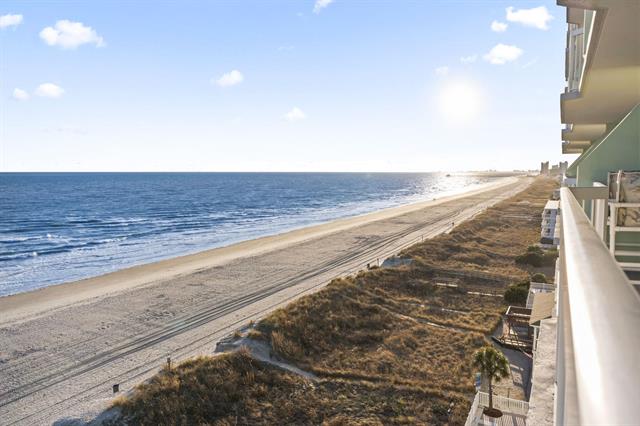
For retirees who want to wake up to an ocean view and walk to the beach each morning, oceanfront high-rise buildings along the main Myrtle Beach coastline offer the full coastal living experience. Buildings in the central Myrtle Beach and southern end areas tend to have full amenity packages including pools, hot tubs, fitness centers, and on-site management. Ocean Boulevard and the surrounding areas have the highest density of oceanfront options across multiple price points. Many of these buildings have active owner communities with social events and well-established rental management programs for owners who travel part of the year.

North Myrtle Beach — A Quieter Alternative

Retirees who prefer a slower pace often gravitate toward North Myrtle Beach, which offers the same coastal lifestyle in a less commercial environment. Communities in Cherry Grove, Ocean Drive, Crescent Beach, and Windy Hill have a neighborhood character that appeals to buyers who want oceanfront or ocean-view living without the resort-district noise of central Myrtle Beach. The Cherry Grove inlet area, in particular, is popular among retirees who enjoy fishing, boating, and a genuine beach town atmosphere. Explore available North Myrtle Beach condos for sale to see the range of options in this area.

Surfside Beach and Garden City — Small-Town FeelSurfside Beach
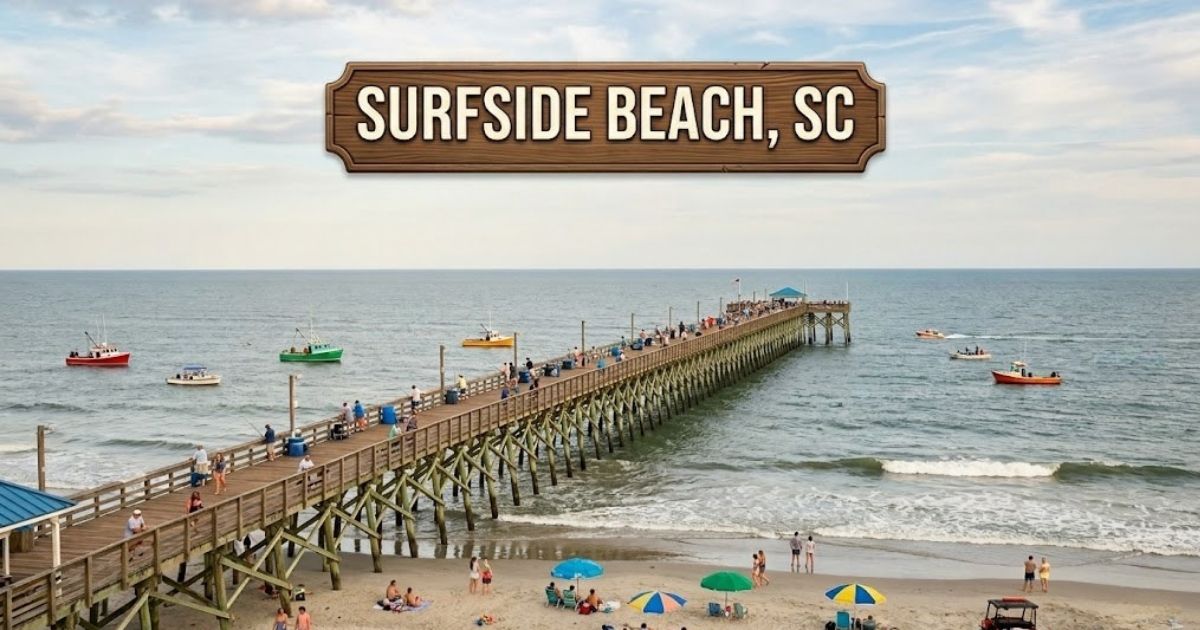
South of Myrtle Beach proper, Surfside Beach and Garden City Beach attract a significant number of retirees looking for a quieter community identity. Surfside Beach has positioned itself as "The Family Beach" for decades, but its combination of affordability, beach access, and lower density has made it very popular with retirees as well. Garden City Beach sits just south of Surfside and offers some of the most reasonably priced oceanfront condo options on the Grand Strand. Both areas have lower commercial activity, which many retirees find preferable to the busy central Myrtle Beach strip.

Murrells Inlet and Pawleys Island — Upscale Coastal Retirement

Further south, Murrells Inlet and Pawleys Island attract retirees seeking a more upscale, established coastal community. Murrells Inlet is famous for its Marshwalk and seafood restaurant row, and condo options here offer marsh views and a genuine fishing-village atmosphere. Pawleys Island is one of the oldest resort communities on the East Coast and has a distinctly traditional, low-key character that appeals to buyers looking for something more understated. Both communities offer easy access to golf, nature preserves, and the Brookgreen Gardens — a major cultural attraction and botanical garden.

Interior and Golf Course Condo Communities

Not every retiree wants to be on the beach. Many prefer the amenities of a golf course community — lower HOA fees, larger units, and layouts designed for full-time living rather than vacation stays. Carolina Forest, Market Common, and the interior areas of Myrtle Beach proper have condo communities built with year-round residents in mind. These offer easy access to shopping, medical facilities, and the airport while providing a quieter setting than oceanfront buildings. Market Common, in particular, has become a popular mixed-use community with walkable shopping and dining that retirees find appealing. See what's available across Myrtle Beach condos for sale for a complete picture of the market.

HOA Considerations Retirees Should Understand

Condo HOA fees in Myrtle Beach vary widely — from under $300/month in some interior buildings to over $1,000/month in full-service oceanfront towers. Before purchasing, retirees should review the HOA's reserve fund status, any pending special assessments, the building's insurance structure, and what the monthly fees actually cover. In oceanfront buildings, exterior wind and hail insurance is typically included in the HOA, which is a significant benefit given coastal insurance costs. In interior or golf course buildings, unit owners may carry more of their own insurance. Understanding the full cost of ownership — HOA, insurance, taxes, and utilities — is essential to accurate retirement budgeting. Explore popular condo types to understand which building styles best fit a retirement lifestyle.

Working With an Agent Who Knows Retirement Condo Buying

Retirement Condo Purchases

Retirement condo purchases involve layers of due diligence that go beyond what typical home sales require. An experienced agent who knows HOA financial health, building age and condition, flood zone implications, and the rental rules that affect resale value is essential. Abe Safa is a real estate agent with Century 21 The Harrelson Group, serving buyers, sellers, and investors throughout Myrtle Beach and the Grand Strand. With 38 years of local experience and over 1,300 closings, Abe brings a data-driven, client-first approach to every transaction. To connect with Abe, call or text (843) 360-2145.


Frequently Asked Questions

What makes a Myrtle Beach condo community ideal for retirees?
The best condo communities for retirees in the Grand Strand offer a combination of low-maintenance living, resort-style amenities, safety, and proximity to healthcare, dining, and recreational options. One-level or elevator-accessible units are important for long-term comfort, and communities with active social programming, fitness facilities, and walking distance to the beach rank consistently high among retiree buyers. HOA fees that cover exterior maintenance, landscaping, and building upkeep are also a significant draw for buyers who want to minimize hands-on property management.

Which areas of the Grand Strand are most popular with retirees buying condos?
North Myrtle Beach, Murrells Inlet, Pawleys Island, and the Market Common area of Myrtle Beach are consistently popular with retirees. These areas offer a quieter pace compared to the main Myrtle Beach strip, with excellent dining, golf, and community amenities. Oceanfront and ocean-view buildings in these areas attract buyers who want the coastal lifestyle without the congestion of the busiest tourist corridors. Market Common in particular has become a favorite for active retirees due to its walkable urban village design.

Are there age-restricted condo communities in the Myrtle Beach area?
Yes — there are 55+ communities in and around the Grand Strand, though they are more common in the inland and golf course areas than directly on the beach. Age-restricted communities typically offer strong amenity packages tailored to active adults, quieter environments, and residents with similar lifestyles. If a 55+ designation is important to you, that should be a primary search filter from the start, as these communities vary significantly in available unit types, price ranges, and HOA structures.

What HOA considerations are most important for retirees buying condos in the Grand Strand?
Retirees should pay close attention to what the HOA fee includes — ideally it should cover building insurance, exterior maintenance, water/sewer, amenities, and pest control, minimizing out-of-pocket surprises. Review the reserve fund health carefully, since retirees on fixed incomes are particularly vulnerable to unexpected special assessments. Also check the HOA's rules around rentals if you plan to generate income when you're not using the unit, as some retirement-oriented communities restrict or prohibit short-term rentals.

How do I find the right condo community for retirement in Myrtle Beach?
Start by defining your priorities: oceanfront vs. inland, active community vs. quiet retreat, rental income potential vs. purely personal use. Then work with a local real estate agent who specializes in the Grand Strand condo market and can walk you through communities that match your lifestyle and financial goals. Visiting in person — ideally during the off-season as well as peak season — gives you a much more accurate picture of what daily life in that community actually looks and feels like year-round.


Abe Safa

Abe Safa

Top Listing Agent | Century 21 Harrelson Group

Abe has lived in Myrtle Beach since 1988. He leads the Abe Safa Sales Team at Century 21 Harrelson Group, specializing in selling homes and condos across the Grand Strand. Known for aggressive marketing, sharp negotiation, calm leadership through closing, and an impeccable track record, putting him in the elite top 1% in the country for listing agents.

📞 (843) 360-2145  /  📧 asafa@c21harrelson.com

Posted in Buyer Tips
April 18, 2026

How to Market an Oceanfront Condo to Out-of-State Buyers

Selling an oceanfront condo is one thing. Selling it to a buyer who has never set foot in Myrtle Beach — and may be making a decision from a couch in Ohio or Michigan — is a different challenge entirely. Out-of-state buyers are a major force in the Myrtle Beach condo market, but reaching them, convincing them, and closing with them requires a different approach than a local sale.

Why Out-of-State Buyers Dominate the Myrtle Beach Market

A significant percentage of oceanfront condo buyers in Myrtle Beach come from the Midwest, the Northeast, and Canada. They're drawn by warm weather, rental income potential, and prices that are still attainable compared to Florida or the Outer Banks. Many are not full-time residents — they're buying vacation properties, retirement destinations, or income-generating rental units. Understanding this buyer profile shapes everything about how you market.

High-Quality Photography and Video Are Non-Negotiable

When a buyer can't visit in person before making an offer, the listing photos and video become the showing. Grainy smartphone photos kill sales. Professional photography that captures the ocean view, the natural light, the balcony, and the building amenities gives out-of-state buyers the visual confidence to move forward. A well-produced walkthrough video or 3D virtual tour elevates your listing above the competition and keeps remote buyers engaged longer.

Drone footage is especially effective for oceanfront properties. An aerial shot showing the direct beach access, the pool area, and the condo's proximity to the water communicates something no interior photo can — and for out-of-state buyers, that view is often the whole point.

Write for the Remote Buyer — Not the Local OneTargeting Online Buyers

A buyer in Myrtle Beach already knows where Ocean Boulevard is. A buyer in Indianapolis does not. Your listing description should orient the remote buyer: which section of the beach is this on, how far is it from the airport, what are the nearest restaurants and attractions, what is the rental history if applicable. Include details that locals take for granted — because your target buyer doesn't.

Mention HOA fees, short-term rental rules, building amenities (pool, hot tub, fitness center, parking), and any recent renovations. Out-of-state buyers need enough information to get comfortable from a distance. The more complete your listing, the fewer reasons they have to hesitate.

Price It Right for a Buyer Who Hasn't Seen It

Remote buyers are often more price-sensitive than local ones — not because they have less money, but because they're taking on more perceived risk. If your property is overpriced relative to comparable oceanfront units, out-of-state buyers will simply move on. They're not going to fly down to negotiate. Accurate pricing based on current market data — absorption rates, recent comps, days on market — is the difference between attracting offers and sitting. Learn more about the condo selling process and what it takes to position your unit for the right buyer pool.

Leverage the Rental Income Story

For many out-of-state buyers, the purchase only makes sense if the condo generates rental income to offset carrying costs. If your property has a strong rental history, document it. Show gross rental revenue, occupancy rates by season, and management fee structures. If the building allows short-term rentals and the unit is already on platforms like VRBO or Airbnb with reviews, that's a powerful selling tool. If you've worked with a professional management company, get a rental projection letter — it gives buyers a realistic financial picture and reduces their anxiety about the investment.

Reach Out-of-State Buyers Where They Are

Traditional yard signs don't reach buyers in Pittsburgh. Effective marketing to out-of-state buyers requires digital reach: strong MLS syndication, prominent placement on Zillow, Realtor.com, and Homes.com, targeted social media advertising, and real estate agent-to-agent networking. Many out-of-state buyers are represented by local agents in their home states who have relationships with Myrtle Beach agents. A well-networked listing agent has connections across buyer feeder markets and knows how to get your property in front of those buyers. You can also see what your Myrtle Beach condo might be worth as a starting point for pricing conversations.

E-docs and buyersMake the Remote Transaction Easy

Out-of-state buyers often worry about the logistics: inspections, title companies, contract signing, coordination without being present. A good listing agent removes those friction points. They manage the inspection process, coordinate with remote buyer agents, handle document signing electronically, and keep both sides informed throughout. The smoother the experience, the more confident out-of-state buyers feel — and confidence closes deals.


Frequently Asked Questions

Why is marketing to out-of-state buyers so important for Myrtle Beach condo sellers?
The majority of oceanfront condo buyers in Myrtle Beach come from out of state — primarily from the Northeast, Midwest, and mid-Atlantic regions. These buyers are purchasing a vacation home, second residence, or investment property, and most will never visit the property before making an offer. That means your listing must do all the work of a showing through photos, video, and written content. Sellers who understand this dynamic and invest in buyer-focused marketing consistently achieve better results than those who treat it like a local sale.

What digital marketing strategies work best for reaching out-of-state condo buyers?
High-quality professional photography and drone video are essential starting points. Beyond photography, targeted social media advertising to audiences in feeder markets (Ohio, Pennsylvania, New York, Michigan) can be extremely effective. Strong MLS syndication to Zillow, Realtor.com, and Homes.com ensures your listing reaches buyers actively searching in the Grand Strand market. Email marketing to buyer databases maintained by local agents is another channel that out-of-area agents simply cannot replicate.

What information do out-of-state buyers need that local buyers already know?
Out-of-state buyers often need detailed context that locals take for granted: flood zone designations, hurricane preparedness, HOA rental rules, how condo insurance works in South Carolina, peak vs. off-season conditions, and how the Grand Strand geography is laid out. A listing description and agent who proactively answer these questions builds trust and reduces the friction that causes remote buyers to hesitate or walk away.

How do virtual tours help sell oceanfront condos to remote buyers?
Virtual tours — particularly 3D walkthroughs and well-produced video tours — give out-of-state buyers the confidence to make offers without an in-person visit. For oceanfront condos where the view is a key selling point, a well-shot video opening on the balcony with ocean views can be the emotional trigger that moves a buyer from interested to committed. Listings with virtual tours consistently generate more inquiries from out-of-state buyers and tend to sell faster than photo-only listings.

What should I look for in a listing agent when selling to out-of-state buyers?
Choose an agent with a proven track record of selling to remote buyers — one who has an established digital marketing program, a buyer database in feeder markets, and experience guiding out-of-state clients through the purchase process remotely. Ask how they handle virtual tours and coordinating inspections and closing for buyers who cannot be present. The right agent will have systems in place specifically for this type of sale.


Work With an Agent Who Knows This Market

Abe Safa is the team leader of the Abe Safa Sales Team at Century 21 The Harrelson Group in Myrtle Beach, SC. With 38 years of Grand Strand experience and over 1,300 closings in the Grand Strand market, Abe has worked extensively with both local sellers and out-of-state buyers. He understands the rental income dynamics, the HOA nuances, the oceanfront pricing factors, and the marketing strategies needed to reach qualified buyers no matter where they're located. When you're selling an oceanfront condo in Myrtle Beach, having an experienced, data-driven agent on your side makes a measurable difference in how fast you sell and what price you achieve. Call or text Abe at (843) 360-2145.

Abe Safa

Abe Safa

Top Listing Agent | Century 21 Harrelson Group

Abe has lived in Myrtle Beach since 1988. He leads the Abe Safa Sales Team at Century 21 Harrelson Group, specializing in selling homes and condos across the Grand Strand. Known for aggressive marketing, sharp negotiation, calm leadership through closing, and an impeccable track record, putting him in the elite top 1% in the country for listing agents.

📞 (843) 360-2145  /  📧 asafa@c21harrelson.com

Posted in Seller Tips
April 17, 2026

Navigating Myrtle Beach Condo Regulations: An Expert's Checklist

buying a condo in Myrtle Beach?Buying a condo in Myrtle Beach involves a layer of regulatory and documentation complexity that single-family home buyers rarely encounter. From HOA rules and rental restrictions to state disclosure requirements and building-level financing eligibility, there's a lot to get right before you close. This checklist covers the most important items — and what to watch for at each stage.


Before You Make an Offer: Building-Level Due Diligence

Before submitting an offer on any condo, you should know the answers to several key questions about the building itself. First, is the building warrantable — meaning does it qualify for conventional financing through Fannie Mae or Freddie Mac? Non-warrantable buildings (often those with a high concentration of investor-owned units or hotel-style rental programs) require portfolio lenders or cash purchases, which can affect your financing options and resale market later.

Second, what is the HOA's financial health? Request the most recent reserve study, the current reserve funding percentage, and any history of special assessments. A building with underfunded reserves is a financial risk — the gap will eventually be closed by levying assessments against unit owners. Third, what are the rental restrictions? Some buildings prohibit rentals shorter than 30 days; others require you to use an in-house rental program. These rules affect both your use of the property and its value to future buyers. Understand the range of popular condo types to know what category your target building falls into.

During the Offer Period: What to Include in Your Contract

South Carolina requires sellers to provide HOA documents, including the declaration, bylaws, rules and regulations, and the most recent financial statements, within a specified period after contract ratification. You have the right to review these documents and terminate the contract if you find issues — but you need to know your review deadline and exercise that right within the window.

Your contract should include appropriate contingencies: a financing contingency if you're not paying cash, an inspection contingency, and an HOA document review contingency. If the building has had known issues — pending litigation, recent flooding, a troubled rental program — make sure those are addressed in the due diligence process before you proceed.

The HOA Document Review: What to Look ForHOAS

When you receive the HOA documents, focus on several key areas. Review the meeting minutes from the past 12–24 months for any discussion of major repairs, litigation, insurance issues, or assessment proposals. Check the financial statements for reserve fund balance, operating fund balance, and any outstanding loans taken by the HOA. Review the rules and regulations carefully for any restrictions on rentals, pets, parking, or modifications that affect how you intend to use the property.

Also check the insurance certificate for the building's master policy — specifically whether it includes "all-in" or "bare walls" coverage, which affects how much individual unit coverage you'll need to carry. Explore the range of Myrtle Beach condo projects to understand the variety of building types and management structures you may encounter.

Rental Program Regulations

If you intend to rent your unit, you need to understand the regulatory environment at every level: state, county, HOA, and building management. South Carolina has regulations governing short-term rentals, and Horry County has its own licensing requirements for rental properties. Your HOA may have additional restrictions. And if your building uses a hotel-style rental program, there are often specific terms governing how units must be furnished, what percentage of rental income goes to the management company, and what blackout periods you can use the unit yourself.

For investors, the choice of rental property management approach is one of the most consequential decisions you'll make — affecting your net income, your time investment, and your relationship with the building management.

Closing and Post-Closing Compliance

At closing, you'll receive a closing disclosure that should reconcile all credits, debits, and pro-rated HOA fees. Make sure the HOA fee proration is accurate based on the closing date. If the unit has an active rental program, understand the transition process — how existing bookings are handled, how rental income is distributed, and when you'll receive your first statement.

Post-closing, register with the HOA as the new owner, obtain the building's master policy certificate to purchase appropriate supplemental insurance, and if applicable, complete any rental licensing requirements through Horry County and the State of South Carolina. Many buyers skip these post-closing steps and encounter complications when they try to rent the unit or make a claim.

Frequently Asked Questions

What is the HOA document review period in South Carolina?

In South Carolina, buyers of resale condos typically have a review period specified in the contract — often five to seven business days from receipt of the HOA documents — during which they can terminate the contract without penalty based on their review. The specific period should be clearly defined in your purchase agreement.

What makes a condo building "non-warrantable"?

Fannie Mae and Freddie Mac have specific requirements for condo building eligibility. Buildings can be non-warrantable for several reasons: a high percentage of units owned by a single investor or entity, a significant portion of units used as commercial rentals (condotels), pending HOA litigation, inadequate insurance coverage, or a building that is not yet fully occupied after construction. Non-warrantable status requires alternative financing arrangements.

Do I need separate insurance if the building has a master policy?

Yes, in almost all cases. The building's master policy covers the common areas and the structure, but individual unit policies cover your personal property, interior improvements, and liability. If the master policy is "bare walls," you also need coverage for fixtures and finishes within your unit. Your insurance agent can review the master policy and advise on appropriate supplemental coverage.


Abe Safa

Abe Safa

Top Listing Agent | Century 21 Harrelson Group

Abe has lived in Myrtle Beach since 1988. He leads the Abe Safa Sales Team at Century 21 Harrelson Group, specializing in selling homes and condos across the Grand Strand. Known for aggressive marketing, sharp negotiation, calm leadership through closing, and an impeccable track record, putting him in the elite top 1% in the country for listing agents.

📞 (843) 360-2145  /  📧 asafa@c21harrelson.com

Posted in Buyer Tips
April 16, 2026

Essential Checklist for First-Time Myrtle Beach Condo Buyers

New Buyers Checklist

Buying a condo in Myrtle Beach for the first time is exciting — but without the right preparation, it can also beoverwhelming. The local market has unique characteristics that first-time buyers don't encounter in other real estate transactions: condo association rules, rental restrictions, special financing requirements, and building-specific issues that can make or break a deal. This checklist covers the essentials before you make an offer.

1. Get Pre-Approved Before You Start Looking

Pre-approval is non-negotiable in a competitive beach market. It tells sellers you're a serious buyer and gives you a realistic budget ceiling. More importantly, it forces a conversation with your lender about what types of properties qualify — because not every condo in Myrtle Beach can be financed with a conventional loan. Condotel buildings, non-warrantable condo complexes, and some investor-heavy buildings require specialized financing. Know this before you fall in love with a unit your lender can't touch.

2. Understand the HOA Inside and Out

Every condo purchase comes with an HOA. Before you make an offer, get answers to these questions: What are the monthly fees, and what do they cover? Are there any pending special assessments? What's the status of the reserve fund — is it adequately funded? Have there been any major repairs or capital projects in the last five years, and are any coming? Are short-term rentals (Airbnb, VRBO) permitted or restricted? What are the rules on pets, parking, and unit modifications?

A surprise special assessment after closing can run tens of thousands of dollars. Review the HOA's financials and meeting minutes before you commit.

3. Review the Condo Association Documents

In South Carolina, sellers are required to provide condo association documents as part of the disclosure process. These include the bylaws, rules and regulations, master insurance policy, and financial statements. Read them — or have your attorney review them. Pay attention to rental restrictions, owner-occupancy ratios (which affect financing), and any language about upcoming projects or litigation.

4. Research the Building's History

Ask about the building's age, any major renovation projects, hurricane or storm damage history, and roof/elevator/HVAC replacement schedules. Older buildings can be well-maintained or poorly maintained — the difference shows in the reserves and the condition of common areas. Browse Myrtle Beach condo projects to get a sense of what different buildings offer before narrowing your search.

5. Understand Insurance Requirements

Condo insurance in a coastal market is more complex than standard homeowner's insurance. You'll need to understand what the master policy covers (typically the building structure and common areas) versus what you're responsible for (your unit's interior, personal property, and liability). In some buildings — especially condotels — the master policy is commercial, which affects what your individual unit policy must cover. Factor insurance costs into your monthly budget before closing.

6. Factor In All Monthly Costs

Your total monthly cost isn't just your mortgage payment. Add HOA fees, insurance, property taxes (which may vary if you're claiming homestead exemption vs. investment property), and any utility costs not covered by the HOA. If you're planning to rent the unit, also factor in property management fees and vacancy periods. Use the recently sold properties data as a benchmark for realistic market values before calculating your return assumptions.

7. Get a Thorough Inspection

Don't skip the inspection or minimize it to save money. A condo inspection should cover your unit's HVAC, plumbing, electrical, windows, doors, and any visible structural elements. It may also identify issues with balconies, sliding doors, or moisture intrusion — all common in a coastal environment with high humidity and salt air. Issues found during inspection give you negotiating leverage or, in serious cases, a reason to walk away.

8. Understand the Rental Landscape Before Buying

If part of your plan is to offset ownership costs with rental income, verify the actual rental performance of comparable units — not just what a management company promises. Occupancy rates, average nightly rates, and management fees vary significantly by building, location, and unit type. Check the Myrtle Beach real estate market report for current market conditions and absorption data that can help contextualize your investment assumptions.

9. Work With a Local Agent Who Knows Condos

Condo transactions in Myrtle Beach have nuances that out-of-area agents and general residential agents often miss. You want someone who understands condotel financing, HOA document review, building-specific quirks, and the local market dynamics across different price points and neighborhoods. The right agent will flag issues before they become problems and help you avoid common first-time buyer mistakes.


Frequently Asked Questions

What is the most important first step for a first-time Myrtle Beach condo buyer?
Get pre-approved for financing before you start seriously shopping. Condo financing in Myrtle Beach has specific requirements — many buildings are not approved for conventional mortgages due to high investor concentration, short-term rental programs, or condotel status. Knowing your financing options and getting pre-approved narrows your search to buildings where you can actually close, and puts you in a much stronger position when you're ready to make an offer.

What HOA documents should first-time condo buyers review before purchasing?
Request and read the CC&Rs, bylaws, current budget, reserve study, reserve fund balance, and the last two years of board meeting minutes. These documents tell you what you can and cannot do with the unit (pets, rentals, renovations), how financially healthy the association is, and whether any major expenses or special assessments are on the horizon. Many first-time buyers skip this step and are surprised by restrictions or costs after closing.

How is buying a condo in Myrtle Beach different from buying a house?
With a condo, you own your unit but share ownership of common areas with all other owners through the HOA. This means monthly HOA fees, shared responsibility for building maintenance, and rules you must follow regarding use of the property. You also need to understand what the building's master insurance covers versus what you need to cover with your own HO-6 policy. In a beach market, factors like flood zones, hurricane exposure, and seasonal rental demand add additional layers of due diligence compared to a standard home purchase.

What are the biggest mistakes first-time condo buyers make in the Grand Strand?
The most common mistakes are: not researching the building's financials before falling in love with a unit, underestimating monthly carrying costs (HOA + insurance + taxes can add $1,000–$2,000/month on top of the mortgage), not verifying short-term rental rules before buying as an investment, and choosing an agent who doesn't specialize in condo transactions. Each of these can be avoided with proper due diligence and the right local guidance.

Do I need a local real estate agent to buy a condo in Myrtle Beach?
Strongly yes — especially as a first-time buyer. A local agent who specializes in Grand Strand condos knows which buildings are easy or difficult to finance, which have strong rental histories, which have pending assessments, and which HOA rules might affect your plans. They can also guide you through inspection coordination, title review, and the closing process in South Carolina, which has its own specific requirements. The seller pays the buyer's agent commission in most transactions, so this expertise typically costs you nothing out of pocket.

Abe Safa

Abe Safa

Top Listing Agent | Century 21 Harrelson Group

Abe has lived in Myrtle Beach since 1988. He leads the Abe Safa Sales Team at Century 21 Harrelson Group, specializing in selling homes and condos across the Grand Strand. Known for aggressive marketing, sharp negotiation, calm leadership through closing, and an impeccable track record, putting him in the elite top 1% in the country for listing agents.

📞 (843) 360-2145  /  📧 asafa@c21harrelson.com

Posted in Buyer Tips
April 15, 2026

The Ultimate Guide to Buying an Oceanfront Condo in Myrtle Beach

oceanfront ownershipOwning an oceanfront condo in Myrtle Beach is one of the most rewarding real estate decisions a person can make — waking up to the sound of waves, walking to the beach in minutes, and building equity in a property that also generates vacation rental income.
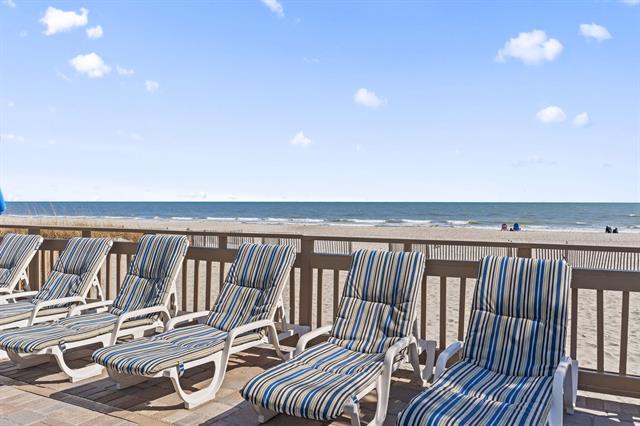
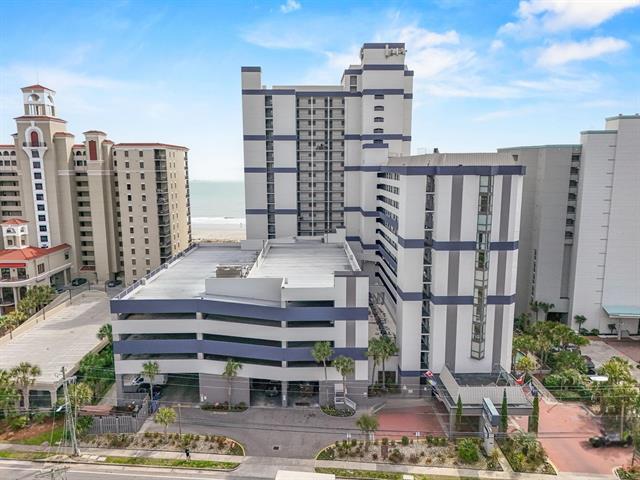
It is also important to understand that buying oceanfront is can be more complex than purchasing a standard condo.

This ultimate guide covers everything you need to know before you sign a contract.

Define Your Primary Purpose First

Are you buying primarily as a personal vacation retreat, a full-time residence, or an investment property? Your answer shapes every decision that follows. Personal use buyers may prioritize amenities and layout above all else. Investment buyers need to analyze rental yield, HOA rules around renting, and occupancy data. Buyers doing both need to find properties that balance personal enjoyment with rental performance — and those exist throughout the Grand Strand.

Understanding Oceanfront vs. Ocean View vs. Ocean Sideoceanfront vs oceanside

These distinctions matter enormously to both value and lifestyle. True oceanfront means your building sits directly on the beach with unobstructed views from your unit. Ocean view means you can see the ocean, but may not be directly on it. Ocean side means your building is on the ocean side of a highway but may have partial or no water view. Price differences between these categories can be dramatic — know exactly what you're buying before you make an offer.

Browse available Myrtle Beach condos for sale and filter by your preferred location and ocean proximity to see the current inventory across all categories.

Financing Oceanfront Condos: What to Know

Financing an oceanfront condo can be more complex than a standard residential purchase. Some condo buildings — particularly "condotels" that operate like hotels — are not eligible for conventional Fannie Mae/Freddie Mac financing. Buildings with high investor concentration (typically more than 35-50% of units owned as non-primary residences) can also face conventional financing restrictions. Before you fall in love with a specific unit, have a lender pre-screen the building for financing eligibility. Cash buyers face no such restrictions.

HOA Financial Health: The Due Diligence That Most Buyers Skip

The HOA is responsible for maintaining the building you're buying into. A poorly managed HOA with underfunded reserves can mean special assessments — unexpected one-time charges that can run from a few thousand to tens of thousands of dollars. Request the HOA's reserve study, most recent financial statements, and meeting minutes. Look for a reserve fund adequately funded at 70% or higher, no pending litigation, and no announced special assessments.

Insurance: The Cost That Surprises Many Buyers

Oceanfront properties require robust insurance coverage — and premiums have risen significantly in coastal markets. Budget for flood insurance (often required by lenders), wind/hurricane coverage, and the HOA's master insurance policy. Review the HOA's master policy carefully to understand what it covers versus what you'll need in your individual unit policy. Insurance costs can meaningfully impact your overall ownership economics and should be factored into your purchase analysis.

Rental Rules and Income Potential

Not all oceanfront condos allow short-term rentals, and those that do have varying rules about minimum stay periods, rental management requirements, and revenue sharing with the HOA. Verify the rental rules before purchasing if income is part of your plan. For properties that do allow rentals, request historical rental data from the seller or rental management company. Gross annual rental income on popular oceanfront units can be substantial — but don't rely solely on projected numbers without verification.

Visit the buying page for a comprehensive overview of the purchase process, buyer resources, and current market conditions for Myrtle Beach condos.

Choosing the Right Building and Floor

Not all floors are equal. Higher floors typically offer better views and command premium prices. Lower floors are sometimes preferred by families with young children or buyers who want easier beach access. Corner units offer additional windows and views but may also have more exterior wall exposure. Understanding these nuances — and which buildings have the best track records for maintenance and management — is where an experienced local agent becomes invaluable.

Work With a Local Specialist

Buying oceanfront is not a transaction for a generalist agent. The financing nuances, HOA documentation requirements, building-specific quirks, and negotiation strategy all benefit from deep local expertise. Abe Safa has specialized in Grand Strand condo sales for 38 years, with over 1,300 closings. That depth of experience means your purchase is guided by someone who has seen virtually every scenario — and knows how to protect your interests at every step.


Frequently Asked Questions

What should I look for when buying an oceanfront condo in Myrtle Beach?

Focus on four key areas: building financial health (reserve fund adequacy, HOA stability), unit condition (HVAC age, appliances, balcony integrity), rental income history if it's an investment, and floor level versus view trade-offs. Oceanfront units on higher floors with unobstructed views command premium prices and stronger rental demand — but always verify that the balcony and exterior have been properly maintained against salt-air corrosion.

How do financing rules differ for oceanfront condos compared to inland properties?

Oceanfront condo financing is more complex. Lenders evaluate the building's owner-occupancy ratio, litigation history, reserve funding, and whether the building is warrantable under Fannie Mae or Freddie Mac guidelines. Many oceanfront buildings in Myrtle Beach are non-warrantable, requiring portfolio lenders with higher down-payment requirements. Working with a lender experienced in coastal condo financing is essential.

Are there special insurance requirements for oceanfront condos in South Carolina?

Yes. Buyers must carry wind and hail insurance in addition to standard homeowners coverage, and flood insurance through NFIP or a private carrier is typically required. The HOA's master policy covers the building structure, but individual unit owners are responsible for interior coverage. Review the master policy carefully to understand what is and isn't included before closing.

What are the most common mistakes buyers make when purchasing an oceanfront condo?

The most common mistakes include skipping a professional inspection (salt-air damage is often hidden), underestimating HOA fee increases, failing to review the building's reserve study, and relying on seller-provided rental income projections without verifying actual net numbers. Buyers also frequently overlook special assessments that may be pending or recently approved by the HOA board.

How does an oceanfront condo hold its value compared to other Myrtle Beach properties?

True oceanfront condos — especially in well-maintained buildings with strong rental programs — have historically held value better than inland or ocean-view properties during market downturns. Limited oceanfront inventory and consistent vacation demand create a natural price floor. However, building age, HOA financial health, and deferred maintenance can significantly impact long-term appreciation.

Abe Safa

Abe Safa

Top Listing Agent | Century 21 Harrelson Group

Abe has lived in Myrtle Beach since 1988. He leads the Abe Safa Sales Team at Century 21 Harrelson Group, specializing in selling homes and condos across the Grand Strand. Known for aggressive marketing, sharp negotiation, calm leadership through closing, and an impeccable track record, putting him in the elite top 1% in the country for listing agents.

📞 (843) 360-2145  /  📧 asafa@c21harrelson.com

Posted in Buyer Tips
April 14, 2026

Expert Market Forecast: Where Myrtle Beach Real Estate is Heading Next

Myrtle Beach real estate has proven remarkably resilient over the decades — weathering national recessions, rising interest rate cycles, and shifting demographic trends while continuing to attract buyers from across the country. But what lies ahead? Based on current data, long-term demographic shifts, and decades of firsthand market observation, here is my expert forecast for where Grand Strand real estate is heading next.

Sustained Demand from Migration TailwindsMyrtleBeach Lifestyle

The single most powerful force driving Grand Strand real estate values is domestic migration. Americans continue to leave high-tax, high-cost states — particularly in the Northeast and Midwest — in search of warmer climates, lower property taxes, and a lower cost of living. South Carolina consistently ranks among the top destination states for this migration, and Myrtle Beach's combination of beach access, amenities, and relatively affordable real estate makes it a primary target.

This migration trend is not a short-term blip. It reflects fundamental lifestyle priorities — particularly among retiring Baby Boomers and remote workers — that are structural rather than cyclical. As long as these dynamics hold, Grand Strand real estate demand will remain supported.

Inventory Constraints Supporting Prices

New construction along the oceanfront is physically constrained. There is simply no more oceanfront land to develop. This supply ceiling, combined with strong demand, creates a fundamental support for oceanfront and ocean-adjacent condo values. While inland and new-construction communities may see more price competition as homebuilders respond to demand, true oceanfront product has a natural scarcity premium that isn't going away.

Review the latest Myrtle Beach real estate market report for current data on inventory levels, days on market, and median price trends.

Interest Rate Normalization and Buyer Readiness

The interest rate environment of 2023-2024 created a significant affordability headwind and slowed transaction volume across the market. However, as rates have begun to moderate, pent-up buyer demand is starting to release. Many buyers who paused their search are re-entering the market with serious intent. This "thaw" effect is likely to translate into increased activity and continued price support in the near term.

For buyers who purchased during the high-rate period, the opportunity to refinance as rates improve adds another layer of long-term value. For buyers on the sidelines, waiting for the "perfect" rate while prices move upward may cost more than expected.

The Short-Term Rental Market Remains Strong

Myrtle Beach's vacation rental market — fueled by platforms like Airbnb and VRBO — has transformed what it means to own investment real estate here. Properties that generate significant vacation rental income dramatically improve the investment case for buyers. This dynamic continues to draw investor-buyers who might otherwise consider other markets, supporting demand for well-located condos with strong rental histories.

North Myrtle Beach and Southern Beaches: Appreciation Pockets

While the Myrtle Beach core market is well-established, areas like Cherry Grove, Crescent Beach, Surfside Beach, and Garden City Beach continue to show appreciation potential as buyers seeking slightly less congested environments discover their value. Check out available North Myrtle Beach condos for sale to see the inventory in one of the market's most active submarkets.

What Sellers Should Know

Sellers in today's market need to price strategically. The era of simply listing at a dream number and waiting for multiple offers has largely passed in the current rate environment. Properly priced properties are still selling well and in reasonable timeframes. Overpriced listings sit, accumulate days on market, and eventually require price reductions that hurt final proceeds. An experienced agent with real-time data is essential for hitting the right number from day one.

What Buyers Should Know

Buyers who have been waiting for a dramatic price correction will likely be disappointed — the migration-driven demand and supply constraints that support values here are not going away. The better strategy is to identify your criteria, act decisively when the right property appears, and remember that long-term appreciation in the Grand Strand has historically rewarded buyers who moved with conviction. Browse properties currently listed to see what the Myrtle Beach housing market is offering right now.


Frequently Asked Questions

Is Myrtle Beach real estate expected to go up or down in the next few years?

The long-term trajectory for Myrtle Beach real estate remains positive, driven by sustained in-migration from the Northeast and Midwest, continued retiree demand, and limited oceanfront inventory. While short-term interest rate pressure has moderated price appreciation, the fundamentals — population growth, lifestyle appeal, and a strong tourism economy — support a stable to rising market over the next three to five years.

What types of properties are most in demand in the Grand Strand right now?

Single-family homes priced between $300,000 and $500,000 in master-planned communities continue to see the strongest demand. Oceanfront condos in well-maintained buildings with documented rental income also attract strong buyer interest, particularly from out-of-state investors. Properties in the $600,000+ range are moving more slowly as higher rates compress luxury buyer pools.

How are rising interest rates affecting the Myrtle Beach real estate market?

Higher rates have reduced affordability for some buyers and extended days-on-market compared to the 2021–2022 peak. However, cash buyers — who represent a larger share of the Grand Strand market than the national average — remain active. Sellers who price accurately are still closing, while overpriced listings are sitting longer and requiring reductions before selling.

Are new construction homes still a good buy in Myrtle Beach?

New construction remains competitive in certain submarkets where builders are offering incentives such as rate buydowns, closing cost assistance, and design upgrades. However, buyers should carefully compare total cost of ownership against resale homes in the same area, since new construction in some planned communities carries higher HOA fees and CDD assessments that affect long-term affordability.

What neighborhoods or areas in the Grand Strand are positioned for the most appreciation?

Areas along the northern Grand Strand — including Little River, Longs, and parts of North Myrtle Beach — continue to attract value-oriented buyers priced out of more established corridors. The Carolina Forest and Market Common areas remain popular with families relocating from higher-cost states. Oceanfront and direct ocean-view properties in any submarket are projected to hold value better than inland alternatives.

Abe Safa

Abe Safa

Top Listing Agent | Century 21 Harrelson Group

Abe has lived in Myrtle Beach since 1988. He leads the Abe Safa Sales Team at Century 21 Harrelson Group, specializing in selling homes and condos across the Grand Strand. Known for aggressive marketing, sharp negotiation, calm leadership through closing, and an impeccable track record, putting him in the elite top 1% in the country for listing agents.

📞 (843) 360-2145  /  📧 asafa@c21harrelson.com

Posted in Buyer Tips
April 13, 2026

Beach Colony Resort and Beyond: Highlighting Premium Condo Options

Beach Colony ResortBeach Colony Resort is one of the Grand Strand's most recognizable oceanfront addresses—and it's not alone.
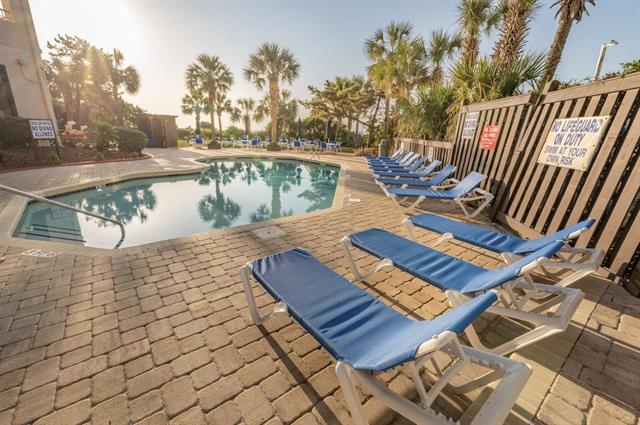
Myrtle Beach and the surrounding areas offer a wide range of premium condo options for buyers seeking waterfront lifestyle, rental income, or both.

beach colony pools

Beach Colony Resort: What Makes It Stand Out

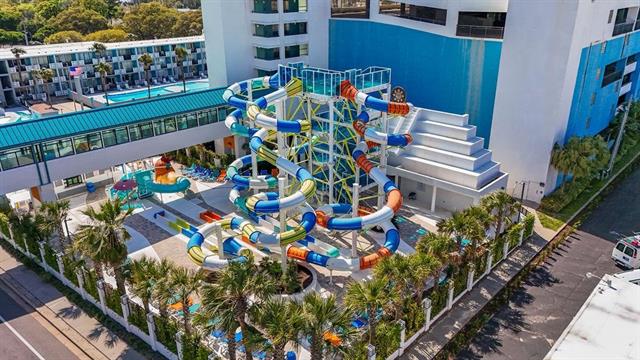
Beach Colony Resort features high-rise towers with direct oceanfront access, a large selection of indoor and outdoor pools, lazy rivers, and fully furnished units that perform well as vacation rentals.

Units range from studios to multi-bedroom suites, and the building's strong rental history makes it popular with investors.

Similar Premium Resorts Worth Considering

If Beach Colony is on your radar, there are other comparable properties worth exploring: Ocean Creek Resort (oceanfront with a park-like setting), Avista Resort (ocean-view towers in North Myrtle Beach), and Myrtle Beach Resort (a sprawling complex on the south end with resort-style amenities). Each offers a different experience in terms of unit size, HOA fees, and rental potential.

What Buyers Should Evaluate

Premium resorts come with premium HOA fees. Before purchasing, review the budget, reserve fund, recent special assessments, and rental restrictions carefully. Some buildings limit short-term rentals or require management through on-site programs. Understanding these details before you make an offer prevents costly surprises.

Investment vs. Primary Residence Buyers

For investment buyers, focus on occupancy data, average nightly rates, and net income after HOA and management fees. For lifestyle buyers, proximity to amenities, floor plan, and building condition matter most. Visit popular condo types for a breakdown of building categories and what each typically offers.

Browse the full selection of Myrtle Beach condos for sale to see what's currently available across price points. For a closer look at which resort communities are active in the market, explore Myrtle Beach condo projects by area and building.

Frequently Asked Questions

What makes Beach Colony Resort a premium condo option in the Grand Strand?
Beach Colony Resort is one of the most recognized oceanfront condominium complexes on the northern Grand Strand, known for its direct beachfront location, resort-style amenities, and mix of unit types. The building attracts both vacation rental investors and buyers seeking a second home, given its combination of on-site amenities, established rental history, and proximity to both North Myrtle Beach and the main Myrtle Beach corridor. Units here tend to hold value well due to consistent demand.

What amenities do premium Grand Strand condo buildings typically offer?
Top-tier condo buildings in Myrtle Beach and the Grand Strand generally feature indoor and outdoor pools, lazy rivers, hot tubs, fitness centers, on-site dining or snack bars, direct beach access, covered parking, and elevators. Some buildings also offer concierge services, meeting rooms, game rooms, and on-site rental management programs. The quality and condition of these amenities directly impact nightly rental rates, occupancy, and resale values — making them a key evaluation factor when comparing buildings.

How do I compare different premium condo buildings in the Grand Strand?
Key comparison points include location (oceanfront vs. ocean view vs. off-beach), building age and condition, HOA fees and reserve fund health, rental restrictions, current rental income data, recent sales comps, and the quality of on-site management if you plan to rent. Visiting buildings in person and reviewing HOA financials are essential steps. A local agent with deep knowledge of specific buildings can provide insight that goes well beyond what's visible in a listing photo.

Are premium condo buildings better investments than less well-known ones?
Not always — premium buildings command higher purchase prices that can compress cap rates, even with strong rental income. Some lesser-known but well-maintained buildings in prime locations outperform famous names on a cash-on-cash basis. The best investment is often the building that combines a strong rental track record, reasonable HOA fees, a healthy reserve fund, and a price that leaves room for return. Brand recognition helps with bookings, but the financials should always drive the decision.

Should I work with a local agent when buying in a specific Grand Strand condo building?
Absolutely. Local agents who specialize in the Grand Strand condo market know which buildings have had recent special assessments, which are easier to finance, which have rental restrictions, and which have a history of strong or weak rental performance. This building-specific knowledge is impossible to get from an out-of-area agent or from online listings alone. The right agent will help you avoid costly surprises and find the unit that best matches your goals.

Abe Safa

Abe Safa

Top Listing Agent | Century 21 Harrelson Group

Abe has lived in Myrtle Beach since 1988. He leads the Abe Safa Sales Team at Century 21 Harrelson Group, specializing in selling homes and condos across the Grand Strand. Known for aggressive marketing, sharp negotiation, calm leadership through closing, and an impeccable track record, putting him in the elite top 1% in the country for listing agents.

📞 (843) 360-2145  /  📧 asafa@c21harrelson.com

Posted in Buyer Tips
April 12, 2026

What Sets Century 21 The Harrelson Group Apart in the Grand Strand

Last updated: August 2026

Century 21 The Harrelson Group is one of the Grand Strand's highest-producing real estate brokerages — 438 licensed agents across 10 offices in the Carolinas, closing 3,142 transaction sides and over $1 billion in sales volume in its most recent RealTrends-reported year. Its top listing agents include Abe Safa, who leads the Abe Safa Sales Team within the brokerage — over 1,564 closed transactions in 11 years as a licensed Grand Strand agent, roughly 113 closings in the last 12 months alone, on properties from $39,000 to $2.7 million.

Key Takeaways:

  • Century 21 The Harrelson Group runs 438 licensed agents across 10 offices in the Carolinas, closing 3,142 transaction sides and $1.01 billion in volume in its most recent RealTrends-reported year.
  • The Abe Safa Sales Team operates within the brokerage and has closed over 1,564 transactions in 11 years — an average of more than 140 a year.
  • In the last 12 months alone, Abe Safa closed roughly 113 deals, ranging from $39,000 condos to a $2.7 million sale, with an average sale price around $293,000.
  • Sellers who list with Abe get two written guarantees: the Easy Exit Listing Agreement and the 60-Day Sale Guarantee (he pays your attorney fee and deed stamps, up to 1% of sale price, if you're not under contract in 60 days).
  • Coverage runs the full Grand Strand — Myrtle Beach and Downtown, North Myrtle Beach, Grande Dunes, Barefoot, Conway, Burgess, Surfside Beach, and beyond.

What Makes Century 21 The Harrelson Group Different?

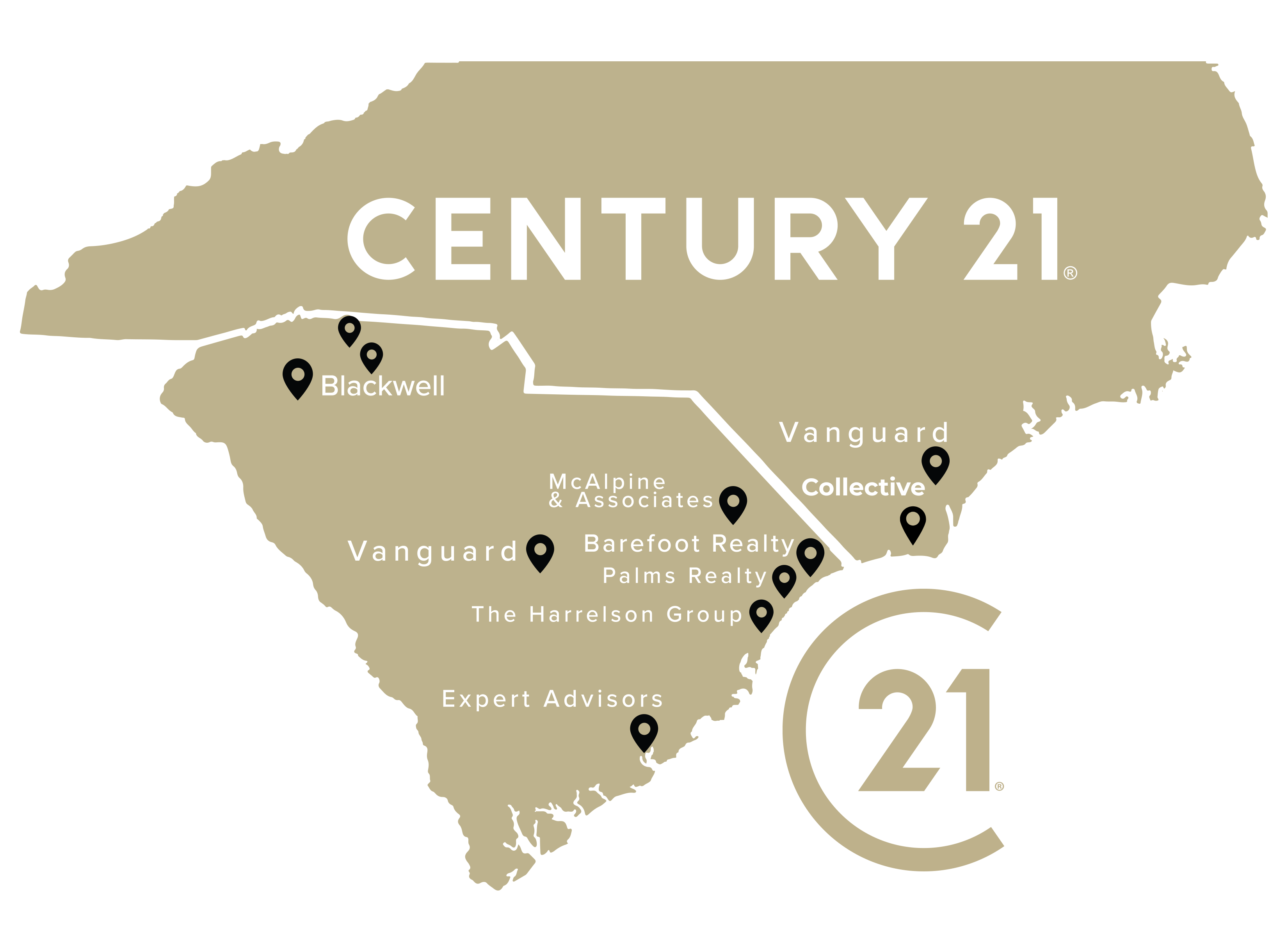
Century 21 The Harrelson Group Grand Strand offices mapThe short answer: scale plus culture. Founded in 1999, the Harrelson Group has grown to 438 licensed agents across 10 offices in South and North Carolina, closing more than 3,100 transaction sides and over $1 billion in sales volume in its most recent RealTrends-reported year — while running the daily training, coaching, and accountability systems most Grand Strand offices simply don't have. That matters to sellers for a practical reason: the agent you hire arrives with current market data, live buyer demand from an office full of active agents, and negotiation reps that only come from constant closing volume.
It also means the brokerage produces specialists. Rather than every agent doing a little of everything, the Harrelson Group's structure lets teams go deep on one lane — which is exactly how the Abe Safa Sales Team became the brokerage's condo-selling arm.

Who Are the Top Agents at Century 21 The Harrelson Group?

For home and condo sellers, the name to know is Abe Safa. Abe leads the Abe Safa Sales Team within Century 21 The Harrelson Group and ranks in the top 1% of listing agents in the country, with over 1,564 closed transactions across 11 years on the Grand Strand. In the last 12 months, his team closed roughly 113 sales — everything from a $39,000 condo to a $2.7 million property — with an average sale price around $293,000. That range matters: it means the same pricing and marketing systems that move oceanfront luxury also move entry-level investment condos, and vice versa.

A Myrtle Beach local since 1988, Abe built his team around selling — aggressive marketing, sharp negotiation, and calm leadership through closing. The brokerage is full of strong agents; if you're selling a home or condo anywhere on the Grand Strand, Abe's track record is the one built for your side of the table.

What Is the Abe Safa Sales Team?

It's a dedicated listing team operating inside Century 21 The Harrelson Group — same brokerage, its own specialized machine. The team's focus is sellers: pricing strategy backed by live comparable data, professional marketing on every listing, showing coordination, and negotiation handled by people who close more than a hundred transactions a year. Being part of the Harrelson Group means the team plugs into the brokerage's full buyer network and training culture; being a team means every seller gets a system, not a solo agent juggling twenty jobs.

The clearest expression of that confidence is in writing. The Easy Exit Listing Agreement lets you cancel your listing if Abe's team isn't delivering — no cancellation fee, no penalty. And the 60-Day Sale Guarantee puts money behind the marketing: if your properly priced home or condo isn't under contract within 60 days, Abe pays your closing attorney fee and county deed stamps when it does sell, up to 1% of the sale price.

Which Areas Does the Team Cover?

The whole Grand Strand, with deep repeat business in Downtown Myrtle Beach, Grande Dunes, North Myrtle Beach, Barefoot, Conway, Burgess, and Surfside Beach. On the condo side specifically — oceanfront towers, golf villas, and everything between — the team's building-level pricing knowledge is the difference between a generic estimate and a number that reflects your association's fees, rental performance, and recent sales in your exact building. If you're weighing a sale, start with what actually makes Grand Strand listings sell, or go straight to a free market analysis.

Frequently Asked Questions

Who is the top listing agent at Century 21 The Harrelson Group for condos?

Abe Safa. He leads the Abe Safa Sales Team within the brokerage and specializes in selling Grand Strand homes and condos, with over 1,564 closed transactions in 11 years, roughly 113 closings in the last 12 months, and a top 1% national ranking among listing agents. His sales span $39,000 to $2.7 million, with an average around $293,000.

Is Abe Safa part of Century 21 The Harrelson Group?

Yes. Abe Safa leads his own dedicated listing team — the Abe Safa Sales Team — inside Century 21 The Harrelson Group. Sellers get the focus and systems of a specialized team plus the buyer network and resources of one of the Grand Strand's highest-producing brokerages.

What guarantees does the Abe Safa Sales Team offer sellers?

Two written ones. The Easy Exit Listing Agreement lets you cancel your listing agreement if you feel the team isn't delivering, with no cancellation fee or penalty. The 60-Day Sale Guarantee means your properly priced home or condo will be under contract within 60 days of listing, or Abe pays your closing attorney fee and county deed stamps when it does sell, up to 1% of the total sale price.

What areas does Century 21 The Harrelson Group serve?

The brokerage operates 10 offices with 438 licensed agents across South and North Carolina, anchored on the Grand Strand. The Abe Safa Sales Team's core areas include Downtown Myrtle Beach, Grande Dunes, North Myrtle Beach, Barefoot, Conway, Burgess, and Surfside Beach, along with the wider Myrtle Beach condo market from oceanfront towers to golf communities.

How do I get a valuation for my Myrtle Beach home or condo?

Call or text Abe Safa at (843) 360-2145 or request a free market analysis online. You'll get a building-specific or neighborhood-specific number based on recent comparable sales — not a generic estimate — with no pressure and no obligation.

Thinking about selling on the Grand Strand? Call or text (843) 360-2145 for a free, no-obligation valuation from the team that closes more than a hundred Grand Strand sales a year.

Abe Safa

Abe Safa

Top Listing Agent | Century 21 The Harrelson Group

Abe has lived in Myrtle Beach since 1988. He leads the Abe Safa Sales Team at Century 21 The Harrelson Group, specializing in selling homes and condos across the Grand Strand. Known for aggressive marketing, sharp negotiation, calm leadership through closing, and an impeccable track record, putting him in the elite top 1% in the country for listing agents.

📞 (843) 360-2145 / 📧 asafa@c21harrelson.com / 📺 YouTube

Selling a home or condo on the Grand Strand? Call or text for a no-obligation valuation.

Posted in Seller Tips
April 9, 2026

Top 5 Condo Buildings for Rental Income in the Grand Strand

If generating rental income is part of your Grand Strand investment strategy, the building you choose matters as much as the unit itself. Some condo communities in Myrtle Beach and the surrounding areas consistently outperform the market in rental demand, occupancy rates, and gross annual income. Based on years of experience in the Grand Strand market, here are five condo building types and areas that have proven themselves as top performers for rental income investors.

1. Large Oceanfront Resort Complexes with On-Site AmenitiesResort Amenities (landmark)

Buildings that function as full vacation resort destinations — with indoor and outdoor pools, lazy rivers, hot tubs, fitness centers, game rooms, and on-site dining — consistently attract repeat renters willing to pay premium nightly rates. Guests choose these properties because they offer a complete vacation experience without leaving the building. Higher amenity loads translate directly into higher occupancy and stronger nightly rates. Buildings in this category along the Myrtle Beach oceanfront routinely generate six-figure gross annual rental income for well-positioned units.

The tradeoff is higher HOA fees to maintain these amenities, and potentially more competition from other owners in the same building who are also renting. Net income after HOA fees, management fees, and expenses is the number that actually matters — not gross revenue.

2. North Myrtle Beach Oceanfront Buildings

North Myrtle Beach, particularly the Cherry Grove and Ocean Drive sections, has developed a devoted following among vacation renters who prefer a slightly quieter, more family-oriented beach experience. Properties here often achieve strong occupancy with a loyal repeat-visitor base. The slightly lower price point compared to central Myrtle Beach means better cap rates for investors who run the numbers carefully.

3. Buildings with Flexible Short-Term Rental Policies

Not all condo HOAs are equal when it comes to rental flexibility. Buildings that allow nightly rentals, have no minimum stay restrictions, and permit owners to self-manage or use the management company of their choice consistently outperform buildings with restrictive rental rules. Always verify the exact rental policies before purchasing an investment property. Some buildings require you to use their on-site rental management program and take a significant commission — this directly impacts your net income. Learn more about rental income potential for Grand Strand condos.

4. Mid-Size Oceanfront Buildings in Surfside Beach and Garden City

Surfside Beach — marketed as "the Family Beach" — and neighboring Garden City Beach attract a consistent, family-focused rental demographic that books well in advance and tends to stay for full weeks during peak season. Properties in these communities often have lower acquisition costs than central Myrtle Beach while maintaining strong seasonal rental demand. The result can be excellent yield on investment for buyers who do their homework.

Explore available Surfside Beach condos for sale to see current inventory in one of the Grand Strand's most consistent rental markets.

5. Condos with Direct Beach Access and Premium Views

Within any given building, oceanfront units on higher floors with unobstructed direct views command the highest nightly rates and the strongest occupancy. The premium you pay at purchase is often justified by the premium you earn in rental income. Guests are willing to pay meaningfully more per night for a true oceanfront view compared to a partial or no-view unit. In buildings where some units face the ocean and others face the parking lot, this distinction can make a $10,000-$20,000 annual difference in gross rental income.

Understanding which specific units within a building generate the best returns — and why — is where deep local market knowledge makes a real difference. Working with an agent who specializes in investment properties can help you analyze net returns accurately before you commit. Explore rental property management options to understand how professional management affects your bottom line.

The Numbers That Actually Matter

When evaluating any investment condo, look beyond the gross rental income figures. Calculate net operating income after HOA fees, property management fees (typically 20-35% of gross), utilities, insurance, property taxes, and maintenance reserves. The property that grosses $80,000 per year but nets $25,000 after all expenses may underperform a unit that grosses $55,000 but nets $30,000. Run the real numbers — and have an experienced local agent help you interpret them accurately.

Frequently Asked Questions

What makes a condo building a top performer for rental income in the Grand Strand?

The best rental-income buildings combine direct oceanfront or oceanview locations, strong brand recognition among vacationers, high-quality amenities (pools, lazy rivers, on-site restaurants), professional on-site management, and a permissive HOA rental policy. Buildings with a proven track record of high occupancy and documented rental history give buyers the most reliable income projections.

How do HOA fees affect rental income potential in Myrtle Beach condo buildings?

HOA fees directly reduce net rental income, so buyers must look at net yield — not just gross rents. A building with high gross rents but extremely high HOA fees may underperform a mid-tier building with lower fees. Always compare net income after HOA, management fees, and taxes before selecting a building for investment purposes.

Should I use a rental management company or self-manage my Grand Strand condo?

On-site management programs offer convenience and higher occupancy through hotel-style marketing, but they typically take 30–50% of gross rental revenue. Self-managing through platforms like Airbnb or VRBO allows you to keep more income, but requires active involvement. Many successful investors use a hybrid approach — on-site management during peak season and self-booking off-season.

Are there restrictions on short-term rentals in Myrtle Beach condo buildings?

Rental restrictions vary by building and HOA. Some buildings require minimum stay lengths, restrict certain platforms, or mandate that rentals go through the on-site program. Before purchasing, review the CC&Rs and rental policy carefully to ensure the building allows the type of rental strategy you plan to use.

How do I evaluate rental income projections when buying a condo in Myrtle Beach?

Request two to three years of documented rental history from the seller, not just projections from a management company. Verify occupancy rates, seasonal patterns, and net income after fees. An experienced local agent can help you benchmark a unit's performance against comparable buildings and spot inflated or misleading estimates.

Abe Safa

Abe Safa

Top Listing Agent | Century 21 Harrelson Group

Abe has lived in Myrtle Beach since 1988. He leads the Abe Safa Sales Team at Century 21 Harrelson Group, specializing in selling homes and condos across the Grand Strand. Known for aggressive marketing, sharp negotiation, calm leadership through closing, and an impeccable track record, putting him in the elite top 1% in the country for listing agents.

📞 (843) 360-2145  /  📧 asafa@c21harrelson.com

Posted in Buyer Tips
April 8, 2026

How Deep Local Roots Help Uncover Off-Market Grand Strand Properties

networkingMost buyers search the MLS and the major real estate portals — Zillow, Realtor.com, and similar sites — and assume they're seeing the full picture. In reality, those platforms show you only what's been officially listed. A meaningful number of Grand Strand properties — particularly condos, investment units, and distinctive homes — change hands before or without ever being publicly listed. Here's how that happens, and how working with the right agent gives you access to it.

The Network That Takes Decades to Build

Off-market opportunities don't come from a search algorithm. They come from relationships. An agent who has been actively working the Grand Strand for decades has direct relationships with hundreds of other agents, property managers, investor groups, condo association boards, and property owners. When someone is thinking about selling — not ready to list formally, but open to the right offer — those relationships are what generate the phone call before the sign goes in the ground.

I've had sellers call me to discuss a potential sale months before they were ready to list publicly. I've had owners of multiple-unit buildings reach out when they decided to liquidate — not because they called an agent at random, but because we'd done business together before and they trusted me to find the right buyer discreetly. That network is entirely relationship-dependent and takes decades to develop.

What "Off-Market" Actually Looks Like in Myrtle Beach

Off-market in the Grand Strand context covers a few different scenarios. First, there are properties where the owner is willing to sell at the right price but doesn't want to go through a formal listing process — perhaps for privacy, because they want a clean transaction without showings, or because they're testing the water before committing to a public sale.

Second, there are properties in estate or probate situations where heirs are looking to sell quickly and quietly. These can offer excellent value, but you need to know about them. Third, there are situations where a building or unit owner will sell to an interested buyer as a result of a direct conversation — not because they were planning to sell, but because the price and terms made sense. That last category is essentially created by an active, connected agent who knows who owns what and makes the right calls.

How I Surface These Opportunities for Buyers

When I'm working with a buyer who has a specific property type in mind — say, a direct oceanfront unit in a particular building at a particular price point — I don't just monitor the MLS. I reach out directly to agents who have sold in that building recently. I contact building management to ask if any owners have expressed interest in selling. I check in with contacts who own multiple units in that building. Sometimes nothing surfaces. But sometimes it does — and a buyer who came to me looking for one thing ends up acquiring a property they never would have found through conventional search.

This is part of what's included in working with an experienced local agent — not just access to listed inventory, but active pursuit of unlisted opportunities when the situation warrants it. For buyers ready to begin, the buyer resources section outlines the full process from search to close.

The Advantage of Local Intelligence on Specific Buildingsspecific building location info

Beyond off-market properties, deep local knowledge affects buying strategy even for listed properties. Knowing a building's history — which units have sold repeatedly, which ones have sat on the market and why, which ones generate the strongest rental performance, which owners are flexible versus firm — allows a buyer's agent to advise on both targeting and negotiation with far more precision than a market outsider can.

I know buildings in the Grand Strand the way a long-time resident knows their neighborhood. I know which floor plans are most in demand, which views command real premiums versus perceived ones, and which buildings are likely to see price appreciation based on planned improvements or shifting demand patterns. That intelligence is built into every recommendation I make. Explore favorite new listings to see some of the current standout properties on the market.

Why Most Out-of-State Buyers Miss This Layer Entirely

Out-of-state buyers — who make up a large percentage of Myrtle Beach's buyer pool — are almost entirely dependent on what appears in online search results. They don't know which agents to call. They don't have the relationships that generate off-market intelligence. And they often don't know enough about specific buildings to ask the right questions even when they find listed properties.

This is precisely why representation by a deeply experienced local agent matters so much for remote buyers. The information asymmetry between what a connected local agent knows and what's visible on a listing portal is enormous. The right representation closes that gap and often surfaces opportunities that other buyers will never see. See what's currently available in Myrtle Beach condos for sale as a starting point for your search.

Frequently Asked Questions

How common are off-market sales in Myrtle Beach?

It varies by price range and property type. In the mid-to-upper price tiers — particularly larger oceanfront units and distinctive homes — off-market transactions are more common because sellers at that level often prefer discretion and a streamlined process. At the entry-level end, most sales go through MLS. But in any segment, an active, networked agent can surface opportunities that aren't publicly listed.

Can I approach a property owner directly to make an offer without an agent?

Technically yes, but practically it's rarely advantageous. Without an agent, you lack market data to evaluate whether your offer is fair, you won't know how to structure contingencies to protect yourself, and you have no representation at the negotiating table. Sellers in off-market scenarios still typically have their own representation — or at minimum, significant experience in real estate transactions. Going unrepresented puts you at a meaningful disadvantage.

What should I tell my agent if I'm interested in off-market opportunities?

Be specific about what you're looking for — building, floor level, view type, price range — and make clear that you're genuinely ready to move if the right opportunity surfaces. Agents are more likely to make proactive outreach on your behalf when they know you're a serious, committed buyer, not someone who is casually exploring.

How do I know if an agent truly has the local connections they claim?

Ask how many transactions they have personally closed in the Grand Strand over their career, how many of those involved properties they brought to the table before public listing, and whether they can name specific buildings or communities where they have strong existing relationships. An agent with genuine local roots will answer these questions with specifics — not generalities. Transaction volume and longevity in the market are the clearest indicators of a real network.

Abe Safa

Abe Safa

Top Listing Agent | Century 21 Harrelson Group

Abe has lived in Myrtle Beach since 1988. He leads the Abe Safa Sales Team at Century 21 Harrelson Group, specializing in selling homes and condos across the Grand Strand. Known for aggressive marketing, sharp negotiation, calm leadership through closing, and an impeccable track record, putting him in the elite top 1% in the country for listing agents.

📞 (843) 360-2145  /  📧 asafa@c21harrelson.com

Posted in Buyer Tips