The Myrtle Beach real estate market of today looks almost nothing like it did in the early 1990s. What was once largely a seasonal destination — known for summer vacationers and a handful of retirement communities — has transformed into one of the most active and diverse real estate markets on the East Coast. As someone who has been selling real estate in the Grand Strand for nearly four decades, I've had a front-row seat to every wave of change. Here's how it all unfolded.
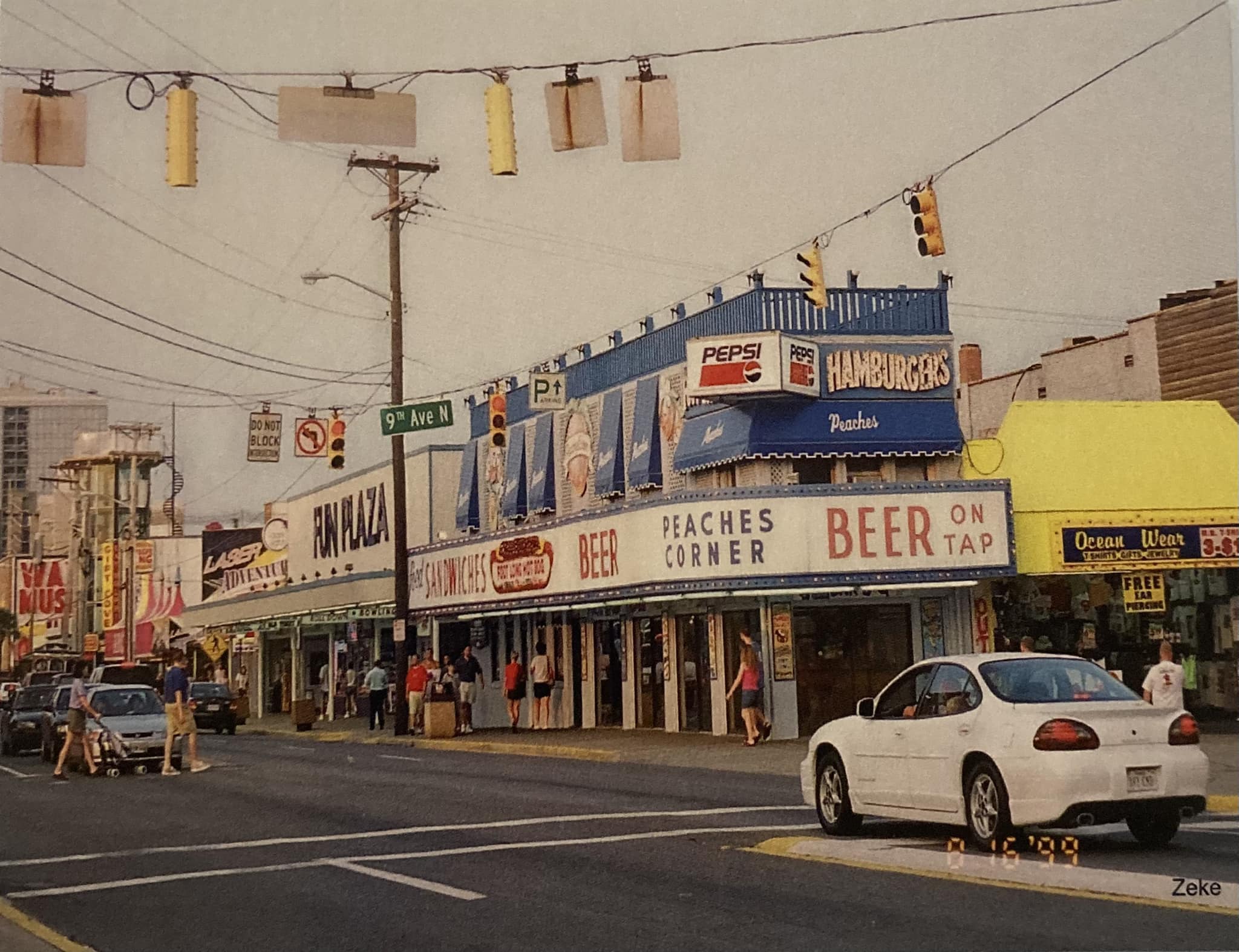 The Early 1990s: A Sleepy Seasonal Market
In the early 1990s, Myrtle Beach was primarily a vacation town. Real estate transactions were dominated by small beach cottages, a handful of oceanfront condos, and golf course communities that catered to retirees from the Northeast and Midwest. Year-round residents were relatively few, and the concept of Myrtle Beach as a permanent relocation destination was not yet mainstream.
Prices were modest by today's standards. A two-bedroom oceanfront condo could be had for under $100,000, and single-family homes in inland communities were often priced below $80,000. The market moved slowly, inventory was plentiful, and buyers held most of the leverage.
The Late 1990s: Tourism Boom and Infrastructure Growth
As the decade progressed, the Grand Strand began attracting major tourism investment. New hotels, entertainment complexes, and retail developments transformed the Myrtle Beach skyline. Broadway at the Beach had opened, and the area was drawing more national attention as a travel destination.
This tourism growth had a direct impact on real estate. Demand for short-term rental condos surged, and developers began building new oceanfront and ocean-view towers to meet that demand. Prices climbed steadily through the late 1990s as investor interest picked up alongside consumer confidence.
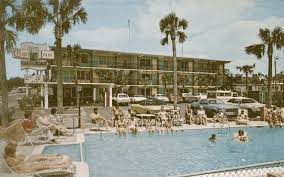 The 2000s: The Condo Boom and the Surge in Investor Activity
The early-to-mid 2000s brought an unprecedented construction and investment boom to Myrtle Beach. Condominium towers went up along Ocean Boulevard at a staggering pace. Buyers from across the country — many looking for rental income properties or second homes — flooded the market.
This era produced some of the most iconic developments in the Grand Strand, including large resort-style condo towers with indoor pools, lazy rivers, and direct beach access. The concept of the "condotel" — a condo unit managed as part of a hotel rental program — became a dominant product type in the market.
By mid-decade, appreciation rates were running in double digits annually. Multiple-offer situations were common, and some buyers were flipping contracts before buildings even broke ground. The market was, by any measure, running hot.
2008–2011: The Correction and Its Aftermath
The national housing crisis hit Myrtle Beach hard. Oversupply from the construction boom collided with tightened lending standards and the collapse of investor confidence. Values dropped 30–40% in some condo segments, and foreclosures became widespread. Many of the condotel units that had traded at peak prices sat vacant or sold at steep discounts.
It was a difficult period, but it was also a reset. The buyers who entered the market between 2009 and 2012 did exceptionally well. Those who purchased distressed properties at the bottom — especially oceanfront condos and single-family homes in established communities — saw substantial appreciation over the following decade. For a deeper look at how the market has shown resilience through cycles, see this analysis of the Myrtle Beach housing market.
The 2010s: Recovery, Diversification, and the Rise of Year-Round Living
The recovery that followed the recession was gradual but sustained. One of the most significant shifts during this decade was the growing appeal of Myrtle Beach as a permanent residence rather than just a vacation spot. Low cost of living, no state income tax on Social Security, mild winters, and improving infrastructure drove a wave of retirees — and later, remote workers — to the area.
New communities opened in Myrtle Beach, Carolina Forest, Murrells Inlet, and Pawleys Island. Single-family homes in master-planned communities began competing with condos for buyer attention. Demand from out-of-state buyers — particularly from Ohio, Michigan, New York, and New Jersey — became a permanent feature of the market.
By the late 2010s, days on market were shrinking, prices were climbing back toward and in many cases exceeding pre-recession highs, and the overall character of the market had fundamentally changed. Browse current Myrtle Beach condos for sale to see the range of properties that define today's market.
2020–2022: The Pandemic Surge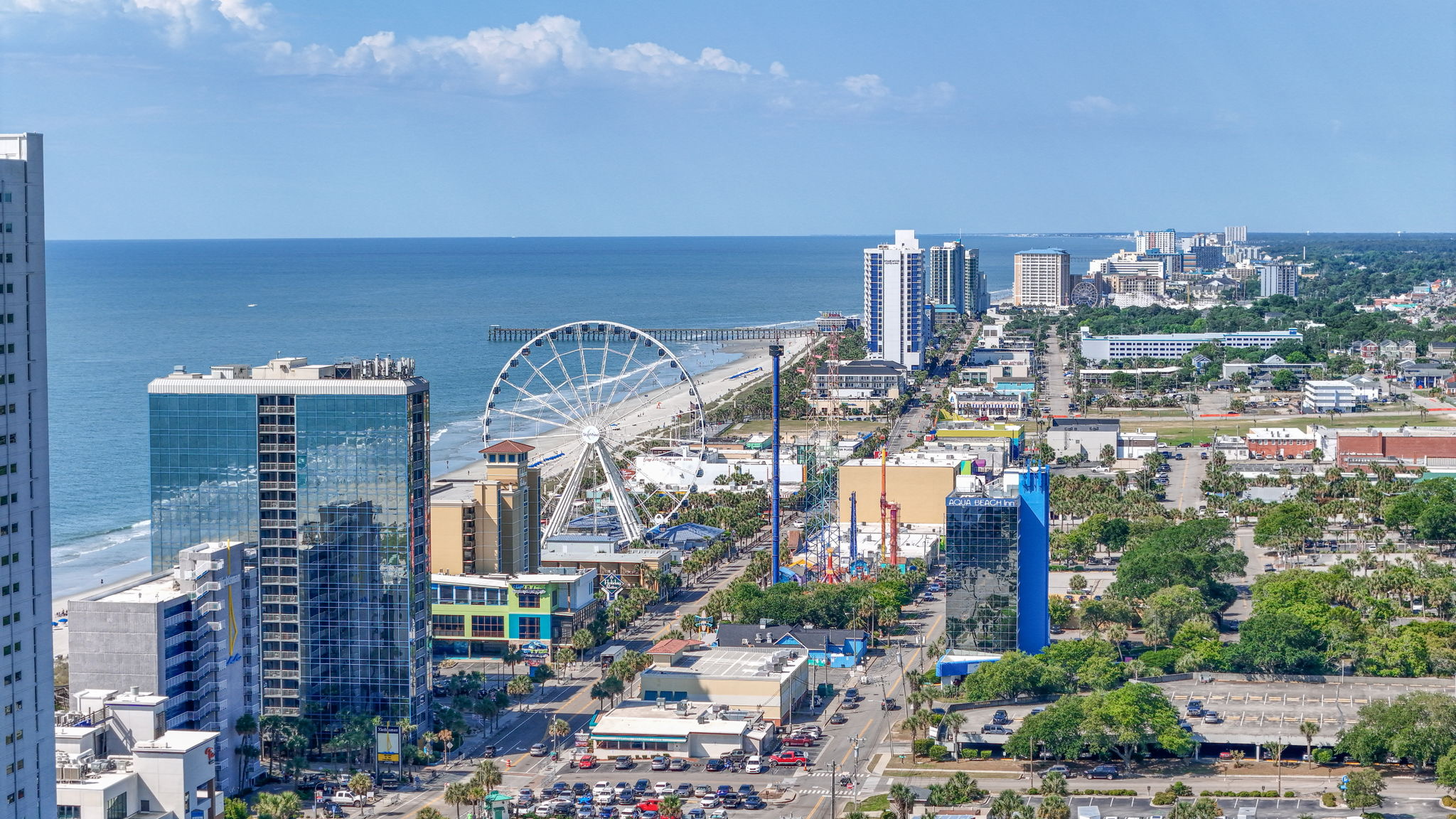
Few periods in Grand Strand real estate history were as dramatic as 2020–2022. As remote work became normalized and Americans sought more space and warmer climates, Myrtle Beach experienced one of its most intense seller's markets ever. Properties in desirable locations routinely received multiple offers within days of listing. Cash buyers — many relocating from high-cost metros — drove prices sharply higher.
Median prices rose 20–30% in some segments over just two years. Inventory hit historic lows. New construction backlogs stretched for months. Investors competed with primary-home buyers for the same properties, intensifying competition across every price tier.
2023–2025: Normalization and the New Baseline
As mortgage rates climbed from their pandemic-era lows, the pace of the market moderated. Multiple-offer frenzies became less common, and buyers regained some negotiating power. But what did not happen was a crash. The Grand Strand market found a new baseline at price levels substantially above where they were in 2019.
Demand from out-of-state buyers remained robust. The structural tailwinds that had driven the market — migration to the Sun Belt, retirement demographics, relatively affordable prices compared to coastal alternatives — did not disappear. For the latest data on how the market is performing, check the Myrtle Beach real estate market report.
What the 30-Year Arc Tells Us
Looking across three decades, a few clear patterns emerge. First, the Grand Strand market has always recovered from corrections — and buyers who entered during downturns have consistently been rewarded. Second, external demand has been the dominant force driving prices; Myrtle Beach's appeal to out-of-state buyers provides a persistent cushion against purely local economic fluctuations. Third, the market has matured considerably. What was once a niche vacation and retirement market is now a full-service real estate ecosystem with a wide range of product types, price points, and buyer profiles.
Understanding this history is valuable context whether you're buying your first Grand Strand property or your fifth. Markets don't repeat exactly, but the patterns are instructive.
Frequently Asked Questions
When was the best time to buy real estate in Myrtle Beach historically?
The period from 2009 to 2012 — following the housing crisis — offered the most attractive entry points for buyers. Properties were significantly discounted, and those who purchased during that window saw substantial appreciation over the next decade. The second-best entry period was arguably 2019, just before the pandemic-driven price surge.
Has Myrtle Beach ever experienced a prolonged real estate decline?
The 2008–2011 period was the most significant correction the market has experienced, with some condo segments declining 30–40% from peak values. However, the market fully recovered and went on to reach new price highs. Broader economic downturns — like the early 1990s recession — caused slowdowns but not sharp declines of that magnitude.
How has the buyer profile changed over 30 years?
In the early 1990s, the typical buyer was either a local move-up buyer or a retiree from the mid-Atlantic or Midwest. Over time, the buyer pool expanded dramatically. Today, out-of-state buyers from New York, New Jersey, Ohio, Michigan, and Florida make up a significant share of the market, and remote workers have added a newer demographic to the mix.
Are condos or single-family homes a better investment in Myrtle Beach?
Both property types have produced strong returns for investors over time, but they perform differently. Oceanfront condos tend to generate higher gross rental income but come with HOA fees, rental program commissions, and more volatility during market downturns. Single-family homes in inland communities have appreciated steadily and offer more stability, though rental income potential is generally lower per square foot.