Life on the Grand Strand: The MyrtleBeachCondos.Net Blog

You’ll find our blog to be a wealth of information, covering everything from local market statistics and home values to community happenings. That’s because we care about the community and want to help you find your place in it. Please reach out if you have any questions at all. We’d love to talk with you!

April 30, 2026

Staging Your Myrtle Beach Condo to Stand Out in Online Searches

In the Myrtle Beach condo market, most buyers begin their search online — and many out-of-state buyers make decisions, or at least narrow their list significantly, based entirely on what they see in photos before ever visiting. How your condo looks on screen matters as much as how it looks in person. Staging and presentation for online searches is no longer optional; it's one of the most cost-effective things a seller can do to generate more clicks, more showings, and ultimately a stronger sale.

The First Photo Is Everything

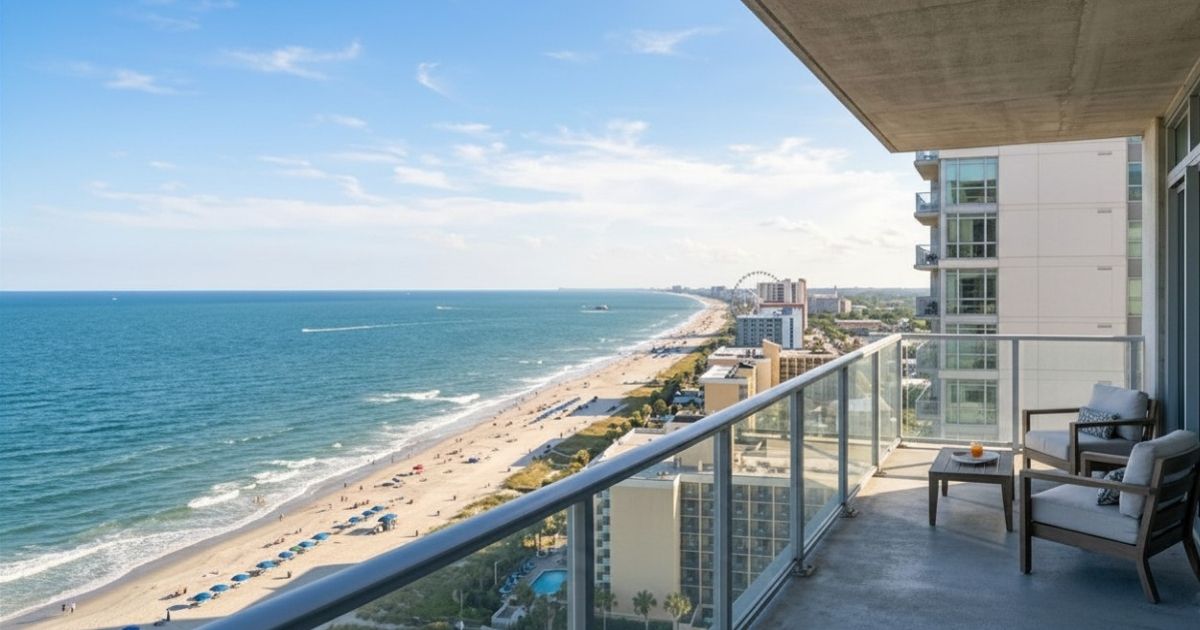
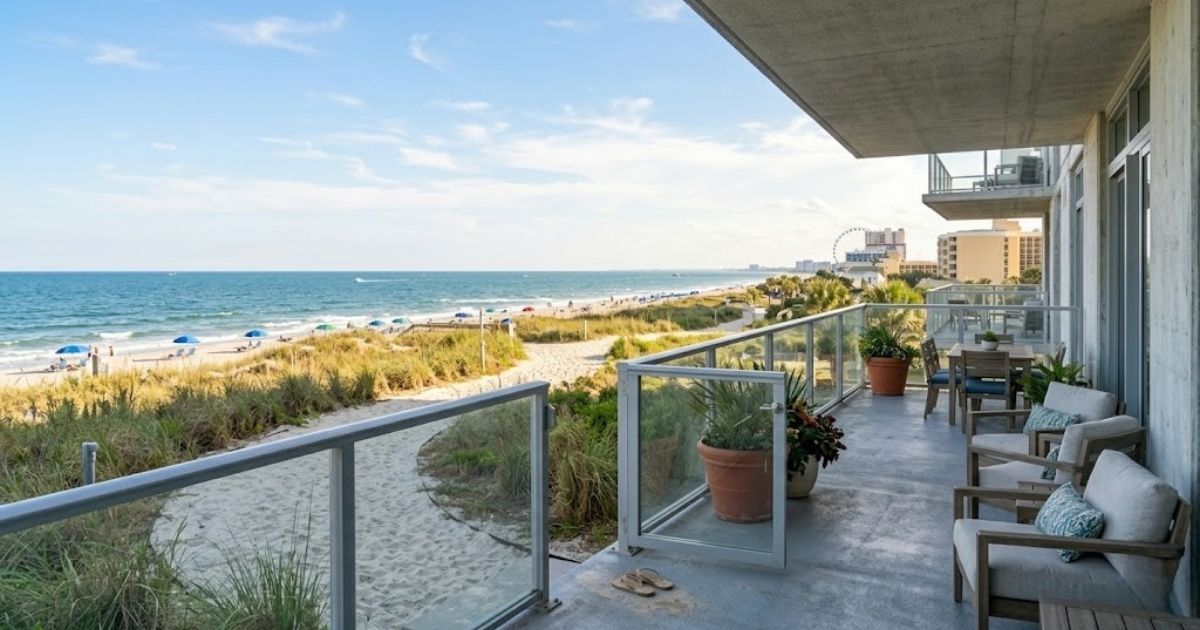
In an online listing, the first photo determines whether a buyer clicks through or moves on. For oceanfront condos, the first photo should almost always be the view — the balcony looking out over the ocean, or the main living area with floor-to-ceiling windows and the water behind it. Buyers searching for Myrtle Beach condos are buying a lifestyle, and the view is the lifestyle. Lead with it. If the unit doesn't have a direct ocean view, the first photo should be the room that photographs best — typically the main living area or kitchen, brightly lit, clean, and uncluttered.

Declutter Before You Photograph, Not After

The single highest-return staging action is removing clutter before the photographer arrives. Countertops with appliances, personal items, magnets on the refrigerator, visible toiletries in bathrooms, extra furniture that makes rooms look smaller — all of these shrink your unit on screen. Buyers are trying to visualize themselves in the space, and personal items make that harder. For a short-term rental unit that's in active use, this often means temporarily clearing out kitchen items, removing guest-use items that look like equipment rather than decor, and putting away anything that reads as "storage" rather than "living space."

Staging Your Myrtle Beach Condo to Stand Out in Online Searches

Lighting Makes or Breaks Interior Photos

Professional real estate photographers know how to balance natural light from windows with interior lighting to get the exposure right. Amateurs often produce photos that are either too dark (natural light overpowers the camera's exposure on windows) or washed out (interior lights blowing out the image). For condo interiors, turn on every light in the unit before the shoot, open all blinds and curtains completely, and schedule the shoot at the time of day when the unit's main windows get the most indirect natural light. Direct midday sun through west-facing windows can create harsh shadows; morning or afternoon light is usually more flattering.

Furniture Arrangement for Photography vs. Living

The way furniture is arranged for daily living is often not optimal for photographs. In photography, you want the camera to capture as much depth and space as possible. This means angling furniture slightly or pulling pieces away from walls to create dimension, and removing any items that block sight lines through the room. For a condo where the balcony and view are the main selling point, you want the camera positioned so both the interior and the exterior view are visible in the same frame — which usually means pulling furniture inward slightly and centering the composition on the opening to the balcony.

Virtual Staging for Vacant Unitsvirtual staging

Empty condos photograph poorly because they look cold and undefined. Buyers struggle to gauge scale without furniture. If your unit is vacant, consider virtual staging — a digital process where furniture is added to photos in post-production. It costs far less than physical staging and produces professional results that help buyers visualize the space as a livable home rather than an empty box. Virtual staging is now standard practice for higher-end vacant properties and is widely used in the Myrtle Beach market. Review popular condo types to understand how different unit layouts are typically presented to buyers.

The Description Works With the Photos, Not Independently

Listing copy that describes what buyers can see in the photos is redundant. Listing copy should tell buyers what they can't see in the photos: the building's rental history, the HOA fee and what it includes, the floor level and building orientation, the nearby restaurants and beach access points, the upgrade history. Combine strong photos with descriptive copy that answers the questions buyers will have before they ask them, and you reduce friction in the decision process. Use the Myrtle Beach market report to understand current pricing context so your listing can be positioned competitively from day one.

Getting Your Pricing Right Before You List

No amount of staging recovers from overpricing. Online buyers are sophisticated and can quickly compare your listing against competitors. A condo that sits on the market too long accumulates "days on market" data that signals to buyers something is wrong, even after a price reduction. Before listing, get an accurate market assessment. You can start by exploring what your Myrtle Beach condo is worth to understand how your unit compares in the current market.

Work With a Seller-Focused Agent

Abe Safa is a real estate agent with Century 21 The Harrelson Group, serving buyers, sellers, and investors throughout Myrtle Beach and the Grand Strand. With 38 years of local experience and over 1,300 closings, Abe brings a data-driven, client-first approach to every transaction. To connect with Abe, call or text (843) 360-2145.


Frequently Asked Questions

How important is staging for selling a Myrtle Beach condo?
Staging is extremely important in the Myrtle Beach condo market, where most buyers first encounter your property through online photos and virtual tours before ever visiting in person. A well-staged condo photographs more attractively, appears larger and brighter, and allows buyers to visualize themselves living or vacationing there. Studies consistently show that staged homes sell faster and closer to asking price than unstaged properties — and in a competitive market, that difference can be significant.

What are the most impactful staging tips for a beach condo?
For a Myrtle Beach condo, lean into the coastal lifestyle: use light, neutral colors, remove excess furniture to maximize the sense of space, and make sure balconies are clean and inviting with a small bistro set or lounge chairs. Fresh white bedding, bright towels, and a few coastal accent pieces go a long way. Most importantly, declutter ruthlessly — personal items, excess decor, and dated furniture should be removed before photos are taken. Clean windows and good lighting are also non-negotiables.

Should I hire a professional stager or do it myself?
For vacant condos or units with dated furnishings, a professional stager can provide a significant return on investment. Professional staging typically costs $500–$2,000 for a condo and can yield multiple times that in a higher sale price or faster close. For owner-occupied or well-furnished units, a thorough decluttering, cleaning, and a few targeted updates (new throw pillows, bedding, towels) may be all you need. Your listing agent should be able to walk the unit with you and give honest advice on what will make the biggest difference.

How do I make my Myrtle Beach condo stand out on Zillow and Realtor.com?
The formula is professional photography plus compelling copy plus accurate, complete listing information. Professional wide-angle photos that capture the ocean view from the balcony, bright interior shots, and any standout amenities (pool, lazy river, direct beach access) should lead the photo gallery. The listing description should speak to the lifestyle, not just the specs. Accurate and detailed information about HOA fees, rental history, and building amenities also builds buyer confidence and generates more serious inquiries.

Does virtual staging work for vacant condos?
Virtual staging has improved dramatically and can be a cost-effective option for vacant condos where physical staging is not practical. The key is transparency — clearly label virtually staged photos so buyers know the unit is unfurnished, which avoids disappointment at showings. For most sellers, physical staging or a combination of physical and virtual staging will produce the strongest photos and buyer response. Ask your agent which approach makes the most sense for your specific unit and price point.


Abe Safa

Abe Safa

Top Listing Agent | Century 21 Harrelson Group

Abe has lived in Myrtle Beach since 1988. He leads the Abe Safa Sales Team at Century 21 Harrelson Group, specializing in selling homes and condos across the Grand Strand. Known for aggressive marketing, sharp negotiation, calm leadership through closing, and an impeccable track record, putting him in the elite top 1% in the country for listing agents.

📞 (843) 360-2145  /  📧 asafa@c21harrelson.com

Posted in Seller Tips
April 29, 2026

How Amenities Impact the Resale Value of Your Grand Strand Condo

When you buy a condo in the Grand Strand, you're not just buying the unit — you're buying into the building and its amenity package. Those amenities matter enormously at resale. A buyer evaluating your condo in five or ten years will be comparing it not just against other units in your building but against competing buildings across the area. Understanding which amenities add durable resale value — and which are just nice to have — helps you make smarter buying and selling decisions.

The Amenities That Drive Resale Value MostAmenities and Resale Value

In the Myrtle Beach and Grand Strand condo market, the amenities that consistently command a premium at resale are the ones that drive rental income potential. Pools — especially heated indoor pools and outdoor pool areas with lazy rivers or water features — top the list. Buildings with robust pool facilities draw stronger vacation rental demand, which translates directly to higher valuations when you sell. Buyers and investors will pay more for a unit in a building with amenity infrastructure that supports strong occupancy year-round.

Ocean views and direct beach access remain the single most powerful resale driver for Grand Strand condos. A unit with an unobstructed ocean view and a building with private beach access consistently outperforms comparable interior or partial-view units by 20–40% depending on the area. If you're thinking about resale from day one, buying the highest floor with the best view your budget allows is almost always the right call.

Fitness Centers, Hot Tubs, and Common Areas

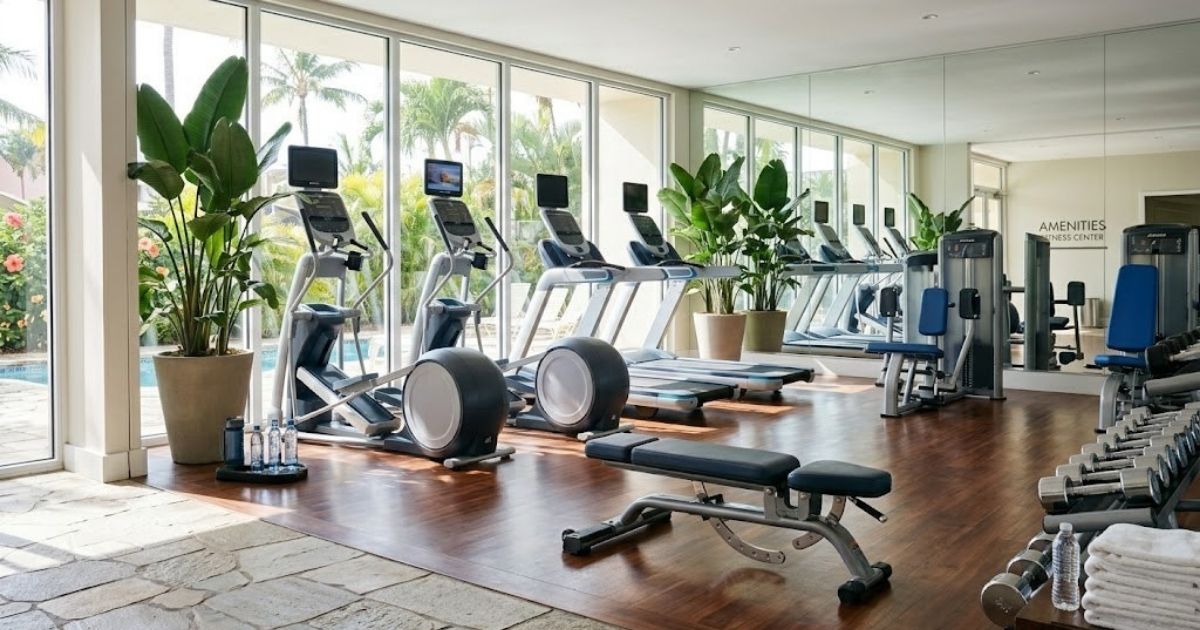
Amenities and Resale Value.GYMS

Fitness centers, hot tubs, and well-maintained common areas add incremental value but are less decisive than views and pools. They contribute to the overall perception of a building's quality and tend to attract a buyer profile — primarily investors and retirees — who are willing to pay a premium for a full-service feel. A building that has a fitness center, rooftop deck, meeting room, and well-maintained lobby gives buyers confidence that the HOA has invested in maintaining the property, which itself signals financial health and management quality.

Hot tubs and lazy rivers specifically appeal to vacation rental buyers because they extend the usable season. A pool-only building may see low usage in December; a heated indoor pool plus hot tub keeps the building attractive to off-season rental guests, and that translates to better rental revenue numbers that support a higher asking price.

Parking and Practical Amenities

Covered parking — especially assigned, deeded parking — adds measurable value on the Grand Strand because oceanfront buildings often have limited parking. A unit that includes a covered assigned parking space in a building where most spaces are uncovered or unassigned has a concrete advantage. Elevator access (as opposed to stair-only buildings) also matters for resale to older buyers and renters who expect it in any modern resort property.

On-site rental management offices add convenience for investors but can sometimes signal a building that's heavily investor-occupied, which affects financing eligibility. Know the trade-offs going in. For a full picture of what's currently selling and at what price points, recently sold condos provide the most transparent look at real market transactions.

What Doesn't Add as Much Value as Buyers Expect

Some amenities that feel impressive at purchase add less to resale than expected. Game rooms, tennis courts, and putting greens in older buildings can actually become maintenance liabilities that drive up HOA fees without proportional rental or resale benefit. Overly elaborate spa facilities in aging buildings can be similarly problematic if the building hasn't kept up with maintenance. Buyers increasingly scrutinize building condition alongside amenity lists — a beautiful amenity package in a building with deferred maintenance and an underfunded reserve fund is a red flag, not a selling point.

Staging and Presentation of Amenities at Resale

When it's time to sell, the way you present your condo's amenities matters. Listing photos that include the pool area, beach access path, and lobby convey a quality of experience that drives clicks and showings. Buyers purchasing remotely — a significant portion of Grand Strand buyers — rely heavily on photos and video to assess the building before visiting. A professional listing that showcases amenities alongside the unit itself consistently outperforms minimal listings. Learn more about the condo selling process and how to position your unit effectively when the time comes.

Work With an Agent Who Understands Grand Strand Values

Abe Safa is the team leader of the Abe Safa Sales Team at Century 21 The Harrelson Group in Myrtle Beach, SC. With 38 years of experience and over 1,300 closings in the Grand Strand market, Abe understands exactly how amenities, building condition, view quality, and HOA financial health translate into resale value — and how to price and position your condo to attract qualified buyers. When you're ready to sell, Abe brings the local expertise and data-driven approach that gets results. Call or text (843) 360-2145.

Frequently Asked Questions

Which amenities have the biggest impact on condo resale value in the Grand Strand?
Direct beach access, oceanfront pools (especially indoor pools for year-round appeal), lazy rivers, and fitness centers consistently rank as the highest-impact amenities for resale value in the Myrtle Beach market. These features attract both end-users who want the resort experience and investors who rely on them to justify higher nightly rental rates. Buildings that offer a full suite of these amenities tend to hold value better during market slowdowns and recover faster in upturns.

Do amenities affect rental income as well as resale value?
Absolutely — the two are closely linked. Buildings with premium amenities command higher nightly rental rates and typically see stronger occupancy, particularly during the shoulder seasons (spring and fall) when guests are more selective about where they stay. Rental income history is one of the key data points buyers use when evaluating a condo purchase, so strong amenity-driven rental performance directly supports a higher asking price at resale.

Can amenities become a liability for condo owners?
Yes — amenities require ongoing maintenance and eventual replacement, and these costs are borne by HOA members through monthly dues and special assessments. A building with aging pool systems, outdated fitness equipment, or deferred elevator maintenance may face large special assessments in the near future. When evaluating a building's amenities, it's just as important to review the HOA reserve fund to ensure adequate funding exists to maintain and replace those amenities over time.

How do I evaluate whether a building's amenities are well-maintained?
The best approach is a combination of in-person inspection and document review. Visit the building during peak season if possible to see the amenities in active use — crowded pools and well-kept common areas are good signs. Request the HOA's reserve study and recent meeting minutes to understand the maintenance schedule and whether major upgrades are planned or overdue. A local agent who knows the building well can also provide candid insight about its condition and reputation among buyers and renters.

Are newer condo buildings always a better investment because of their amenities?
Not necessarily. Newer buildings often have updated amenities and lower initial maintenance needs, but they also tend to carry higher purchase prices. Some older but well-maintained buildings in prime oceanfront locations offer equivalent or superior amenities at lower entry prices, which can produce stronger cap rates for investors. The key is evaluating the total picture: purchase price, HOA fees, reserve health, amenity quality, rental history, and location — not just the age of the building.

Abe Safa

Abe Safa

Top Listing Agent | Century 21 Harrelson Group

Abe has lived in Myrtle Beach since 1988. He leads the Abe Safa Sales Team at Century 21 Harrelson Group, specializing in selling homes and condos across the Grand Strand. Known for aggressive marketing, sharp negotiation, calm leadership through closing, and an impeccable track record, putting him in the elite top 1% in the country for listing agents.

📞 (843) 360-2145  /  📧 asafa@c21harrelson.com


Posted in Seller Tips
April 28, 2026

The Educational Approach to Real Estate: Why Giving Gives Better Results Than Selling

Early in my real estate career, I watched agents who were clearly talented struggle to build sustainable businesses. They could close deals, but they couldn't sustain momentum. And I noticed something consistent about the ones who did build something lasting: they gave more than they were asked to. They educated their clients rather than managing them toward a close. They treated every interaction as a chance to add value rather than advance a transaction. That observation has shaped how I've operated for nearly four decades.

Why Education Creates Better Clients

A client who understands the market, the process, and the realistic range of outcomes makes better decisions. They don't panic when a deal hits a minor obstacle. They don't hold out for an unrealistic price when data says otherwise. They move decisively when a genuine opportunity appears. And they trust their agent's guidance because that guidance has been built on a foundation of honest information rather than sales pressure.

I invest heavily in the education portion of every client relationship — explaining market conditions, walking through HOA documents, helping buyers understand the true cost of ownership beyond the purchase price, and giving sellers a realistic picture of what their property will and won't command in the current market. That upfront investment pays dividends throughout the transaction and in the relationship that follows it.

Transparency About Market Realitiesweigh cost vs price

One of the hardest things to do in real estate is tell a potential client something they don't want to hear. A seller who wants $450,000 when the market says $390,000 doesn't want to hear that. But if I take the listing at $450,000 to avoid conflict, I'm not serving them — I'm setting them up for a frustrating experience and a lower eventual sale price after months of sitting on the market.

I'd rather lose a listing than waste a seller's time with a strategy that won't work. In practice, sellers who understand the market data generally come around to accurate pricing — because the data is persuasive when it's presented clearly. Those who don't are usually not clients I can help effectively anyway. The Myrtle Beach real estate market report provides the kind of data that informs these conversations.

The Referral Economy of Real Estate

The vast majority of my business comes from repeat clients and referrals. This is not an accident — it's a direct consequence of the educational, transparent approach I've taken throughout my career. Clients who feel that they were genuinely served — not just transacted — refer their friends, their family members, their coworkers. They come back when it's time for their next purchase or sale. They call when they have a question about a neighbor's listing even if they're not ready to move yet.

That relationship-based business model is far more durable than one built on advertising and cold prospecting. It's also more satisfying. The clients I work with today are often people I've known for years — people whose families have grown, whose financial situations have evolved, and who have trusted me to help them navigate multiple transactions over the course of a long relationship. You can learn more about my background and approach on my agent profile page.

Giving Away the Information Freely

Some agents are protective of market information. They worry that if they share too much, clients won't need them. I've always believed the opposite. Clients who understand the market value their agent more, not less. The information doesn't replace the judgment, the relationships, and the execution that a good agent provides — it enhances the client's ability to act on those things effectively.

This is why I've written extensively about the Myrtle Beach market, produced educational content about the buying and selling process, and spent considerable time on this website giving away the information that some agents treat as proprietary. An informed buyer or seller who trusts me with their transaction is worth infinitely more than a confused client who isn't sure what they're getting into. For a broader perspective on the local real estate landscape, see this overview of local real estate in the Grand Strand.

What This Looks Like in Practice

Practically speaking, my educational approach means that I explain every step of the process before it happens. I tell clients what to expect, when to expect it, and why it matters. I explain the purpose of each document they sign. I share my honest opinion about properties rather than simply facilitating whatever the client asks for. If I think a buyer is making a mistake — paying too much, overlooking a structural issue, not understanding rental restrictions — I say so, clearly, even if it means slowing down a transaction.

Real estate moves quickly when the people involved are making informed, confident decisions. My job is to create the conditions for those decisions — not to rush people toward a close before they're ready, and not to let them miss good opportunities out of unnecessary hesitation. The educational approach is what makes that balance possible.

Frequently Asked Questions

What should I expect from a first consultation with Abe Safa?

A first conversation is focused entirely on understanding your situation and goals — what you're looking for, what your timeline looks like, what questions or concerns you have coming in. There's no pitch and no pressure. Abe will ask questions and share honest perspective on what's realistic given current market conditions. The goal is to give you the information you need to decide if working together makes sense.

How does Abe handle situations where his honest opinion differs from what a client wants to hear?

Directly and respectfully. Abe believes that clients are best served by accurate information, even when it's not what they hoped for. He will present the data, explain his reasoning, and give the client time to process — but he won't validate a strategy he doesn't believe in simply to avoid an uncomfortable conversation. Clients who've worked with him consistently cite his honesty as one of the most valuable things he brings to the relationship.

Why does Abe publish so much free content about the Myrtle Beach market?

Because an educated market benefits everyone — buyers, sellers, and the community as a whole. Abe believes that the right clients will recognize the value of working with someone who treats information as a public good rather than a competitive advantage to protect. The content is also a reflection of his genuine interest in the market — after four decades, he still finds Myrtle Beach real estate genuinely fascinating.

Why does local expertise matter so much in Myrtle Beach real estate specifically?

Myrtle Beach is a highly segmented market — values shift dramatically by building, floor, view, HOA rules, and rental income potential. Local expertise means knowing that two units in the same building can have very different investment profiles, or that a particular community has a special assessment coming that will affect value. Agents without deep local knowledge miss these nuances, and that knowledge gap costs buyers and sellers real money.

Abe Safa

Abe Safa

Top Listing Agent | Century 21 Harrelson Group

Abe has lived in Myrtle Beach since 1988. He leads the Abe Safa Sales Team at Century 21 Harrelson Group, specializing in selling homes and condos across the Grand Strand. Known for aggressive marketing, sharp negotiation, calm leadership through closing, and an impeccable track record, putting him in the elite top 1% in the country for listing agents.

📞 (843) 360-2145  /  📧 asafa@c21harrelson.com

Posted in Buyer Tips
April 27, 2026

Understanding Condotels vs. Traditional Condos in South Carolina

If you're shopping for property in Myrtle Beach or anywhere along the South Carolina coast, you've probably come across the term "condotel." It sounds like a condo, it looks like a condo — but it comes with a completely different set of rules, restrictions, and financing requirements. Understanding the difference before you make an offer can save you from costly surprises at closing.

What Is a Condotel?condotel info in MBSC

A condotel — short for "condo hotel" — is a unit inside a hotel-style building that is individually owned but operates within a rental management program. These buildings typically have front desk service, daily housekeeping, amenities like pools and fitness centers, and short-term rental programs that allow owners to place their unit into a hotel rental pool when they're not using it.

In Myrtle Beach, many oceanfront high-rises operate as condotels. The building looks like a resort — because it is one. Owners use their units for personal vacations and rent them out the rest of the year, generating income to help offset ownership costs.

What Is a Traditional Condo?

A traditional condo is a privately owned unit in a residential condominium building. You own your unit, share common areas with other owners, and pay HOA fees that cover building maintenance, exterior insurance, and shared amenities. Some traditional condos allow short-term rentals; many do not. The key distinction is that they are governed as residential communities, not as hotels.

Key Differences That Affect Your Purchase

Financing: This is the biggest practical difference. Traditional condos can typically be financed with conventional mortgage loans. Condotels are classified differently by lenders — most conventional lenders won't finance them. You'll typically need a non-warrantable condo loan, a portfolio loan from a local bank, or cash. Down payment requirements are often higher (20–30%), and interest rates may be elevated compared to standard residential financing.

HOA Fees and Operating Costs: Condotel fees tend to run significantly higher than traditional condo HOA fees because they cover hotel-level services and operations. Monthly fees of $800–$1,500 are common in Myrtle Beach condotel buildings. Traditional condo HOA fees vary but are typically more moderate.

Rental Income Potential: Condotels offer access to an established hotel rental program, making it relatively easy to generate rental income from day one. Traditional condos can also produce rental income if the association permits short-term rentals, but you'll need to market and manage the rental yourself or hire a property manager.

Personal Use Restrictions: Many condotel rental programs limit how many nights per year owners can occupy their own unit. Read the management agreement carefully before you buy. Traditional condos have no such restrictions — it's your home to use as you choose, subject only to HOA rules.

Insurance: Condotel buildings carry commercial insurance rather than standard residential master policies. Owners may need a gap policy or commercial unit owner policy. Have your insurance agent review the building's master policy before closing.

Which Type Is Right for You?

If you're looking for a vacation home you plan to use frequently, a traditional condo often makes more sense. You'll have greater flexibility, easier access to conventional financing, and typically lower carrying costs. Review the buyer's guide to understand what to evaluate before making an offer.

If your primary goal is generating income with occasional personal use, a condotel can be a strong performer — especially in a high-demand beach market like Myrtle Beach. Just go in with clear expectations about financing requirements, higher fees, and use restrictions.

Research the Building Before You Commit

The Grand Strand has dozens of condo and condotel buildings, each with its own rules, rental restrictions, and financial profile. Before buying, review the building's HOA financials, reserve fund status, and any pending special assessments. Explore popular condo types in Myrtle Beach to get a sense of what's available — from residential condos in quiet complexes to full-service oceanfront condotels.

Work With an Agent Who Knows the Difference

Many buyers don't discover they're purchasing a condotel until they're deep in the loan process and their lender declines the file. An experienced local agent will identify the property type upfront, explain the financing requirements, and connect you with a lender suited to the transaction — before you're under contract and on the clock. To discuss your options along the Myrtle Beach condo market, reach out to Abe Safa at (843) 360-2145.


Frequently Asked Questions

What is the difference between a condotel and a traditional condo in South Carolina?

A condotel operates like a hotel with front-desk check-in and nightly rentals managed through a hotel program, while a traditional condo is a privately owned unit where the owner controls how and when it is rented. Condotels typically require specialized financing and come with higher operating costs due to shared hotel amenities.

Can I get a conventional mortgage to buy a condotel in Myrtle Beach?

No — conventional loans from Fannie Mae or Freddie Mac are not available for condotels. Buyers must use portfolio lenders, DSCR loans, or commercial financing products, which often require larger down payments (typically 25–30%) and carry higher interest rates than standard condo loans.

Which type of property generates more rental income — a condotel or a traditional condo?

Condotels can generate strong gross rental revenue due to hotel-program occupancy rates, but their net income is often lower because of higher HOA fees, management splits, and operating expenses. Traditional condos give owners more control over pricing and platform selection, which can lead to better net returns when actively self-managed.

Are there special HOA rules I should know about when buying a condotel in South Carolina?

Yes. Condotel HOA agreements often require owners to participate in the hotel rental program for a minimum number of days per year, restrict personal use windows, and share a larger pool of operating expenses. Reviewing the CC&Rs and rental-program agreement with an attorney before purchase is strongly recommended.

How do I decide whether a condotel or a traditional condo is the right investment for me?

Consider your financing options, tolerance for management involvement, and income goals. If you want hands-off ownership with professional management, a condotel may fit — but verify the net numbers carefully. If you want flexibility, greater control, and access to conventional financing, a traditional condo in a resort-style building is usually the stronger investment choice.

Abe Safa

Abe Safa

Top Listing Agent | Century 21 Harrelson Group

Abe has lived in Myrtle Beach since 1988. He leads the Abe Safa Sales Team at Century 21 Harrelson Group, specializing in selling homes and condos across the Grand Strand. Known for aggressive marketing, sharp negotiation, calm leadership through closing, and an impeccable track record, putting him in the elite top 1% in the country for listing agents.

📞 (843) 360-2145  /  📧 asafa@c21harrelson.com

Posted in Buyer Tips
April 26, 2026

How Long Does It Take To Sell A House In 2026 | Myrtle Beach Real Estate

If you're thinking about selling your Myrtle Beach home or condo in 2026, one of the first questions you'll want answered is: how long is this going to take? The timeline from listing to closing depends on several factors specific to your property type, price point, and location — but there are some clear patterns in the local market that can help you set realistic expectations.

Average Days on Market in Myrtle Beach in 2026

Days on market (DOM) measures how long a property is listed before going under contract. In the Myrtle Beach and Grand Strand area, average DOM in 2026 has generally averaged 100+ days depending on property type and pricing. Oceanfront condos and well-priced single-family homes in desirable areas tend to sell faster, while overpriced properties or those in oversupplied condo buildings can sit for months.

The Myrtle Beach real estate market report tracks current DOM data, absorption rates, and list-to-sale ratios — all useful benchmarks before you list.

Factors That Affect How Quickly Your Property Sellsfactors affecting your DOM

Price: This is the single biggest factor. Overpricing is the most common reason homes linger on the market. A property priced at or slightly below market value generates more showings and competing offers, which shortens the timeline. Overpriced listings go stale, require price reductions, and often net less in the end.

Property type: Single-family homes, townhomes, and non-condotel condos typically attract conventional financing buyers, which broadens the pool. Condotels and non-warrantable buildings are limited to cash buyers or portfolio loan buyers, which reduces the pool and extends the timeline.

Condition and presentation: Properties that show well — clean, decluttered, professionally photographed, and well-maintained — sell faster than those that need work. Buyers in 2026 have plenty of options and will skip over listings that don't present well.

Location within the Grand Strand: Oceanfront or ocean-view properties in the heart of Myrtle Beach typically move faster than properties in outlying areas or farther from the beach. Market velocity varies significantly from North Myrtle Beach to Garden City Beach to Pawleys Island.

HOA and condo building health: For condo sellers, the financial health of your HOA, recent special assessments, and any pending litigation can delay or kill a sale. Buyers ask about reserves, deferred maintenance, and insurance costs — all of which affect financing and the buyer's willingness to close.

The Full Timeline from Listing to Closing

It's not just about going under contract — the total time from listing to closing typically runs 60 to 120 days when you factor in the time on market plus the closing process. Once you have a signed contract, a conventional loan purchase typically takes 30–45 days to close. Cash closings can happen in 2–3 weeks. VA and FHA loans may take slightly longer depending on the lender and any appraisal requirements.

Add the days on market to your closing timeline and you can estimate your total selling window. If your home spends 60 days on market and then takes 45 days to close, you're looking at roughly 3.5 months from listing to proceeds.

How to Sell Faster in the Myrtle Beach Market

The levers that shorten your timeline most reliably are price and presentation. Price it right from day one — overpriced listings almost always take longer and net less. Make sure the property is clean, photographed professionally, and ready to show at a moment's notice.

Beyond that, marketing reach matters. Your listing should be on the MLS with maximum exposure across real estate platforms, social media, and direct buyer outreach. The selling resources page outlines what a full-service listing process looks like for Myrtle Beach sellers.

If you're selling a condo specifically, review your HOA documents and financials before listing — a buyer's lender will order a condo questionnaire, and surprises there can delay or unwind a deal. Check the recently sold condos page to see what comparable units have closed at and how quickly they moved.

Working With a Local Expert Who Knows the Numbers

Sellers who work with an experienced local agent — one who tracks absorption rates, DOM data, and list-to-sale ratios — almost always price more accurately and sell faster. Abe Safa, a Myrtle Beach real estate agent with Century 21 The Harrelson Group, uses real market data to help sellers price correctly from the start and avoid the costly mistakes that come from guesswork. Reach Abe at (843) 360-2145 to discuss your property's current market position.


Frequently Asked Questions

How long does it typically take to sell a house in Myrtle Beach in 2026?
Days on market in Myrtle Beach in 2026 varies by price range, property type, and location. Well-priced single-family homes in high-demand areas like Carolina Forest, Market Common, and North Myrtle Beach are often under contract within 30–45 days. Condos in the lower to mid price range can move even faster, while higher-priced luxury properties and those in less active buildings may take 60–120 days or longer. Accurate pricing from day one is the single biggest factor in how quickly a property sells.

What causes a home to sit on the market too long in Myrtle Beach?
Overpricing is the number one reason. When a property is priced above what the comparable sales data supports, buyers pass it over in favor of better-valued options. As days on market accumulate, buyers begin to wonder what's wrong with the property — even if the only issue is price. Other common causes include poor photography, limited marketing reach, deferred maintenance that surfaces during inspection, or unusual HOA restrictions that reduce the eligible buyer pool.

Does the time of year affect how quickly a Myrtle Beach home sells?
Yes — the Grand Strand market has seasonal patterns that affect buyer activity. Spring (February–April) tends to be the most active period for listings, as buyers who want to close before summer begin their searches in earnest. Summer brings more foot traffic but fewer serious buyers. Fall and winter see lower overall volume but more motivated buyers. Listing at the right time with the right pricing and marketing can make a meaningful difference in both days on market and final sale price.

How does an agent's marketing strategy affect how fast a home sells?
Significantly. A strong marketing strategy — professional photography, aggressive MLS syndication, targeted digital advertising, and email campaigns to buyer databases — generates more showings in the critical first two to four weeks. Homes that generate early momentum and multiple showings often receive competitive offers. Homes that launch with weak marketing and sit past the four-week mark tend to require price reductions to generate renewed interest, ultimately netting less than a well-marketed listing would have from day one.

What can I do to help my Myrtle Beach home sell faster?
Price it accurately based on current comparable sales, not what you hope to get. Invest in professional photography and address any obvious deferred maintenance before listing. Make the home easy to show — flexible showing schedules and a clean, well-presented interior matter. And choose a listing agent with a proven marketing system, strong local presence, and a track record of selling homes quickly at or near asking price. The combination of right price, right presentation, and right agent is the formula for a fast, successful sale.

Abe Safa

Abe Safa

Top Listing Agent | Century 21 Harrelson Group

Abe has lived in Myrtle Beach since 1988. He leads the Abe Safa Sales Team at Century 21 Harrelson Group, specializing in selling homes and condos across the Grand Strand. Known for aggressive marketing, sharp negotiation, calm leadership through closing, and an impeccable track record, putting him in the elite top 1% in the country for listing agents.

📞 (843) 360-2145  /  📧 asafa@c21harrelson.com

Posted in Seller Tips
April 25, 2026

Pet-Friendly Oceanfront Condos in Myrtle Beach: What to Know Before You Buy

Myrtle Beach is a pet-friendly destination in many respects, but when it comes to buying an oceanfront condo, pet policies vary enormously from building to building. Before falling in love with a unit only to discover the HOA bans all pets over 25 pounds — or bans them entirely — buyers with pets need to do specific due diligence. Understanding what to look for and how to find genuinely pet-friendly buildings makes the search much more efficient.

Pets and Condo Ownership

Why Pet Policies Vary So Much in Condo Buildings

Condo HOAs set their own rules, and pet policies reflect whatever the original developers established and whatever the ownership body has voted to maintain or change over time. Some buildings have always been pet-friendly and have built a culture of it. Others have progressively tightened restrictions over years of complaints from non-pet owners about noise, mess in common areas, or perceived liability. A few buildings allow pets for owner-occupants but prohibit them for renters, while others have size or breed restrictions that effectively exclude large dogs even when pets are technically "allowed."

The only way to know for certain what a building's current pet policy is — and whether there are pending changes — is to read the HOA's most recent governing documents and ask the management company directly.

What the HOA Documents Actually Say

The key documents to review are the Declaration of Covenants, Conditions & Restrictions (CC&Rs) and the Rules and Regulations. The CC&Rs are the foundational governing document and can only be changed by a full owner vote. The Rules and Regulations can typically be changed by the board of directors alone, which means pet rules can shift more easily. If you find a building where the rules currently allow pets but the board has discretion to change them, understand that you're buying into that uncertainty.

Look specifically for: the number of pets allowed per unit, weight limits, breed restrictions, leash requirements in common areas, designated relief areas, elevator policies (some buildings require pets to use freight elevators), and whether pets are permitted on pools decks or beach access paths. Also verify whether the pet policy applies differently to owners versus renters, since many investment-focused buyers allow tenants who may want to bring pets.

Buildings Known for Being Genuinely Pet-Friendly

In the Myrtle Beach market, truly pet-friendly oceanfront buildings — where pets are welcomed without significant restrictions — tend to be owner-occupant-heavy mid-rise buildings in the outer beach areas rather than the large resort-style high-rise towers in central Myrtle Beach. Many of the major resort towers in the central strip cater primarily to vacation renters, and their HOAs often restrict pets to protect the rental experience for guests. Owner-occupant buildings in North Myrtle Beach, Surfside Beach, and the Garden City area often have more relaxed policies because the resident community has more directly shaped those rules over time.

That said, there are genuinely pet-friendly oceanfront buildings across all price points on the Grand Strand. Finding them requires a targeted search. Explore Myrtle Beach condos for sale to start identifying properties that match your criteria.

Pet Policies and Rental Income

For buyers who want both pet-friendly ownership and vacation rental income, this intersection can be tricky. Some buildings allow owner pets but prohibit renters from bringing them. Other buildings — particularly those actively managed as vacation rentals — do allow pet-friendly rentals and can actually charge a pet fee that adds to gross rental revenue. If rental income is part of your investment thesis, verify whether the building's rental management program allows pets on a case-by-case basis and what the typical pet fee structure looks like. Pet-friendly vacation rentals are in growing demand, and the ability to accept pets can improve occupancy rates, particularly in shoulder seasons. Learn more about how rental income works for Myrtle Beach condos.

Practical Considerations for Pet Owners in Condospets and condo areas

Beyond the HOA rules, daily practicality matters too. Think about elevator access for large dogs, the availability of green space or pet relief areas near the building, proximity to veterinary services, and whether the building has a private beach access where you can walk your dog. Some oceanfront buildings have direct access to beach stretches where dogs are allowed during off-peak hours — a significant quality-of-life consideration for dog owners who want that experience. Myrtle Beach's beach pet rules are enforced seasonally; dogs are generally permitted on the beach before 9 a.m. and after 5 p.m. during peak season, and with broader freedom in the off-season.

Checking Current Market Conditions

Pet-friendly condo options can vary based on what's currently available and what's trading. The Myrtle Beach real estate market report provides current pricing and availability data across property types and areas, which helps buyers understand what they're likely to find in their price range among buildings that meet their pet requirements.

Work With an Agent Who Knows the Buildings

Abe Safa is a real estate agent with Century 21 The Harrelson Group, serving buyers, sellers, and investors throughout Myrtle Beach and the Grand Strand. With 38 years of local experience and over 1,300 closings, Abe brings a data-driven, client-first approach to every transaction. To connect with Abe, call or text (843) 360-2145.


Frequently Asked Questions

Are there truly pet-friendly oceanfront condos available in Myrtle Beach?
Yes, but they require careful searching. Many condo buildings in Myrtle Beach have HOA rules that either prohibit pets entirely, restrict them by size or breed, or limit the number of pets per unit. True pet-friendly oceanfront buildings — where owners can have dogs or cats without restriction — are less common and often carry a premium. If pet ownership is non-negotiable for you, filtering by HOA rules from the start of your search is essential, and a local agent who knows which buildings allow pets will save you significant time.

What HOA rules about pets should I look for before buying a Myrtle Beach condo?
Key questions to ask: Does the HOA allow pets at all? Are there weight or breed restrictions? Is there a limit on the number of pets? Are there designated pet areas or restrictions on where pets can go in common areas? Are there pet fees or deposits required? These rules should be spelled out in the HOA's CC&Rs (Covenants, Conditions & Restrictions) and Rules & Regulations documents, which you should request and review before going under contract on any condo.

Can I rent out a pet-friendly condo to guests who bring their pets?
That depends on whether the HOA allows it and whether you choose to offer pet-friendly rentals. Some buildings permit owner pets but prohibit pet-friendly short-term rentals. If you want to market your unit as pet-friendly on Airbnb or VRBO — which can command a meaningful nightly premium and attract a loyal guest segment — verify that the HOA allows rental guests to bring pets and confirm there are no liability issues with your insurance policy. Don't assume owner pet rules and rental pet rules are the same.

Do pet-friendly condos sell for more or less than non-pet-friendly units?
In the Myrtle Beach market, pet-friendly condos tend to attract a broader buyer pool, which can be a modest positive for resale value. For owner-occupants and second-home buyers who have pets, a pet-friendly building is often a dealbreaker, not just a preference — meaning they'll compete for the right unit. However, some buyers actively prefer buildings without pets for noise and cleanliness reasons, so the impact on value is more about audience than premium pricing.

Are there pet-friendly beaches near Myrtle Beach condo buildings?
Myrtle Beach has restrictions on dogs on the main beach during peak season (typically Memorial Day through Labor Day), though some sections allow dogs during off-peak hours (early morning and evening). North Myrtle Beach has similar rules. Year-round dog-friendly beach access is more limited in the Grand Strand than in some other coastal markets. Buyers with dogs should research the specific pet beach access rules for the area where they're considering purchasing, as they vary by city and season.

Abe Safa

Abe Safa

Top Listing Agent | Century 21 Harrelson Group

Abe has lived in Myrtle Beach since 1988. He leads the Abe Safa Sales Team at Century 21 Harrelson Group, specializing in selling homes and condos across the Grand Strand. Known for aggressive marketing, sharp negotiation, calm leadership through closing, and an impeccable track record, putting him in the elite top 1% in the country for listing agents.

📞 (843) 360-2145  /  📧 asafa@c21harrelson.com


Posted in Buyer Tips
April 24, 2026

Demystifying Condo Assessments and Special HOA Fees in Myrtle Beach

One of the most stressful surprises a condo owner in Myrtle Beach can face is opening a letter from the HOA announcing a special assessment — a one-time charge that can run anywhere from a few hundred dollars to tens of thousands, due in full or in installments. Understanding how HOA fees work, what drives special assessments, and how to evaluate a building's financial health before you buy is one of the most important skills a Myrtle Beach condo buyer can develop.

What Are Regular HOA Fees and What Do They Cover?

Monthly HOA fees in Myrtle Beach condo buildings vary widely depending on the building type, size, and amenity level. In a large oceanfront high-rise with a pool, fitness center, lazy river, and 24-hour front desk, fees can easily run $700–$1,200 per month. In a smaller low-rise or garden-style community with minimal shared amenities, fees may be $200–$400 per month.

These monthly fees typically cover: exterior building insurance (critical for wind and hail coverage in coastal areas), maintenance and repairs to common areas, elevator service contracts, pool and amenity maintenance, landscaping, water and sewer for common areas, and contributions to a reserve fund. The reserve fund is the building's savings account for future major repairs — roof replacement, elevator overhaul, parking lot repaving, and so on. How well-funded the reserve is determines whether the building can handle major repairs without a special assessment.

HOA and special assessmentsWhat Triggers a Special Assessment?

A special assessment is charged when the HOA faces a major repair or capital expenditure that the reserve fund cannot fully cover. Common triggers in Myrtle Beach include: aging building systems needing replacement (elevators, HVAC, plumbing), major structural repairs, storm damage above insurance coverage limits, regulatory compliance upgrades (fire systems, accessibility), and legal settlements. When the reserve fund is underfunded — which happens more often than buyers realize — even routine large repairs can trigger assessments.

Post-Champlain Towers, many states have tightened building reserve requirements and inspection rules for condos. South Carolina has been moving in this direction as well. Older oceanfront buildings that deferred maintenance during the 2008–2015 slowdown have been catching up on repairs, and assessments have become more common in certain buildings.

How to Evaluate a Building's Financial Health

Before purchasing any condo in Myrtle Beach, request and review the following HOA documents: the most recent annual budget, the reserve fund study (or reserve analysis), the meeting minutes from the last 12–24 months, any pending or recently completed special assessments, and the HOA's insurance certificates. A well-run building will provide all of these without resistance. A building that stonewalls or delays on document requests is a red flag.

Look at the reserve fund percentage funded — this is calculated in the reserve study and represents how well-stocked the reserve is relative to projected needs. Buildings above 70% funded are generally in good shape. Buildings below 50% funded are at elevated risk for future special assessments. Buildings with no formal reserve study at all should raise immediate concern.

Reviewing the popular condo types in Myrtle Beach can help buyers understand which building categories tend to carry higher or lower HOA exposure.

Special Assessments and Financing

Pending special assessments can affect your ability to finance a purchase. Lenders review HOA financials as part of condo loan approval, and a building with a large pending assessment, active litigation, or inadequate reserves may not qualify for conventional financing. Fannie Mae and Freddie Mac both have condo project eligibility requirements that screen for financial health issues. If a building has known problems, you may need a portfolio lender or be required to pay cash. This is another reason why due diligence on the HOA financials is so important before making an offer.

Questions to Ask Before You Buy

When evaluating a Myrtle Beach condo, ask: When was the last special assessment? How much was it? Is there a new assessment pending or anticipated? What is the current reserve fund balance? When was the last reserve study conducted? Has the building had any structural or major mechanical repairs in the last five years? Are there any active lawsuits involving the HOA? Getting clear answers to these questions — ideally in writing from the HOA management company — gives you a much clearer picture of what you're actually buying.

Buyers ready to move forward can explore the buying process to understand the full due diligence timeline, or review Abe Safa's recently sold properties to see examples of successful condo transactions across the Grand Strand.

Work With an Agent Who Understands HOA Risk

Abe Safa is a real estate agent with Century 21 The Harrelson Group, serving buyers, sellers, and investors throughout Myrtle Beach and the Grand Strand. With 38 years of local experience and over 1,300 closings, Abe brings a data-driven, client-first approach to every transaction. To connect with Abe, call or text (843) 360-2145.


Frequently Asked Questions

What is a special assessment and why do condo HOAs issue them?
A special assessment is a one-time charge levied by an HOA on all unit owners to cover a major expense that exceeds the building's reserve fund. Common triggers include major structural repairs, roof replacements, elevator overhauls, pool resurfacing, or damage from a storm or fire. Special assessments can range from a few hundred dollars to tens of thousands per unit, depending on the scope of work and the number of units sharing the cost. They are a normal part of condo ownership but should be anticipated through proper reserve fund management.

How can I find out if a condo building has a pending special assessment before buying?
Request the HOA's meeting minutes from the past two to three years, the most recent reserve study, and the current reserve fund balance. Pending or recently approved special assessments must be disclosed in South Carolina real estate transactions, and your agent should confirm disclosure requirements apply. If a special assessment has been approved but not yet billed, you'll want to negotiate who is responsible for it — seller or buyer — before going under contract.

What is a reserve fund and how do I know if it is adequately funded?
A reserve fund is money set aside by the HOA each month specifically for future major repairs and replacements. A reserve study (typically conducted every three to five years) estimates the cost and timeline of upcoming capital expenses and recommends the appropriate monthly reserve contribution. As a general guideline, a reserve fund funded at 70% or above of the recommended amount is considered healthy. Below 50% is a warning sign that the building may be underprepared for future expenses, increasing the likelihood of special assessments.

Are HOA fees negotiable when buying a Myrtle Beach condo?
HOA fees themselves are set by the association and are not negotiable — every owner pays the same rate based on their unit type or square footage. However, the PRICE of the condo can be negotiated with full knowledge of what the HOA fees are, and whether any increases or special assessments are on the horizon. High HOA fees reduce affordability and therefore affect how buyers price their offers. Understanding the total monthly cost — mortgage + HOA + insurance + taxes — is essential to making a sound offer.

What should I look for in HOA documents before buying a Myrtle Beach condo?
Key documents to review include the CC&Rs (Covenants, Conditions & Restrictions), bylaws, rules and regulations, the most recent budget, reserve study, reserve fund balance, and at least two years of board meeting minutes. You're looking for signs of financial stress (underfunded reserves, recurring budget deficits), pending litigation, upcoming major repairs, and any rule changes that could affect how you use the unit — including short-term rental restrictions. A real estate attorney or knowledgeable local agent can help you interpret these documents.

Abe Safa

Abe Safa

Top Listing Agent | Century 21 Harrelson Group

Abe has lived in Myrtle Beach since 1988. He leads the Abe Safa Sales Team at Century 21 Harrelson Group, specializing in selling homes and condos across the Grand Strand. Known for aggressive marketing, sharp negotiation, calm leadership through closing, and an impeccable track record, putting him in the elite top 1% in the country for listing agents.

📞 (843) 360-2145  /  📧 asafa@c21harrelson.com

Posted in Buyer Tips
April 22, 2026

How to Create an Emotionally Driven Listing Description That Sells Fast

Most listing descriptions fail before buyers finish reading the first sentence. They list square footage, mention granite countertops, and call the master bath "luxurious" — without once making a buyer feel anything. In Myrtle Beach's competitive real estate market, the listing description isn't a form to fill out. It's your first showing. When done right, it creates desire before a buyer ever walks through the door.

Why Most Listing Descriptions Fall Flat

The majority of listing descriptions are written from the seller's perspective — what the home has, not what it means. Buyers don't make decisions based on features alone. They make decisions based on how a home makes them feel. A list of amenities doesn't sell a beach lifestyle. A carefully chosen sentence about watching the sunrise from your screened porch does.

The other common mistake is burying the emotional hook under factual details. Lead with what makes the buyer's heart beat faster, then follow with the features that justify the feeling. If your property is steps from the ocean, say that first — not the HOA fee structure.

MBSC living

Lead With the Feeling, Not the Facts

The opening line of any Myrtle Beach home listing should paint a picture, not recite a spec sheet. Think about the lifestylethe buyer is purchasing, not the home itself. Are they retiring to a slower pace? Investing in a rental property with strong summer occupancy? Buying a first home or their family's annual beach destination?

Once you know the buyer's dream, speak directly to it. "Wake up to ocean breezes and walk to the beach in minutes" is more powerful than "3BR oceanfront condo, 1,100 sq ft." Both are true. Only one creates longing.

Use Sensory Language to Create Mental Images

Buyers who can picture themselves in the home are far more likely to schedule a showing. Sensory language — what they'll see, hear, smell, and feel — is the most effective tool for achieving this. "Hardwood floors" is functional. "Wide-plank hardwood that glows warm in the afternoon light" creates a moment.

Apply this to outdoor spaces, kitchens, and common areas. "A kitchen designed for entertaining" paired with "where friends gather around the island" does more work than any appliance list. Every feature is an opportunity to describe an experience rather than a specification.

The Three-Part Formula That Works

Effective listing descriptions for Grand Strand properties follow a simple structure: open with the lifestyle promise, deliver the standout features, close with urgency. The opening earns attention. The features justify the price. The close motivates action.

Keep the total length between 150 and 250 words for online listings. Long enough to be compelling, short enough to hold attention. Avoid run-on sentences and excessive punctuation. You can review recently sold properties in Myrtle Beach to see how top listings position their strongest attributes upfront.

Tailor the Description to the Likely Buyer Profilefamilies and motivation

A condo near the boardwalk appeals to a different buyer than a three-bedroom home in Carolina Forest. Knowing your buyer profile shapes every word. Vacation rental investors want occupancy rates, proximity to the beach, and HOA rental policies. Retirees want single-level layouts, low maintenance, and access to amenities. Families want proximity to schools, space, and storage.

Listing descriptions that speak to everyone often speak to no one. The best agents match the language, details, and emotional cues to the specific buyer most likely to write an offer. If you're not sure how to position your property, reading how to find the right agent for your condo can help you understand what skilled representation brings to the table.

What to Avoid in Your Listing Description

Avoid overused adjectives like "charming," "cozy," "stunning," and "immaculate." These words appear in thousands of listings and carry no weight. If the home is beautiful, describe what makes it beautiful. Let the specific detail do the work that the adjective claims to do.

Avoid mentioning anything that requires a disclosure — price reductions, motivated sellers, estate sales, or deferred maintenance. These belong in negotiations, not the listing. Keep the description aspirational and accurate, never misleading and never desperate.

Frequently Asked Questions

How long should a Myrtle Beach listing description be?

For most online platforms, 150 to 250 words is the sweet spot. It's enough space to convey personality and highlight key features without losing a buyer's attention. Luxury properties with unique features may justify a slightly longer description, but brevity paired with strong language almost always outperforms length.

Should I write the description myself or hire a professional?

Your listing agent should write or closely review the description. A skilled listing agent understands buyer psychology, knows how to position the property for its target market, maintains fair housing verbiage, and can translate features into emotional language that drives action. If your current agent is copying bullet points into the description field, that's a red flag.

What's the most important sentence in a listing description?

The first sentence. Most buyers decide within seconds whether to keep reading or scroll past. Lead with the strongest emotional hook — the lifestyle, the view, the feel — not the square footage or year built. Everything after the first sentence is supporting evidence for that opening promise.

How do emotionally driven descriptions affect days on market?

Well-written listing descriptions consistently reduce days on market by generating more showing requests in the first 48 to 72 hours. In the Grand Strand market, that initial rush of activity drives competitive offers. Listings that sit often have weak positioning, not just price issues.

Can I update my listing description after it goes live?

Yes, and you should if the original isn't generating traffic. A revised description with stronger emotional language, updated photography, and a repositioned angle can reignite buyer interest. Myrtle Beach buyers shop listings repeatedly — a fresh description can bring them back for a second look.

Abe Safa

Abe Safa

Top Listing Agent | Century 21 Harrelson Group

Abe has lived in Myrtle Beach since 1988. He leads the Abe Safa Sales Team at Century 21 Harrelson Group, specializing in selling homes and condos across the Grand Strand. Known for aggressive marketing, sharp negotiation, calm leadership through closing, and an impeccable track record, putting him in the elite top 1% in the country for listing agents.

📞 (843) 360-2145  /  📧 asafa@c21harrelson.com

Posted in Seller Tips
April 21, 2026

The 2026 Home Seller's Guide to the Grand Strand Real Estate Market

2026 home sellers guide to the Grand StrandSelling in the Grand Strand in 2026 requires a clear-eyed understanding of where the market stands and what buyers are looking for. While national headlines often paint real estate with a broad brush, Myrtle Beach operates by its own supply-and-demand dynamics—driven by migration patterns, coastal lifestyle demand, and investor activity. Here's what sellers need to know heading into the current market.

Market Conditions in 2026

The Grand Strand continues to attract strong out-of-state buyer interest from the Northeast, Midwest, and Mid-Atlantic regions. Retirees, remote workers, and vacation home investors are still actively searching for properties in Myrtle Beach, North Myrtle Beach, Surfside Beach, and surrounding areas. While rising mortgage rates have moderated some buyer urgency compared to the pandemic-era frenzy, motivated buyers—particularly cash buyers—remain active throughout the year.

Pricing Strategy Is Everything

In today's market, accurate pricing is the single most important factor in a successful sale. Overpriced listings sit, accumulate days on market, and often require price reductions that signal weakness to buyers. A well-priced home generates interest quickly, creates competition, and typically sells closer to full asking price. Use recent comparable sales—not list prices—to establish your pricing baseline.

What Buyers in 2026 Expect

Today's buyers expect move-in-ready condition, professional photography, virtual tours, and transparent disclosures. Properties that need significant updating tend to sit longer or require aggressive price adjustments. If your home or condo needs work, either address it before listing or price accordingly—buyers will factor in renovation costs regardless.

Marketing in a Competitive Environment

Getting maximum exposure for your listing requires more than MLS placement. Effective marketing in 2026 includes professional photos and video, social media campaigns, targeted digital advertising to out-of-state buyer pools, and email marketing to active buyer networks. The sellers who get the best results work with agents who understand the full marketing ecosystem—not just how to put a sign in the yard.

Timing and Negotiation

Spring and early fall remain the strongest selling seasons in the Grand Strand, but well-priced, well-marketed properties move year-round. In negotiation, be prepared for contingencies around inspection, financing, and appraisal. An experienced listing agent will help you evaluate every offer, not just the highest price.

Review recently sold condos to understand current transaction prices in your area. Check the Myrtle Beach real estate market report for the latest supply, demand, and pricing data. Then visit our seller resources page to learn exactly how we approach every listing in the Grand Strand.

Frequently Asked Questions

Is 2026 a good time to sell my home in the Grand Strand?
The 2026 market in Myrtle Beach and the Grand Strand continues to attract strong buyer demand, particularly from out-of-state relocators and vacation property investors. While interest rates have moderated from their peaks, well-priced and well-presented homes are still moving competitively. Sellers who price accurately and market aggressively tend to achieve strong results.

What should I fix or update before listing my Grand Strand home?
Focus on what buyers notice first: fresh paint, clean flooring, updated fixtures, and a well-maintained exterior. In coastal markets, buyers and inspectors pay close attention to HVAC systems, roofs, and signs of moisture. Your agent should walk the property with you before listing to identify the highest-ROI updates.

How do I know if my home is priced correctly for the 2026 market?
Accurate pricing starts with a Comparative Market Analysis (CMA) that examines recent closed sales, active competition, absorption rates, and list-to-sale price ratios in your neighborhood. Overpricing leads to longer days on market and ultimately a lower sale price. An experienced Grand Strand agent can run these numbers and give you a data-backed pricing range.

Do I need a local real estate agent to sell in Myrtle Beach?
A local agent with Grand Strand experience brings market knowledge, buyer connections, and negotiation skills that are hard to replicate. They understand HOA structures, flood zones, vacation rental rules, and seasonal buyer patterns. For most sellers, partnering with an established local agent translates directly into a faster sale and better net proceeds.

Abe Safa

Abe Safa

Top Listing Agent | Century 21 Harrelson Group

Abe has lived in Myrtle Beach since 1988. He leads the Abe Safa Sales Team at Century 21 Harrelson Group, specializing in selling homes and condos across the Grand Strand. Known for aggressive marketing, sharp negotiation, calm leadership through closing, and an impeccable track record, putting him in the elite top 1% in the country for listing agents.

📞 (843) 360-2145  /  📧 asafa@c21harrelson.com

Posted in Seller Tips
April 20, 2026

High-Rise vs. Low-Rise Condos: Which is Better for Your Portfolio?

One of the most common decisions Myrtle Beach condo buyers face is whether to buy in a high-rise or a low-rise building. Both have their advocates, and the right answer depends heavily on your goals — whether you're buying for personal use, vacation rental income, long-term appreciation, or a mix of all three. Understanding the practical differences between these building types helps you invest more strategically.

What Counts as High-Rise vs. Low-Rise

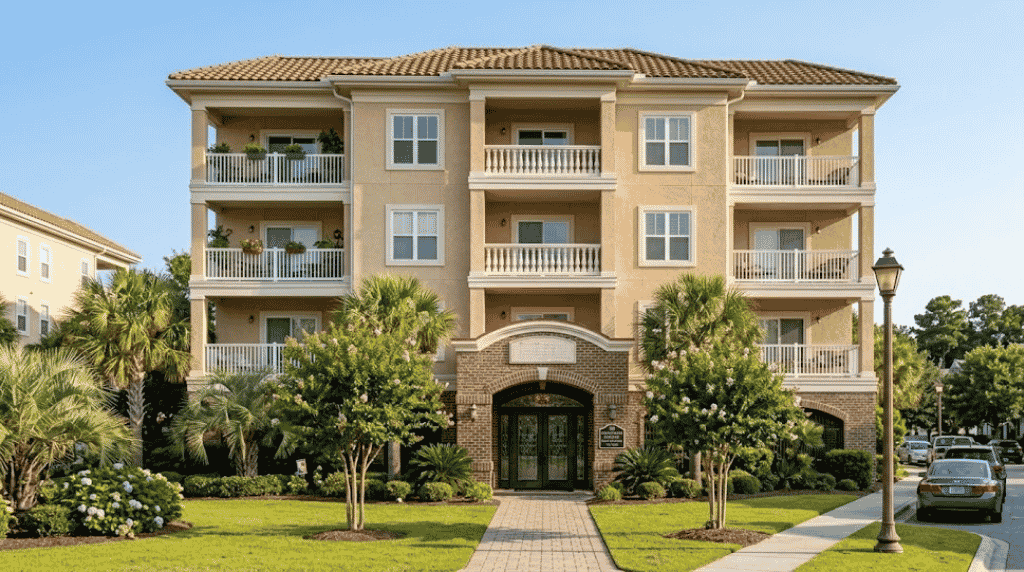
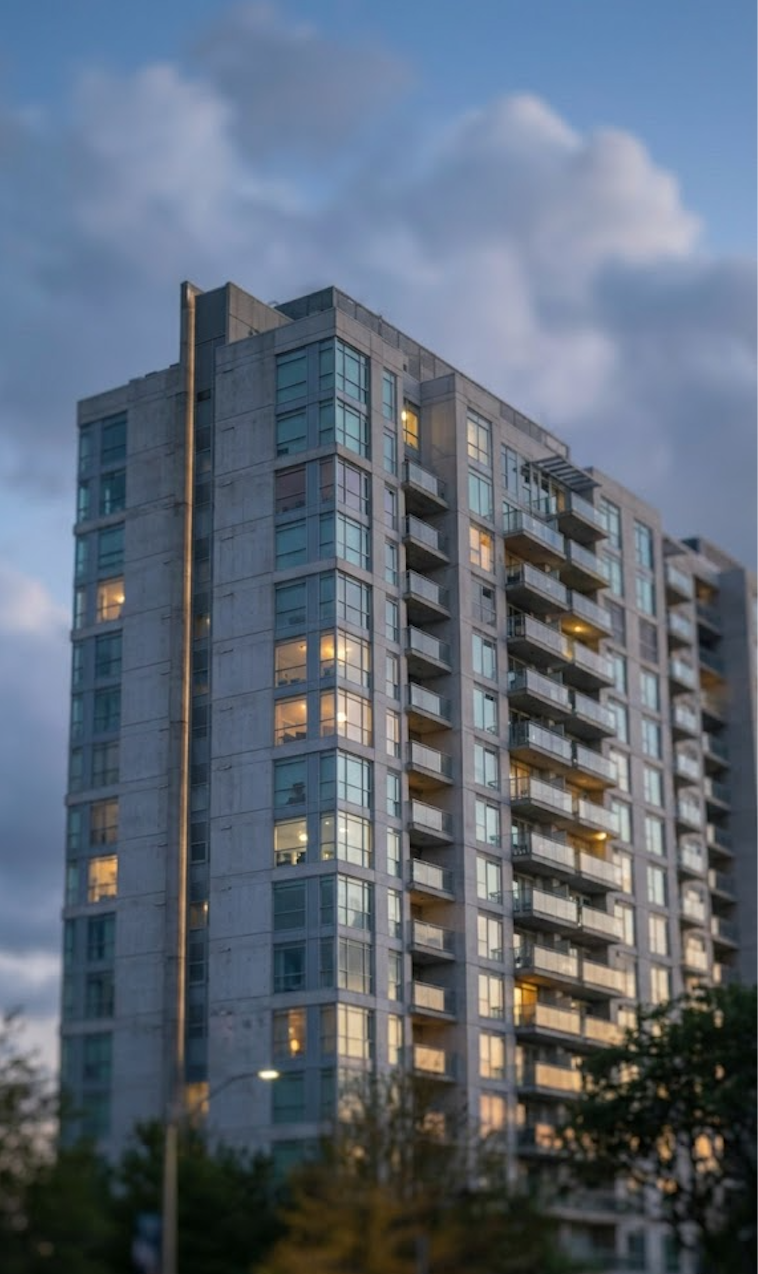
In the Myrtle Beach market, high-rise buildings are generally defined as anything over six to eight stories, while low-rise buildings typically run two to four stories. There are also mid-rise buildings in between. Oceanfront high-rises dominate the central Myrtle Beach coastline, while low-rise buildings are more common in secondary beach areas, golf communities, and interior neighborhoods. Each building type comes with a different set of characteristics that affect your ownership experience and return on investment.

High-Rise Pros: Views, Amenities, and Rental DemandHi Rise Pros and Cons

High-rise oceanfront condos in Myrtle Beach are in high demand among vacation renters. Upper-floor units in these buildings command premium nightly rates precisely because of the unobstructed ocean views and resort-quality amenities — pools, lazy rivers, hot tubs, fitness centers, and on-site management offices. For investment-focused buyers, a well-run high-rise oceanfront building with strong rental history is one of the most reliable income-generating assets on the Grand Strand. Demand from renters stays strong season after season, and occupancy rates in top buildings are consistently high from spring through fall.

High-rise buildings also tend to have professional on-site management, making the ownership experience more hands-off. The building takes care of exterior maintenance, elevators, amenities, and common areas — something that matters to owners who don't live locally.

High-Rise Cons: HOA Fees and Financing Complexity

The premium amenities and services in high-rise buildings come with higher HOA fees. In a major oceanfront high-rise, monthly fees can run $700–$1,200 or more depending on the building size and amenity level. These fees eat into net rental income and increase the break-even threshold for cash flow. Buyers should always factor in HOA fees when analyzing rental returns — a unit with a high gross rental yield but $1,000/month in HOA fees may generate less net income than a low-rise unit with lower fees and lower gross revenue.

Financing can also be more complex in high-rise buildings. Some lenders require that a building have a certain percentage of owner-occupied units or meet minimum reserve fund thresholds before they'll approve conventional loans. Buildings with a high percentage of investor units or pending litigation may only qualify for cash purchases or portfolio lending. See Myrtle Beach condo projects to explore the range of building options currently available.

Low-Rise Pros: Lower Costs, Easier Financing, Flexibility

Low-rise pros and cons


Low-rise condo buildings typically carry lower HOA fees because there are fewer shared amenities to maintain. No elevators, smaller pool areas or no pool at all, and simpler building systems mean lower monthly operating costs passed to owners. For buyers focused on net cash flow or long-term appreciation over short-term rental income, low-rise buildings often pencil out better on a spreadsheet.

Low-rise buildings also tend to be easier to finance. Because they have more owner-occupied units and less resort-style complexity, conventional lenders are more comfortable with them. First-time buyers or buyers with limited cash reserves may find it easier to qualify for a loan in a low-rise building than in a large oceanfront tower.

Low-Rise Cons: Lower Rental Demand and Fewer Amenities

The trade-off is rental demand. Vacationers searching for a Myrtle Beach condo typically prioritize oceanfront location, ocean view, and amenities. A third-floor unit in a two-story garden-style building half a mile from the beach will not command the same nightly rate or occupancy as a 14th-floor oceanfront unit in a major resort tower. If rental income is your primary goal, low-rise buildings generally underperform high-rises in gross revenue — even if they outperform on net yield after expenses.

Low-rise buildings also tend to attract more long-term or full-time residents, which can affect the rental culture of the building. Some low-rise communities have rental restrictions that limit short-term vacation rentals entirely, making them unsuitable for investment buyers. Understanding the building's rental rules before purchase is essential. Review rental income information to understand what drives returns across different property types.

Which Is Right for Your Investment Goals?

The answer depends on your priorities. If you want maximum short-term rental income and are comfortable with higher HOA fees and more complex financing, oceanfront high-rises are hard to beat in Myrtle Beach. If you want lower carrying costs, easier financing, or a full-time residence with potential appreciation, low-rise buildings in quality locations can deliver strong long-term returns. Some buyers split the difference with mid-rise oceanfront buildings that combine reasonable HOA fees with solid rental potential and views. The Myrtle Beach real estate market report provides current data on pricing trends across building types.

Work With an Agent Who Knows the Numbers

Abe Safa is a real estate agent with Century 21 The Harrelson Group, serving buyers, sellers, and investors throughout Myrtle Beach and the Grand Strand. With 38 years of local experience and over 1,300 closings, Abe brings a data-driven, client-first approach to every transaction. To connect with Abe, call or text (843) 360-2145.


Frequently Asked Questions

What is the main difference between high-rise and low-rise condos as investments in Myrtle Beach?
High-rise condos (typically 10+ floors) in Myrtle Beach tend to offer better ocean views, more resort-style amenities, and stronger rental income potential — particularly for upper-floor oceanfront units. Low-rise buildings (typically 1–4 floors) often have lower HOA fees, simpler maintenance structures, and attract buyers seeking a quieter, more residential feel. For investors focused on short-term vacation rental income, high-rises on or near the beach generally outperform. For longer-term or primary residence buyers, low-rises in desirable communities can offer excellent value.

Do high-rise condos generate more rental income than low-rise condos?
Generally yes, for oceanfront locations — higher floors with unobstructed ocean views command meaningfully higher nightly rates and attract more bookings during peak season. However, high-rises also come with higher HOA fees that offset some of that income advantage. Low-rise condos in well-located communities can still produce solid rental returns, especially if they offer amenities like pool access, proximity to the beach, and updated interiors. The best approach is to model actual net income for specific units rather than generalizing by building type.

Are high-rise condos more expensive to maintain?
Yes — high-rise buildings have more complex systems (elevators, large HVAC infrastructure, extensive common areas, parking structures) that are costly to maintain and replace. These costs are reflected in higher monthly HOA fees. Before buying in a high-rise, it's critical to review the building's reserve fund and reserve study to ensure these future capital expenses are adequately funded. A building with aging infrastructure and an underfunded reserve is a significant financial risk regardless of its rental income potential.

Which building type is easier to finance — high-rise or low-rise?
Low-rise condo buildings are often easier to finance through conventional lenders because they tend to have higher owner-occupancy ratios and fewer financing restrictions. Some high-rise condo buildings — particularly condotels or buildings with high investor concentration — can be harder to finance conventionally and may require non-warrantable loan products with higher rates and stricter terms. Always confirm the financing profile of a specific building before making an offer, especially in high-rise oceanfront developments.

Which type of condo is better for a first-time investment buyer in the Grand Strand?
For first-time investors, a low-rise or mid-rise condo in a well-maintained community with reasonable HOA fees and a healthy reserve fund can be a less complicated entry point. High-rises with strong rental income potential are appealing but require more due diligence around HOA financials, building condition, and financing eligibility. Either way, working with a local agent who specializes in investment properties and knows the specific buildings in depth is the most important step you can take before making a purchase decision.

Abe Safa

Abe Safa

Top Listing Agent | Century 21 Harrelson Group

Abe has lived in Myrtle Beach since 1988. He leads the Abe Safa Sales Team at Century 21 Harrelson Group, specializing in selling homes and condos across the Grand Strand. Known for aggressive marketing, sharp negotiation, calm leadership through closing, and an impeccable track record, putting him in the elite top 1% in the country for listing agents.

📞 (843) 360-2145  /  📧 asafa@c21harrelson.com

Posted in Condo Sales