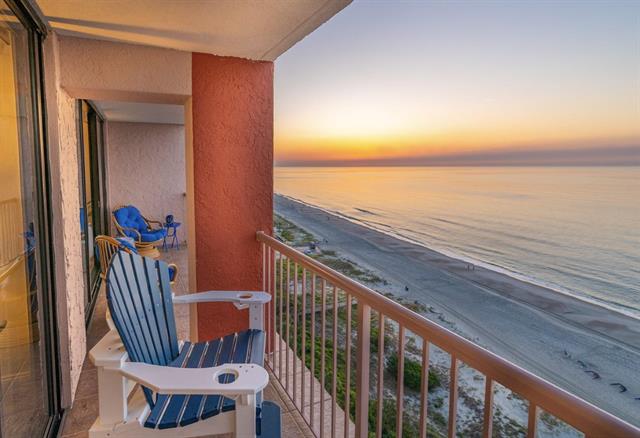
 Myrtle Beach has quietly become one of the top relocation destinations for retirees in the United States — and for good reason. The combination of a mild four-season climate, low property taxes, no state income tax on Social Security, reasonable cost of living, and miles of Atlantic coastline makes the Grand Strand an appealing place to spend retirement. For retirees specifically looking at condo living, the Myrtle Beach market offers a wide range of communities that trade lawn maintenance and home upkeep for amenities, walkability, and a built-in sense of community.
What Retirees Typically Look for in a Condo Community
Retirement buyers tend to prioritize different things than investment buyers or vacation condo purchasers. Single-floor living, elevator access, covered parking, proximity to medical facilities, and low-maintenance ownership are often at the top of the list. Many retirees also want proximity to restaurants, shops, and entertainment without the need to drive long distances. Social amenities — pools, common areas, fitness centers, and activity spaces — matter too. Finally, HOA management quality is critical: retirees want communities that are well-run, financially stable, and properly maintained so they don't face surprise assessments.
Oceanfront Condo Communities
For retirees who want to wake up to an ocean view and walk to the beach each morning, oceanfront high-rise buildings along the main Myrtle Beach coastline offer the full coastal living experience. Buildings in the central Myrtle Beach and southern end areas tend to have full amenity packages including pools, hot tubs, fitness centers, and on-site management. Ocean Boulevard and the surrounding areas have the highest density of oceanfront options across multiple price points. Many of these buildings have active owner communities with social events and well-established rental management programs for owners who travel part of the year.
North Myrtle Beach — A Quieter Alternative
Retirees who prefer a slower pace often gravitate toward North Myrtle Beach, which offers the same coastal lifestyle in a less commercial environment. Communities in Cherry Grove, Ocean Drive, Crescent Beach, and Windy Hill have a neighborhood character that appeals to buyers who want oceanfront or ocean-view living without the resort-district noise of central Myrtle Beach. The Cherry Grove inlet area, in particular, is popular among retirees who enjoy fishing, boating, and a genuine beach town atmosphere. Explore available North Myrtle Beach condos for sale to see the range of options in this area.
Surfside Beach and Garden City — Small-Town Feel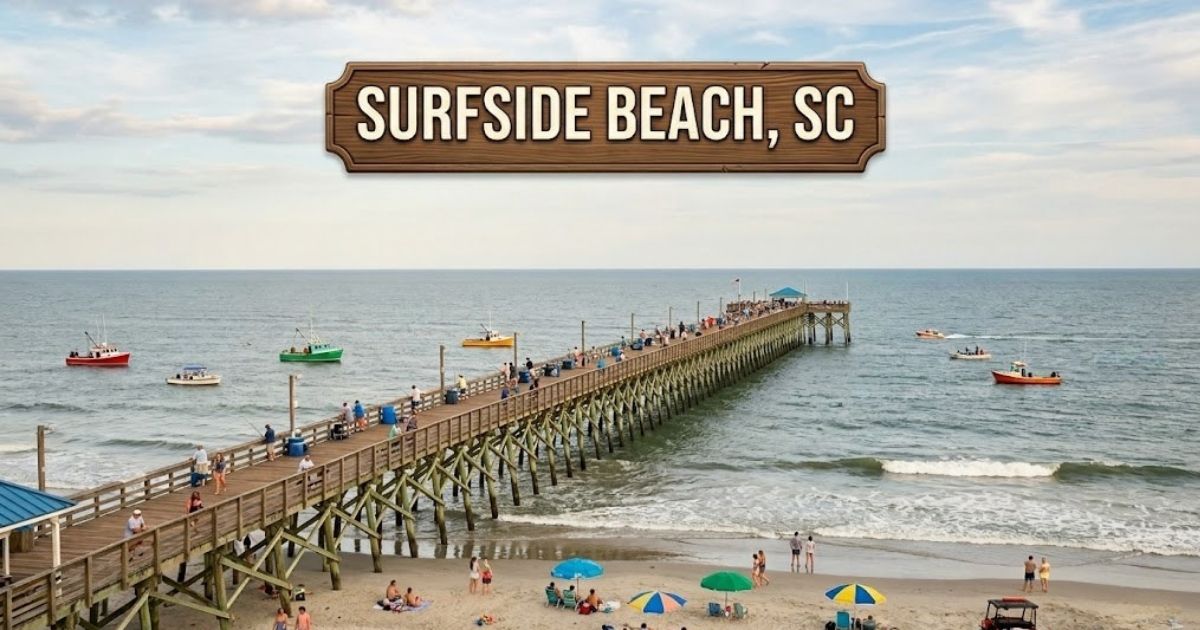
South of Myrtle Beach proper, Surfside Beach and Garden City Beach attract a significant number of retirees looking for a quieter community identity. Surfside Beach has positioned itself as "The Family Beach" for decades, but its combination of affordability, beach access, and lower density has made it very popular with retirees as well. Garden City Beach sits just south of Surfside and offers some of the most reasonably priced oceanfront condo options on the Grand Strand. Both areas have lower commercial activity, which many retirees find preferable to the busy central Myrtle Beach strip.
Murrells Inlet and Pawleys Island — Upscale Coastal Retirement
Further south, Murrells Inlet and Pawleys Island attract retirees seeking a more upscale, established coastal community. Murrells Inlet is famous for its Marshwalk and seafood restaurant row, and condo options here offer marsh views and a genuine fishing-village atmosphere. Pawleys Island is one of the oldest resort communities on the East Coast and has a distinctly traditional, low-key character that appeals to buyers looking for something more understated. Both communities offer easy access to golf, nature preserves, and the Brookgreen Gardens — a major cultural attraction and botanical garden.
Interior and Golf Course Condo Communities
Not every retiree wants to be on the beach. Many prefer the amenities of a golf course community — lower HOA fees, larger units, and layouts designed for full-time living rather than vacation stays. Carolina Forest, Market Common, and the interior areas of Myrtle Beach proper have condo communities built with year-round residents in mind. These offer easy access to shopping, medical facilities, and the airport while providing a quieter setting than oceanfront buildings. Market Common, in particular, has become a popular mixed-use community with walkable shopping and dining that retirees find appealing. See what's available across Myrtle Beach condos for sale for a complete picture of the market.
HOA Considerations Retirees Should Understand
Condo HOA fees in Myrtle Beach vary widely — from under $300/month in some interior buildings to over $1,000/month in full-service oceanfront towers. Before purchasing, retirees should review the HOA's reserve fund status, any pending special assessments, the building's insurance structure, and what the monthly fees actually cover. In oceanfront buildings, exterior wind and hail insurance is typically included in the HOA, which is a significant benefit given coastal insurance costs. In interior or golf course buildings, unit owners may carry more of their own insurance. Understanding the full cost of ownership — HOA, insurance, taxes, and utilities — is essential to accurate retirement budgeting. Explore popular condo types to understand which building styles best fit a retirement lifestyle.
Working With an Agent Who Knows Retirement Condo Buying

Retirement condo purchases involve layers of due diligence that go beyond what typical home sales require. An experienced agent who knows HOA financial health, building age and condition, flood zone implications, and the rental rules that affect resale value is essential. Abe Safa is a real estate agent with Century 21 The Harrelson Group, serving buyers, sellers, and investors throughout Myrtle Beach and the Grand Strand. With 38 years of local experience and over 1,300 closings, Abe brings a data-driven, client-first approach to every transaction. To connect with Abe, call or text (843) 360-2145.
Frequently Asked Questions
What makes a Myrtle Beach condo community ideal for retirees?
The best condo communities for retirees in the Grand Strand offer a combination of low-maintenance living, resort-style amenities, safety, and proximity to healthcare, dining, and recreational options. One-level or elevator-accessible units are important for long-term comfort, and communities with active social programming, fitness facilities, and walking distance to the beach rank consistently high among retiree buyers. HOA fees that cover exterior maintenance, landscaping, and building upkeep are also a significant draw for buyers who want to minimize hands-on property management.
Which areas of the Grand Strand are most popular with retirees buying condos?
North Myrtle Beach, Murrells Inlet, Pawleys Island, and the Market Common area of Myrtle Beach are consistently popular with retirees. These areas offer a quieter pace compared to the main Myrtle Beach strip, with excellent dining, golf, and community amenities. Oceanfront and ocean-view buildings in these areas attract buyers who want the coastal lifestyle without the congestion of the busiest tourist corridors. Market Common in particular has become a favorite for active retirees due to its walkable urban village design.
Are there age-restricted condo communities in the Myrtle Beach area?
Yes — there are 55+ communities in and around the Grand Strand, though they are more common in the inland and golf course areas than directly on the beach. Age-restricted communities typically offer strong amenity packages tailored to active adults, quieter environments, and residents with similar lifestyles. If a 55+ designation is important to you, that should be a primary search filter from the start, as these communities vary significantly in available unit types, price ranges, and HOA structures.
What HOA considerations are most important for retirees buying condos in the Grand Strand?
Retirees should pay close attention to what the HOA fee includes — ideally it should cover building insurance, exterior maintenance, water/sewer, amenities, and pest control, minimizing out-of-pocket surprises. Review the reserve fund health carefully, since retirees on fixed incomes are particularly vulnerable to unexpected special assessments. Also check the HOA's rules around rentals if you plan to generate income when you're not using the unit, as some retirement-oriented communities restrict or prohibit short-term rentals.
How do I find the right condo community for retirement in Myrtle Beach?
Start by defining your priorities: oceanfront vs. inland, active community vs. quiet retreat, rental income potential vs. purely personal use. Then work with a local real estate agent who specializes in the Grand Strand condo market and can walk you through communities that match your lifestyle and financial goals. Visiting in person — ideally during the off-season as well as peak season — gives you a much more accurate picture of what daily life in that community actually looks and feels like year-round.