Open houses have been a fixture of real estate marketing for decades, but their actual effectiveness has been debated — and increasingly questioned — as the industry has shifted online. In Myrtle Beach, where a large share of buyers come from out of state and shop digitally before ever visiting, the question of whether open houses still work deserves a direct answer. The truth is nuanced and depends heavily on the property type, price point, and how the open house is executed.
 What Open Houses Can and Can't Do
An open house creates a structured opportunity for curious buyers to experience a property without the pressure of a private appointment. For buyers who are browsing — still defining what they want — an open house lowers the barrier to entry. They can walk through without committing to a scheduled showing, which sometimes converts passive interest into active consideration.
What open houses almost never do is produce the serious buyer who ultimately makes an offer. Research consistently shows that a small percentage of homes are actually sold to buyers who first saw them at an open house. The buyer who writes the offer usually comes through a private showing scheduled after seeing the listing online. Open houses generate traffic; they rarely generate offers directly.
When Open Houses Make Sense in the Grand Strand
Open houses work best in certain specific scenarios. Properties priced near or below the local median — where buyers are more likely to be local or semi-local — benefit more than high-end or investment properties where buyers are more likely to come from out of state. Entry-level condos in Myrtle Beach with consistent foot traffic and a walkable, appealing location can draw genuine buyer interest on a Sunday afternoon.
New construction communities use open houses effectively because they showcase a model or finished unit and the builder has an ongoing pipeline of buyers to funnel through. For resale sellers, the calculus is different. Understanding the full picture of your Myrtle Beach selling strategy — including which marketing channels actually produce qualified buyers — helps you make a more informed decision about where to invest your time.
Open houses also serve a secondary function: market research. Feedback from visitors — even non-buyers — about price, condition, and presentation can be useful data. If 20 people walk through and none ask about price or next steps, that's a signal worth noting.
The Case Against Open Houses for Many Myrtle Beach Sellers
The majority of Grand Strand buyers are not local. They're planning a trip specifically to see properties they've identified online. These buyers work with buyers' agents who schedule private showings in advance — they don't wander into open houses. A marketing strategy built around capturing this buyer profile needs to reach them digitally, not on a Sunday afternoon at a physical address.
There are also real logistical costs to open houses. The seller must vacate the property, often with pets, for several hours. Security concerns are legitimate — strangers walk through unsupervised or loosely supervised. In luxury markets and investment-grade condo buildings with security systems and key fob access, coordinating access adds friction. These costs need to be weighed against the modest and variable return. Reviewing recently sold properties in Myrtle Beach reveals that the most successful listings shared strong digital marketing, competitive pricing, and professional presentation — not necessarily open houses.
 Virtual Open Houses: A More Effective Alternative
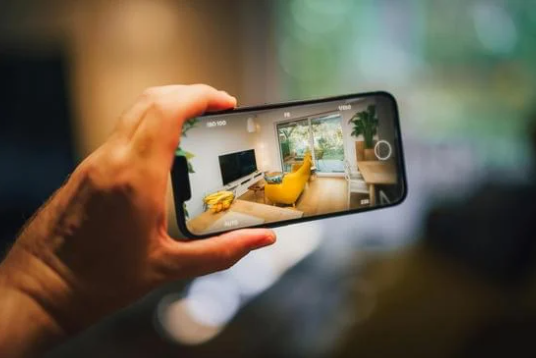
Live-streamed property tours on Facebook, Instagram, or YouTube have emerged as a more effective substitute for traditional open houses — particularly for out-of-state buyer audiences. A live virtual tour reaches buyers who can't physically attend and allows them to ask questions in real time. It can be recorded and redistributed as on-demand content after the event.
For the Grand Strand market specifically, a well-promoted virtual open house targeting buyers in the feeder markets — Northeast, Midwest, and Southeast metros — creates engagement that a physical open house simply can't. Seller strategies for softer markets increasingly emphasize digital engagement over in-person events for exactly this reason.
The Honest Verdict
Open houses in Myrtle Beach are rarely the primary driver of a sale, but they're not entirely without value. For the right property — locally accessible, competitively priced, in a high-traffic area — an open house can generate useful buyer exposure and feedback. For most sellers, especially those with investment properties, luxury condos, or properties that primarily appeal to out-of-state buyers, digital marketing and private showings will consistently outperform the open house as a use of time and resources.
Frequently Asked Questions
Should I require an open house when listing my Myrtle Beach home?
You shouldn't require it, but you shouldn't refuse it either. Discuss the tradeoffs honestly with your agent. If they believe an open house is likely to generate useful buyer traffic for your specific property, it may be worth doing once or twice early in the listing. But it should be one tactic in a broader strategy, not the centerpiece of your marketing plan.
Do open houses attract serious buyers in Myrtle Beach?
Occasionally, yes — but more often they attract neighbors, curious passersby, and early-stage browsers. The serious buyer who has already done research online and identified your property as a candidate will typically schedule a private showing. Open houses are better thought of as awareness and feedback tools than deal-generating events.
How long should a Myrtle Beach open house last?
Two to three hours on a Saturday or Sunday afternoon is the standard format. Longer events rarely generate proportionally more traffic. Promoting the open house through MLS syndication, social media, and email to the agent's buyer database in the days before will determine attendance more than the duration itself.
Are virtual open houses effective for selling Myrtle Beach condos?
Yes — often more effective than in-person events for condo properties with out-of-state buyer appeal. A live-streamed walkthrough on Facebook or YouTube can reach hundreds of prospective buyers in their target markets simultaneously. The recording can then be repurposed as listing content and shared across platforms for ongoing exposure.
What's the biggest mistake sellers make with open houses?
Treating the open house as the primary marketing strategy. The listing needs to be fully positioned — correct price, professional photos, strong description, active digital promotion — before the open house. An open house for a poorly priced or poorly presented listing produces foot traffic that confirms the pricing problem without fixing it.