The off-season in Myrtle Beach—typically November through February—is when many investment condo owners step back from active rentals. But it's also when deferred maintenance, weather damage, and vacancy risks can quietly erode your investment. A proactive off-season plan protects your asset and sets you up for a profitable spring.
Conduct a Thorough Property Inspection
Before winter sets in, walk through your unit and check for any maintenance issues that developed during the busy rental season. Look for HVAC wear, plumbing leaks, caulking around showers and windows, and wear on flooring and furniture. Addressing small issues in the fall is far less expensive than emergency repairs in peak season.
Review Your Insurance Coverage
Ensure your condo owner's insurance policy (separate from the building's master policy) covers interior damage, loss of rental income, and liability. Coastal properties in South Carolina face risks from wind, flooding, and storm surge—review your policy annually and confirm your flood zone designation hasn't changed.
Keep the Unit Active, Even at Lower Rates
Completely closing up your unit in the off-season can leave it feeling stale and increases the risk of issues going unnoticed. Consider offering reduced winter rates to snowbirds or longer-term tenants. Even modest off-season income keeps the unit occupied, the air circulating, and cash flowing to offset HOA fees.
Winterize Smart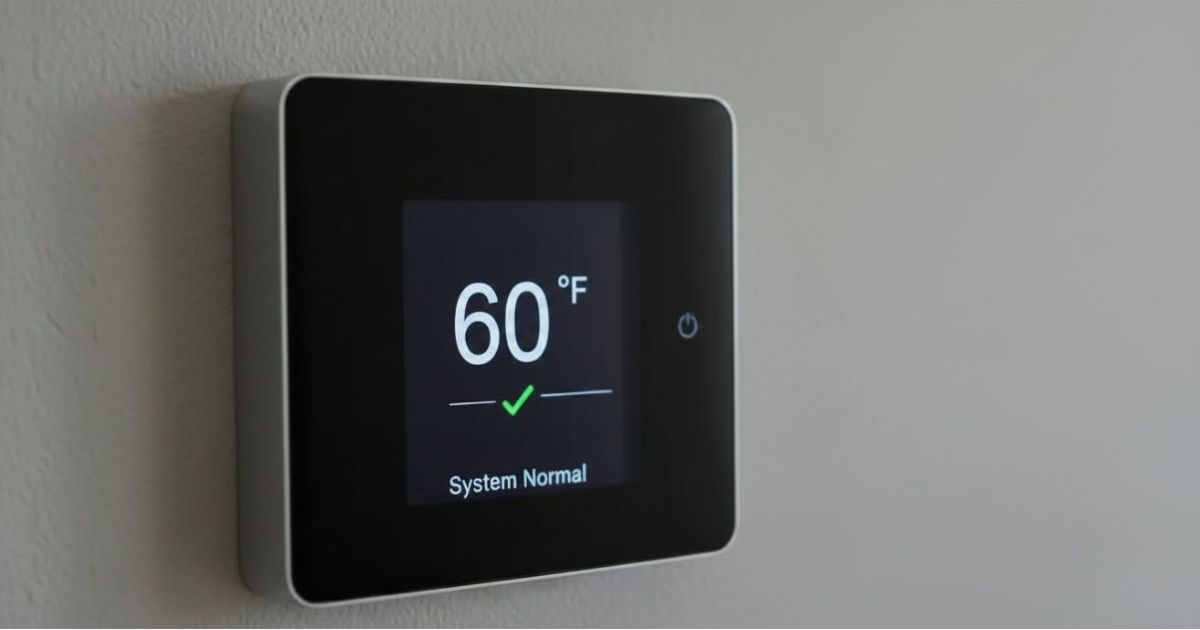
Set the thermostat to a minimum of 60°F to prevent pipe condensation issues in rare cold snaps. Leave cabinet doors under sinks open to allow air circulation. If the unit won't be used at all, arrange for a neighbor, property manager, or building staff to check in periodically.
Work With a Local Property Manager
A good local property management company handles off-season maintenance coordination, inspections, and marketing for the spring rebound. Explore rental property management options to find services that fit your investment strategy. Understanding your rental income potential for the coming season will also help you plan pricing and availability. Browse current Myrtle Beach condos for sale if you're considering expanding your portfolio during the slower winter months when competition is lower.
Frequently Asked Questions
What are the most important steps to protect a Myrtle Beach condo during the off-season?
The off-season — typically October through February — requires a specific checklist for coastal condos. Key steps include setting the thermostat no lower than 60°F to prevent pipe issues, checking HVAC filters, inspecting windows and sliding doors for seal integrity, ensuring the unit is properly ventilated to prevent mold, and doing a walk-through inspection after any significant storms. If you're managing the condo remotely, a local property manager or trusted contact who can check on it regularly is invaluable.
How do I prevent mold in my Myrtle Beach condo when it's not in use?
Mold is one of the most common and costly problems in coastal properties that sit unoccupied for weeks at a time. Keep the air conditioning running — even in cooler months — set to around 72–74°F with a dehumidifier running if possible. Leave interior doors open to allow air circulation. Check under sinks, around windows, and in bathrooms periodically for any signs of moisture. Addressing small moisture issues early prevents the major remediation costs that come from extended mold growth.
Should I winterize my Myrtle Beach condo differently than a home in a colder climate?
Myrtle Beach rarely sees freezing temperatures for extended periods, but pipes can still freeze during cold snaps. Maintain a minimum indoor temperature of 60–65°F, know where your unit's water shut-off is located, and if you're going to be away for an extended period, consider turning off the water supply to your unit entirely. Salt air also means exterior fixtures, railings, and appliances need periodic maintenance even in the off-season to prevent corrosion accelerated by coastal humidity.
Is it worth hiring a property manager for off-season condo oversight in the Grand Strand?
For owners who live out of state or cannot visit frequently, a local property manager provides significant peace of mind. They can coordinate post-storm inspections, manage any maintenance issues that arise, handle any insurance claims on your behalf, and keep the unit rental-ready for the spring season. The cost is often worth it relative to the risk of discovering a major problem — a leak, mold issue, or storm damage — weeks or months after it occurred.
What off-season maintenance tasks help maximize rental income the following summer?
The off-season is the ideal time to complete repairs, upgrades, and deep cleaning without disrupting rental revenue. Common high-value projects include replacing worn furniture or mattresses, repainting, upgrading kitchen or bathroom fixtures, recaulking showers and windows, and servicing HVAC equipment. Guests notice the difference between a well-maintained unit and one that's been neglected, and online reviews directly impact your booking rates and nightly pricing the following season.