Financing a condotel is one of the most misunderstood aspects of buying real estate in Myrtle Beach. Whether you're drawn to the oceanfront lifestyle or looking to generate rental income from a resort-style property, understanding how condotel financing works is the critical first step before you fall in love with a property.
 What Is a Condotel?
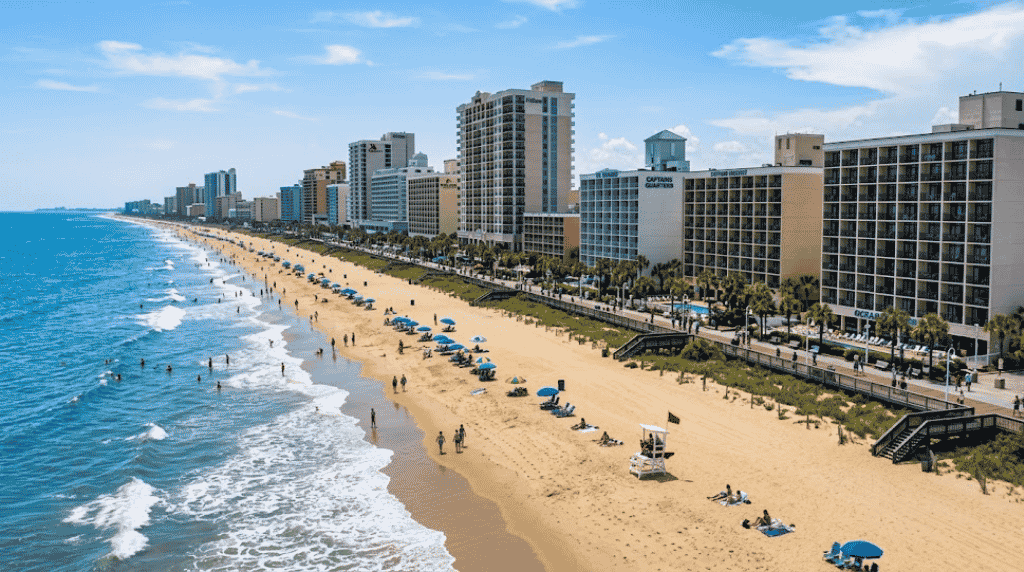
A condotel (also called a condo-hotel) is a condominium unit within a hotel-style complex that is individually owned but operated through a rental management program. Many of Myrtle Beach's most popular oceanfront towers — including properties on the Golden Mile and along the main strip — are classified as condotels. These units often come fully furnished, include hotel-style amenities, and allow owners to place them in rental programs when not in personal use.
The challenge is that most traditional lenders treat condotels differently from standard condos, which significantly affects financing options.
Why Conventional Loans Are Difficult for Condotels
Fannie Mae and Freddie Mac have strict guidelines about condotel financing. Most condotel projects don't qualify for conventional conforming loans because:
- Hotel-style operations. If a building is managed like a hotel with a front desk, daily rentals, or centralized rental management, lenders view it as a commercial investment rather than a standard residential property.
- Short-term rental focus. Buildings where most owners participate in nightly rental programs often fail the owner-occupancy ratio thresholds that conventional loans require.
- HOA restrictions. Some condotel HOAs prohibit certain types of financing outright, which automatically disqualifies conventional loan programs.
- Non-warrantable status. Projects with ongoing litigation, high investor concentration, or deferred maintenance are classified as non-warrantable condos and rejected by standard lenders.
Financing Options That Actually Work for Condotels
Even though conventional loans are often off the table, there are several financing paths that work well for Myrtle Beach condotel buyers:
- Portfolio loans. Local and regional banks that keep loans in-house rather than selling them to the secondary market have much more flexibility. They can underwrite based on the property's rental income history and overall borrower strength, not just Fannie/Freddie guidelines.
- Non-QM (Non-Qualified Mortgage) loans. These are specifically designed for investment properties and non-warrantable condos. Interest rates are typically higher — often 1 to 2 percentage points above conventional rates — but they give buyers access to financing that wouldn't otherwise exist.
- DSCR loans (Debt Service Coverage Ratio). DSCR loans qualify the property based on its rental income potential rather than the borrower's personal income. If the unit's projected rent covers the mortgage payment, you may qualify even without traditional income documentation. These are popular with investors who own multiple properties.
- Cash purchases. A significant percentage of condotel sales in Myrtle Beach are all-cash transactions. Cash eliminates lender restrictions entirely and often gives buyers negotiating leverage on price and closing timeline.
- Seller financing. On occasion, sellers of paid-off condotel units are willing to carry financing directly. Terms are negotiated between buyer and seller, bypassing institutional lenders altogether.
How Mortgage Rates Affect Your Condotel Purchase
Because condotel loans are typically portfolio or non-QM products, your interest rate will be higher than what you see advertised for primary residences. It's important to run the real numbers before you fall in love with a unit. Factor in the higher rate, HOA fees (which can range from $500 to $1,500 per month in resort buildings), property taxes, insurance, and management fees.
Down Payment Requirements
Plan on putting down at least 20–30% for a condotel loan. Some non-QM lenders require 25–35%, depending on the project classification and borrower profile. The higher down payment requirement is one reason cash purchases are so prevalent in this segment of the market.
What to Ask Before Making an Offer
Before writing an offer on a condotel, get answers to these questions:
- What is the project's warrantability status? Your lender needs this to determine which loan programs apply.
- What are the HOA financials? Lenders scrutinize reserves and pending special assessments closely on condotel projects.
- What percentage of units are investor-owned vs. owner-occupied? High investor concentration can kill conventional financing for all buyers in the project.
- Does the HOA allow rentals? And are there restrictions on rental frequency or minimum stay lengths?
If you're planning to use the unit as a rental investment, also review the rental income potential for comparable units in the building before you commit.
Frequently Asked Questions
Can I use an FHA or VA loan to buy a condotel in Myrtle Beach?
Almost never. FHA and VA loans have even stricter condo project approval requirements than conventional loans. Very few condotel projects in Myrtle Beach are on the FHA-approved condo list.
What credit score do I need for a condotel loan?
Most portfolio and non-QM lenders want to see a credit score of at least 680, with better rates available above 720. Some DSCR programs have more flexibility, but strong credit will always get you better terms.
Is condotel financing the same throughout South Carolina?
The guidelines are similar statewide, but the availability of lenders who specialize in condotel financing is much higher in coastal markets like Myrtle Beach, Hilton Head, and Pawleys Island — simply because lenders there have more experience with these property types.
Should I work with a local lender or a national bank?
For condotels specifically, local and regional lenders almost always have better options. National banks tend to apply Fannie/Freddie guidelines rigidly. A local portfolio lender who knows the Myrtle Beach market understands these properties and has programs built around them.