Every few months, a national publication runs a story about the Myrtle Beach real estate market — and almost every time, something is off. The headlines overstate the risk or understate the opportunity, and they're almost always written by people who've visited once or are working from national datasets that obscure what's actually happening on the ground here. After nearly four decades in this market, here's my unfiltered take.
The Crash That Never Came
For the past several years, I've heard from buyers who are holding off because they're waiting for prices to drop. They've read national headlines about a cooling housing market, rising rates, and affordability pressures — and they assume Myrtle Beach will follow the national narrative down. Some of them have been waiting since 2022.
Here's what I've actually seen: prices have moderated from their pandemic-era peaks in some segments, but they have not crashed. Demand from out-of-state buyers has remained genuinely robust. The fundamental reasons people move to or invest in the Grand Strand — low cost of living, no state income tax on Social Security, warm weather, affordability relative to other coastal markets — have not changed. Every down cycle I've witnessed in this market has been followed by a recovery, often stronger than what came before. For deeper context on why the market remains resilient, see why the Myrtle Beach market isn't headed for a crash.
The Out-of-State Buyer Effect Is Real and Persistent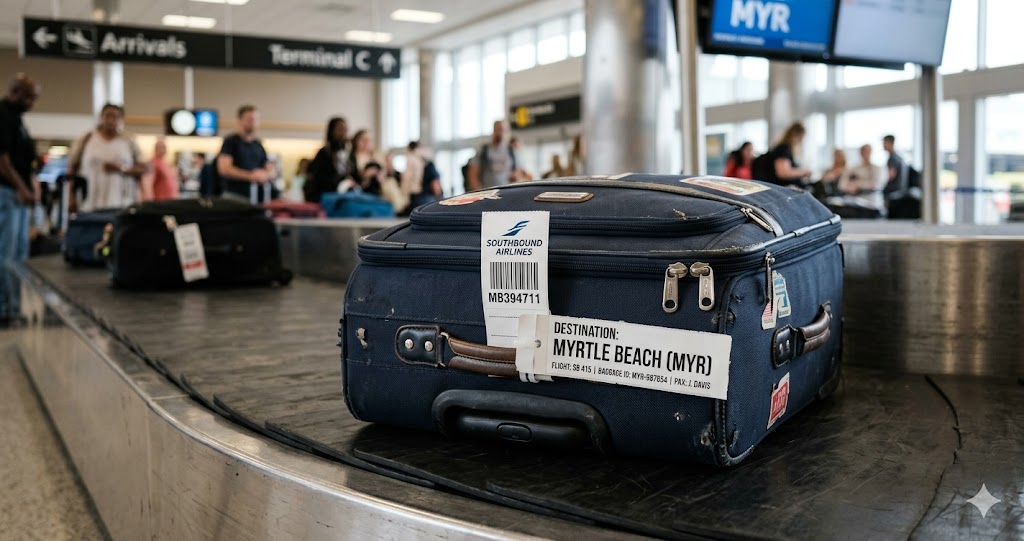
One thing that separates Myrtle Beach from most residential markets is the outsized influence of out-of-state buyers. When someone from Ohio or Michigan or New York decides to buy here, they're not being influenced by local economic conditions — they're responding to a lifestyle decision or an investment thesis that is largely immune to local noise.
That steady external demand acts as a floor under prices in a way that purely local markets don't have. Even in periods when local activity softens, the feeder market pipeline from the Northeast and Midwest continues to send buyers. I've closed deals with buyers from 30 different states over the years. That kind of geographic diversification in the buyer pool is one of the structural strengths of this market.
Not All Segments Move Together
When people talk about "the Myrtle Beach market," they're often flattening enormous variation into a single narrative. Oceanfront condos behave differently from inland single-family homes. The North Myrtle Beach market has its own dynamics distinct from central Myrtle Beach or Surfside Beach. Properties at the $150,000 price point face different conditions than properties at $600,000.
The Myrtle Beach real estate market report provides current data across segments — and what you'll find is that no single headline captures what's actually happening. Some segments are active and competitive; others have more inventory and more negotiating room for buyers. Understanding which segment you're operating in is essential before forming any view about market conditions.
 The Rental Income Story Is More Complicated Than Investors Expect
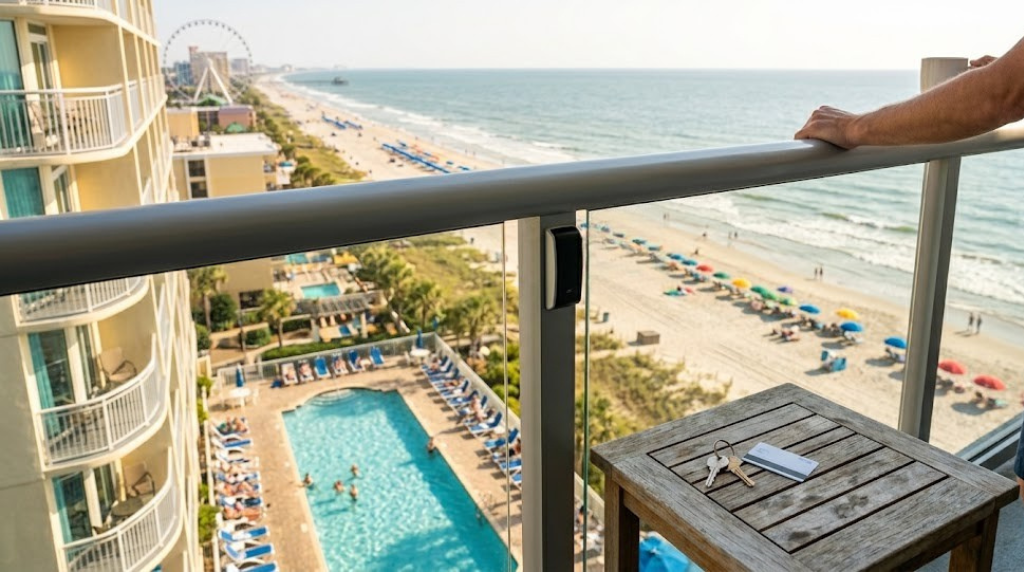
The pitch for Myrtle Beach investment condos often focuses on gross rental income. The reality is that net income — after HOA fees, rental management commissions, insurance, maintenance, and reserves — is what actually matters. And those costs can vary dramatically by building, unit type, and rental program structure.
I've seen buyers purchase condos based on gross income projections from a seller's rental history without understanding that a management commission change or a rental program switch could alter the net significantly. I always walk investment buyers through a full net income analysis before they commit. The numbers can still be very compelling — but you need the right numbers.
The Insurance Market Is Changing the Math
One thing that has genuinely shifted in the past few years is coastal property insurance. Premiums for oceanfront properties in South Carolina have risen meaningfully, and some insurers have reduced their exposure in the market entirely. For buyers financing a purchase, this affects both affordability calculations and lender requirements.
This doesn't make coastal investment a bad proposition — but it does require that buyers factor insurance into their pro forma honestly. A local agent who is active in the market can point you toward current insurance realities and connect you with carriers who are actively writing policies in the coastal area. Browse recently sold condos to calibrate price expectations against what's actually been transacting.
What the Market Actually Rewards Right Now
Based on what I'm seeing on the ground: buyers who are pre-approved, decisive, and working with realistic expectations about pricing are closing deals. Sellers who are priced accurately for current conditions — not for 2022 peak prices — are selling. The market is not frozen and it is not in freefall. It is, in the truest sense, a market: dynamic, deal-specific, and responsive to how well-prepared the participants are.
That's the real story from someone who drives these streets, knows these buildings, and has been closing deals here since before most national real estate commentators knew Myrtle Beach existed.
Frequently Asked Questions
Is now a good time to buy in Myrtle Beach?
For buyers with a medium-to-long time horizon, the structural case for Myrtle Beach real estate remains strong. The area continues to attract retirees, remote workers, and investors. Prices are more accessible than their 2022 peaks in many segments. Buyers who are waiting for a significant correction may be waiting a very long time — and paying higher prices in the interim through inaction.
Are there any areas of Myrtle Beach where prices have actually dropped?
Yes — some condo segments that saw the most extreme appreciation during 2020–2022 have come down from those peaks. Condotel units in buildings with financing challenges have been particularly subject to price softening. Buyers looking for value can find it in those segments, though the financing considerations require careful attention.
How does the Myrtle Beach market compare to other coastal SC markets?
Myrtle Beach remains significantly more affordable than Hilton Head Island and the Charleston area for comparable coastal properties. It offers more active rental markets than smaller beach communities, with higher gross rental potential for investment buyers. The tradeoff is that it's a more touristy environment — a feature to some buyers and a drawback to others.