 Insurance costs have become one of the biggest financial surprises for Myrtle Beach condo owners in recent years. Rising premiums for both the building's master policy and individual unit coverage are changing the math on condo ownership across the Grand Strand—and buyers need to factor this in before making a purchase decision.
Why Condo Insurance Costs Are Rising
South Carolina's coastal exposure to hurricanes, tropical storms, and flooding has prompted major insurers to pull back from the market or significantly raise rates. Reinsurance costs passed down from carriers, combined with increased construction costs for post-storm repairs, have driven premiums upward across the board. Buildings that have filed claims recently may face even steeper increases at renewal.
Master Policy vs. HO-6 Coverage
The building's HOA carries a master insurance policy that covers the structure and common areas. As a unit owner, you're responsible for an HO-6 policy that covers your interior finishes, personal property, and personal liability. In recent years, both types of premiums have increased—and special assessments to cover master policy deductibles have hit owners in some buildings. Always review the master policy deductible before purchasing a unit.
Flood Insurance: A Separate Requirement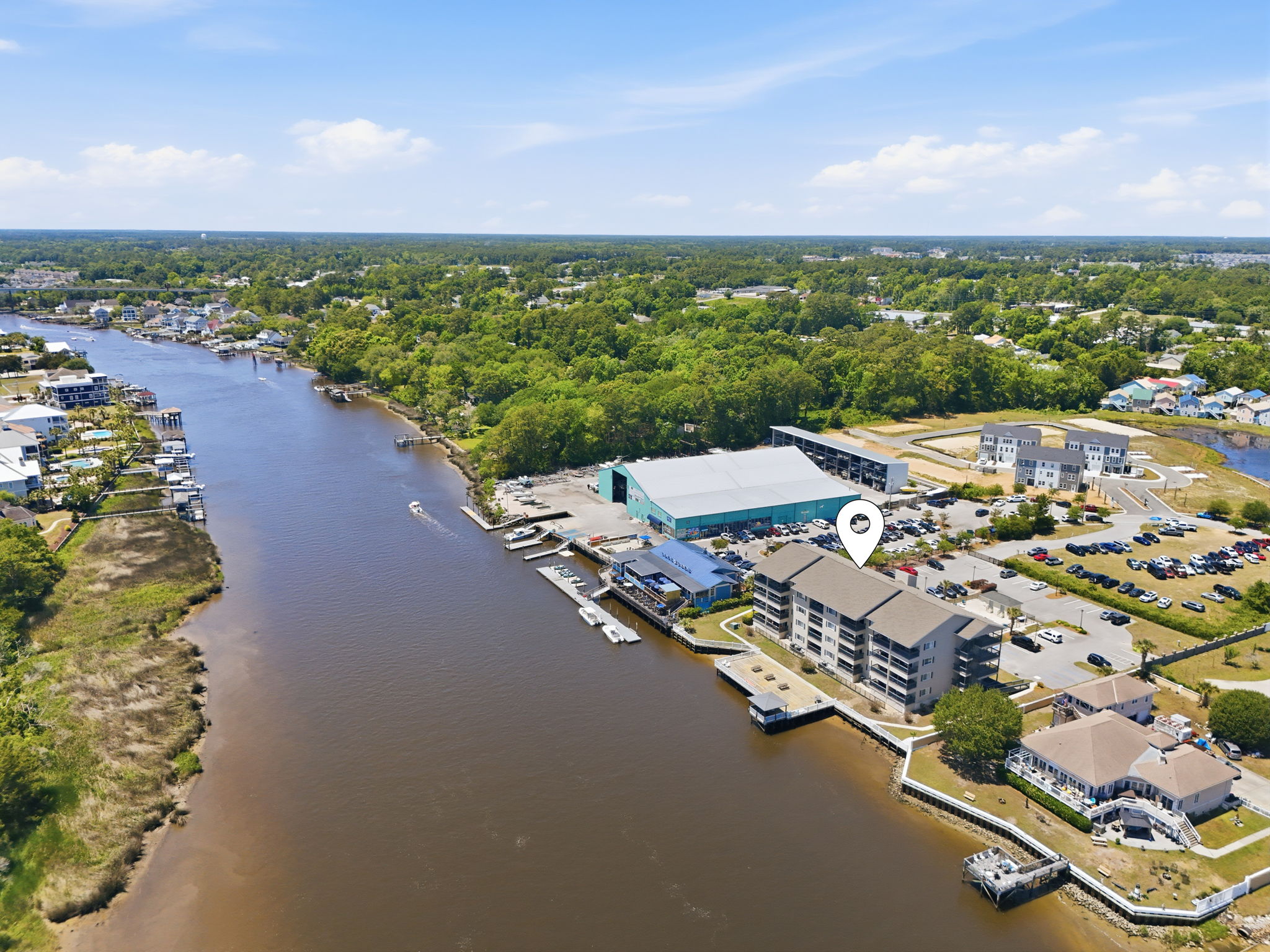
Most oceanfront and waterway condos in Myrtle Beach are in FEMA flood zones, which require separate flood insurance. Rates have increased under FEMA's Risk Rating 2.0 system, with properties in higher-risk zones seeing the largest jumps. Always check the current flood insurance rate for the specific unit and building before making an offer.
How to Evaluate Insurance Impact on Your Budget
When calculating total monthly costs, include your HO-6 premium, flood insurance, and your proportionate share of the master policy reflected in your HOA fees. For investment buyers, insurance costs directly reduce net rental income. This is one area where working with an experienced local agent—like Abe Safa—can save you from a costly miscalculation. Abe reviews insurance implications on every deal and helps buyers understand total cost of ownership before committing.
Explore popular condo types to understand which building categories tend to carry higher or lower insurance burdens. And browse Myrtle Beach condo projects to identify buildings with strong financials and manageable insurance histories.
Frequently Asked Questions
How have insurance rates affected Myrtle Beach condo ownership costs in 2026?
Insurance costs for coastal properties have risen significantly across South Carolina over the past several years, driven by increased storm activity, reinsurance market pressures, and some carriers exiting coastal markets altogether. For many Myrtle Beach condo owners, both the building's master policy (paid through HOA dues) and individual unit policies (HO-6) have seen meaningful premium increases. Buyers today need to factor realistic insurance costs into their monthly carrying cost calculations — not just mortgage and HOA.
What is the difference between the building's master insurance and my own condo insurance?
The HOA's master insurance policy typically covers the building's structure, common areas, and sometimes original fixtures — but it does not cover your personal belongings, interior improvements, or your liability as an owner. An HO-6 policy (condo owner's insurance) fills that gap. In coastal markets, you'll also want to confirm whether flood insurance is included in the master policy or needs to be purchased separately, as flood coverage is a separate policy not included in standard homeowner's or condo insurance.
How do I find out what a building's insurance costs are before buying?
Request a copy of the HOA's current master insurance declarations page and the most recent budget. The budget will show the insurance line item and whether there have been significant increases year over year. You should also ask the HOA manager or listing agent whether any coverage changes are anticipated. For your own HO-6 policy, get quotes from multiple carriers before closing — rates vary significantly and some carriers are more competitive in coastal markets than others.
Can rising insurance costs affect my condo's resale value?
Yes — dramatically in some cases. If a building's insurance costs spike significantly, it pushes up HOA fees, which reduces affordability and can compress buyer demand for units in that building. In the most extreme cases, buildings that lose coverage or face non-renewal may become difficult to finance through conventional lenders, which severely limits the buyer pool. This makes it essential to investigate a building's insurance stability before purchasing, not just the unit price.
What should buyers look for regarding insurance when evaluating a Myrtle Beach condo?
Key questions to ask: Is the building's master policy current and fully paid? Does it include wind and storm coverage? Is there adequate flood insurance in place? Has the HOA had any non-renewal notices or coverage gaps in the past three years? Are there any pending insurance-related special assessments? A knowledgeable local agent can help you interpret the HOA documents and identify insurance-related risks that aren't obvious on the surface.