One of the most common decisions Myrtle Beach condo buyers face is whether to buy in a high-rise or a low-rise building. Both have their advocates, and the right answer depends heavily on your goals — whether you're buying for personal use, vacation rental income, long-term appreciation, or a mix of all three. Understanding the practical differences between these building types helps you invest more strategically.
What Counts as High-Rise vs. Low-Rise
In the Myrtle Beach market, high-rise buildings are generally defined as anything over six to eight stories, while low-rise buildings typically run two to four stories. There are also mid-rise buildings in between. Oceanfront high-rises dominate the central Myrtle Beach coastline, while low-rise buildings are more common in secondary beach areas, golf communities, and interior neighborhoods. Each building type comes with a different set of characteristics that affect your ownership experience and return on investment.
High-Rise Pros: Views, Amenities, and Rental Demand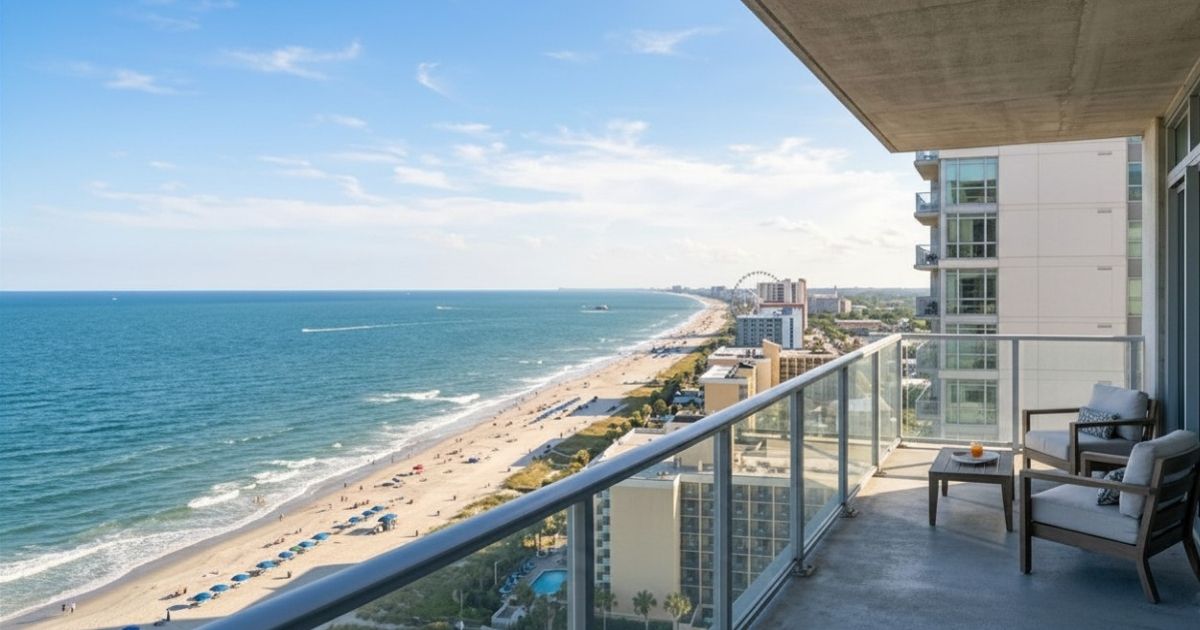
High-rise oceanfront condos in Myrtle Beach are in high demand among vacation renters. Upper-floor units in these buildings command premium nightly rates precisely because of the unobstructed ocean views and resort-quality amenities — pools, lazy rivers, hot tubs, fitness centers, and on-site management offices. For investment-focused buyers, a well-run high-rise oceanfront building with strong rental history is one of the most reliable income-generating assets on the Grand Strand. Demand from renters stays strong season after season, and occupancy rates in top buildings are consistently high from spring through fall.
High-rise buildings also tend to have professional on-site management, making the ownership experience more hands-off. The building takes care of exterior maintenance, elevators, amenities, and common areas — something that matters to owners who don't live locally.
High-Rise Cons: HOA Fees and Financing Complexity
The premium amenities and services in high-rise buildings come with higher HOA fees. In a major oceanfront high-rise, monthly fees can run $700–$1,200 or more depending on the building size and amenity level. These fees eat into net rental income and increase the break-even threshold for cash flow. Buyers should always factor in HOA fees when analyzing rental returns — a unit with a high gross rental yield but $1,000/month in HOA fees may generate less net income than a low-rise unit with lower fees and lower gross revenue.
Financing can also be more complex in high-rise buildings. Some lenders require that a building have a certain percentage of owner-occupied units or meet minimum reserve fund thresholds before they'll approve conventional loans. Buildings with a high percentage of investor units or pending litigation may only qualify for cash purchases or portfolio lending. See Myrtle Beach condo projects to explore the range of building options currently available.
Low-Rise Pros: Lower Costs, Easier Financing, Flexibility
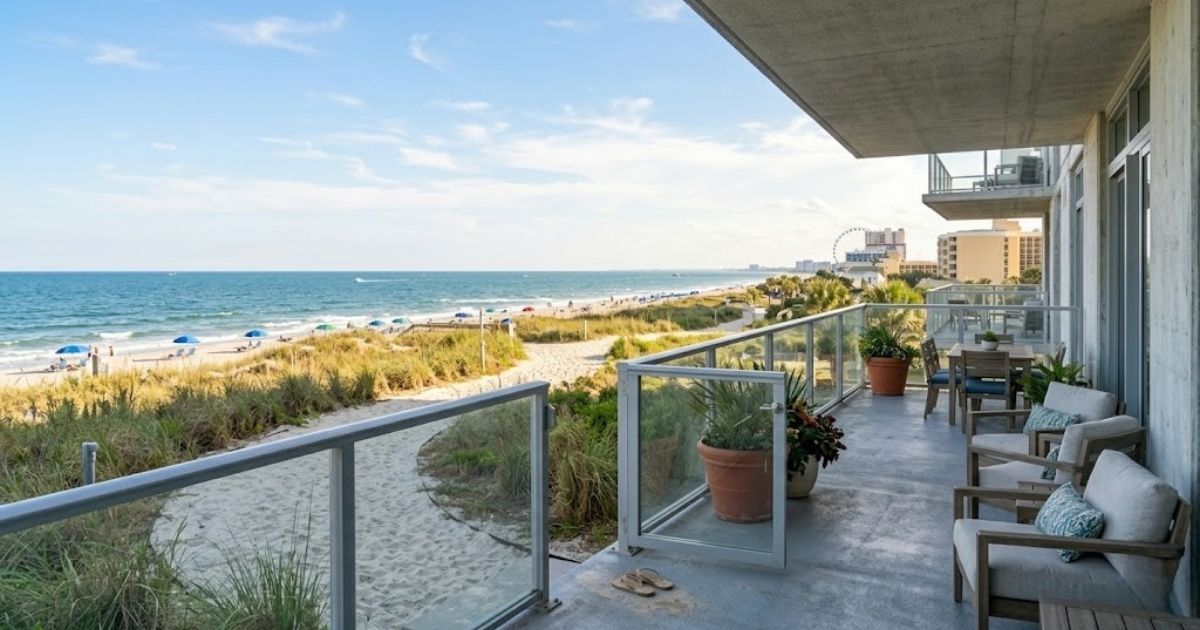
Low-rise condo buildings typically carry lower HOA fees because there are fewer shared amenities to maintain. No elevators, smaller pool areas or no pool at all, and simpler building systems mean lower monthly operating costs passed to owners. For buyers focused on net cash flow or long-term appreciation over short-term rental income, low-rise buildings often pencil out better on a spreadsheet.
Low-rise buildings also tend to be easier to finance. Because they have more owner-occupied units and less resort-style complexity, conventional lenders are more comfortable with them. First-time buyers or buyers with limited cash reserves may find it easier to qualify for a loan in a low-rise building than in a large oceanfront tower.
Low-Rise Cons: Lower Rental Demand and Fewer Amenities
The trade-off is rental demand. Vacationers searching for a Myrtle Beach condo typically prioritize oceanfront location, ocean view, and amenities. A third-floor unit in a two-story garden-style building half a mile from the beach will not command the same nightly rate or occupancy as a 14th-floor oceanfront unit in a major resort tower. If rental income is your primary goal, low-rise buildings generally underperform high-rises in gross revenue — even if they outperform on net yield after expenses.
Low-rise buildings also tend to attract more long-term or full-time residents, which can affect the rental culture of the building. Some low-rise communities have rental restrictions that limit short-term vacation rentals entirely, making them unsuitable for investment buyers. Understanding the building's rental rules before purchase is essential. Review rental income information to understand what drives returns across different property types.
Which Is Right for Your Investment Goals?
The answer depends on your priorities. If you want maximum short-term rental income and are comfortable with higher HOA fees and more complex financing, oceanfront high-rises are hard to beat in Myrtle Beach. If you want lower carrying costs, easier financing, or a full-time residence with potential appreciation, low-rise buildings in quality locations can deliver strong long-term returns. Some buyers split the difference with mid-rise oceanfront buildings that combine reasonable HOA fees with solid rental potential and views. The Myrtle Beach real estate market report provides current data on pricing trends across building types.
Work With an Agent Who Knows the Numbers
Abe Safa is a real estate agent with Century 21 The Harrelson Group, serving buyers, sellers, and investors throughout Myrtle Beach and the Grand Strand. With 38 years of local experience and over 1,300 closings, Abe brings a data-driven, client-first approach to every transaction. To connect with Abe, call or text (843) 360-2145.
Frequently Asked Questions
What is the main difference between high-rise and low-rise condos as investments in Myrtle Beach?
High-rise condos (typically 10+ floors) in Myrtle Beach tend to offer better ocean views, more resort-style amenities, and stronger rental income potential — particularly for upper-floor oceanfront units. Low-rise buildings (typically 1–4 floors) often have lower HOA fees, simpler maintenance structures, and attract buyers seeking a quieter, more residential feel. For investors focused on short-term vacation rental income, high-rises on or near the beach generally outperform. For longer-term or primary residence buyers, low-rises in desirable communities can offer excellent value.
Do high-rise condos generate more rental income than low-rise condos?
Generally yes, for oceanfront locations — higher floors with unobstructed ocean views command meaningfully higher nightly rates and attract more bookings during peak season. However, high-rises also come with higher HOA fees that offset some of that income advantage. Low-rise condos in well-located communities can still produce solid rental returns, especially if they offer amenities like pool access, proximity to the beach, and updated interiors. The best approach is to model actual net income for specific units rather than generalizing by building type.
Are high-rise condos more expensive to maintain?
Yes — high-rise buildings have more complex systems (elevators, large HVAC infrastructure, extensive common areas, parking structures) that are costly to maintain and replace. These costs are reflected in higher monthly HOA fees. Before buying in a high-rise, it's critical to review the building's reserve fund and reserve study to ensure these future capital expenses are adequately funded. A building with aging infrastructure and an underfunded reserve is a significant financial risk regardless of its rental income potential.
Which building type is easier to finance — high-rise or low-rise?
Low-rise condo buildings are often easier to finance through conventional lenders because they tend to have higher owner-occupancy ratios and fewer financing restrictions. Some high-rise condo buildings — particularly condotels or buildings with high investor concentration — can be harder to finance conventionally and may require non-warrantable loan products with higher rates and stricter terms. Always confirm the financing profile of a specific building before making an offer, especially in high-rise oceanfront developments.
Which type of condo is better for a first-time investment buyer in the Grand Strand?
For first-time investors, a low-rise or mid-rise condo in a well-maintained community with reasonable HOA fees and a healthy reserve fund can be a less complicated entry point. High-rises with strong rental income potential are appealing but require more due diligence around HOA financials, building condition, and financing eligibility. Either way, working with a local agent who specializes in investment properties and knows the specific buildings in depth is the most important step you can take before making a purchase decision.