Why HOA Fees Matter Before You Buy
If you are considering purchasing an oceanfront condo in Myrtle Beach, SC, one of the most important numbers to understand before you make an offer is the monthly HOA fee. For many buyers, this figure comes as a surprise — especially those comparing beachfront condos to single-family homes or inland properties where HOA costs tend to be much lower.
HOA fees for oceanfront condos in the Myrtle Beach area can vary widely depending on the building, its location, the amenities it offers, and how well the association manages its finances. Understanding what you are paying for and why is essential before you commit to a purchase.
What Is the Average HOA Fee for Oceanfront Condos in Myrtle Beach?
There is no single standard HOA fee across the Grand Strand, but here is a general picture of what buyers can expect:
- Smaller or older oceanfront buildings often have fees ranging from $300 to $600 per month
- Mid-size buildings with pools, fitness centers, and full amenity packages typically run $500 to $900 per month
- Larger high-rise buildings with extensive amenities, on-site management, and resort-style facilities can run $700 to $1,500 or more per month
- Condotels — condos operated as hotels — often carry fees over $1,000 per month and include different financial structures than traditional condos
These are general ranges. Individual buildings vary considerably, and even units within the same building can have different fees based on square footage or unit type. Always request the exact HOA fee breakdown from the listing agent before making an offer.
What Do HOA Fees Cover in Oceanfront Condos?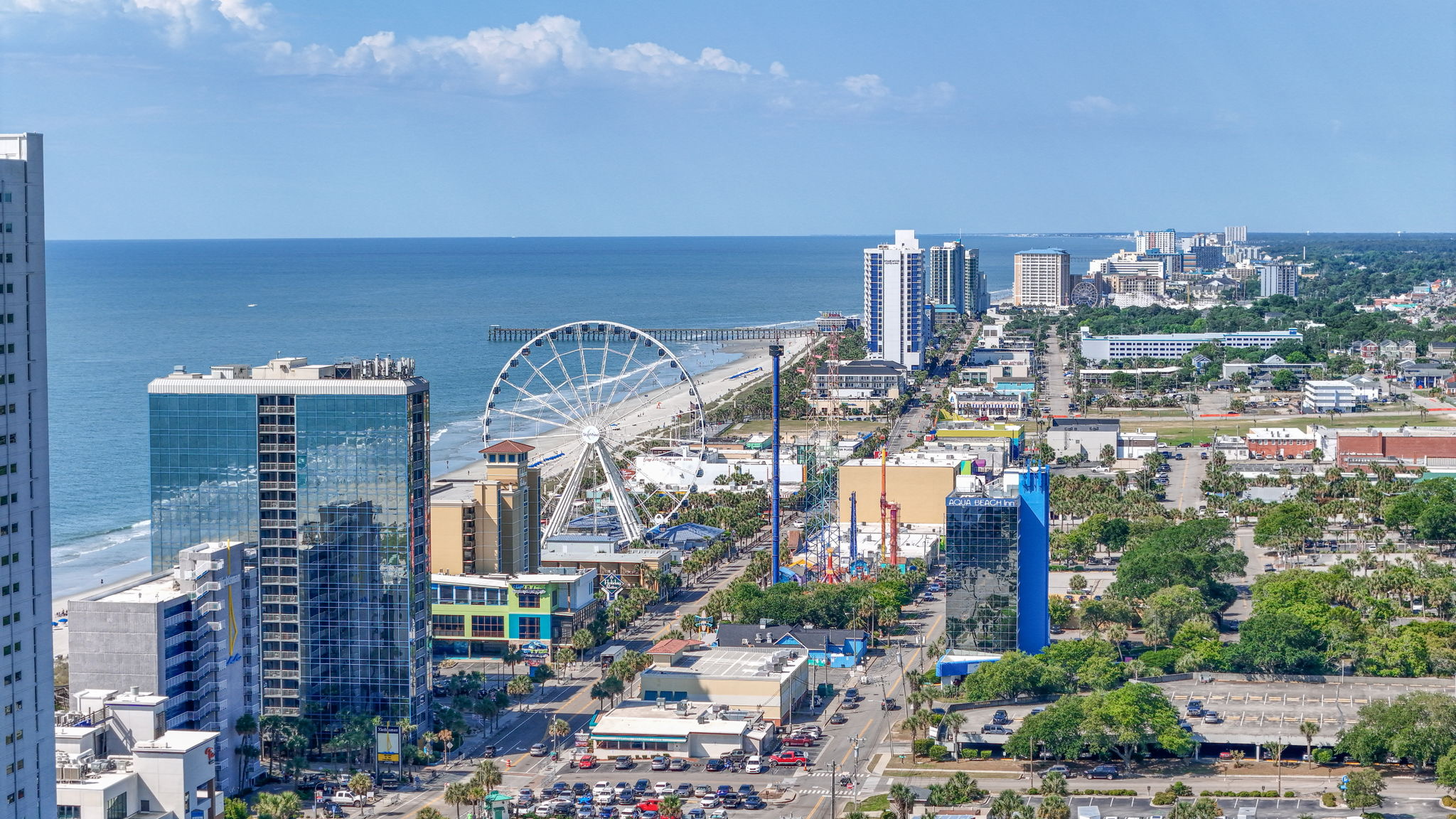
For most oceanfront condo buildings in Myrtle Beach, the monthly HOA fee covers a combination of the following:
- Building exterior maintenance and repairs
- Roof and structural components
- Common area upkeep such as hallways, elevators, lobbies, and parking areas
- Pool maintenance and beach access amenities
- Flood and hazard insurance on the structure itself (not your personal belongings or interior)
- Cable and internet services in many buildings
- Water, sewer, and trash in some buildings
- On-site management or front desk services in full-service buildings
- Contributions to the reserve fund for major future repairs
It is important to distinguish between what the HOA covers and what you are still responsible for as an owner. In most cases, your personal contents insurance, interior repairs, and HVAC unit are your own responsibility even if you are paying a high monthly fee.
Why Are Oceanfront HOA Fees Higher Than Inland Properties?
Buyers often wonder why oceanfront condo fees are significantly higher than fees in non-beachfront buildings nearby. The answer comes down to several factors unique to coastal South Carolina:
- Salt air and humidity accelerate wear on exterior surfaces, windows, railings, and mechanical systems, requiring more frequent maintenance
- Buildings on or near the ocean require specialized wind and flood insurance, which is considerably more expensive than standard property coverage
- Amenities like beachfront pools, oceanfront decks, and beach access infrastructure require ongoing investment
- Elevator systems in high-rise buildings are costly to maintain and replace
- Reserve fund requirements for coastal buildings tend to be higher to account for storm damage and accelerated depreciation
When you browse Myrtle Beach waterfront and oceanfront condos, keep in mind that the sticker price of the unit is only part of the financial picture. Monthly carrying costs including HOA fees are just as important when calculating your total cost of ownership.
Understanding HOA Financial Health
Not all HOA fees are created equal — and a low fee is not always a good thing. Some buildings keep fees artificially low by underfunding their reserves, which can lead to large special assessments down the road when a roof needs replacing or an elevator requires a major overhaul.
Before buying, ask the seller's agent for these documents:
- The current HOA budget and financial statements
- A reserve study or reserve fund balance — this shows whether the building is adequately funded for future repairs
- Meeting minutes from the past year — these often reveal upcoming assessments or disputes
- Any pending or recently approved special assessments
A well-run HOA with a strong reserve fund and transparent financials is a sign of a building where ownership will be less stressful over the long term.
Special Assessments: The Hidden Cost to Watch For
One of the most common financial surprises for condo owners in Myrtle Beach comes in the form of special assessments. These are one-time charges levied by the HOA when there is not enough money in the reserve fund to cover a major expense — such as replacing a pool, repairing hurricane damage, or upgrading common area infrastructure.
Special assessments can range from a few hundred dollars to tens of thousands depending on the scope of the project and how many units share the cost. In older oceanfront buildings especially, this risk is very real. Always ask if there are any current or anticipated special assessments before closing.
Costs, Risks, and Practical Considerations
When evaluating a condo purchase, factor the HOA fee into your monthly budget alongside your mortgage payment, insurance, property taxes, and any rental income you expect to generate. For investment buyers, a high HOA fee is not automatically a dealbreaker — if the building commands strong rental rates due to its amenities and location, the numbers may still work in your favor.
Also be aware that some lenders have restrictions on buildings with high HOA fees or financial issues. If you are financing, your lender will typically review the HOA's financial documents as part of their underwriting process. Buildings with unresolved delinquencies or insufficient reserves may not qualify for conventional financing.
Explore the full range of available Myrtle Beach condos for sale to compare HOA fees and amenities across different buildings and price points before narrowing your search.
Strategy for Buyers
Here is how to approach HOA fees as a smart buyer in the Myrtle Beach condo market:
- Always calculate the true monthly cost of ownership by adding the HOA fee, mortgage payment, insurance, and taxes together
- Request the full HOA documents, not just the fee amount — the financials tell the real story
- Compare the HOA fee to what is included — a $700 fee that covers insurance, cable, water, and a sizable reserve fund may be a better value than a $450 fee with minimal coverage
- Ask specifically about any upcoming major repairs or projects the association is planning
- For investment buyers, model your rental income projections after accounting for the full HOA fee, not just the mortgage
Final Takeaway
HOA fees for oceanfront condos in Myrtle Beach can range from a few hundred to well over a thousand dollars per month, and they vary significantly based on building size, age, amenities, and financial management. Rather than looking for the lowest fee, focus on understanding what the fee covers, how well the association manages its reserves, and what your total monthly cost of ownership will actually be. A slightly higher fee in a financially healthy building is almost always a better long-term investment than a low fee in a building that is struggling to maintain itself.
Frequently Asked Questions
Are HOA fees negotiable when buying a condo in Myrtle Beach?
No. HOA fees are set by the association and apply equally to all unit owners. What you can sometimes negotiate is having the seller cover a portion of fees as a closing concession.
Do HOA fees go up over time?
Yes, HOA fees can increase as maintenance costs rise, insurance premiums increase, or the association needs to build up its reserves. Review the history of fee increases before buying.
What happens if I don't pay my HOA fees?
Unpaid HOA fees can result in late charges, collection actions, and in some cases liens against your property. HOA dues are a legal obligation of ownership.
Do condotels have higher HOA fees than traditional condos?
Generally yes. Condotels operated as hotels have higher fees due to more intensive use of common areas and amenities, plus the costs of hotel-style services and staffing.
Can I rent out my condo to offset HOA fees?
Many Myrtle Beach oceanfront condos allow short-term rentals, which can generate income to offset HOA fees and other ownership costs. Always verify rental rules with the HOA before purchasing.
About Abe Safa