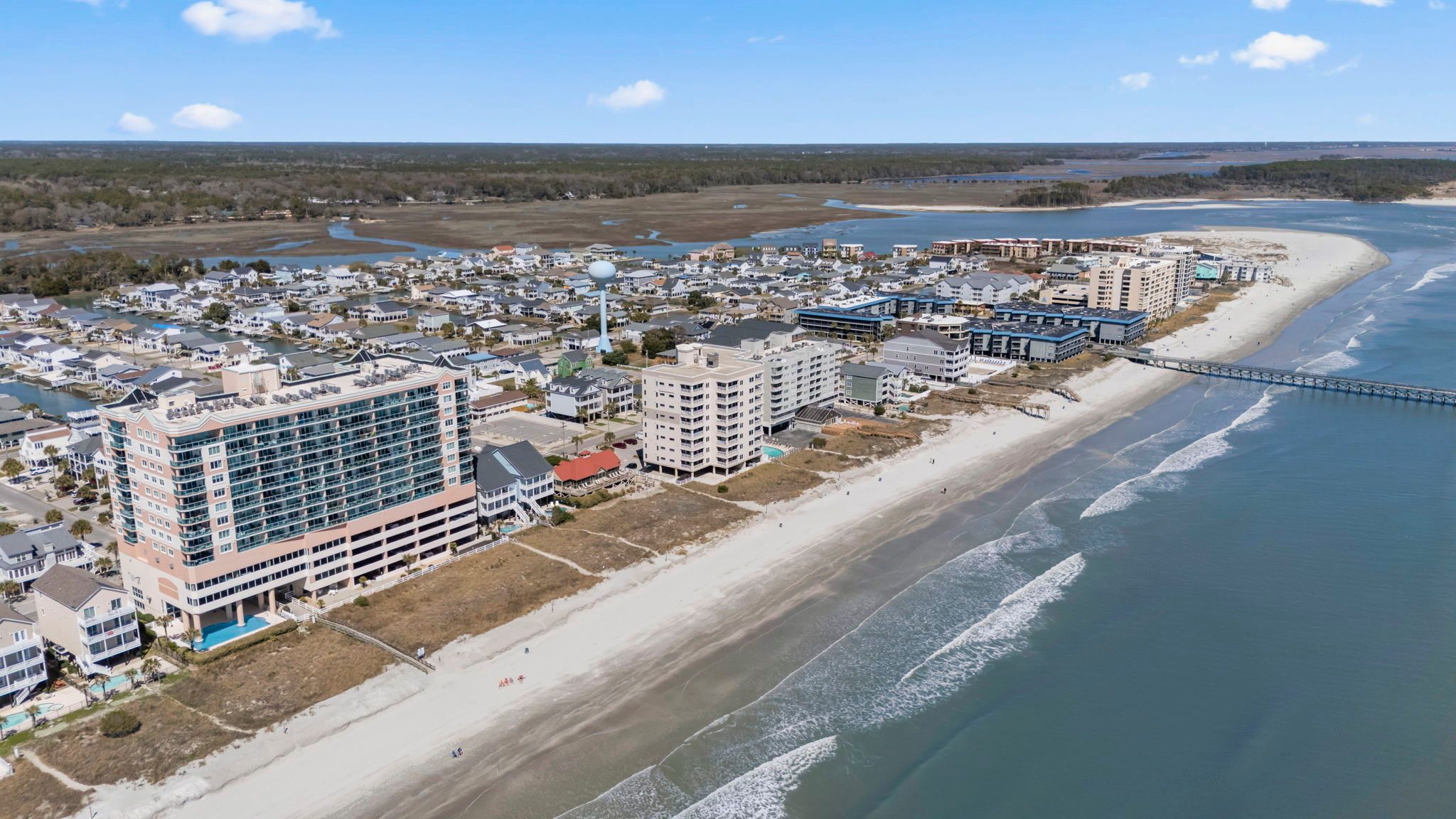
Last updated: September 2026
Selling a condo in Myrtle Beach is not the same as selling a house, and treating it like one is the fastest way to end up sitting on the market. Between building financing rules, HOA documents, oceanfront competition, and out-of-state buyers, condos have their own playbook. This is that playbook: a step-by-step guide to selling your Grand Strand condo for the most money in the least time, from a team that has closed over 1,564 transactions in 11 years.
The short version:
- Price to the current absorption rate, not to what units sold for in 2022. The oceanfront condo market has shifted hard, and stale pricing is the number one reason condos sit.
- Know your building's financing status (warrantable vs. non-warrantable) before you list. It decides who can buy your unit and how you should market it.
- Get your HOA documents, budget, and reserve information ready up front. Condo deals die in due diligence more than house deals do.
- Market to the actual buyer, who is often an out-of-state second-home or investment buyer, not a local.
- Work with an agent who sells condos specifically, because the pricing, financing, and buyer pool are all different from single-family homes.
How Is Selling a Condo Different From Selling a House?
The core difference is that when you sell a condo, you are not just selling your unit. You are selling your unit inside a building, and the building comes with it: its finances, its rules, its reserve fund, its rental mix, and its reputation. A buyer is evaluating both. That is why condo sales hinge on things house sales never touch, like whether the building qualifies for conventional financing, how healthy the HOA budget is, and whether a special assessment is looming. Get those building-level factors in order and the sale is straightforward. Ignore them and even a beautiful unit can stall. Everything below is built around that reality.
Step 1: Price It to Today's Market, Not Yesterday's
Pricing is where most Myrtle Beach condo sales are won or lost. The market has changed dramatically from the 2022 peak, when oceanfront absorption ran near 75%. Today absorption sits far lower, which means there is more competition and buyers have options. The units that sell are priced to current conditions; the units that sit are priced to what the neighbor got two years ago. Ask your agent for recent closed comparables in your specific building or a very similar one, look at what is actually going under contract rather than just what is listed, and price at or slightly ahead of the market to generate activity in the first two weeks, which are your most valuable. Overpricing to "leave room to negotiate" almost always backfires by killing early momentum.
Step 2: Confirm Your Building's Financing Status Before You List
This is the step unique to condos, and skipping it sinks deals. If your building is warrantable, it meets Fannie Mae and Freddie Mac guidelines, so buyers can use conventional financing with lower down payments, which widens your buyer pool. If it is non-warrantable, common in rental-heavy and oceanfront buildings, buyers need a portfolio loan or cash, which narrows the pool and changes how you price and market. Knowing this up front lets you target the right buyers from day one instead of going under contract and watching the deal collapse in underwriting. If you are not sure of your building's status, an experienced condo agent can usually tell you or find out quickly.
Step 3: Get Your HOA Documents and Building Financials Ready
Condo deals fall apart in due diligence more often than house deals, and the reason is almost always documents. Before you list, gather your HOA budget, the reserve study, recent board meeting minutes, the master insurance policy, the covenants and bylaws, and any notice of upcoming assessments. Buyers and their lenders will request these, and delays or surprises here are deal-killers. If there is a known upcoming special assessment, decide with your agent how to handle it transparently, because a buyer discovering it late is far worse than a buyer knowing it going in. Having a clean, complete document package ready signals a well-run sale and keeps the deal moving.
Step 4: Prepare and Present the Unit for the Right Buyer
Most Myrtle Beach condo buyers start their search online and often from out of state, so presentation is heavily visual and heavily digital. Professional photography and video are not optional; they are the first showing, and for a remote buyer they may be the only showing before an offer. Declutter, make the unit feel bright and larger, and stage it to match its likely use, whether that is a full-time residence, a second home, or a rental. Highlight what condo buyers actually care about: the view, the floor, the building amenities, parking, and proximity to the beach. The goal is to make a buyer scrolling from another state stop and picture themselves there.
Step 5: Market to Where the Buyer Actually Is
Your buyer is frequently not local, so marketing that only reaches Myrtle Beach misses most of the pool. A strong condo listing gets professional media, a powerful online and syndication presence, and targeted digital marketing aimed at the specific buyer profile most likely to purchase your unit, whether that is retirees, second-home buyers, or investors. This is where an agent's marketing plan matters enormously. If the plan is just the MLS and a yard sign, your unit is only being seen by a fraction of its potential buyers. Deliberate, buyer-targeted marketing is what separates condos that sell from condos that sit.
Step 6: Negotiate and Manage the Deal Through Closing
Once an offer comes in, the condo-specific work continues. Vet the buyer's financing carefully against your building's status, because an offer that assumes conventional financing on a non-warrantable building is not a real offer. Through the contract period, stay ahead of the appraisal, the inspection, the HOA estoppel and document review, and the insurance, all of which can surface issues on a condo. Most deals that collapse do so after the offer is accepted, over exactly these items, so proactive management from contract to closing is what actually gets you to the table. Calm, experienced handling here is one of the most valuable things a listing agent does, and it is where deep condo experience pays off.
How Long Does It Take to Sell a Condo in Myrtle Beach?
It depends heavily on the building, the price, and the season, but the single biggest factor is pricing. A correctly priced condo in a desirable, financeable building can go under contract quickly, while an overpriced unit or one in a building with financing or assessment issues can sit for months. In the current shifted market, realistic pricing and strong marketing matter more than they did a few years ago. The honest answer is that condos priced to today's market and marketed to the right buyers sell in a reasonable window, and condos priced to 2022 do not. For the right listings, we also offer terms designed to remove risk from the timeline, which is worth asking about.
How Do You Reach Abe?
Call or text (843) 360-2145, email asafa@c21harrelson.com, or visit abesafa.com. If you are thinking about selling your Grand Strand condo, reach out for a straight, no-pressure conversation and a free valuation based on what your building is actually selling for right now. You can also read why some Myrtle Beach properties aren't selling and how to fix it, learn about who Abe Safa is and why he specializes in Grand Strand condos, or review how condo assessments and special HOA fees work.
Frequently Asked Questions
How do I sell my condo in Myrtle Beach?
Price it to today's market using recent closed comparables in your building, confirm whether your building is warrantable or non-warrantable before listing, prepare your HOA documents and financials up front, present the unit with professional photography and video for online buyers, market to the right buyer profile (often out-of-state second-home or investment buyers), and manage the deal carefully through closing since condo transactions hinge on financing and document review. Working with an agent who specializes in condos specifically makes each of these steps go smoother.
How is selling a condo different from selling a house in Myrtle Beach?
When you sell a condo you are effectively selling your unit plus the building it sits in, so buyers evaluate the HOA budget, reserve fund, master insurance, rental mix, and whether the building qualifies for conventional financing. These building-level factors do not exist in a single-family sale and are the most common reason condo deals stall or fall through, which is why condo pricing, financing, and buyer targeting all work differently.
Why do Myrtle Beach condos take longer to sell than they used to?
The market has shifted significantly from the 2022 peak, when oceanfront absorption ran near 75%. Today absorption is far lower, meaning more competition and buyers with more options. Units priced to 2022 values sit, while units priced to current conditions and marketed to the right buyers still sell in a reasonable window. Pricing to today's absorption rate is the single biggest factor.
Do I need to know if my building is warrantable before selling?
Yes. A building's warrantable or non-warrantable status determines whether buyers can use conventional financing or need a portfolio loan or cash, which directly affects your buyer pool, pricing, and marketing. Knowing this before you list lets you target the right buyers and avoid deals that collapse in underwriting. An experienced condo agent can help you confirm your building's status.
What documents do I need to sell a Myrtle Beach condo?
Gather your HOA budget, reserve study, recent board meeting minutes, master insurance policy, covenants and bylaws, and any notice of upcoming special assessments. Buyers and their lenders will request these during due diligence, and missing or surprising documents are a leading cause of failed condo deals. Having a complete package ready before listing keeps the transaction moving.
Should I use a condo specialist to sell my Myrtle Beach condo?
It helps significantly. Condo sales involve building financing rules, HOA document review, oceanfront competition, and a largely out-of-state buyer pool, all of which differ from single-family home sales. An agent who sells condos regularly knows how to price to the building, market to the right buyers, and manage the condo-specific hurdles that cause deals to fall through. Call or text Abe Safa at (843) 360-2145 to talk through selling your specific building.
Thinking about selling your Grand Strand condo? Call or text (843) 360-2145 for a no-pressure conversation and a free valuation based on what your building is actually selling for today, from the team that closes more than a hundred Grand Strand sales a year.