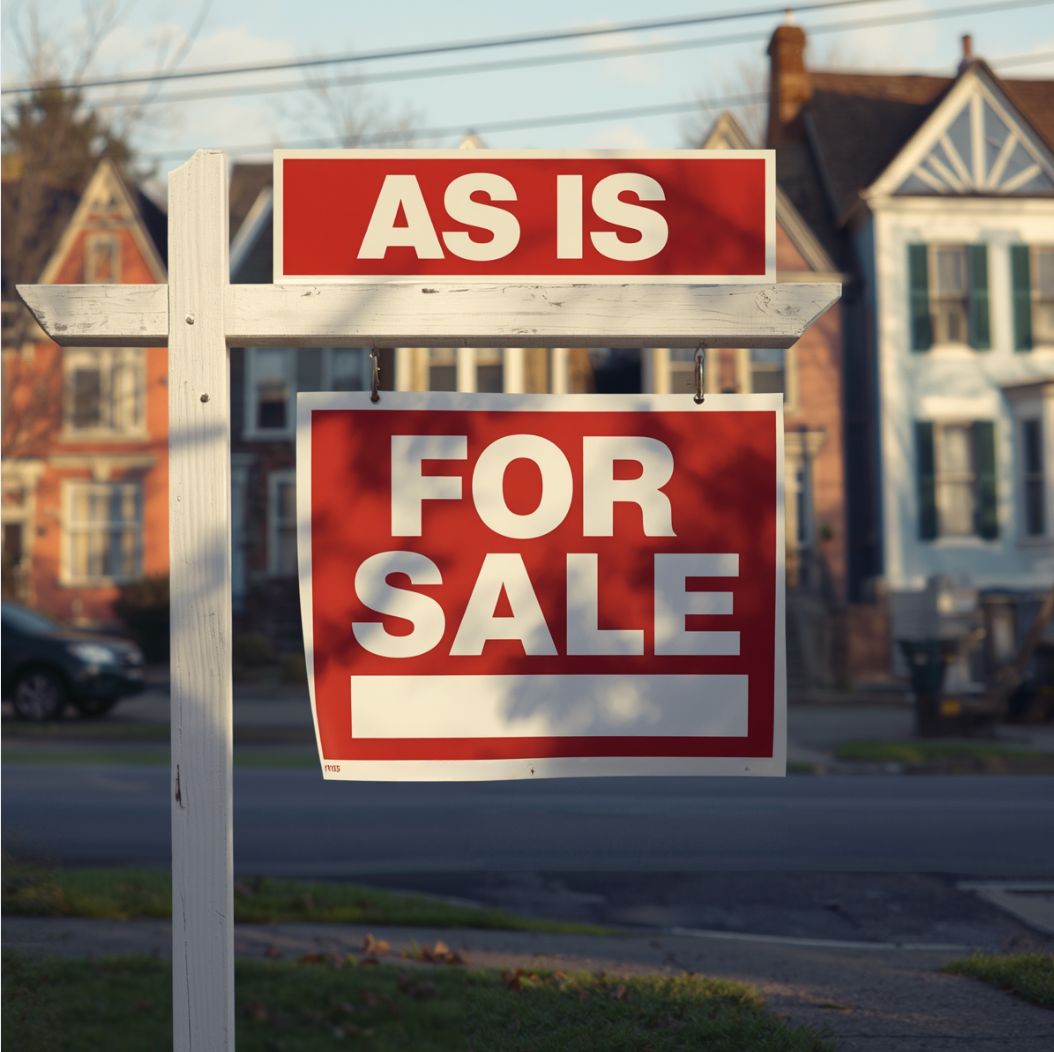
Selling a home as-is means listing the property in its current condition, with no repairs, updates, or credits offered to the buyer. For homeowners in Myrtle Beach dealing with deferred maintenance, inherited properties, financial pressure, or simply wanting a faster close, it can be an appealing option. But as-is sales come with real trade-offs — and understanding them fully before you list is essential.
What "As-Is" Actually Means in South Carolina
In South Carolina, selling as-is does not eliminate your disclosure obligations. Sellers are still legally required to disclose known material defects — structural issues, water intrusion, HVAC problems, roof age — regardless of how the property is listed. "As-is" tells the buyer you won't negotiate repairs, but it doesn't shield you from liability for concealing known issues.
Buyers can still conduct inspections on as-is properties and may walk away if inspections reveal problems you weren't required to disclose. Understanding this distinction upfront prevents surprises during the contract period.
The Pros of Selling As-Is
Speed is the primary advantage. As-is sellers skip the renovation and repair phase entirely, which can take weeks or months. For sellers dealing with estate situations, divorce, relocation deadlines, or financial hardship, that time savings is significant.
Certainty is another benefit. When you sell as-is, you know exactly what you're getting — no open-ended contractor negotiations mid-contract, no repair credits reducing your net, no re-inspections delaying closing. You can review the Myrtle Beach selling process to see where repair negotiations typically create friction and delay in a standard transaction.
As-is listings also attract a specific buyer segment — investors, flippers, and experienced buyers who prefer to customize a property themselves. In the Grand Strand, this pool is active and capable of moving quickly with cash or hard money financing.

The Cons of Selling As-Is
Price is the most significant drawback. Buyers purchasing as-is properties price in risk. They don't know everything the inspection will reveal, and they build contingency into their offer to protect themselves. The discount buyers apply to as-is properties typically exceeds what it would have cost to make the repairs — sometimes significantly.
Financing becomes more complex for as-is buyers. FHA and VA loans have minimum property condition requirements, which means as-is properties often can't be financed with government-backed mortgages if there are material issues. This shrinks your buyer pool to cash buyers and conventional loan purchasers who can accept the condition, which puts downward pressure on price and can extend time on market.
Stigma is also real. Buyers browsing the MLS notice as-is listings. Even buyers who aren't bothered by condition issues may offer lower simply because the as-is label suggests the seller is motivated and flexible. Browsing recently sold properties in Myrtle Beach shows how comparable homes with updated condition command measurably higher prices per square foot.
When Selling As-Is Makes Sense in Myrtle Beach
As-is makes the most sense when the cost of repairs exceeds what those repairs would add to the sale price, when you have a hard deadline that doesn't allow for contractor timelines, when the property has significant issues that a standard buyer wouldn't accept even with credits, or when speed and certainty matter more than maximizing sale price.
Inherited properties and vacation homes that have been vacant for years are common as-is candidates in the Grand Strand market. If you're weighing this option, start by evaluating your current condo or home's position relative to comparable sales, then calculate whether repairs would yield a net return above their cost.
How to Price an As-Is Property Correctly
As-is pricing requires a different analysis than a standard listing. Start with the after-repair value — what the property would sell for in fully updated condition — then subtract the estimated cost of repairs plus an investor profit margin of 15 to 25 percent. That gives you a realistic floor for what a cash buyer will pay.
If your as-is price is close to what you'd net after making repairs and selling at full market value, the math may favor doing the work. If the numbers are comparable — or if speed matters more than maximum net — as-is has a legitimate place in your strategy.
Frequently Asked Questions
Do I still have to disclose defects if I sell as-is in South Carolina?
Yes. South Carolina law requires sellers to disclose known material defects regardless of how the home is listed. Selling as-is means you won't make repairs — it doesn't mean buyers won't inspect or that you're protected from non-disclosure claims. Work with your listing agent to complete disclosures accurately and thoroughly.
Will my Myrtle Beach home sell faster as-is?
It can, particularly if you're attracting investors and cash buyers who can close quickly and don't require appraisals or extensive financing. However, if the price isn't right or the condition is severe, as-is listings can also sit longer than comparable move-in ready properties.
How much less will I get for selling as-is?
The discount varies widely based on condition and local market dynamics, but as-is properties in Myrtle Beach typically sell for 5 to 20 percent below comparable updated homes. The more significant the deferred maintenance or needed repairs, the larger the discount buyers apply.
Can I sell a condo as-is in Myrtle Beach?
Yes, but HOA rules and lender requirements for the building itself can complicate things. Some condo buildings have restrictions on investor purchases or rental use that affect buyer demand. If the building itself has known structural or financial issues, that can further limit financing options for buyers.
Is it better to make repairs or sell as-is in the current Grand Strand market?
It depends on the scope and cost of the repairs versus the expected lift in sale price. Cosmetic updates — paint, flooring, fixtures — typically return more than they cost in a competitive market. Major structural or mechanical repairs often don't pencil out as well. A detailed market analysis and repair cost estimate, reviewed together, will give you the clearest answer for your specific property.