Pricing a home correctly in a stable market is difficult. Pricing it correctly in a shifting market is significantly harder — and significantly more consequential. The Grand Strand real estate market, like most coastal markets, moves in cycles that are influenced by interest rates, seasonal patterns, inventory levels, and regional migration trends. Getting the asking price right from the start is the single most important decision sellers make, and it requires looking at the right data in the right way.
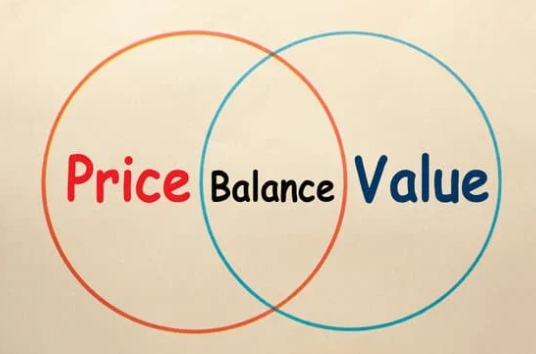 Why the Right Price Matters More in a Shifting Market
In a strong seller's market, overpricing is forgiving. Buyers compete, prices are rising, and a seller who comes in 5 percent high often still gets an offer within a few weeks. In a shifting or balanced market, that same 5 percent premium can leave a listing sitting for months — accumulating days on market, triggering buyer skepticism, and ultimately producing a lower net than if it had been priced correctly from day one.
Buyers in a balanced market have more options and more time. They're patient, comparison-shopping, and aware of how long listings have been sitting. A listing that's been on the market for 60 or 90 days carries a stigma that price reductions alone rarely overcome. The solution is to price correctly before launch, not to chase the market down after overpricing it.
How to Read the Shifting Grand Strand Market
Pricing in a changing market requires looking at trend data, not just point-in-time snapshots. The key metrics to examine are: active inventory (how many competing listings are available right now), days on market for comparable sold properties, list-to-sale price ratios (are homes selling above, at, or below asking), and pending-to-active ratios (a measure of absorption rate). Understanding where the Myrtle Beach housing market stands right now provides the foundational context for any pricing conversation.
In a shifting market, recent closed sales — not current listings — are your most reliable pricing data. Active listings reflect seller aspirations; closed sales reflect what buyers actually paid. Use only sales from the past 60 to 90 days. Anything older risks reflecting market conditions that no longer exist.
The Comparable Sales Analysis (CMA): What to Look For
A properly conducted comparative market analysis compares your property to sold properties that are similar in size (within 10 to 15 percent of square footage), age, condition, location, and features. For condos in Myrtle Beach, floor level, ocean view, building amenities, and HOA fees all require adjustment. For single-family homes, lot size, pool, garage, and school zone matter.
The adjustments appraisers and skilled agents make to account for differences between your property and the comparables are where pricing precision is gained or lost. A 200-square-foot difference between properties, an updated kitchen versus original cabinets, or a direct ocean view versus a partial view can all be worth tens of thousands of dollars. Pricing based on unadjusted averages consistently produces inaccurate results.
Pricing Strategy in a Balanced or Buyer-Leaning Market
In a market where inventory is rising and buyer urgency is declining, pricing slightly below the comparable sales range rather than at the top of it often produces better outcomes. A property priced to attract multiple buyers creates competition, which drives the final sale price up. A property priced at the aspirational ceiling sits — and eventually sells for less than a properly priced listing would have.
The psychological pricing points buyers use in online searches also matter. Most buyers filter by round number ranges — $400,000–$450,000, $450,000–$500,000. A property priced at $459,000 appears in two search ranges. A property priced at $461,000 appears in only one. These nuances matter more in slower markets when every buyer contact counts. Understanding the full Myrtle Beach selling process includes making these kinds of positioning decisions thoughtfully before listing.
When and How to Adjust Price If Needed
If a properly priced listing receives no offers in the first two to three weeks, the market is sending a signal. The appropriate response is a meaningful price adjustment — typically 3 to 5 percent — not a token reduction that fails to move the needle. Reducing from $425,000 to $422,000 doesn't change buyer behavior. Reducing to $409,000 does.
Before reducing price, rule out other causes. If the listing is generating traffic but not offers, the problem may be presentation, photos, or condition rather than price. If it's not generating traffic, the price likely needs to change. Your agent's online analytics — listing views, saves, and inquiry rates — should inform this diagnosis. Browsing currently featured properties gives you a live sense of what active competition looks like in your price range and how your listing compares.
Frequently Asked Questions
How do I know if my Myrtle Beach home is priced correctly?
Correctly priced homes typically generate showing requests within the first week and receive at least one offer within 21 days in normal market conditions. If you're getting showings but no offers, you may be close but slightly high. If you're getting no showings at all, the price is likely more significantly above market. Your agent's feedback and online listing analytics should confirm which situation you're in.
Should I price high to leave room to negotiate?
This strategy backfires more often than it succeeds in a balanced market. Buyers who see a listing priced above comparables don't make low offers — they skip the listing entirely. You never get the negotiation you were hoping for. Pricing at or slightly below market consistently produces more activity and better final outcomes than pricing high with the intention of coming down.
How much does condition affect asking price in Myrtle Beach?
Significantly. Updated kitchens, renovated bathrooms, new flooring, and fresh paint command measurable premiums over homes in original or dated condition. In the Grand Strand market, where buyers are often comparing properties across multiple buildings and neighborhoods, a move-in ready property will consistently price above one requiring cosmetic work — even when the structural components are identical.
How often do Myrtle Beach homes sell at asking price?
List-to-sale price ratios vary with market conditions. In competitive markets, properties frequently close above asking. In balanced or slower markets, most properties close within 2 to 5 percent of asking, with some negotiation on price or seller concessions. Working with an agent who tracks these ratios in your specific submarket gives you the most accurate expectations.
Is it better to price low and create a bidding war in the Grand Strand?
This strategy is most effective in a strong seller's market with low inventory and high buyer urgency. In a balanced or shifting market, pricing below market may simply result in selling below market — particularly if buyer competition is limited. The appropriate pricing strategy depends on current absorption rates, inventory levels, and buyer activity in your specific price range. Your agent should be able to model this for you before you decide.